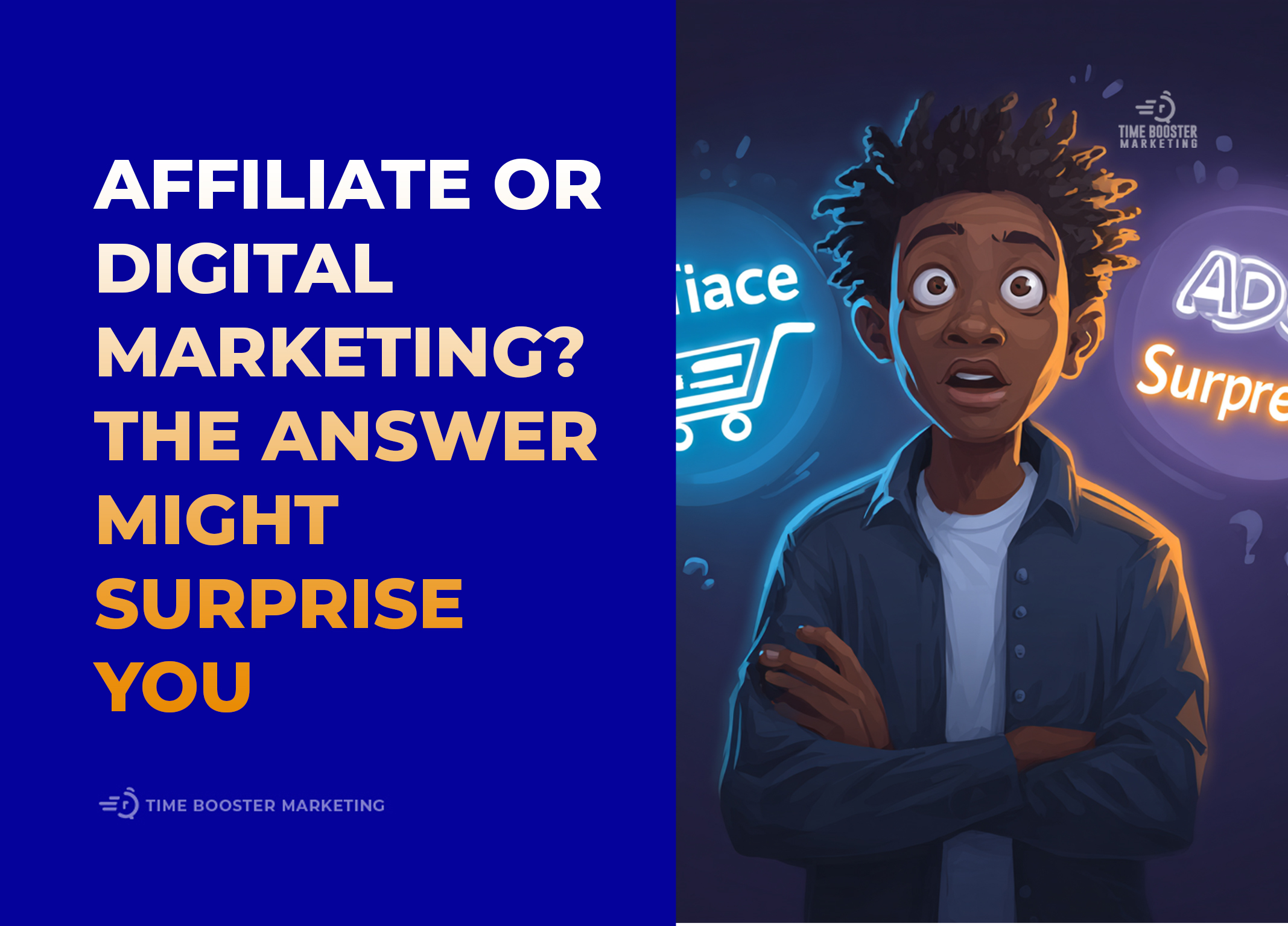
Understanding Affiliate vs Digital Marketing is more than a comparison of tactics. It’s about finding which method works best for your audience, budget, and long-term goals. Cameroon’s online business scene has grown fast thanks to mobile payments, internet access, and a new wave of young entrepreneurs turning social media into sales tools. The real question is, how can you position your business to benefit the most from both worlds?
This article breaks down the strengths, challenges, and practical opportunities of each marketing approach, helping you choose a strategy that fits your business reality in Cameroon.
1. Understanding Affiliate vs Digital Marketing
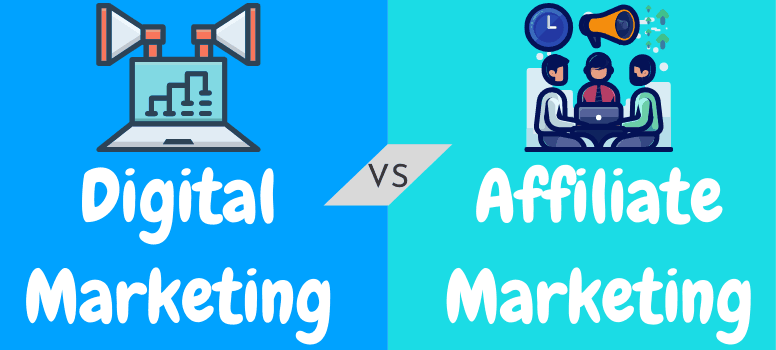
Affiliate marketing is a performance-based strategy where brands reward individuals (affiliates) for promoting their products and driving sales through referral links. Affiliates earn commissions when users make purchases or take specific actions.
Digital marketing, on the other hand, is a broad term that includes all online marketing methods such as SEO, email marketing, social media ads, and content marketing.
In simple terms:
- Affiliate marketing = partner-driven promotion.
- Digital marketing = company-managed campaigns across various platforms.
While affiliate marketing depends on partnerships and personal influence, digital marketing relies on structured brand campaigns.
According to Statista, global affiliate marketing spending is projected to reach over $14 billion in 2024, showing the growing relevance of affiliate-based sales. Meanwhile, Cameroon’s digital economy, supported by increased mobile data use, continues to expand rapidly, with brands like Jumia and Glotelho already using both models effectively.

2. Key Differences Between Affiliate Marketing and Digital Marketing
| Aspect | Affiliate Marketing | Digital Marketing |
|---|---|---|
| Cost Structure | Commission-based | Budget-controlled by company |
| Control | Influencer or affiliate-driven | Company-managed |
| Scalability | Grows with affiliate partnerships | Scales with ad budget and reach |
| ROI Tracking | Based on conversions | Based on traffic, engagement, or conversions |
| Branding | Limited control | Full creative control |
These differences matter because the Cameroonian digital landscape often favors flexibility and trust-based sales. Many local consumers prefer buying through recommendations rather than ads, which gives affiliate marketing a strong cultural advantage.
3. The Strengths of Affiliate Marketing in Cameroon
Affiliate marketing is thriving in Cameroon for several reasons:
- Low entry cost: Anyone can start promoting products without large capital.
- Growing digital influence: Social media creators in Douala and Yaoundé are shaping purchase decisions.
- Easy monetization: Affiliates can earn through mobile-friendly payment systems like MTN MoMo and Orange Money.
- Trust factor: Personal referrals carry more weight than traditional ads in local communities.
Platforms like Jumia’s affiliate program and Awin Global have made it easier for locals to start affiliate journeys. Many Cameroonian bloggers and influencers now use these programs to supplement income or build full-time digital careers.
Still, affiliate marketing requires patience and consistent traffic. Affiliates must build trust before earning significant commissions.
(External Links: Statista Affiliate Marketing Growth, Jumia Partners Program, Awin Network)
4. The Power of Digital Marketing in Cameroon
Digital marketing offers control and scalability that affiliate marketing lacks. Businesses can:
- Run targeted ad campaigns on Facebook, Instagram, and Google.
- Track engagement through analytics tools.
- Build brand authority through SEO and content marketing.
- Reach global audiences without relying on third-party promoters.
For example, Cameroon Savings Cooperative (CAMCCUL) and local brands like Kiro’o Games use digital ads and storytelling to grow communities online. With the right content and targeting, digital marketing can turn small budgets into loyal audiences.
However, digital marketing in Cameroon faces challenges like high ad costs, limited local audience data, and poor conversion tracking due to unreliable internet infrastructure.
(External Links: Google Ads Guide, Facebook Business Tools, Kiro’o Games Marketing)
5. Comparing Cost and ROI
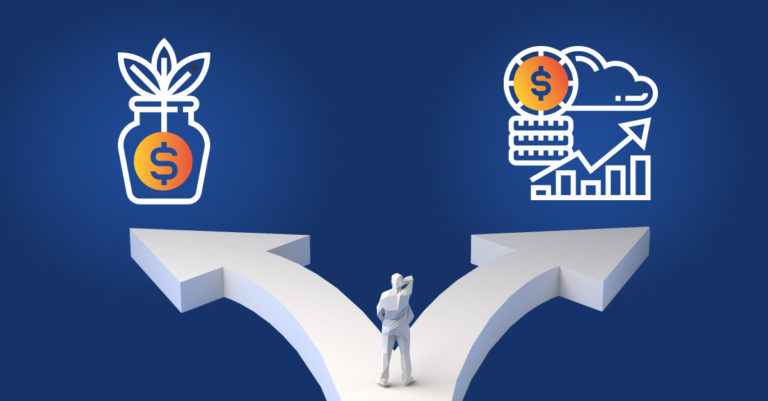
- Affiliate marketing is more performance-based. You pay only when results are achieved.
- Digital marketing requires upfront spending but offers broader visibility.
For new entrepreneurs, affiliate marketing provides an easier entry point. For established brands, digital marketing gives full control over creative direction and analytics.
Smart businesses in Cameroon often combine both models — using digital marketing for brand awareness and affiliate partnerships for direct sales.
6. Challenges in the Cameroonian Market
Both marketing models face local obstacles:
- Limited internet access in rural regions.
- Low trust in online transactions.
- Payment barriers for international affiliate networks.
- Lack of local SEO optimization for digital campaigns.
Despite these, improvements in fintech, such as mobile money adoption, are bridging the gap between global platforms and local markets. Affiliate marketers now receive commissions through Mobile Money, making it easier to earn from international programs.
7. Opportunities Ahead
The next phase of growth for Cameroon’s digital market lies in:
- Localized affiliate networks focusing on African audiences.
- Better influencer-brand partnerships.
- Stronger SEO education and local search marketing.
- More mobile-based digital campaigns.
As Cameroon continues to adopt e-commerce and social commerce trends, combining affiliate marketing with structured digital campaigns will offer the best results.
(External Links: UNCTAD E-Commerce in Africa Report, Hootsuite Digital Trends Report)
8. Practical Strategies for Business Owners
If you’re running a small business or planning to promote products online in Cameroon:
- Start with affiliate programs that fit your niche.
- Use social media storytelling to build trust.
- Invest in SEO and Google My Business for visibility.
- Track conversions using simple tools like Google Analytics.
- Experiment with both organic reach and paid advertising to measure ROI.
Conclusion
When it comes to Affiliate vs Digital Marketing, there isn’t a single winner. Both approaches complement each other beautifully.
Affiliate marketing builds trust and drives direct sales through personal networks, while digital marketing strengthens brand presence and delivers measurable growth. The smartest path for Cameroonian entrepreneurs is to use both, letting affiliates handle influence while digital marketing provides visibility and consistency.