Imagine a customer in Douala asking their phone, “Where can I find the best handmade leather sandals near me?” In the past, a search engine would show a list of websites. Now, AI-powered search engines provide a direct, conversational answer, maybe even mentioning your shop by name. This new reality is driven by a powerful shift in digital marketing. Understanding Generative Engine Optimization for local shops is no longer just an advantage; it’s becoming essential for survival and growth in Cameroon’s vibrant marketplace.
This isn’t about complex code or a huge marketing budget. It’s about understanding how your customers are looking for you and ensuring your business is the answer they find. GEO is the practice of making your business visible and favorable to AI search engines like Google’s Search Generative Experience (SGE) and Perplexity. For a local shop owner in Yaoundé, Limbe, or Bamenda, this means more foot traffic, more online orders, and a stronger connection with your community. This guide will show you exactly how to do it.
What is Generative Engine Optimization (GEO)?
Let’s break down this new term. You are likely familiar with Search Engine Optimization (SEO). For years, SEO has been about getting your website to the top of a list of search results. You use keywords, build links, and make your site technically sound. GEO is the next step in that evolution.

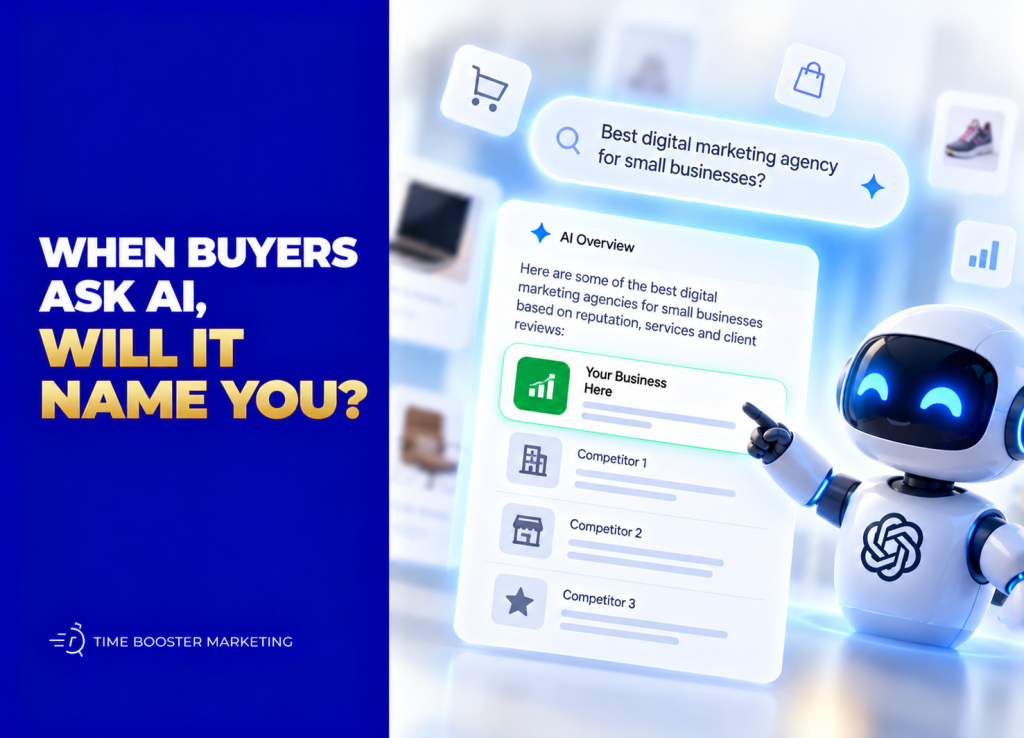
Generative Engine Optimization (GEO) is the process of optimizing your online presence to be featured, mentioned, and recommended in the conversational, AI-generated answers that appear at the top of search results.
Instead of just aiming for a blue link, you’re aiming to become part of the answer itself. The goal is for the AI to see your business as a trusted, authoritative source and recommend you directly to potential customers. It’s a shift from ranking to being recommended.
SEO vs. GEO: What’s the Difference for a Cameroonian Shop?
Think of it this way:
- SEO helps a customer in Buea find your website when they search “bakeries in Buea.” They see your link in a list and have to click it to learn more.
- GEO helps that same customer get an immediate answer like, “For delicious, fresh bread in Buea, many people recommend ‘Le Bon Pain Bakery’ on Main Street. They are known for their croissants and excellent customer service.”
You can see the difference. GEO puts your business’s value proposition front and center, building trust before a customer even visits your shop or website. You need both, but mastering Generative Engine Optimization for local shops gives you a powerful competitive edge.
Why GEO is a Game-Changer for Businesses in Cameroon
The way people use the internet in Cameroon is changing rapidly. With increasing mobile phone penetration, more people are using voice search and asking questions in natural, conversational language. They’re not just typing “plumber Douala”; they’re asking, “Who is a reliable plumber in Bonapriso available now?” This is exactly the kind of query that generative AI excels at answering.
Here are the key benefits of adopting a GEO strategy for your local shop.
.png "A Guide to Generative Engine Optimization for Local Shops in Cameroon 2")
1. Attract Highly Motivated, Local Customers
When someone asks a specific, action-oriented question like “Where can I buy affordable laptops for students in Yaoundé?”, they are ready to make a purchase. GEO helps position your business as the direct answer to these high-intent queries. By optimizing for conversational search, you attract customers who are actively looking to buy what you sell, right in your neighborhood.
2. Build Unmatched Brand Authority and Trust
Being featured in an AI-generated answer is like getting a direct recommendation from the search engine itself. This builds immense trust. When a generative engine cites your business, it tells the user that you are a credible and relevant solution. For a small business in Cameroon, this kind of digital endorsement is priceless and can set you apart from competitors who are still just focused on traditional SEO.
3. Stand Out in a Crowded Market
Many local businesses in Cameroon have a basic online presence, but very few are actively optimizing for generative AI. This is your opportunity. By learning the principles of Generative Engine Optimization for local shops, you can leapfrog competitors. While they are fighting for a spot on the results page, your business can be the result.
4. Drive Both Foot Traffic and Online Sales
GEO works for all types of local businesses.
- For a restaurant in Kribi: A customer asking, “Best place for grilled fish with a sea view in Kribi?” could get a summary that features your establishment, complete with mentions of your popular dishes and beautiful location. This drives them directly to your door.
- For an electronics shop in Douala: Someone might ask, “Compare the latest Tecno and Infinix phones available in Douala.” If your website has helpful, up-to-date content, the AI could use it to formulate an answer, citing you as the source and a place to buy. This can lead to both online inquiries and in-store visits.
Practical GEO Strategies for Your Local Shop in Cameroon

Getting started with GEO doesn’t require you to be a tech wizard. It’s about being strategic and authentic. Here are actionable steps you can take today.
Step 1: Master Your Google Business Profile (GBP)
Your Google Business Profile is the single most important tool for local GEO. Generative engines heavily rely on the information in your GBP to answer location-based questions.
- Complete Every Section: Fill out everything. Your business hours, address, phone number, and website are the basics. Also add your products, services, accessibility information, and business attributes (e.g., “Black-owned,” “Women-led”).
- Encourage and Respond to Reviews: Reviews are a goldmine for GEO. They are filled with natural language about what makes your business special. Encourage happy customers to leave reviews. When you get them, respond thoughtfully. This shows both customers and the AI that you are engaged.
- Use the Q&A Feature: The Questions & Answers section is a direct line to what your customers want to know. Answer common questions proactively. For instance, if you run a fabric shop, add questions like “Do you sell authentic Ndop fabric?” or “What are your prices for wax print?” and then answer them yourself. This directly feeds the AI with useful information.
- Upload High-Quality Photos and Videos: Show, don’t just tell. Post clear photos of your storefront, your products, your team, and happy customers. This helps the AI “understand” what your business is about and makes the generated answer more visually appealing.
Step 2: Create Content That Answers Questions
Think like your customer. What questions do they have that your business can answer? Shift your content strategy from being keyword-focused to being question-focused.
- Develop a “People Also Ask” Mindset: Look at the “People Also Ask” section in Google search results for topics related to your business. These are questions real people are asking. Create blog posts, FAQ pages, or short videos that answer them directly. For example, a tailor in Garoua could write a post titled, “How to Choose the Right Fabric for a Grand Boubou.”
- Embrace Conversational Language: Write how you speak. Use simple, clear language. Instead of “Our establishment offers premium sartorial services,” say “We offer high-quality tailoring for all your clothing needs.” AI is designed to understand and replicate human conversation, so your content should be natural.
- Focus on Hyperlocal Content: Be unapologetically local. Create content that is specific to your city or even your neighborhood. A bookstore in Limbe could create a guide to “5 Great Cameroonian Authors Every Reader Should Know.” This signals to the AI that you are an authority in your local context. This is a core part of successful Generative Engine Optimization for local shops.
Step 3: Build Your Digital ‘E-E-A-T’
E-E-A-T stands for Experience, Expertise, Authoritativeness, and Trustworthiness. It’s a concept from Google that is even more important for GEO. The AI wants to recommend businesses that are legitimate and well-regarded.
- Showcase Your Experience: Your “About Us” page is crucial. Tell your story. How long have you been in business? What is your personal experience in this industry? For a family-run restaurant, talk about the generations of recipes.
- Demonstrate Expertise: Create helpful guides, tutorials, or blog posts. A hardware store owner could create a video showing how to fix a leaky tap using products sold in their shop. This proves you are an expert.
- Build Authority: Get mentioned on other reputable local websites. This could be a feature in a local blog, a mention on a community Facebook group, or a partnership with a nearby business. These digital “votes of confidence” boost your authority.
- Increase Trustworthiness: Be transparent. Have a clear contact page, display customer testimonials, and make sure your business information is consistent everywhere online (your website, GBP, social media, etc.).
Step 4: Structure Your Website for AI
While the content is king, a little technical setup can help the AI read and understand your site more easily.
- Use Schema Markup: Schema is a type of code that you add to your website to help search engines understand your content. There are specific schemas for local businesses, products, reviews, and FAQs. Using schema is like giving the AI a perfectly organized file about your business, making its job easier.
- Ensure Mobile-Friendliness: Most conversational searches happen on mobile phones. Your website must be fast and easy to use on a small screen. A slow or clunky mobile site can cause the AI to overlook you as a good recommendation.
- Have a Clear Site Structure: Organize your website logically. Use clear headings and menus. An AI, much like a human user, should be able to easily navigate your site to find information about your services, products, location, and contact details.
What the Future of Search Looks Like in Cameroon
The move towards generative search is not a passing trend. It reflects a fundamental human desire for faster, more direct answers. For local shop owners in Cameroon, this represents a unique opportunity to connect with customers in a more personal and effective way.
By embracing Generative Engine Optimization for local shops, you are not just preparing for the future of search; you are actively shaping it in your favor. You are telling the story of your business in a way that modern technology can understand and amplify. The businesses that start now will build a significant and lasting advantage.
Your journey into GEO begins today. Start with one simple step. Go to your Google Business Profile and look at it through the eyes of a customer. Is it complete? Is it helpful? Is it trustworthy? Making that single profile excellent is the first and most powerful step toward attracting more customers than ever before.
What’s the first question you think a customer would ask about your business? Share it in the comments below! Let’s brainstorm some great GEO content ideas together.