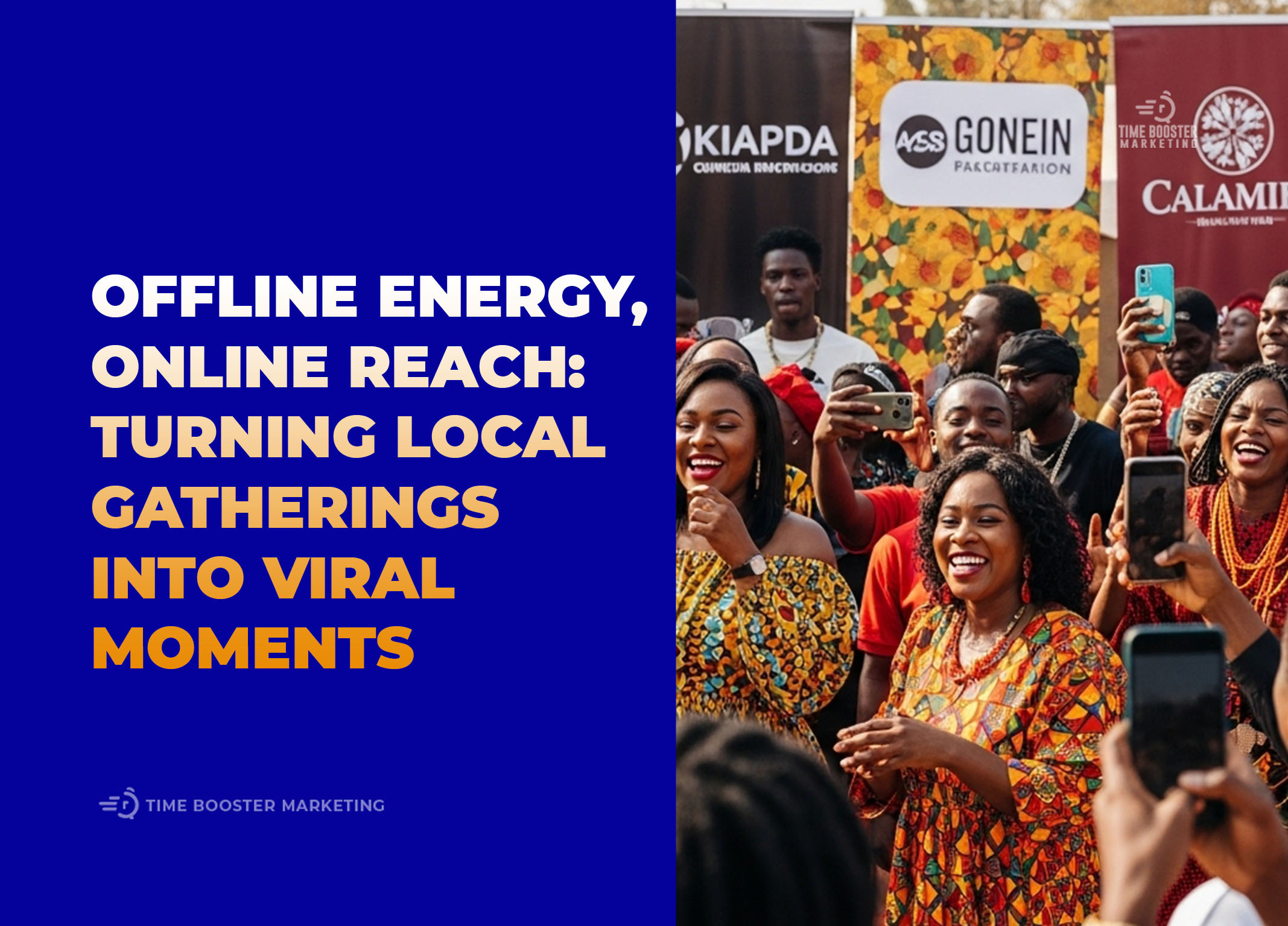
In 2025, consumers expect experiences that connect offline and online. They want to hear about your events on social media, see live coverage, and interact with your brand both in person and online. This is why blending community-based activities with digital promotion is no longer optional. It’s a strategic move that can elevate your visibility, loyalty, and sales.
1. Promote Events on Social Media Before They Happen

Social media is one of the most powerful ways to spread the word about community events. Platforms like Facebook, Instagram, TikTok, and X (formerly Twitter) allow you to target local audiences, create event pages, and post engaging content that builds excitement.
Start by creating an event page with all essential details: date, time, location, registration links, and what attendees can expect. Share behind-the-scenes content like preparation videos, sneak peeks, and interviews with speakers or performers. Encourage followers to RSVP and share the event with their networks. Use hashtags that reflect your event, brand, and community theme to make content discoverable.
Example: A local fashion brand hosting a pop-up show can post sneak peeks of designs, interviews with designers, and polls on which styles the audience wants to see live. This not only builds excitement but also collects valuable insights about attendee preferences before the event even begins.
Sources: HubSpot – Event Marketing Tips
2. Leverage Email Marketing for Invitations and Updates
Email remains one of the most effective channels to reach your audience directly. Use it to send personalized invitations, reminders, and post-event follow-ups. Segmented email lists allow you to tailor messages based on interests, past attendance, or demographics.
For instance, a local restaurant hosting a cultural tasting night can email previous customers with an exclusive early-bird invitation, while sending a general invite to a broader audience. Include clear calls to action, RSVP links, and sneak peek content to make the event feel exclusive and valuable.
Tracking email open rates, click-through rates, and RSVPs also gives insight into how engaged your community is, helping you adjust your strategy for future events.
3. Partner with Local Influencers and Community Leaders
Influencers are not just for global brands. Local personalities, content creators, and community leaders have loyal followings that trust their recommendations. Partnering with them can amplify your event reach, generate credibility, and attract audiences you might not reach on your own.
Choose influencers who genuinely align with your brand and event theme. For example, if you are hosting a youth entrepreneurship workshop, collaborate with local business mentors or popular young professionals who can post about the event and encourage attendance. Encourage them to create content like live videos, stories, and posts showcasing the event experience.
Influencers can also be part of the event itself, leading panels, hosting activities, or providing live coverage. This creates content that continues to engage audiences even after the event ends.
Sources: Forbes – Influencer Marketing
4. Live Stream Events for Greater Reach
.png "7 Proven Ways to Combine Community Events and Digital Marketing in Cameroon 3")
Not everyone can attend in person. Live streaming extends your event to audiences across the country or even globally. Platforms like Facebook Live, Instagram Live, and YouTube Live are excellent options for streaming panels, performances, or workshops.
Live streams should be interactive. Encourage viewers to comment, ask questions, and engage in polls during the event. This creates a sense of participation, even if they are remote. Highlight key moments, capture behind-the-scenes action, and provide context so online viewers feel included.
Example: A local music festival can live-stream performances while showcasing fan interactions, vendor activities, and artist interviews. Clips from the stream can then be repurposed for social media content, extending engagement even further.
5. Use Hashtags and User-Generated Content
Event-specific hashtags help create a shared digital space for attendees and online audiences. Encourage participants to post their own photos, videos, and stories using your hashtag. This generates authentic user-generated content, which is a powerful form of social proof.
Set up a content wall or display social media posts during the event to showcase the community’s participation. Later, repost the best content on your brand’s channels to continue the conversation and maintain engagement long after the event concludes.
Example: A local craft fair could create a hashtag like #YaoundeCraftWeekend and feature attendees’ posts on screens at the event. Online followers who could not attend will feel connected and motivated to engage next year.
6. Collect Feedback Digitally
Combine offline experiences with digital feedback collection. Use QR codes at events to direct attendees to surveys, polls, or social media forms. Collecting feedback helps you understand attendee satisfaction, preferences, and ideas for improvement.
For instance, a startup hosting a product launch in Douala can include a QR code at each table or booth, linking to a survey asking what attendees liked most and what could improve. Incentivize participation with small rewards or discounts. This provides actionable data that informs future events and strengthens relationships with your audience.
7. Create Post-Event Content to Extend Impact
The event doesn’t end when the doors close. Turn your community event into ongoing content by creating:
- Highlight reels or recap videos
- Blog posts summarizing key discussions or activities
- Social media carousels with top photos and quotes
- Email newsletters sharing event insights or next steps
This approach ensures that your investment in the event continues to provide value. It also allows people who could not attend to engage with your brand and feel part of the community.
Example: A local nonprofit organizing a community health fair can produce a video showing educational workshops, interviews with experts, and participant testimonials, which can then be shared across social channels and email campaigns.
External Resources for Planning Hybrid Marketing Events
- Eventbrite – Event Marketing Tips
- HubSpot – Event Marketing Strategies
- Social Media Examiner – Event Promotion
- Forbes – Leveraging Influencers for Events
- Sprout Social – User-Generated Content
- TechCrunch – Live Streaming Best Practices
Final Thoughts
Combining community events and digital marketing in Cameroon is more than a trend; it is a smart strategy to grow your audience, build loyalty, and create long-lasting engagement. By promoting events online, partnering with influencers, live streaming, using hashtags, collecting feedback, and creating post-event content, you maximize both physical and digital presence.
Start small: choose one digital channel to complement your next event. Measure engagement, experiment with content types, and gradually build a more integrated strategy. Over time, your community events and digital marketing will work together, creating meaningful connections and measurable business results.
If you are planning your next event and want to make it unforgettable, start integrating digital marketing today. Share your event ideas, ask questions about hybrid strategies, or reach out for guidance on creating a combined offline-online campaign that really works.