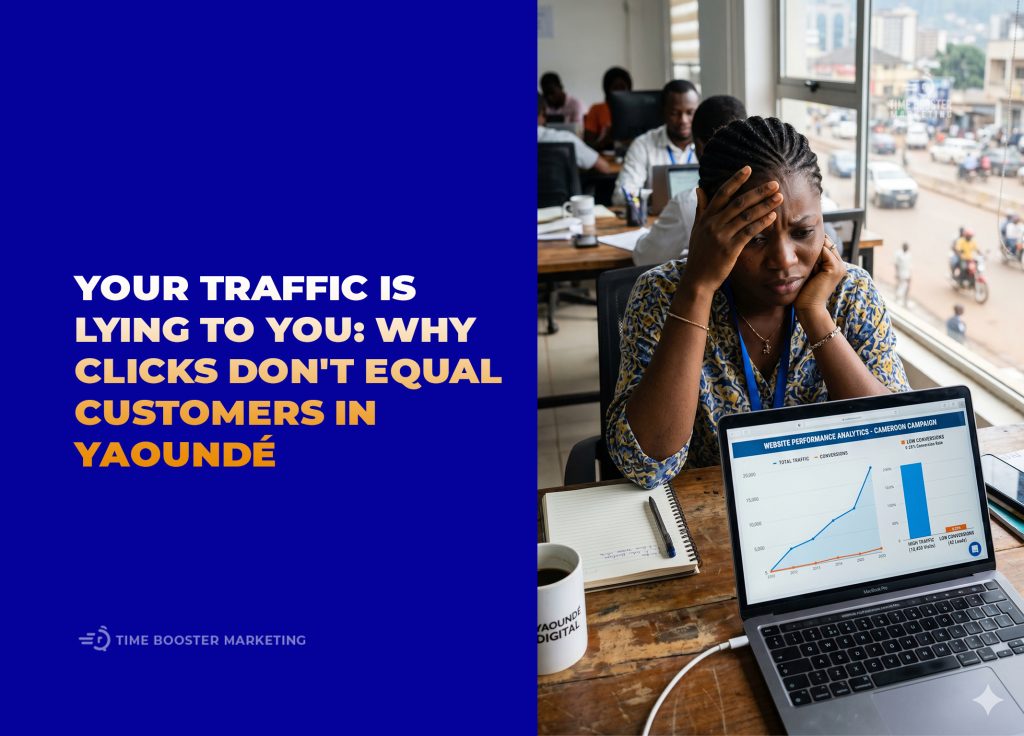

You might start with one affiliate program. No big deal. Payments are slow but manageable. Then you add another program, then a few marketplace collaborations, maybe a SaaS referral, then a crypto paying network. Suddenly, your income arrives through PayPal on the 12th, Payoneer on the 29th, Bitcoin on weekends, and a direct bank transfer only clears after a five-day hold. It does not take long before you start feeling like a part-time accountant instead of a marketer.
I think many of us have been there. You wake up excited about promoting new offers, but instead you find yourself staring at conversion reports, waiting for payout verification, trying to calculate what actually entered your bank after deductions. At some point, you realize you need tools that make money management simpler, cleaner, and less stressful. That is where fintech quietly came in as a rescue.
This guide is not written to sound like a tech brochure. It is more like two people talking honestly about what actually works for digital earners. You will see long explanations, real scenarios, use cases, things that can go wrong, and how to build a system that supports you for years instead of weeks.
Let us dig in slowly and thoroughly.
The Rise of Fintech Among Affiliate Marketers

It might surprise you, but affiliate marketing used to be a lot more frustrating. People promoted products for weeks and waited two months for payout. International transfers came with double-digit fees. Banks questioned online transactions as if they were suspicious. Currency conversion felt like daylight robbery.
Fast forward to now, and the landscape looks very different. Digital banking has matured. Payout tools evolved. Wallets became global. A freelancer in Ghana can get paid by a client in Canada within minutes. A student in Kenya can withdraw U.S. affiliate commissions without needing a traditional bank account. A creator in Nigeria can receive crypto today and spend it abroad tomorrow. All thanks to fintech.
When Statista projected the global digital payments industry reaching more than $9 trillion by 2025 (source: statista.com), it became clear that online finance is not an experiment. It is the new standard. And if affiliate marketing continues growing, fintech will grow with it.
Truth is, earning online is only half of the game. Managing earnings well is what separates hustlers from entrepreneurs. The right tools reduce friction and let you focus on content creation, optimization, building trust, and audience growth. The more time you save from finance admin, the more time you have for money-making work.
So yes, fintech tools for affiliate entrepreneurs matter. More than we often admit.
What Problems Do Fintech Tools Actually Solve?

Let us get practical. Money is not just money. It comes with weight, paperwork, fees, risk, tax obligations, currencies, and record keeping. Fintech tools lighten that weight.
Here are problems fintech solves:
- Slow payouts become instant or faster
- High fees become manageable
- Currency exchange becomes fair
- Tracking income stops being a headache
- Invoicing no longer requires templates in Word
- Tax season becomes less painful
- Data becomes visible instead of scattered
- Cash flow becomes predictable
- Global earnings become easier
Imagine earning from Amazon Associates, ClickBank, ShareASale, a crypto network, and three SaaS programs. Without fintech, you would spend hours reconciling income sources manually. With fintech, you could have one dashboard showing total earnings, trends, weak performers, strong months, or recurring commission projections.
That kind of clarity can change how you market.
When you know where money comes from, you know where to invest effort.
1. PayPal: Familiar, Universal, Sometimes Necessary
Whether we like it or not, PayPal is an industry staple. You can almost guarantee that an affiliate network supports it. That alone makes it a necessary tool for beginners. You sign up, connect your email, wait for verification, and you are ready to accept global payments.
However, real experience with PayPal is a mixed bag. On one hand, it works almost everywhere, transfers are quick, and most affiliate programs use it as a default. On the other hand, cross-border fees bite hard, disputes can freeze accounts, and customer support sometimes moves more slowly than we hope.
Still, PayPal has a place. Many affiliates keep it as a primary or secondary wallet simply because opportunities increase when you can say, “Yes, I have PayPal”.
Website: https://www.paypal.com
Long-term advice: Use PayPal, but avoid storing large amounts there. Withdraw gradually to reduce risk.
2. Payoneer: The Freelancer’s Friend
Payoneer often becomes a creator’s favorite the moment they realize how much money they save on exchange fees compared to PayPal. If you work with CJ Affiliate, Fiverr, Upwork, or other marketplaces, you have probably seen Payoneer withdrawals already.
The magic lies in multi-currency virtual accounts. You can receive money in USD, EUR, GBP, AUD, and then withdraw when the exchange rate feels favorable. That alone can save hundreds of dollars over time.
I know people who switched from PayPal to Payoneer just to avoid terrible conversion rates. Some affiliate marketers even treat Payoneer as a mini bank. They receive funds, hold them, pay suppliers, and even order a Payoneer MasterCard to spend directly without withdrawing first.
Website: https://www.payoneer.com
Best use case: Serious international earners or affiliates scaling income beyond hobby level.
3. Stripe: More Than a Payment Gateway
Stripe is powerful. It is not just a wallet. It allows you to accept card payments, subscriptions, digital product sales, and even run your own affiliate program using integrations. While PayPal and Payoneer feel like receiving money, Stripe feels like running a business.
This tool is incredibly useful when an affiliate eventually wants to:
- Sell digital products
- Charge clients
- Create simple checkout pages
- Run subscription-based offers
- Accept credit or debit cards globally
Stripe gives room for growth. Many affiliate marketers eventually transition into digital product creators because it multiplies earnings. Stripe becomes a backbone for that evolution.
Website: https://stripe.com
4. Wise: A Money Saver in Disguise
Wise (formerly TransferWise) developed a cult following because it prioritizes transparency. You instantly see how much fee you pay, what your final amount is, and the real conversion rate. No hidden charges. No unpleasant surprises.
If most of your affiliate income comes in foreign currency, Wise might save more money than any marketing course. Imagine receiving $1000 monthly and losing 6 percent to fees. That is $60 every month, $720 yearly. Wise often cuts that loss in half or more.
Multi-currency wallets mean you can hold money in USD, EUR, GBP, etc. You convert only when you want to withdraw. Affiliates working with global payouts often pair Wise with Payoneer for maximum flexibility.
Website: https://wise.com
5. Tapfiliate: Perfect for Tracking and Running Affiliate Systems
Tapfiliate is useful both for affiliates and for entrepreneurs who want to launch their own affiliate programs later. You can integrate it with websites, track referral clicks, attribute commissions, and automate payouts.
Why should an affiliate care about building their own program? Because one day you might want others to promote your product too. Imagine selling an ebook, course, or SaaS tool and letting 100 creators market it for you. Tapfiliate makes that possible.
Website: https://tapfiliate.com
6. FirstPromoter: Recurring Commission Tracking for SaaS Affiliates
If you promote SaaS tools, you know recurring payouts are gold. Sell once. Earn monthly. But tracking recurring commissions across networks can get messy. FirstPromoter specializes in solving that.
You can see MRR (monthly recurring revenue), churn, referrals, and renewal income. You know which partner brings the most money. You know whether customers renew or cancel. This helps refine your content strategy.
Website: https://firstpromoter.com
7. Affluent.io: One Dashboard for Everything
Affluent.io is one of those tools that makes life suddenly simpler. Instead of checking Amazon Associates today, Impact tomorrow, ShareASale next week, you get one unified dashboard. It becomes a finance control room.
Beginners like it because it removes overwhelm. Advanced affiliates use it to scale because data becomes visible. No guessing. You see which platforms pay more, which niche converts better, or which season performs highest.
Website: https://affluent.io
8. Google Analytics: The Free Analyst
It is free, yet powerful enough to run an online business. Google Analytics helps you understand where your traffic comes from, how people behave on your site, and what content leads to affiliate clicks.
Pair it with UTM tracking, and you get deep insight. For example:
- Which blog post drives the most conversions?
- Which traffic source brings buyers instead of window shoppers?
- Does YouTube convert better than TikTok?
- Do people buy after one visit or multiple visits?
When you understand patterns, your strategy becomes intentional instead of reactive.
Resource: https://analytics.google.com
9. Revolut: A Digital Bank That Fits Global Creators
Revolut feels like a bank redesigned for online workers. You can hold multiple currencies, create virtual cards, track spending, analyze transactions, and even exchange crypto. It is flexible and modern.
Frequent travelers use Revolut cards abroad. Digital nomads withdraw easily. Affiliates spend advertising budgets with more control. The app organizes finances visually, which makes money feel less abstract and more manageable.
Website: https://www.revolut.com
10. N26: Simple, Clean, and Reliable for Europe-Based Users
N26 is smoother than many traditional banks. It comes with real-time notifications, budgeting controls, spending categories, and direct integration with digital wallets. If you are in Europe, it is one of the easiest banking tools to use for affiliate work.
Website: https://n26.com
Crypto As An Optional Payout Channel
Some affiliate networks now offer Bitcoin or stablecoin payouts. It used to sound strange. Today it is almost normal. Crypto allows borderless payments, faster withdrawals, and sometimes lower fees.
Platforms to explore:
- Coinbase
- Binance
- BitPay
Report reference: https://www.coinbase.com
Crypto is powerful but volatile. Many affiliates convert quickly into stablecoins to avoid price drops. Others hold long-term as an investment. Choose based on your risk appetite.
Building Your Personal Fintech Stack
Here is a practical approach. Instead of using all tools blindly, build a stack based on your stage.
Beginner Setup:
- PayPal + Wise
- Google Analytics
- Wave Accounting (free)
Intermediate Setup:
- Payoneer
- Affluent.io
- QuickBooks or FreshBooks
Advanced Setup:
- Stripe
- Tapfiliate or FirstPromoter
- Revolut for multi-currency spending
- Crypto wallet
The point is not having many tools. The point is building a flow.
Earnings enter wallet → tracked in dashboard → processed in accounting → withdrawn smartly.
That flow reduces stress more than people expect.
Handling Taxes as an Affiliate Entrepreneur
Taxes are usually ignored until they become a problem. Income comes from different countries, multiple platforms, and inconsistent dates. Without fintech, tax calculation feels like puzzle solving.
Accounting tools like QuickBooks, FreshBooks, Wave, Zoho Books simplify everything. You categorize expenses, store receipts, and track payouts automatically. Tax season becomes about reviewing, not building everything from scratch.
Resource: https://www.investopedia.com/taxes
A simple habit is recording affiliate earnings monthly instead of yearly. That alone prevents headaches.
How Much Should You Expect to Spend on Fintech?
No tool is free forever. Some charge a subscription. Some charge transaction fees. But consider cost as investment, not expense.
Approximate cost expectations:
- PayPal fee: 2 to 4 percent on transfers
- Payoneer: small withdrawal fees
- Wise: low conversion rates
- Stripe: charges per transaction
- Affluent.io: paid plans for heavy users
- Accounting software: free to $30 monthly
If strong fintech saves you 10 percent yearly by reducing fees and improving decisions, it already pays for itself.
Challenges and What to Watch Out For
Nothing is perfect. A realistic mindset helps.
Small fintech startups can get overloaded if traffic spikes. This causes delays. Always research support responsiveness.
Quality varies among tools. A beautiful UI does not guarantee good service. Look at user reviews. Test with small payouts first.
Results take consistency. One tool will not magically fix financial chaos. You need to build habits and systems gradually.
Growth requires reinvestment. Better tools, paid plans, and premium features often become necessary when the business scales. That is normal.
Security matters. Use two-factor authentication. Keep backups. Withdraw income regularly. Money lost online is hard to recover.
Future of Fintech and Affiliate Commerce
We might be entering a golden age for online earners. Trends suggest fintech will become even more integrated with affiliate workflows.
Expect:
- Instant payouts instead of 30-day waits
- AI-generated financial reports
- Smart tax auto filing
- Affiliate dashboards combining all platforms
- More crypto-based payouts
- Investing and saving directly from affiliate wallets
Reference: https://www.mckinsey.com
The future feels interesting. Maybe even exciting. Imagine seeing your affiliate income, expenses, investments, taxes, and growth potential in one place automatically. No spreadsheets. No stress.
Final Thoughts
Fintech tools for affiliate entrepreneurs give us something far more valuable than convenience. They give control. Financial control means clearer decisions, less confusion, faster withdrawals, better budgeting, lower fees, smarter tracking, and more time to actually make money instead of organizing money.
When affiliate work becomes predictable and clean, scaling becomes natural. You stop guessing and start planning.
If you treat this like a real business, the world responds to you like a real business.