CRO for Ads in Cameroon: 9 Critical Reasons You Need It for Higher Conversions
If you’re struggling with paying for clicks that do not turn into calls, WhatsApp messages, or sales, this is for you. CRO for Ads is the difference between “people saw us” and “people chose us,” especially in Cameroon where mobile-first behavior and trust questions shape every purchase. You can have strong keywords, good targeting, and a fair budget, and still lose money because the page after the click is slow, confusing, or feels risky. The good news is that conversion leaks are usually fixable in days, not months. Once you patch the biggest leaks, your cost per lead drops and your campaign becomes easier to scale.
Cameroon’s market adds a few unique wrinkles that make conversion work even more important. Many customers prefer to call or chat rather than fill out long forms, and they often want pricing in FCFA and payment options they recognize. Search behavior is bilingual, so ad messages and landing pages need to match language and tone, or the click feels wasted. Network quality varies, so speed matters more than you might expect if you test only on office Wi-Fi. Your goal is simple: make the next step obvious, fast, and trustworthy on a normal Android phone.
Here are the conversion “leaks” you will learn to find and fix in this article:
- Slow pages that load fine on your laptop but crawl on mobile data
- Ad-to-page mismatch, where the promise changes after the click
- Friction-heavy forms that ask for too much, too soon
- Missing trust cues like location, reviews, and clear payment options
- Tracking gaps, especially for calls and WhatsApp leads
CRO for Ads in Cameroon: What It Is, Where It Came From, and Why It Matters Now

What it means, in plain language
Conversion rate optimization for paid traffic is the practice of turning more of your existing visitors into the actions you actually want. In Cameroon, those actions are often phone calls, WhatsApp messages, quote requests, direction requests, bookings, and sometimes Mobile Money payments. It is not “design for design’s sake,” and it is not about tricking people into clicking buttons. It is about making the experience clearer and safer so the right customer can say yes without extra effort. When you do that, you increase conversions while keeping spend flat, which is the cleanest way to improve ROI.
A simple way to understand it is to think like your customer. They click your ad because they believe it will solve a problem, like “find a plumber in Douala” or “book a hotel in Yaoundé.” The page they land on must immediately confirm three things: “I’m in the right place,” “this looks trustworthy,” and “I know what to do next.” If any one of those is missing, many visitors will bounce, even if they need your service. This is why message match, speed, and trust cues are the core of conversion work.
Start by defining conversions that fit how Cameroonians actually buy. Many businesses track only a website form, then wonder why Google Ads “doesn’t work” when customers are calling instead. If your real sales happen through phone and chat, your measurement must follow that reality. Set up and value these common conversion actions:
- Phone calls from ads and from the website
- Clicks on WhatsApp links and “chat now” buttons
- Form submissions for quotes or appointments
- Map direction requests for physical locations
- Completed purchases or deposit payments, if applicable
If you want a solid foundation on conversion rate optimization concepts and terminology, Moz has a clear beginner-friendly guide you can skim and then return to when you need it: https://moz.com/learn/seo/conversion-rate-optimization. The big takeaway is that conversions improve when you reduce confusion and friction, not when you add more persuasion tricks. That principle is even more true in markets where trust is earned slowly. In practice, your best-performing pages usually look simpler, not more complicated.
The short history and the shifts affecting Cameroon advertisers (keyword variation)
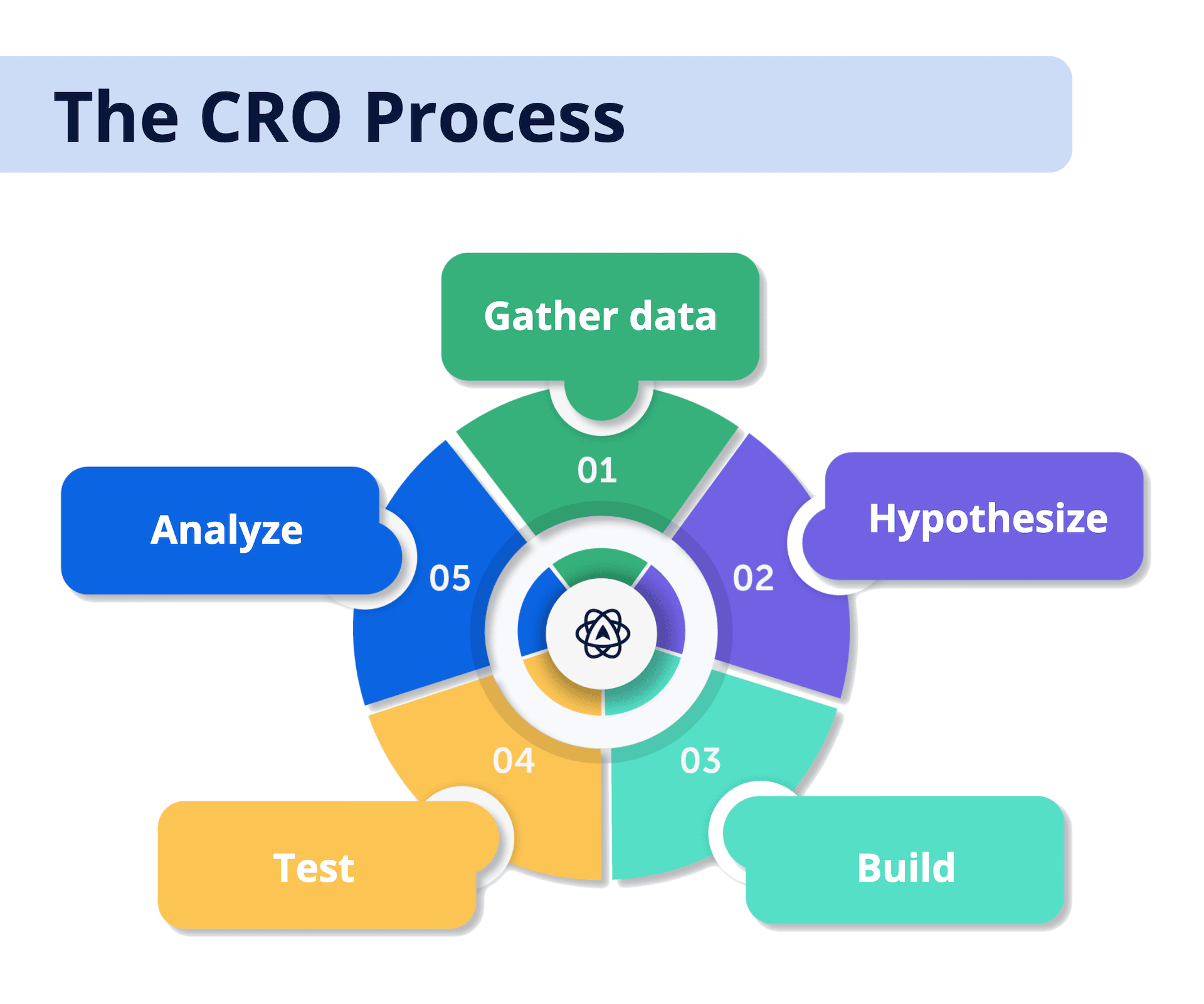
CRO started as a web analytics and A/B testing discipline, mostly focused on ecommerce and sign-up funnels. Early on, teams tested button colors and headline tweaks because tools were limited and traffic was expensive to get. Over time, the field matured into something more practical: better offers, clearer messaging, fewer steps, faster speed, and stronger proof. Today, privacy changes and reduced tracking signals mean you cannot rely on perfect targeting or perfect attribution. Your creative and your landing experience have to do more work.
For Cameroon advertisers, the “current shift” is largely mobile reality plus platform automation. More traffic comes from phones, and Google’s ad delivery optimizes quickly, but it cannot fix a weak landing experience. At the same time, customer expectations are rising because people compare you to the best experiences they have had, not the average. If your page feels broken, slow, or unclear, they will tap back and choose the next result. This is why conversion work is now a core skill, not an optional extra.
Cameroon-specific challenges that push conversion rates down are common and predictable:
- Bilingual mismatch: French ad, English page, or the opposite, causing instant distrust
- Unclear location: no Douala or Yaoundé address, no service area, no “where you operate” cues
- Weak proof: no reviews, no photos of real work, no client names or examples
- Hard-to-pay experience: no mention of MTN MoMo or Orange Money where relevant
- Overlong forms: asking for 10 fields when 3 would do the job
Trust deserves special attention because it is not just a “nice to have.” The Stanford Web Credibility Research guidelines summarize what makes people trust a website, and many of those principles apply directly to landing pages, like showing real-world contact info and making content easy to verify: https://credibility.stanford.edu/guidelines/index.html. In Cameroon, where buyers often worry about scams, credibility signals can be the difference between a WhatsApp message and a silent bounce. The best part is that most credibility improvements cost less than a week of wasted clicks.
CRO for Ads in Cameroon: 3 Practical Plays to Lift Conversions Fast
Lists work great here:
- Fix the post-click basics first (speed, clarity, mobile flow)
A fast, clear page will often outperform a clever page, especially on mobile data. Test your landing page on a mid-range Android phone using mobile data, not office Wi-Fi, and pay attention to first impressions. If the page does not clearly say what you offer, where you offer it, and what to do next within the first screen, you are leaking conversions. Keep your main call to action visible and make it one tap away from completing.- Speed wins you conversions because impatient users do not wait
- Clarity wins you conversions because confused users do not “figure it out.”
- Mobile flow wins you conversions because most visitors never see your desktop layout
- One clear CTA wins you conversions because too many options create hesitation
Here are “quick fixes” that often improve conversions within a week:
- Compress images and remove heavy sliders that slow mobile load
- Put your offer and CTA above the fold, with a sticky call or WhatsApp button
- Reduce form fields to the essentials (name, phone, need, location)
- Use large tap targets and readable font sizes for small screens
- Add a short FAQ under the CTA to remove common objections
A practical Cameroon example: if you run a delivery service in Douala and your ad promises “Livraison en 2h,” your landing page should repeat “Livraison en 2h à Douala” in the first headline. Then show operating hours, delivery zones, and a single action like “Commander sur WhatsApp.” If the visitor has to scroll to find that, you are paying for confusion. Small layout changes like this routinely lift conversion rates by 10% to 30% because you remove uncertainty.
- Build trust the local way (proof, location, and payment comfort)
Many landing pages fail because they ask for commitment before earning trust. In Cameroon, that trust often comes from clear location signals, real photos, and familiar payment options. If you are in Yaoundé, say it in the headline, put the address in the footer, and add a map link that opens easily on mobile. If customers can pay with Mobile Money, mention it plainly and early, because it reduces fear and makes the transaction feel doable. Trust is not one badge, it is a stack of small signals that all point in the same direction.Use these trust elements that consistently help performance:- A real phone number with click-to-call and business hours
- WhatsApp link with a pre-filled message like “Bonjour, je veux un devis pour…”
- Photos of your real shop, team, or work, not generic stock images
- Reviews and ratings, ideally with the platform name (Google Reviews, Facebook)
- Clear service area, like “Douala 1-5” or “Yaoundé Centre and nearby”
- Pricing or “starting from” ranges in FCFA, when your market expects it
Here is a simple “trust block” you can add under your main CTA:
- “Paiement: MTN MoMo, Orange Money, espèces”
- “Adresse: Akwa, Douala (près de …)”
- “Note Google: 4.7/5 (218 avis)”
- “Délai: intervention sous 60 minutes”
This is not decoration. It answers the customer’s unspoken questions before they leave.
For more ideas on improving landing pages that support PPC traffic, Ahrefs has a practical guide that focuses on user intent and page structure, which is exactly what you need after the click: https://ahrefs.com/blog/landing-page-optimization/. Apply it with local context, like bilingual toggles and FCFA pricing where appropriate. The best landing pages feel like a helpful salesperson, not a puzzle.
- Measure what really converts (calls, WhatsApp, and offline sales)
You cannot improve what you do not measure, and this is where many Cameroon campaigns quietly fail. If your real conversions happen by phone or WhatsApp, but you only track form fills, your ads will optimize toward the wrong behavior. Start by tracking every meaningful action: phone calls from your site, clicks on WhatsApp buttons, form submissions, and if possible, confirmed sales. Then connect those events to your ad platform so you can see which keywords, ads, and locations produce customers, not just clicks.Use a measurement setup that matches your sales process:- Track phone calls with call extensions and call reporting where available
- Track WhatsApp clicks as events using Google Tag Manager
- Track form submissions with a thank-you page or event-based conversion
- Import offline conversions if you close deals in person or by invoice
- Record lead quality notes in a simple spreadsheet or CRM (qualified, not qualified, purchased)
Here is a simple weekly reporting view that keeps you honest:
- Spend, clicks, and CTR (traffic quality)
- Conversion count by type (calls, WhatsApp, forms)
- Cost per conversion by type (what is getting cheaper or more expensive)
- Lead quality rate (what percent of leads are real prospects)
- Close rate and estimated revenue (even if it is a rough range)
If you want a practical overview of PPC measurement pitfalls and what to watch when optimizing paid campaigns, Search Engine Journal publishes solid guides that are easy to apply without getting lost in theory: https://www.searchenginejournal.com/ppc/. The key is to decide what “success” is before you test changes. Otherwise, you will chase clicks, not customers.
CRO for Ads scorecard: a 10-minute check before you spend more
Before you increase budget, run this quick scorecard on the landing page linked to your highest-spend ad. Give yourself 1 point for each “yes,” and do not be generous. Most pages that convert well score at least 7 out of 10, even in competitive categories. If you score 5 or below, improving the page will usually beat increasing bids. This is the fastest way to find easy wins without guessing.
Score yourself with these yes/no questions:
- Does the page load in under 3 seconds on mobile data?
- Does the first headline repeat the exact promise from the ad?
- Can a visitor call or WhatsApp within one tap?
- Is your location or service area obvious within the first screen?
- Do you show real proof (reviews, photos, case results, guarantees)?
- Do you state price or “starting from” when the market expects it?
- Is the form short (3 to 5 fields) and easy to complete on mobile?
- Is the page available in the visitor’s language (French or English) when needed?
- Are conversion actions tracked (calls, WhatsApp, forms) and visible in reports?
- Does the thank-you step tell the visitor what happens next and how fast you respond?
Realistic success stories you can model in Cameroon
A Douala home services business (plumbing and repairs) was paying for high-intent clicks but getting mostly bounces. The page loaded in 8 to 10 seconds on mobile data, and the call button was buried below a long paragraph about company history. After compressing images, moving “Call now” and “WhatsApp” above the fold, and adding “Intervention sous 60 minutes à Douala” with a visible price starting point, leads improved immediately. Over 21 days, the business saw conversion rate rise from about 3% to 6%, and cost per lead drop by roughly 35%. The best part was that the ad budget stayed the same, so the improvement was pure efficiency.
A Yaoundé training center ran search ads for professional short courses, but the landing page asked for a long registration form before showing schedules or fees. Prospects clicked, got suspicious, and left. The center replaced the long form with a two-step flow: first, a simple WhatsApp inquiry button and a short “download schedule” form, then follow-up. They also added a short FAQ and proof like “1,200+ students trained” plus photos of actual classes. The number of qualified inquiries increased by about 40%, and staff reported fewer time-wasting messages because the page set expectations.
An ecommerce seller targeting major cities in Cameroon faced a different problem: many visitors added items to cart but abandoned at checkout. The fix was not more ads, it was less friction and more confidence. They simplified checkout, offered Mobile Money prominently, added delivery timelines by city, and displayed return policy details near the payment step. Over one month, completed purchases increased by 18% with similar traffic, and support messages shifted from “Is this real?” to “When can you deliver?” That is what trust looks like in metrics.
The future outlook: what to prepare for in Cameroon’s paid traffic
Mobile internet quality will keep improving, but customer patience will not. As more businesses advertise online in Cameroon, competition will rise and the cost of a wasted click will get more painful. That makes conversion work a long-term advantage, not a one-time project. The businesses that win will be the ones that test faster, learn faster, and keep their landing experiences simple and trustworthy. You do not need fancy features, you need consistent improvement.
Here is what you should prepare for over the next 12 to 24 months:
- More advertisers entering auctions, which pushes CPC up in popular categories
- More mobile-first browsing and “chat-to-buy” behavior, especially through WhatsApp
- Stronger expectations for instant answers, like live chat or quick callback promises
- Greater importance of first-party data, like customer lists and repeat buyer campaigns
- More emphasis on bilingual experiences as brands compete across regions
To stay ahead, build a weekly habit, not a one-time redesign. Each week, pick one page and test one improvement, such as a stronger headline, a shorter form, a new trust block, or a clearer pricing line. Track results by conversion type, not just total conversions, because calls and WhatsApp leads often behave differently than forms. When you treat your landing pages like a product you keep improving, your ads become more profitable month after month. The market will keep changing, but clarity, speed, and trust will keep converting.