Marketing Funnel Douala Small Business Owners Actually Need
What Marketing Funnel Does a Small Business in Douala Actually Need?
One of the most common mistakes small businesses make is giving short, transactional replies.
Customer: “How much?”
Business: “15,000.”
That answer may be accurate, but it does not sell.
A stronger response gives price and context.
For example:
“The standard package is 15,000 FCFA. It includes [specific benefit], and it works best if you need [specific use case]. If you want, I can also show you the difference between this and the premium option so you can choose what fits your budget.”
This kind of reply does three things. It answers the question. It explains value. It keeps the conversation open…
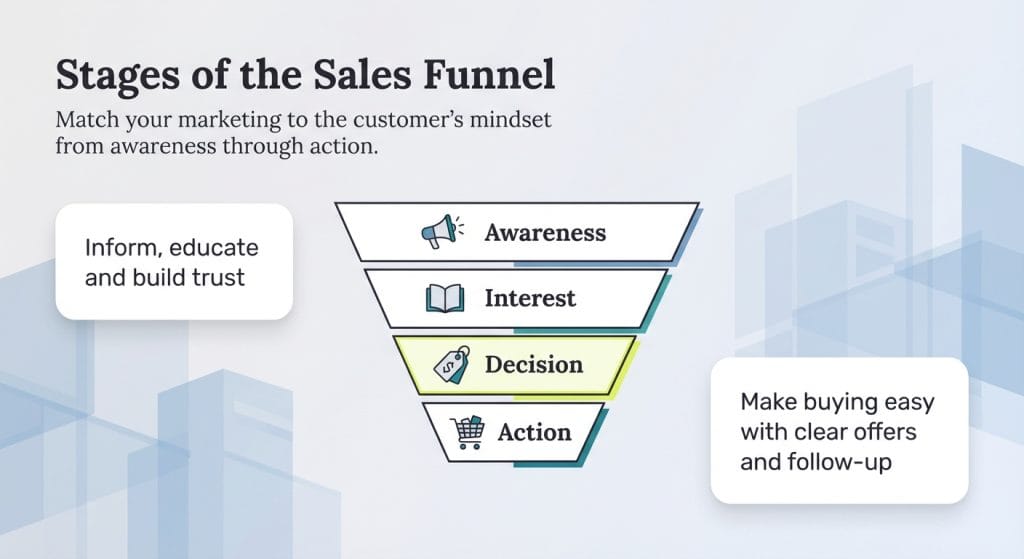
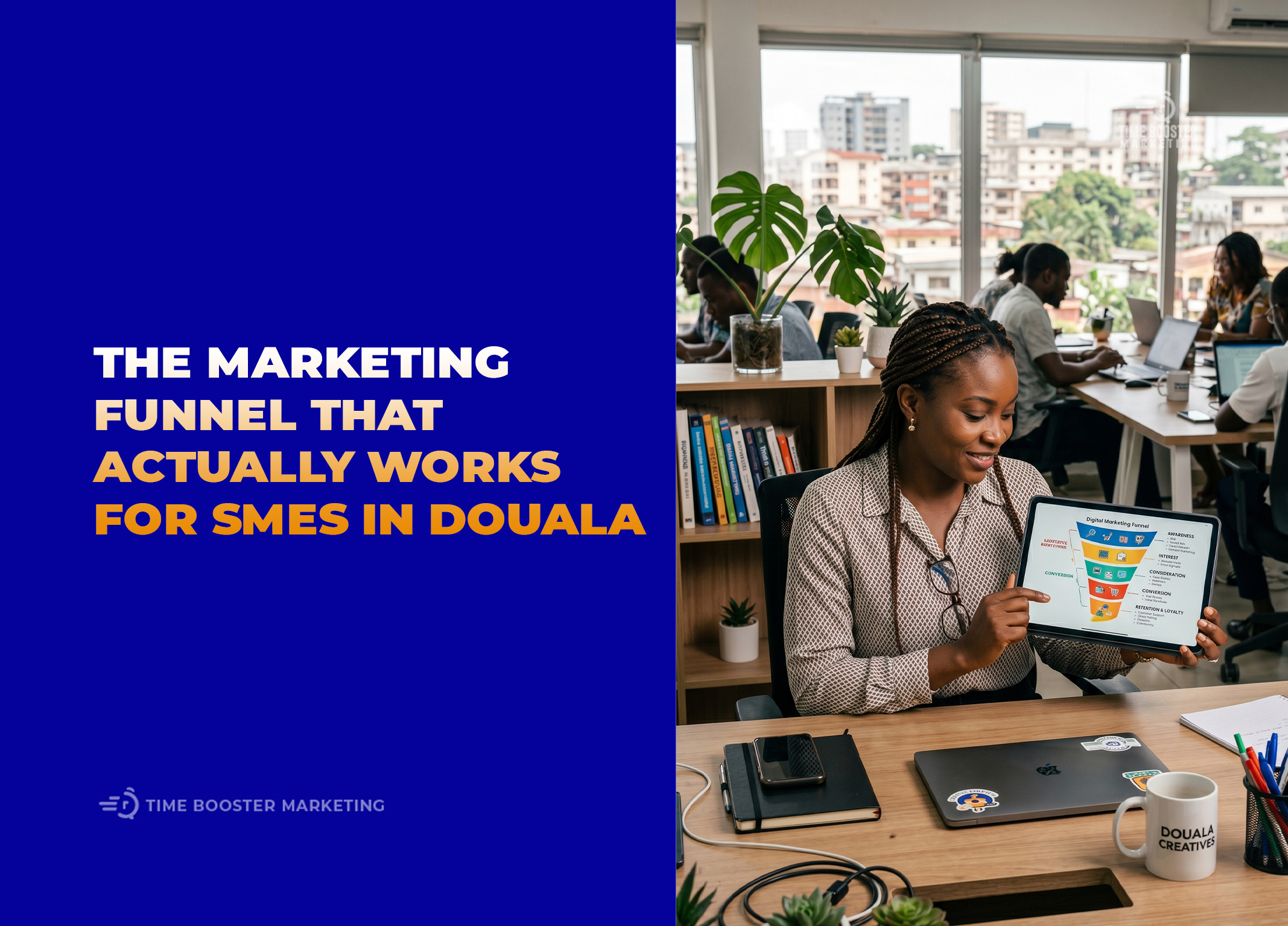
If you run a small business in Douala, you have probably seen marketing funnel diagrams that look impressive but feel completely disconnected from your reality.
They show neat stages like awareness, interest, desire, action, retention, loyalty, and advocacy. They assume customers move smoothly from one stage to the next. They assume your business has a content team, paid ads manager, CRM system, email automation, landing pages, sales scripts, and enough time to monitor every metric.
That may work for a corporate brand with a full marketing department. It does not automatically work for a small business owner in Akwa, Bonamoussadi, Bali, Makepe, Deido, Bonaberi, or Logbessou trying to manage customers, suppliers, staff, cash flow, deliveries, social media messages, and daily operations at the same time.
The marketing funnel Douala small business owners need is simpler, more trust-driven, and more practical. It must reflect how people in your market actually buy.
Your customer may see your Instagram post today, ask a friend about you next week, check your WhatsApp status, compare your price with two other vendors, delay because of cash flow, come back after payday, ask three more questions, and only then decide to buy.
That is still a funnel. It is just not the clean corporate version.
For a small business in Douala, the funnel you need is not “awareness to purchase” in one straight line. It is:
Awareness → Trust → Conversation → Conversion
That extra trust and conversation layer is where many local businesses either win the sale or lose it.
Why Most Marketing Funnel Templates Do Not Fit Small Businesses in Douala
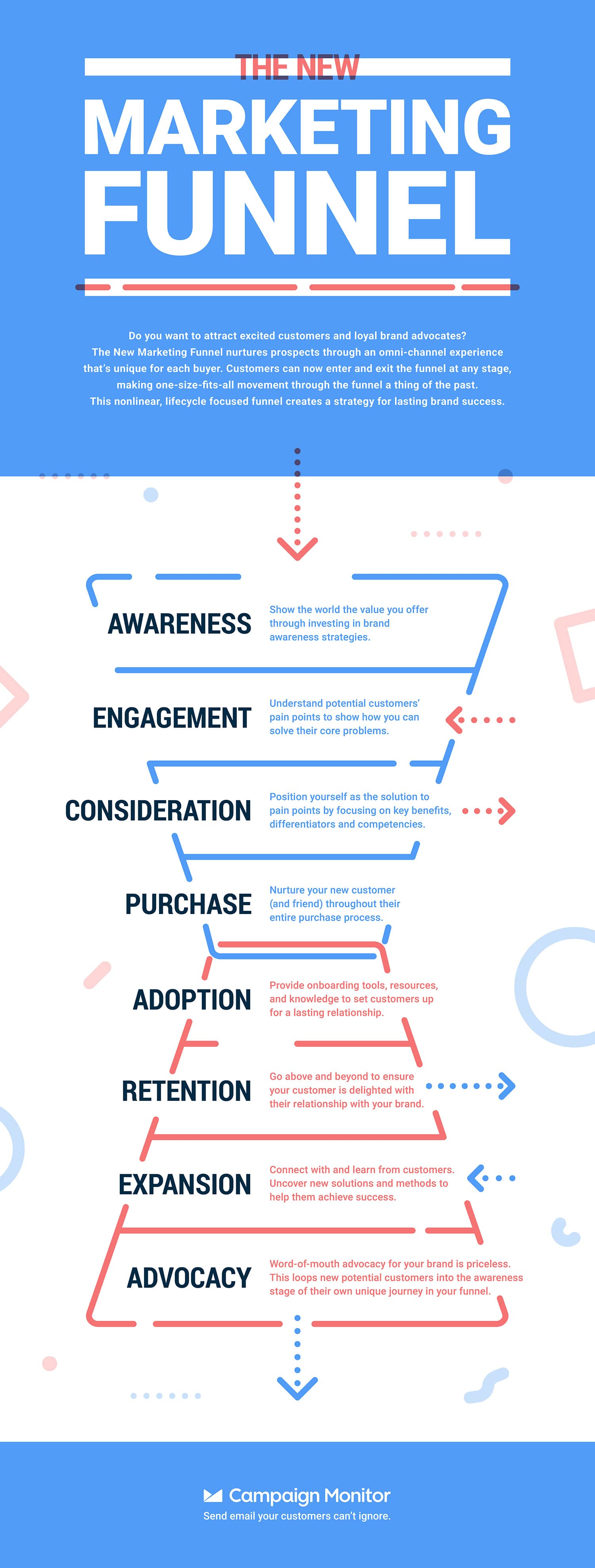
Most funnel templates were designed for markets where digital buying behavior is more predictable. A potential customer sees an ad, clicks a link, reads a landing page, enters an email, receives automated follow-ups, and buys online.
That model assumes several things.
It assumes customers are comfortable paying online. It assumes they trust business websites. It assumes they are used to structured email follow-up. It assumes the business can afford software tools, paid traffic, retargeting campaigns, and professional copywriting.
Many small businesses in Douala operate in a different environment.
Your customers may prefer to ask questions through WhatsApp before buying. They may want proof that other people have bought from you. They may be more persuaded by a referral than by a polished website. They may not trust a business simply because it has a logo and an Instagram page. They may want to know if you are reliable, responsive, reachable, and real.
That means your funnel cannot depend only on visibility. Being seen is not enough.
A customer can know your business exists and still not buy because they are unsure whether you will deliver, whether the quality matches the promise, whether the price is fair, or whether you will disappear after payment.
This is why many Douala small businesses struggle even when they post regularly. They are creating awareness, but they are not building enough trust to move people toward action.
The Real Problem Is Not Always Lack of Leads
When a small business says, “I need more customers,” the immediate assumption is often that the business needs more leads.
Sometimes that is true. But often, the deeper issue is that the business is leaking potential customers between awareness and conversion.
People see your posts but do not understand why they should choose you.
They ask for prices but do not receive a strong enough explanation of value.
They save your number but forget to follow up.
They like your content but do not feel enough urgency to buy.
They trust your product but are unsure whether now is the right time.
They message you once, get a slow response, and move to a competitor.
In other words, your funnel may not be failing because nobody is interested. It may be failing because there is no structured path from interest to trust to decision.
A strong digital marketing funnel for a Douala small business should not simply attract attention. It should help a cautious customer become confident enough to buy.
The Funnel Douala Small Businesses Actually Need
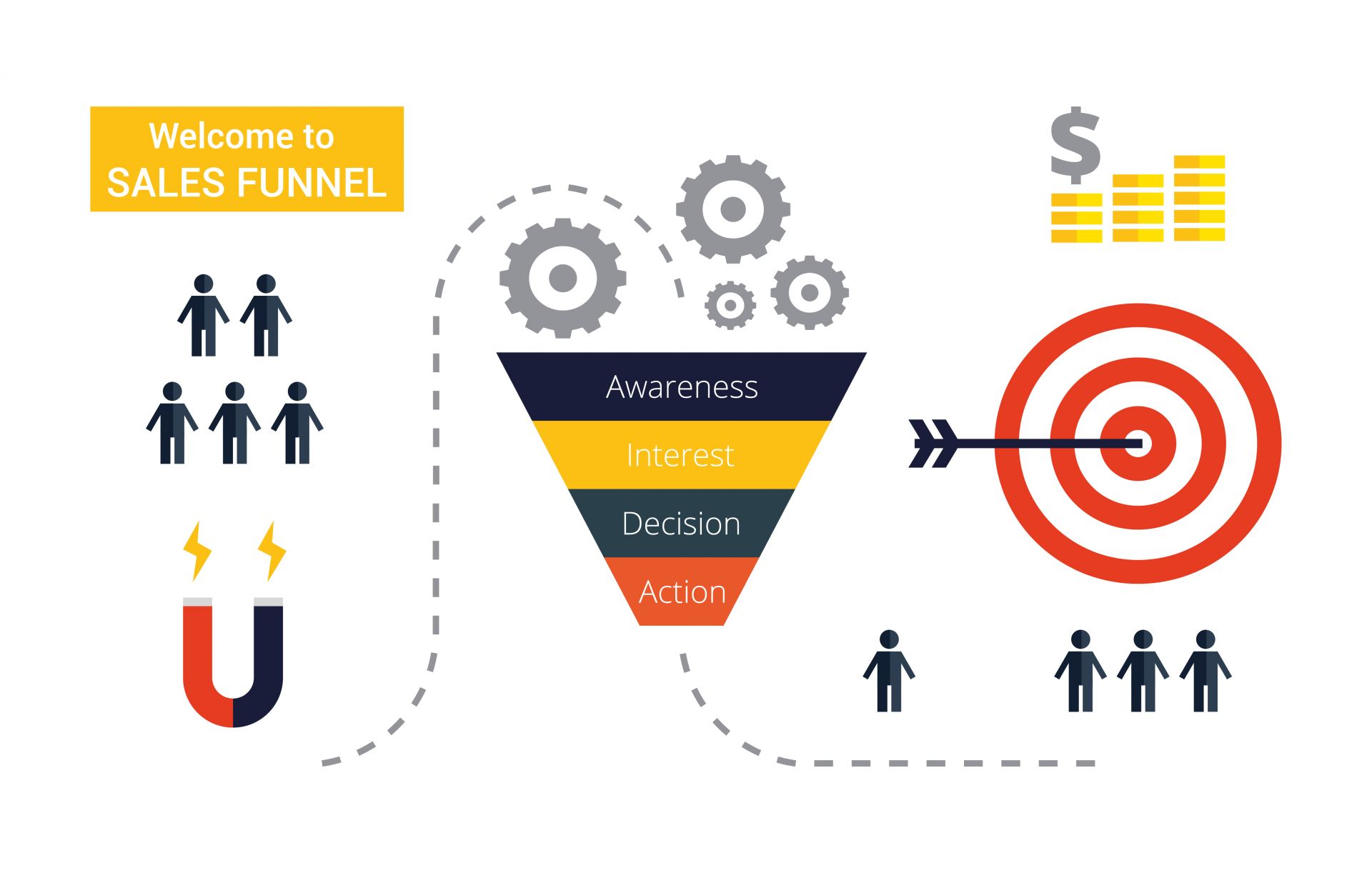
The simplest useful funnel for most small businesses in Douala has four stages:
- Visibility
- Trust
- Conversation
- Conversion
This model is practical because it matches how many local buying decisions happen. Customers do not always move from a Facebook post directly to payment. They observe, compare, ask, delay, return, and then decide.
Your job is to design each stage intentionally instead of hoping that posting more will magically create sales.
Stage 1: Visibility — Make the Right People Aware You Exist
Visibility is the first stage of your funnel. This is where potential customers first encounter your business.
For a small business in Douala, visibility can come from many places: Instagram posts, Facebook Marketplace, TikTok videos, WhatsApp status, Google Business Profile, referrals, flyers, events, signage, partnerships, or word of mouth.
The mistake many businesses make is treating visibility as the whole funnel.
They post product photos, add prices, use hashtags, and wait for sales. But visibility only answers one question: “Do people know you exist?”
That is important, but it is not enough.
At this stage, your content must clearly communicate three things:
What You Sell
Your audience should understand your offer quickly. If you sell skincare, catering, logistics, fashion, training, interior decor, consulting, cleaning services, beauty services, or tech support, your content should make that obvious without forcing people to guess.
Many small businesses lose potential customers because their pages are visually active but strategically unclear. They post often, but a new visitor cannot immediately understand what the business does, who it serves, where it operates, or how to buy.
Your visibility content should remove confusion.
Who It Is For
A good funnel does not attract everyone. It attracts the right people.
If you provide catering for office lunches in Bonanjo, say that. If you sell ready-to-wear outfits for young professional women in Douala, say that. If you offer accounting support for small businesses, say that. If your delivery service helps online vendors move goods across the city, say that.
Specificity makes your marketing stronger because customers recognize themselves in your message.
Why It Matters Now
Visibility content should connect your offer to a real problem or desire.
Do not only show the product. Explain the situation where the product becomes valuable.
For example, a food business should not only post a tray of food. It can speak to the busy worker who needs reliable lunch delivery during a packed day. A fashion brand should not only show a dress. It can speak to the woman who wants to look polished at an event without spending days searching through boutiques.
This is how visibility becomes relevant instead of random.
Stage 2: Trust — The Most Important Stage for Cameroon SMEs
For many Cameroon SMEs, trust is the stage that determines whether marketing becomes revenue.
In Douala, customers are often careful. They may have had bad experiences with poor delivery, inconsistent quality, fake pages, exaggerated claims, unresponsive vendors, or businesses that disappear after payment. Even when they like what you sell, they may need reassurance before they commit.
This does not mean customers are difficult. It means they are protecting themselves.
Your funnel must respect that.
A longer trust stage is not a weakness in the market. It is a reality you can design for.
Why Trust Takes Longer
Trust takes longer because small business buying decisions often involve personal risk.
If a customer orders from a food vendor and the food arrives late, their lunch break is affected. If they pay a fashion designer and the outfit is not ready on time, their event is affected. If they hire a service provider and the work is poor, they lose money and time. If they recommend your business to someone else and you disappoint them, their own reputation is affected.
That is why proof matters.
People want to know: Can you deliver what you promise? Have others bought from you? Are you consistent? Are you reachable? Do you understand their needs? Will you handle problems professionally?
Your marketing funnel must answer these questions before the customer has to ask them.
What Builds Trust in a Douala Marketing Funnel?
Trust is built through repeated signals.
These signals can be simple, but they must be consistent.
Customer testimonials help because they show that real people have already trusted you. Behind-the-scenes content helps because it makes your business feel transparent and active. Clear pricing guidance helps because it reduces uncertainty. Delivery updates help because they show operational reliability. Educational content helps because it proves expertise. A complete Google Business Profile helps because customers can find your location, hours, reviews, and contact information in a more structured way.
If your business depends heavily on local discovery, maintaining an accurate business presence through tools like Google Business Profile can support trust because customers often want to verify that a business is real before contacting it.
But trust is not only built through platforms. It is built through behavior.
If you respond professionally, explain clearly, follow up respectfully, and deliver consistently, your funnel becomes stronger at every stage.
Stage 3: Conversation — Where Interest Becomes Serious
In many corporate funnel models, the customer moves from a landing page to a checkout page. In Douala, the path often goes through conversation.
That conversation may happen on WhatsApp, Messenger, Instagram DM, phone call, or in person. This is where many small businesses either convert the customer or lose them.
A customer who messages you is not always ready to buy immediately. Sometimes they are comparing options. Sometimes they are checking if you are serious. Sometimes they need help choosing. Sometimes they are testing your responsiveness. Sometimes they are interested but unsure about timing, price, delivery, or quality.
Your conversation stage must be structured.
Do Not Treat Every Inquiry as “Just Asking Price”
One of the most common mistakes small businesses make is giving short, transactional replies.
Customer: “How much?”
Business: “15,000.”
That answer may be accurate, but it does not sell.
A stronger response gives price and context.
For example:
“The standard package is 15,000 FCFA. It includes [specific benefit], and it works best if you need [specific use case]. If you want, I can also show you the difference between this and the premium option so you choose what fits your budget.”
This kind of reply does three things. It answers the question. It explains value. It keeps the conversation open.
The goal is not to pressure the customer. The goal is to help them make a confident decision.
Create Saved Replies for Common Questions
If you receive the same questions every week, your funnel needs prepared responses.
You can create saved replies for:
- Prices
- Delivery areas
- Payment options
- Product availability
- Service packages
- Booking process
- Timelines
- Refund or exchange policy
- What makes your offer different
- How to choose the right option
This saves time and improves consistency. It also prevents you from sounding rushed or unclear when a serious buyer contacts you during a busy day.
For many Douala small businesses, the conversation stage is the real sales page. If you do not have a website, your WhatsApp chat becomes your landing page. If you do not have automated email sequences, your follow-up messages become your nurture sequence.
That means your messages must be intentional.
Stage 4: Conversion — Make the Buying Step Clear and Low-Friction
Conversion is the point where the customer takes action: places an order, books an appointment, pays a deposit, visits your shop, signs a contract, or confirms delivery.
Many small businesses lose sales at this stage because the next step is unclear.
A customer may be convinced but still not know exactly what to do.
Should they call? Send mobile money? Visit the shop? Fill a form? Choose a delivery time? Pay before delivery? Send measurements? Confirm with a screenshot? Book two days in advance?
If the buying process feels confusing, the customer may delay. Delay often turns into silence.
Your Conversion Step Must Be Specific
Every offer should have one clear next step.
Instead of saying, “DM to order,” be more specific.
Say:
“To order, send us your name, location, preferred option, and delivery time on WhatsApp. We will confirm availability and payment details before dispatch.”
Or:
“To book your consultation, choose a date, pay a 50% deposit, and send proof of payment. Your booking is confirmed once you receive our confirmation message.”
Specific instructions reduce hesitation. They also make your business look organized.
Reduce Risk at the Point of Purchase
If customers are cautious, your conversion process should reduce perceived risk.
You can do this by showing clear policies, confirming details before payment, sending receipts, sharing delivery updates, explaining timelines, and being transparent about what is included.
Risk reduction is especially important for service businesses. If you sell consulting, training, event planning, beauty services, logistics, repairs, or design work, customers may not fully understand what they are paying for. Your job is to make the value visible before they commit.
A good conversion process makes the customer feel guided, not trapped.
A Simple 4-Step Funnel Template to Steal Today
Here is a practical funnel template you can apply immediately, even if you do not have a large budget.
Step 1: Create Visibility Content That Names the Problem
Post content that helps the right customer recognize their need.
Instead of only posting what you sell, post about the problem your offer solves.
Examples:
- “If your lunch break is too short to search for food every day, here is how our office lunch delivery works.”
- “If you need an outfit for an event but do not want last-minute tailor stress, here is our ready-to-wear process.”
- “If your small business records are scattered across notebooks and WhatsApp chats, here is what organized bookkeeping can change.”
- “If your customers keep asking the same questions before buying, your business may need a simple sales funnel.”
This type of content creates awareness with relevance. It does not simply say, “We exist.” It says, “We understand your situation.”
Step 2: Add Trust Content That Proves You Can Deliver
For every visibility post, create trust-building content.
This can include:
- Customer reviews
- Before-and-after examples
- Short case studies
- Process videos
- Delivery proof
- Screenshots of positive feedback, with private details removed
- Explanations of how your service works
- Answers to common objections
- Founder or team introductions
- Quality control steps
Trust content should answer the silent question in the customer’s mind: “Can I rely on this business?”
If you only post promotional content, your audience may understand what you sell but still feel unsure. Trust content closes that gap.
Step 3: Use Conversation Prompts That Invite Serious Buyers
Your content should make it easy for interested people to start a conversation.
Instead of ending every post with “DM us,” use prompts that guide the customer.
Examples:
- “Send ‘MENU’ on WhatsApp and we will send today’s options.”
- “Message ‘PRICE LIST’ if you want the full package breakdown.”
- “Send your location and we will confirm delivery availability.”
- “Tell us your event date and budget, and we will recommend the best option.”
- “Send ‘AUDIT’ if you want us to review your current funnel.”
These prompts work because they reduce effort. The customer does not have to think of what to say. You give them an easy first message.
This is especially useful for customers who are interested but not yet confident enough to ask detailed questions.
Step 4: Follow Up With a Clear Buying Path
Follow-up is one of the most underused sales funnel steps for small businesses.
Many customers do not buy immediately. That does not always mean they are not interested. They may be busy, waiting for salary, comparing options, discussing with a spouse or colleague, or simply needing a reminder.
A simple follow-up can recover sales that would otherwise disappear.
For example:
“Hello [Name], just checking if you still need help with [product/service]. We still have availability for [specific date/offer]. I can send the options again if you would like to compare.”
Or:
“Hi [Name], you asked about [service] earlier. If you are still planning for it, the next step is simple: choose your package, confirm your date, and we reserve your slot after deposit.”
The best follow-ups are helpful, not desperate. They remind the customer of the value and clarify the next step.
What This Funnel Looks Like in Practice
Imagine you run a small catering business in Douala.
A weak funnel looks like this:
You post food pictures every day. People like the photos. Some ask for prices. You reply. A few order. Many disappear.
A stronger funnel looks like this:
You post about the problem: busy workers needing reliable lunch delivery. You show the menu clearly. You share customer feedback. You explain delivery zones and ordering times. You post behind-the-scenes preparation clips. You invite people to send “MENU” on WhatsApp. When they message, you send a clear menu, price, delivery details, and payment instructions. If they do not order, you follow up before lunch the next day.
That is a funnel.
It is not complicated, but it is structured.
Now imagine you run a beauty service.
A weak funnel looks like this:
You post finished looks and wait for bookings.
A stronger funnel looks like this:
You post common beauty problems before events. You explain your booking process. You show client transformations. You share hygiene practices. You answer questions about duration, pricing, and maintenance. You invite customers to send their event date. You confirm availability, explain deposit requirements, and send reminders before the appointment.
Again, that is a funnel.
The point is not to copy a corporate model. The point is to guide the customer from curiosity to confidence to action.
How to Know If Your Funnel Is Broken
Your funnel may need improvement if you recognize any of these patterns:
- People like your posts but rarely message.
- People ask for prices but do not buy.
- Customers say they will get back to you and disappear.
- You keep repeating the same explanations manually.
- New visitors do not quickly understand what you sell.
- Your page has no testimonials or proof.
- Your WhatsApp conversations are unstructured.
- Your buying process changes from customer to customer.
- You depend only on referrals and do not capture new demand.
- You post often but cannot explain which content creates sales.
These are not just content problems. They are funnel problems.
A good funnel helps you see where customers are dropping off. If people see your content but do not message, your visibility content may not be relevant enough. If they message but do not buy, your trust or conversation stage may be weak. If they agree but do not pay, your conversion step may be unclear or too risky.
Once you identify the weak stage, you can fix the right problem instead of randomly posting more.
Your Funnel Does Not Need to Be Complicated to Work
A marketing funnel for a Douala small business does not need expensive software at the beginning.
You can start with:
- A clear Instagram or Facebook profile
- A complete WhatsApp Business profile
- A simple offer description
- Testimonials and proof
- Saved replies
- A clear ordering process
- A basic follow-up routine
- A Google Business Profile if customers search locally
- A simple spreadsheet to track inquiries and conversions
The goal is not to look like a big corporation. The goal is to create a buying journey that feels clear, credible, and easy for your customer.
As your business grows, you can add more advanced tools: landing pages, email marketing, CRM systems, retargeting ads, analytics dashboards, and automated workflows. But those tools should support your funnel, not replace the fundamentals.
If your message is unclear, automation will only spread confusion faster. If your offer is weak, paid ads will only make more people ignore it. If your trust stage is missing, more visibility may create more inquiries but not more sales.
Build the foundation first.
The Best Funnel Strategy for 2026 Is Trust-Led
In 2026, small businesses in Douala will face more competition online. More vendors will post. More service providers will advertise. More customers will compare before buying. Artificial intelligence tools may make content creation easier, but they will also make generic marketing more common.
That means trust will become even more valuable.
Your advantage will not come only from posting more. It will come from communicating more clearly, proving your value more consistently, and making the buying process easier than your competitors do.
A trust-led funnel helps you do that.
It respects the way your customers make decisions. It gives them enough information to feel confident. It uses conversation as a strength instead of treating it as an inconvenience. It turns WhatsApp, referrals, testimonials, and local credibility into structured marketing assets.
For a small business in Douala, the right funnel is not the most complex one. It is the one your customer can actually move through.
Final Thoughts
The marketing funnel Douala small business owners need is not a corporate diagram copied from a foreign playbook. It is a practical system built around local buying behavior, limited time, real customer hesitation, and the trust required to turn attention into revenue.
Start with visibility, but do not stop there. Build trust deliberately. Treat conversations as part of your sales process. Make conversion simple, clear, and low-risk.
If you can guide a customer from “I have seen this business” to “I trust this business” to “I know what to do next,” your funnel is already stronger than most.
That is the funnel your small business actually needs.