Customer Education Marketing in Cameroon: Why Local Businesses Must Teach Before They Sell
A customer asks for your price. You respond immediately. They read the message, say “Okay,” and disappear.
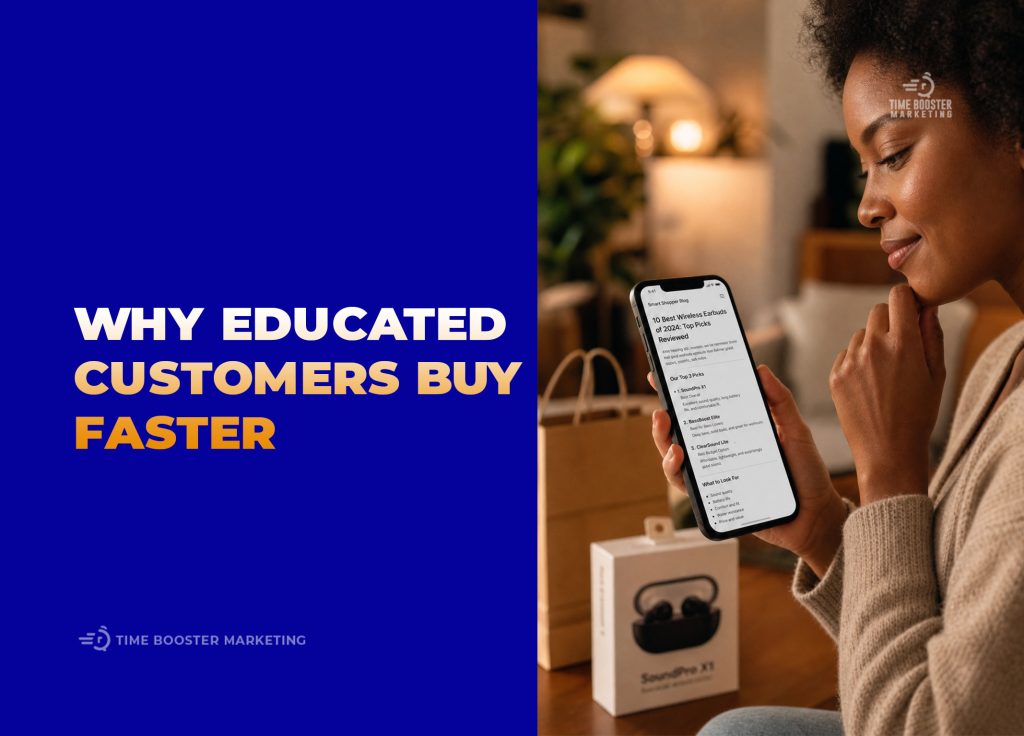
The usual conclusion is that the customer found the price too high. Sometimes that is true. But in many cases, the real problem appeared before the price was mentioned: the customer did not understand enough about the offer to believe that buying it was a sensible decision.
They may not understand what is included, how your service works, why your product is different, how long the process takes, or what protection they have if something goes wrong. When these questions remain unanswered, the customer does not see a clear purchase. They see uncertainty.
That is why customer education marketing in Cameroon should not be treated as an optional content strategy. For many local businesses, it is the missing bridge between customer attention and customer action.
Confused Customers Usually Delay Instead of Buying
Most customers will not openly say, “I do not understand your offer.”
They ask for the price, promise to return, consult a friend, compare several businesses, or stop responding. Their silence may look like rejection, but it is often unresolved confusion.
Buying requires the customer to answer several internal questions:
- Is this the right solution for my problem?
- Can I trust this business?
- What exactly will I receive?
- Why does it cost this amount?
- What could go wrong?
- What must I do next?
When your marketing answers only “What do we sell?” it leaves the customer to solve the remaining questions alone. The more effort required to understand the offer, the easier it becomes to postpone the decision.
Research summarized by Harvard Business Review shows that people who feel more certain about their beliefs are more likely to act on them. In commercial terms, education increases the customer’s decision certainty: “I understand this, I believe it fits my situation, and I know what will happen after I pay.” (Harvard Business Review)
Customer Education Is Not the Same as Giving More Information
Businesses often respond to customer confusion by posting more frequently. But more content does not automatically create more understanding.
A boutique can publish twenty photographs without explaining fabric quality, sizing, delivery conditions, or how customers should choose between two products. A real estate company can post multiple properties without teaching buyers how documentation, inspections, agency fees, or payment stages work.
Customer education is deliberate. It organizes information around the questions a buyer must resolve before making a confident decision.
Effective educational content helps the customer understand:
- The problem they are experiencing.
- The possible solutions available.
- The differences between those solutions.
- The process your business follows.
- The result they can reasonably expect.
- The risks, limitations, and responsibilities involved.
- The next step required to purchase.
This makes education commercially useful. You are not publishing information simply to appear knowledgeable. You are removing the specific uncertainties that prevent a customer from moving forward.
Why Customer Education Matters in the Cameroonian Market

Digital visibility has increased, but visibility does not guarantee understanding
Cameroonian customers increasingly encounter businesses through search engines, social media, messaging applications, and online recommendations. According to DataReportal’s Digital 2026 report for Cameroon, the country had approximately 12.6 million internet users and 5.9 million social media user identities toward the end of 2025. (DataReportal – Global Digital Insights)
This creates more opportunities for discovery, but it also increases competition. Customers can see several businesses offering similar products within minutes. When offers appear identical, they usually compare the easiest visible factor: price.
Education changes the basis of comparison. Instead of allowing customers to compare “hair treatment versus hair treatment” or “apartment versus apartment,” you help them compare expertise, process quality, suitability, materials, guarantees, and expected outcomes.
Trust must often be established before the transaction
For an unfamiliar local business, the customer may worry about counterfeit products, poor workmanship, hidden fees, missed deadlines, misleading photographs, or weak after-sales support.
Promotional claims such as “best quality,” “premium service,” and “trusted brand” do little to resolve those concerns. Every competitor can make the same claims.
Educational content demonstrates trustworthiness more convincingly because it shows how your business thinks and operates. Broader consumer research from Think with Google found that trust plays an important role in brand choice and that consumers respond positively to trustworthy information. While the study is not Cameroon-specific, the underlying lesson is relevant: clarity is a practical trust signal. (Google)
A caterer who explains portion calculations, menu limitations, payment stages, and delivery conditions appears more dependable than one who posts attractive meals without explaining how orders are managed.
Customers may rely on friends to interpret unclear offers
Referral culture can help a local business grow, but it becomes risky when customers must depend on third parties to understand the offer.
A friend may misunderstand your pricing, exaggerate your promises, or recommend a cheaper option without understanding the difference in quality. By publishing clear educational material, you give customers accurate information they can review and share.
Your content also strengthens referrals. A satisfied customer can forward a concise WhatsApp guide, service explainer, menu breakdown, or frequently asked questions document instead of attempting to explain everything from memory.
How Customer Education Supports Sales

It makes pricing easier to understand
Customers do not evaluate price in isolation. They evaluate price against what they believe they will receive.
Consider a photographer advertising a wedding package for FCFA 350,000. Without context, the figure may appear expensive. But the perception changes when the photographer explains that the package includes planning consultation, two photographers, eight hours of coverage, professional editing, an online gallery, a printed album, transportation within a defined area, and delivery within a stated period.
The price has not changed. The customer’s understanding of the value has.
It answers objections before the sales conversation
Your team probably receives the same questions repeatedly:
“Is delivery included?”
“How long will it take?”
“Is the consultation refundable?”
“Can I pay in instalments?”
“What happens if I cancel?”
Each repeated question is evidence of missing educational content. Turn those questions into WhatsApp response templates, pinned Instagram posts, short videos, website FAQs, brochures, or in-store notices.
This allows sales conversations to focus on the customer’s specific situation instead of repeating basic explanations.
It filters poorly matched enquiries
Education does not convince every prospect to buy, and it should not.
A clear explanation of price ranges, timelines, eligibility requirements, service boundaries, and customer responsibilities may cause some people to leave. That is useful when those prospects were unlikely to purchase or would have created conflict later.
Strong education attracts informed buyers while discouraging unrealistic expectations.
It reduces post-purchase disappointment
Customer education should continue after payment. Customers need to know how to prepare, use the product, maintain results, submit information, or access support.
The World Bank’s financial consumer protection guidance emphasizes that adequate information helps consumers make informed decisions and supports trust in formal services. The same principle applies beyond financial products: customers are more likely to use an offer correctly when expectations and responsibilities are explained clearly. (digitalfinance.worldbank.org)
A Five-Part Customer Education Framework
1. Teach customers to recognize the problem
Start with symptoms your audience already notices.
A gym might explain why exercising inconsistently without a progression plan produces limited results. A restaurant offering corporate catering might explain why guest numbers, serving style, menu variety, and event duration affect the final quotation.
Problem education helps customers recognize that they need more than the cheapest available option.
2. Explain the available choices
Do not present your offer as though no alternatives exist. Explain the differences between common options and identify who each option suits.
A skincare business could compare basic facials, acne-focused treatments, and chemical peels without claiming that one is universally superior. This helps the customer choose based on need instead of price alone.
3. Make your process visible
Show customers what happens before, during, and after the purchase.
For example:
Enquiry → consultation → quotation → deposit → preparation → service delivery → follow-up
Visible processes reduce the fear of unpleasant surprises. They also make the business appear organized.
4. Address risk directly
Create content about cancellations, refunds, guarantees, product authenticity, privacy, delays, revisions, documentation, and after-sales support.
Avoid hiding difficult conditions in small print. Customers are more likely to trust boundaries they can understand than vague promises that appear too good to be true.
The Edelman Trust Barometer’s brand research reinforces the strategic importance of trust between customers and the brands they use. Education supports that relationship when it is transparent, relevant, and consistent with the customer’s experience. (Edelman)
5. Give the customer one clear next step
Education should lead to action without becoming aggressive.
After explaining the offer, tell customers exactly what to do:
“Send your event date and expected guest count for an estimate.”
“Book an assessment before selecting a treatment.”
“Request the available size chart before paying.”
A clear next step converts understanding into movement.
How to Educate Customers Across Your Existing Channels
Create short, reusable materials:
- A “before you order” message.
- A price-and-inclusions card.
- A 60-second explanatory video.
- A voice note answering a common concern.
- A step-by-step ordering guide.
- Saved replies for frequently asked questions.
Keep each message focused on one decision. Do not send a new prospect ten long paragraphs at once.
Instagram and Facebook
Use educational carousels, reels, captions, and pinned posts. Suitable topics include:
- Three mistakes customers make before booking.
- What affects the final price.
- How to choose the right package.
- What happens after payment.
- What results are realistic.
- What your service does not include.
Make posts easy to scan. The Nielsen Norman Group’s guidance on web writing recommends concise, structured content with meaningful headings rather than dense blocks of text. (Nielsen Norman Group)
Flyers, storefronts, and physical locations
Offline education remains important. A customer standing outside your shop should quickly understand what you sell, who it is for, the main benefit, and how to begin.
Replace vague messages such as “Quality Services Available” with specific communication:
“Custom birthday cakes prepared with five days’ notice. Choose your size, flavour, design level, and delivery area.”
Specificity reduces the effort required to enquire.
Measure Whether Customer Education Is Working
Do not judge educational content only by likes and views. Track whether it improves buying behaviour.
Monitor:
- The percentage of enquiries that become purchases.
- The questions customers repeatedly ask.
- The time between first enquiry and payment.
- The number of unsuitable enquiries.
- Cancellations caused by misunderstood conditions.
- Sales conversations requiring repeated explanations.
- Customers who mention a guide, video, or post before buying.
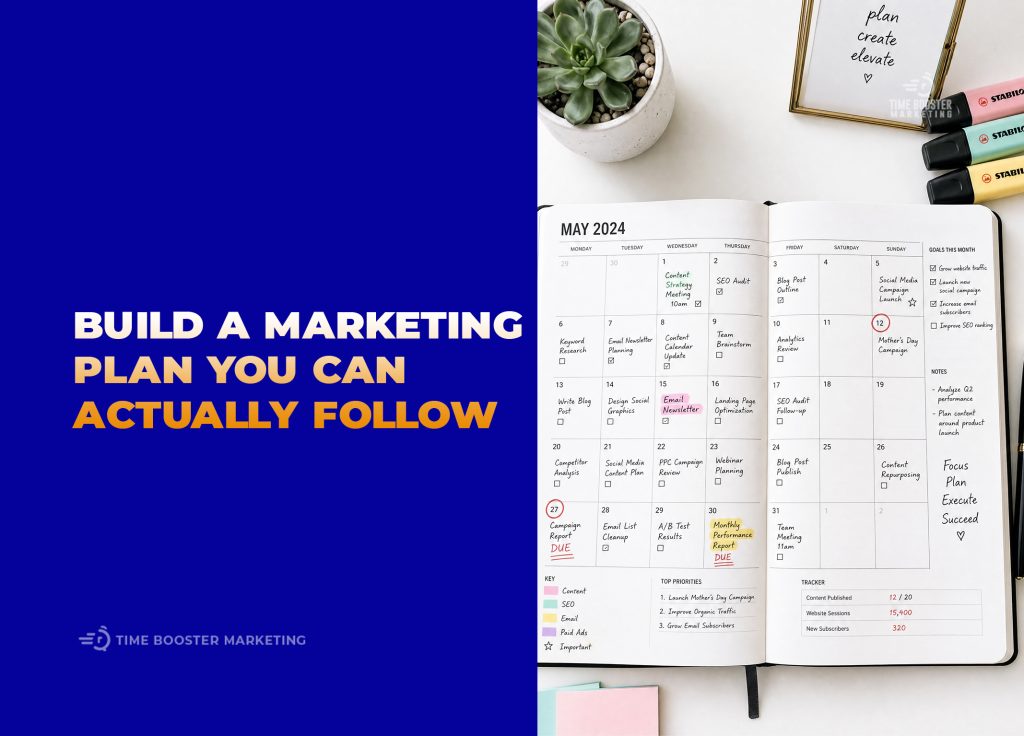
Review these patterns monthly. When the same objection continues appearing, create new content that addresses it directly.
Teach First, Then Make the Sale Easier
Local businesses in Cameroon do not always need louder promotion. Many need clearer explanation.
When customers understand the problem, the available choices, your process, your pricing, and the expected result, they can evaluate your offer with greater confidence. That confidence strengthens trust, improves the quality of enquiries, and allows the sales conversation to focus on fit rather than basic clarification.
Before increasing your advertising budget, examine the questions customers ask before disappearing. Those questions reveal where your marketing is failing to educate—and where your next sales opportunity may be hiding.