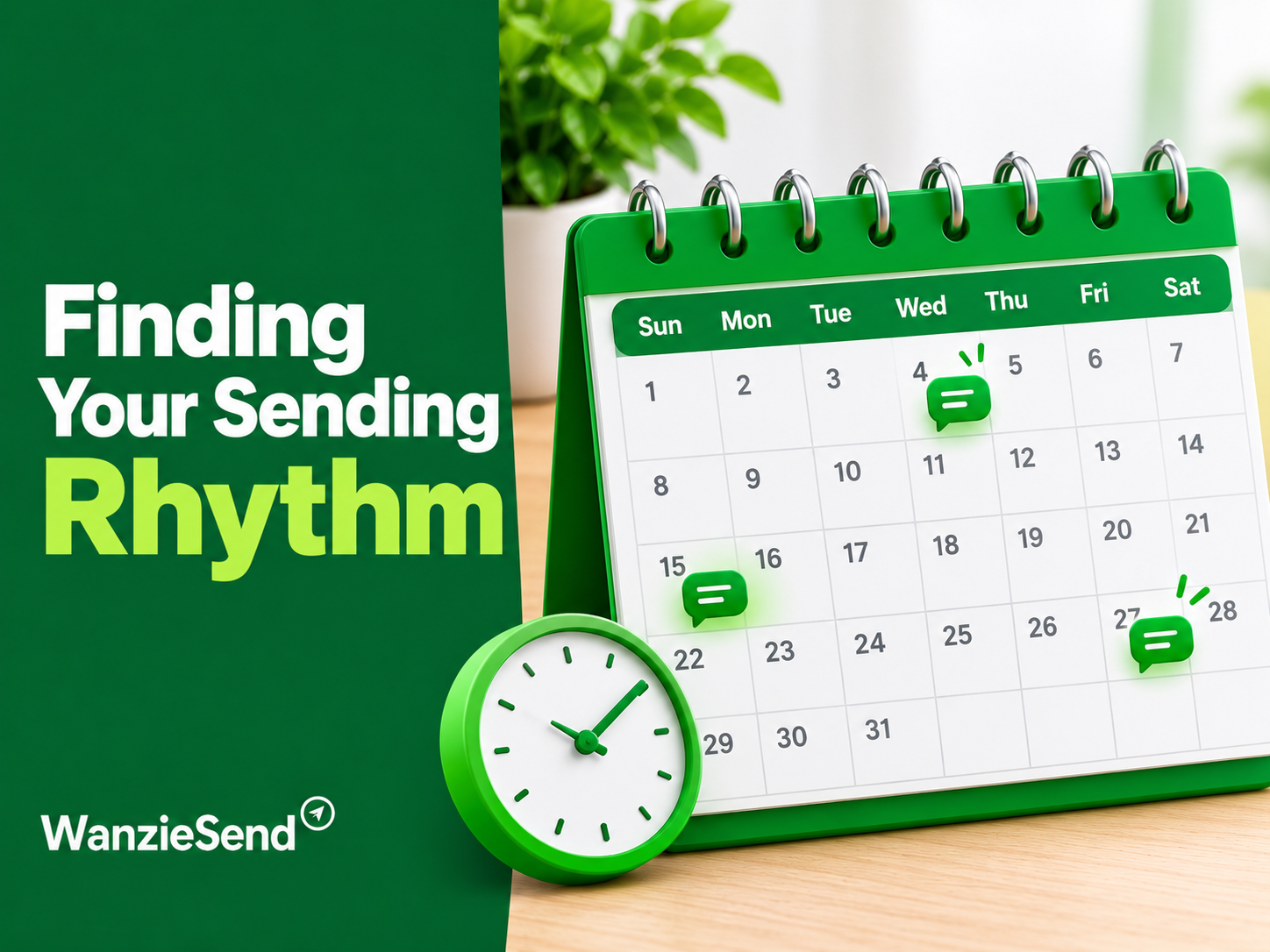
One of the biggest mistakes businesses make with WhatsApp marketing is confusing frequent communication with effective communication. Just because customers have agreed to receive messages does not mean they want to hear from your business every day.
Send too little, and customers may forget about your brand. Send too much, and they may mute, block, or unsubscribe from your messages.
Finding the right WhatsApp messaging frequency is therefore essential for maintaining customer relationships, protecting your business reputation, and getting better results from your campaigns.
So, how often should you message customers on WhatsApp? Let’s look at what businesses should consider.
1. Why Sending Too Many WhatsApp Messages Can Hurt Your Business
WhatsApp is a personal communication channel. Unlike traditional advertising, where people may scroll past promotional content, WhatsApp messages arrive in an environment customers typically use to communicate with friends, family, and businesses.
This makes relevance and timing particularly important.
When customers receive too many promotional messages, several things can happen:
- Message fatigue: Customers become overwhelmed by repeated offers and announcements.
- Lower engagement: Recipients begin ignoring messages because they no longer find them useful.
- Increased opt-outs: Customers may unsubscribe or ask the business to stop contacting them.
- Blocked business accounts: Recipients who feel overwhelmed may block or report the business.
- Reduced brand trust: Frequent, irrelevant communication can make a business appear intrusive.
A poor WhatsApp messaging frequency can gradually turn a useful marketing channel into a source of frustration.
The objective should not be to send as many messages as possible. It should be to send messages customers actually want to receive.
2. Match Your Messaging Frequency to Your Campaign Purpose
Not every WhatsApp message serves the same purpose. A promotional campaign should not necessarily follow the same schedule as an appointment reminder or an important customer update.
Your messaging frequency should reflect the type of communication you are sending.
Promotional messages
These include product announcements, discounts, seasonal offers, and special promotions.
Promotional messages should be spaced out and sent when there is a meaningful reason to contact customers. Avoid repeatedly sending the same offer simply to remain visible.
Educational messages
Businesses that share tips, tutorials, industry updates, and useful information can establish a consistent communication routine.
For example, a training academy might share one educational message every week to keep subscribers informed and engaged.
Transactional messages
These include order confirmations, payment notifications, delivery updates, and appointment reminders.
Their frequency should depend on the customer’s actual transaction or interaction. Customers generally expect relevant updates when they make a purchase or book a service.
Customer support messages
Support communication should be based on customer needs rather than a fixed promotional schedule.
If someone asks a question, respond appropriately and follow up when necessary. Avoid turning a support conversation into an unsolicited sales sequence.
Understanding these differences makes it easier to establish a WhatsApp messaging frequency that serves customers instead of overwhelming them.
3. Pay Attention to Engagement Signals
Your customers will often show you whether your messaging schedule is working.
Instead of choosing a frequency and assuming it is effective, monitor how people respond over time.
Here are some signals to watch:
Read rates: Are customers opening or reading your messages? A consistent decline may suggest that your content or sending frequency needs attention.
Replies: Are recipients responding, asking questions, or expressing interest? Meaningful conversations can indicate that your messages are relevant.
Clicks: If you share links to products, landing pages, or registration forms, monitor whether recipients are taking action.
Opt-outs: An increase in unsubscribe requests is an important warning that customers may be receiving too many messages or content that does not interest them.
Blocks and reports: These can indicate that recipients find your communication unwanted or irrelevant.
When evaluating WhatsApp messaging frequency, do not look at one metric in isolation. A high read rate does not automatically mean a campaign is successful if customers are not engaging or are increasingly opting out.
Use these signals to adjust your communication strategy.
4. A Simple WhatsApp Messaging Schedule to Start With
If you are unsure how often to contact your customers, begin with a manageable schedule and test the results.
Here is a practical starting point for promotional and educational communication:
| Message Type | Suggested Starting Frequency |
|---|---|
| Promotional offers | 1–2 times per week |
| Educational content | Once per week |
| Product or service updates | When there is meaningful news |
| Customer engagement messages | Once every 1–2 weeks |
| Transactional notifications | When relevant to the customer’s activity |
These are starting suggestions, not universal WhatsApp limits or guaranteed optimal frequencies.
For some businesses, one promotional message per week may be sufficient. Others may communicate more frequently when customers have explicitly opted into a relevant series of updates.
The important thing is to test your WhatsApp messaging frequency against actual customer behaviour.
Start with a schedule that gives customers enough breathing room. Then adjust based on engagement, feedback, and opt-out rates.
5. Segment Your Audience Instead of Messaging Everyone
One way to reduce message fatigue is to stop treating your entire contact list as one audience.
Different customers have different interests, needs, and purchasing intentions.
For example:
- New leads may need introductory information about your products or services.
- Existing customers may benefit from product updates and relevant offers.
- Inactive customers may need a carefully planned re-engagement message.
- Repeat buyers may appreciate exclusive offers or loyalty rewards.
Segmenting your audience allows you to send fewer, more relevant messages.
It also helps prevent customers from receiving multiple campaigns that communicate essentially the same information.
A well-planned WhatsApp messaging frequency should consider not only how often your business sends messages, but also how often each individual customer receives them across different campaigns.
6. Give Customers Control Over Communication
A healthy WhatsApp marketing strategy should respect customer preferences.
Make it easy for customers to understand what they are signing up for and how they can stop receiving promotional messages.
You can also ask customers which types of updates they prefer and how frequently they would like to hear from your business.
For example, some customers may want weekly product updates, while others may only be interested in major announcements and special offers.
Respecting these preferences helps build trust and makes your communication more relevant.
There is no single messaging schedule that works for every business. The right frequency depends on your audience, the type of communication, and how customers respond.
However, one principle remains important: relevance matters more than volume.
A business that sends two useful messages a week may achieve better customer engagement than one that sends daily promotions without considering its audience.
Start with a manageable schedule, monitor engagement, pay attention to opt-outs, and adjust your WhatsApp messaging frequency as you learn more about your customers.
With WanzieSend, businesses can organize their WhatsApp campaigns and manage customer communication more effectively. Use your campaign insights to understand what works, maintain a consistent sending routine, and deliver messages that provide value.
Want to make your WhatsApp marketing more effective? Explore WanzieSend and build a messaging strategy that keeps your customers informed without overwhelming them.
Contact Time Booster Marketing at info@timeboostermarketing.com to learn more.