


Advertising has always been a mirror to society, reflecting our values, aspirations, and, unfortunately, our prejudices. For over a century, the use of stereotypes in advertising has been a common practice, a shorthand for marketers to communicate a message quickly. But this convenience comes at a high cost. These simplified and often inaccurate portrayals have shaped public perception, reinforced harmful biases, and left a lasting impact on how we see ourselves and others. Understanding this history is not just an academic exercise; it’s a crucial step toward building a more inclusive and equitable future.
This journey will take us through the evolution of advertising, from the blatant caricatures of the early 20th century to the more subtle, yet still damaging, tropes of today. We will explore how different groups have been represented, or misrepresented, and discuss the real-world consequences of these media portrayals. More importantly, we’ll look at the powerful shift happening right now, as brands and consumers alike demand authenticity and challenge the outdated narratives that have dominated for too long. This is the story of how advertising got it wrong, how it’s starting to get it right, and the work that still needs to be done.
The Dawn of Advertising: Where Stereotypes Took Root
To understand the present, we must first look to the past. The late 19th and early 20th centuries saw the birth of modern advertising. As mass production boomed, companies needed a way to sell their products to a wide audience. They turned to newspapers and magazines, using simple, bold imagery and text to capture attention. In this nascent industry, expediency often trumped nuance. Marketers relied on widely understood cultural symbols and, you guessed it, stereotypes.
These early ads were often shockingly overt in their use of racial and gender tropes. They were created in a society where discrimination was systemic and openly practiced, and the advertisements of the era reflected that reality. The goal was to create an instant connection with the target audience, which was predominantly white and male, by using imagery that reinforced their worldview.
Early Racial and Ethnic Caricatures
Some of the most egregious examples from this period involve the portrayal of Black Americans, Native Americans, and immigrants. Characters like Aunt Jemima and the Cream of Wheat chef were created to evoke a sense of nostalgic, Southern hospitality, but they did so by perpetuating the harmful “Mammy” and “Uncle” archetypes. These characters depicted Black people as subservient, jolly, and existing only to serve white families.
Similarly, Native Americans were often used to sell everything from tobacco to baking powder, frequently depicted as primitive caricatures or noble savages. These portrayals erased the diversity and reality of Indigenous cultures, reducing entire peoples to a simplistic marketing gimmick. These images weren’t just ads; they were powerful tools of cultural messaging that reinforced a social hierarchy and justified discriminatory practices.
The “Ideal” Woman and the “Provider” Man

Gender roles were also rigidly defined in early advertising. Women were almost exclusively shown in the domestic sphere. Their primary concerns, according to advertisers, were keeping a clean home, raising happy children, and looking beautiful for their husbands. Ads for cleaning products, kitchen appliances, and beauty creams targeted women by playing on their insecurities and societal expectations. The message was clear: your value is tied to your home and your appearance.
Men, on the other hand, were the providers and professionals. They were shown outside the home, in offices, driving cars, and making important decisions. They were depicted as strong, rational, and authoritative figures. This binary representation limited the perceived potential of both men and women, creating a narrow and restrictive vision of their roles in society. These early examples laid the groundwork for decades of stereotypes in advertising, establishing a formula that many brands would follow for years to come.
The Mid-20th Century: Television and the Suburban Dream
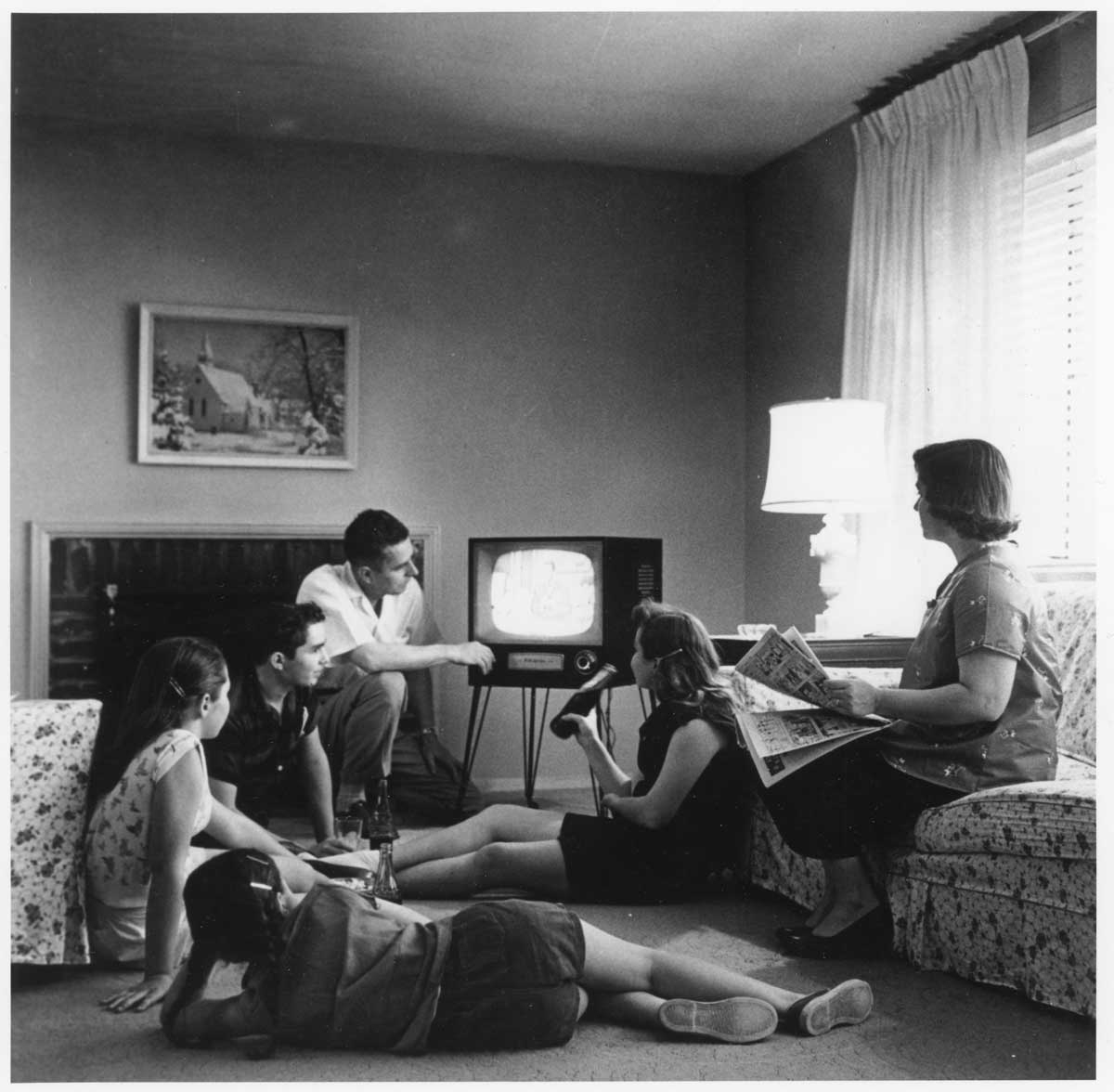
The post-World War II era brought about significant social and economic change. The rise of television transformed advertising, bringing moving, talking commercials directly into people’s living rooms. This was the age of the “suburban dream,” and advertising played a huge role in selling that ideal. However, the dream it sold was a very specific one, and it relied heavily on the gender and racial stereotypes established in previous decades.
The “nuclear family” became the central focus of countless commercials. In this idealized world, Dad went to work with his briefcase, Mom stayed home to happily manage the household with the latest appliances, and the children were well-behaved and carefree. This vision was not only a fantasy but an exclusionary one. It almost exclusively featured white, middle-class families, rendering everyone else invisible.
Perfecting the Domestic Goddess Trope
If you were to judge the 1950s and 60s solely by its commercials, you’d think a woman’s greatest joy was a sparkling floor or a whiter-than-white laundry load. Advertisements for companies like Hoover, Tide, and Folgers consistently showed women in a state of domestic bliss, their happiness directly linked to the product being sold.
One infamous ad for a Kenwood food mixer promised to make a wife’s life so much easier, with the tagline: “The Chef does everything but cook, that’s what wives are for!” This type of messaging wasn’t just selling a product; it was reinforcing the idea that a woman’s place was in the kitchen and her purpose was to serve her family. The psychological impact of this constant messaging was profound, creating immense pressure on women to conform to an often unattainable ideal.
The Problem with Ignoring Diversity
While white women were confined to the home, people of color were largely absent from this televised suburban paradise. When they did appear, it was often in the same subservient roles seen in early print ads. The lack of representation sent a powerful message: you are not part of this American dream.
The Kerner Commission Report, published in 1968 in response to civil unrest, directly criticized the media for its failure to represent Black Americans accurately and its role in perpetuating stereotypes in advertising and news. The report noted that the media “has not communicated to the majority of their audience, which is white, a sense of the degradation, misery, and hopelessness of living in the ghetto.” This invisibility in mainstream media contributed to a deep sense of alienation and misunderstanding between different racial groups.
The Winds of Change: Social Movements and Shifting Portrayals

The civil rights and feminist movements of the 1960s and 70s began to challenge the status quo, and the world of advertising could not remain immune. As societal attitudes started to shift, some brands cautiously began to feature more diverse and progressive representations. This era marked a turning point, where the blatant stereotypes of the past were no longer universally acceptable.
However, progress was slow and often superficial. While some ads broke new ground, many others simply found new, more subtle ways to perpetuate old biases. This period highlights the tension between advertising as a reflection of culture and advertising as a force that shapes it.
The Rise of the “Modern” Woman
One of the most notable shifts was in the portrayal of women. Responding to the feminist movement, some advertisers began to show women in professional roles, outside the home. Revlon’s “Charlie” perfume campaign from 1973 is a classic example. It featured a confident, pantsuit-wearing woman striding through the city, the epitome of the newly independent woman.
This was a significant departure from the domestic goddess trope. However, it also gave rise to a new stereotype: the “superwoman” who could effortlessly juggle a successful career, a perfect family, and still look glamorous. While seemingly progressive, this new ideal placed a different kind of pressure on women, suggesting they had to “do it all” to be considered successful. The focus remained heavily on appearance, just in a different context.
Breaking Color Barriers, One Ad at a Time
The 1970s and 80s also saw a slow increase in the visibility of people of color in mainstream advertising. A landmark moment came in 1968 with a Polaroid ad featuring an integrated group of friends. Coca-Cola’s iconic 1971 “Hilltop” ad, which featured a diverse multicultural group singing “I’d Like to Teach the World to Sing,” became a symbol of hope and unity.
These ads were revolutionary for their time. They represented a conscious effort by major brands to acknowledge a multicultural society. Yet, representation was often tokenistic. A single Black or Asian person might be added to a group to give the appearance of diversity without fundamentally changing the narrative. The complexities of different cultures were still largely ignored, and the stereotypes in advertising were often replaced by a sanitized, one-dimensional version of diversity.
Modern Advertising: Subtle Stereotypes and New Frontiers
In our current media-saturated landscape, the conversation around stereotypes has become more nuanced. The overtly racist and sexist ads of the past are now widely condemned. However, stereotypes have not disappeared; they have simply evolved. Today, they often manifest in more subtle ways, through casting choices, role depictions, and unspoken assumptions that still reinforce limiting beliefs.
At the same time, we are witnessing a powerful movement toward authentic and inclusive representation. The rise of social media has given consumers a direct line to brands, allowing them to call out harmful portrayals and demand change. This has led to some of the most inspiring and progressive advertising campaigns in history.
The Lingering Problem of Gender Stereotypes in Advertising
Despite the progress made, gender stereotypes remain pervasive. A 2019 study by the Geena Davis Institute on Gender in Media found that men are still shown in professional roles far more often than women. Conversely, women are disproportionately featured in domestic settings or in ads for cleaning and beauty products.
“Femvertising,” or advertising that carries pro-female messages, has become popular. Campaigns like Dove’s “Real Beauty” and Always’ “#LikeAGirl” have been lauded for challenging beauty standards and empowering women and girls. These campaigns show the power of advertising to be a force for good. However, critics point out that some brands engage in “woke-washing,” adopting feminist messaging for commercial gain without making substantive changes to their corporate practices.
The Complexities of Racial and Ethnic Representation Today
Representation of racial and ethnic minorities has improved significantly in terms of quantity, but the quality of that representation is still a major issue. Often, minority actors are cast in roles that play into what is known as “enlightened racism,” where stereotypical tropes are presented in a seemingly positive or humorous light, which can still be damaging.
For example, the “Magical Negro” trope, where a Black character exists solely to help the white protagonist, or the depiction of Asian Americans as tech-savvy prodigies, both limit individuals to one-dimensional roles. The challenge for modern advertisers is to move beyond tokenism and create characters that are fully realized human beings, whose race or ethnicity is just one part of their identity, not their defining characteristic.
Expanding the Conversation: Age, and Disability
The fight against stereotypes in advertising has also expanded to include other marginalized groups. Older adults are often depicted as frail, technologically inept, or stuck in the past. This ageism ignores the reality of a vibrant, active, and diverse senior population.
Similarly, people with disabilities have long been one of the most underrepresented groups in media. When they are shown, it is often through the lens of pity or inspiration porn, rather than as integrated and equal members of society. Brands like Microsoft and Tommy Hilfiger have made groundbreaking strides with campaigns featuring people with disabilities in empowering and authentic ways, showing that inclusive design and marketing go hand in hand.
The Lasting Impact: Why Challenging Stereotypes Matters
The consistent use of stereotypes in advertising is not harmless. These portrayals have real and lasting psychological and social consequences. They shape our beliefs, influence our behavior, and contribute to systemic inequalities.
- For Individuals: Constantly seeing a narrow and limiting version of your identity group can lead to lower self-esteem, limited aspirations, and stereotype threat, a phenomenon where people feel at risk of conforming to negative stereotypes about their social group.
- For Society: Stereotypes create and perpetuate prejudice. By oversimplifying complex human beings into one-dimensional characters, they foster an “us vs. them” mentality. This can lead to misunderstandings, discrimination, and social division.
- For Brands: In the short term, using stereotypes might seem like an easy marketing shortcut. But in the long run, it is a losing strategy. Today’s consumers, particularly younger generations, are savvy and socially conscious. They are loyal to brands that reflect their values and show a genuine commitment to diversity and inclusion. Brands that rely on outdated tropes risk alienating their audience and appearing out of touch.
The Way Forward: A Call for Authentic Representation
The history of stereotypes in advertising is a cautionary tale, but it is also a story of progress and potential. The shift towards inclusive marketing is not just a trend; it is a fundamental rethinking of the role and responsibility of advertising in our culture.
So, what can be done to continue this positive momentum?
- Demand Diversity Behind the Scenes: True change starts from within. Advertising agencies and corporate marketing departments need to be as diverse as the audiences they are trying to reach. When creative teams are made up of people from different backgrounds, they are less likely to rely on stereotypes and more likely to create authentic, nuanced work.
- Amplify Marginalized Voices: Brands should actively collaborate with creators, consultants, and community leaders from the groups they wish to represent. This ensures that portrayals are respectful, accurate, and created with, not just for, the community.
- Move Beyond Tokenism: Inclusive advertising is not about checking boxes. It’s about telling rich, human stories that reflect the true diversity of our world. It means featuring people from marginalized groups as main characters, not just background actors, and showing them in a wide variety of roles and situations.
- Embrace Nuance and Complexity: The antidote to a stereotype is a well-rounded character. Advertisers should strive to create portrayals that are specific, detailed, and human. A character’s identity should be a part of their story, not the entire story.
As a consumer, your voice and your choices matter. Support brands that are getting it right. Use social media to call out campaigns that rely on harmful stereotypes. Share and celebrate advertisements that you find to be inclusive and empowering. The conversation around stereotypes in advertising is ongoing, and we all have a role to play in writing the next chapter. Let’s work together to ensure that the mirror advertising holds up to society reflects a future that is diverse, equitable, and authentic for everyone.


