Who Is the Real Buyer for Your Douala Business?
The hardest truth in marketing is this: the more specific your audience, the more money you are likely to make.
That sounds uncomfortable at first.
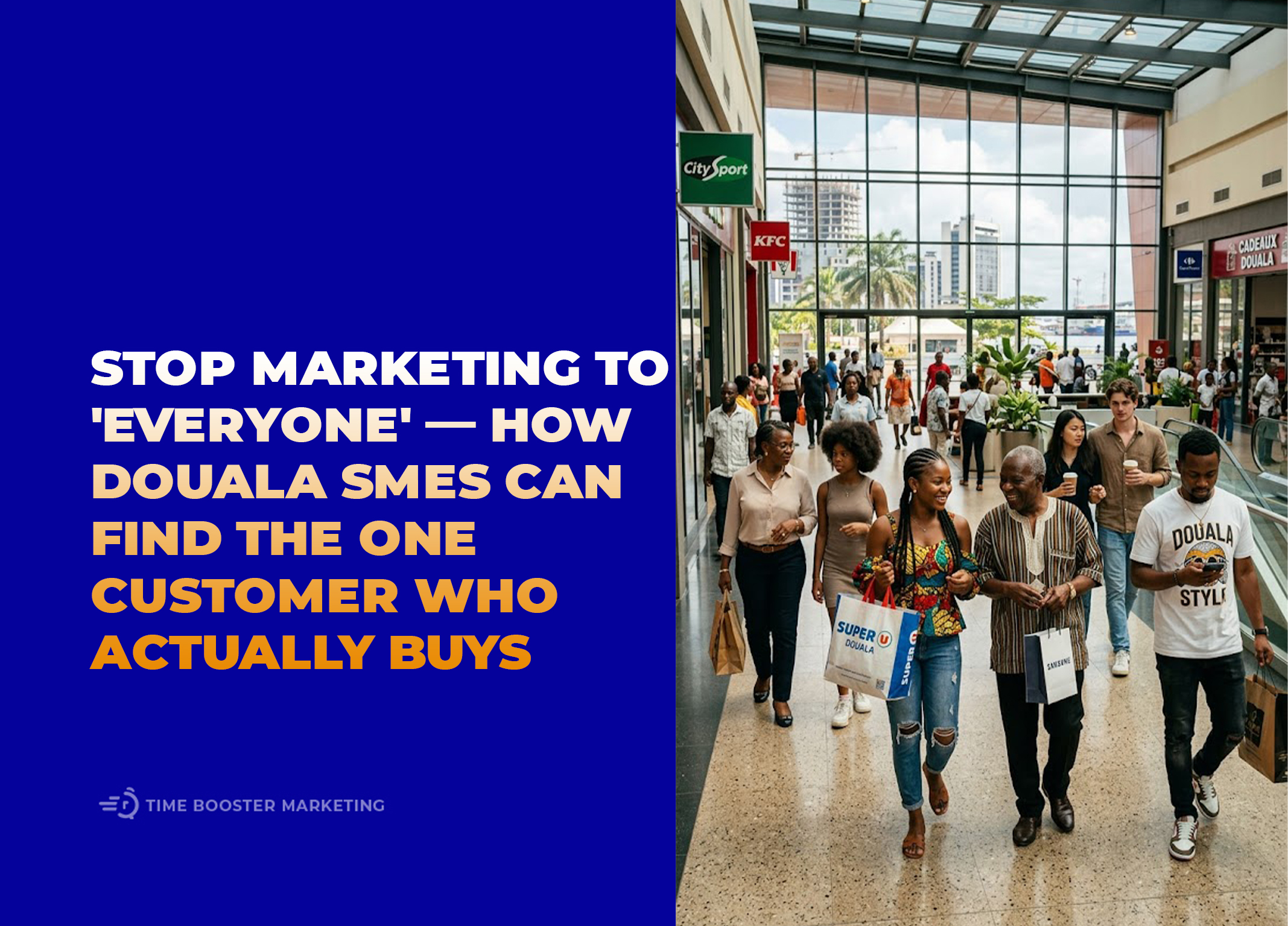
If you run a business in Douala, you may feel that narrowing your audience is risky. Douala is busy. Competition is everywhere. Customers compare prices quickly. New businesses appear constantly. People ask questions on WhatsApp, disappear, return later, negotiate, ask for referrals, check your page, compare alternatives, and sometimes choose the cheapest option. In that kind of environment, it can feel safer to say your business is for “everyone.”
Everyone who needs clothes.
Everyone who eats.
Everyone who wants beauty services.
Everyone who owns a business.
Everyone who needs a website.
Everyone who wants to learn a skill.
Everyone who wants delivery.
Everyone who wants quality.
But “everyone” is not a target audience. It is a hiding place.
It feels comfortable because it keeps your options open. It sounds ambitious because it makes your market seem large. It protects you from making a hard decision. But in practice, vague audiences make your marketing weaker. They force you to use generic language. They make your offer harder to package. They attract people who are curious but not serious. They push you into price competition. They make your content sound like every other business in Douala saying “quality service,” “affordable prices,” “best products,” and “customer satisfaction guaranteed.”
Specificity does the opposite.
When you know the real buyer for your Douala business, your message becomes sharper. Your offer becomes easier to design. Your pricing becomes easier to defend. Your content becomes more relevant. Your sales conversations become more focused. Your referrals become clearer. Your advertising becomes less wasteful. Your customer experience improves because you are no longer trying to serve every possible person.
An ideal customer profile is not a theoretical branding exercise. It is a revenue tool.
Why Douala Entrepreneurs Struggle to Define Their Real Buyer
Douala is Cameroon’s commercial engine. It is fast, competitive, and commercially diverse. A business owner can serve corporate clients in Bonanjo, retail buyers in Akwa, families in Bonamoussadi, entrepreneurs in Makepe, students and young professionals around Logbessou, traders, importers, restaurants, salons, agencies, schools, clinics, logistics operators, and informal businesses across many neighborhoods.
That variety creates opportunity, but it also creates confusion.
Because there are many possible buyers, many entrepreneurs avoid choosing one. They assume that a broad audience gives them more chances to sell. But broadness often creates the opposite result: more attention from the wrong people and fewer conversions from the right ones.
The problem is not that your business can only serve one type of customer forever. The problem is that your marketing cannot speak effectively to everyone at the same time.
A restaurant can serve many people, but a lunch offer for office workers should not sound the same as a family weekend package. A fashion business can sell to different customers, but a corporate wear campaign should not speak like a casual streetwear campaign. A digital service provider can help many SMEs, but a message for clinics should not sound the same as a message for restaurants. A cleaning company can clean homes, offices, and short-stay apartments, but each buyer has different urgency, budget, and expectations.
When you refuse to define the buyer, your message becomes too general to move anyone strongly.
The Dangerous Comfort of Vague Audiences
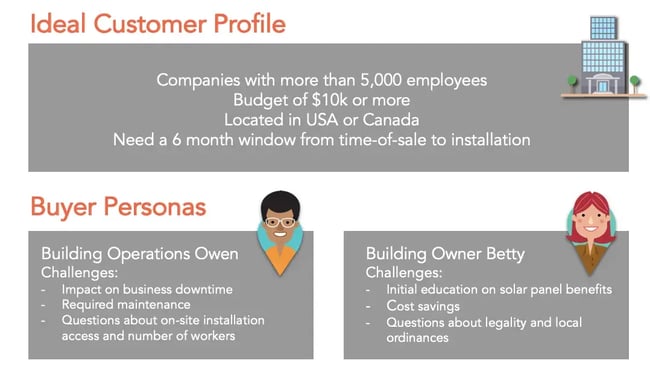
Vague audiences are dangerous because they do not look dangerous at first. They sound reasonable.
You may say:
- “My business is for small businesses.”
- “My customers are people who want quality.”
- “I sell to men and women.”
- “Anyone who needs my service can buy.”
- “My product is for young people.”
- “I target entrepreneurs.”
- “I help people grow their business.”
- “I sell to everyone in Douala.”
These statements feel inclusive, but they are not useful enough for marketing.
A vague audience creates five major problems.
1. Your Message Becomes Generic
When you target everyone, you cannot speak directly to anyone.
You end up using broad claims:
- “We offer quality service.”
- “We are affordable.”
- “We help your business grow.”
- “We provide the best solution.”
- “Contact us today.”
- “Your satisfaction is our priority.”
These phrases are not necessarily false. They are just too common to create attention or trust.
A specific message sounds different:
“We help Douala restaurant owners turn WhatsApp menu inquiries into faster orders with a clearer digital menu and response system.”
That message is narrow, but it is powerful. A restaurant owner immediately understands the relevance. The offer feels designed for their problem. The business becomes easier to remember.
Specificity creates recognition. Recognition creates interest.
2. Your Offer Becomes Harder to Package
If you do not know the buyer, you cannot design the right offer.
A vague audience forces you to create flexible, unclear packages because you are trying to satisfy too many situations. That often leads to long explanations, custom pricing for everything, and prospects asking, “What exactly do you do?”
A clear buyer helps you package around a specific outcome.
For example, instead of offering “marketing services,” you can offer:
- A WhatsApp sales system for small retailers
- A menu redesign package for restaurants
- A patient inquiry system for clinics
- A booking funnel for beauty professionals
- A lead generation setup for real estate agents
- A brand visibility package for professional service firms
Each package speaks to a different buyer and problem. The more specific the buyer, the easier it is to define the deliverables, timeline, price, proof, and result.
3. You Attract Low-Quality Leads
When your audience is vague, your marketing attracts people who are interested but not aligned.
They ask many questions but do not buy.
They want the cheapest option.
They compare you to businesses that are not really competitors.
They misunderstand your value.
They disappear after hearing the price.
They ask for services you do not want to provide.
They negotiate heavily because they do not see the difference.
This does not always mean they are bad customers. It may mean your marketing invited the wrong conversation.
A clear ideal customer profile helps you attract people who are more likely to value what you offer, afford it, need it now, and respect your process.
4. You Compete Mainly on Price
When customers cannot see why your offer is specifically relevant to them, they compare price.
This is common in crowded Douala categories. If five businesses appear to offer the same thing, the customer naturally asks, “Who is cheaper?” Price becomes the easiest comparison because your positioning has not created another basis for decision.
Specificity gives customers another reason to choose.
A generic cleaning service competes on price. A cleaning service positioned for short-stay apartment owners who need fast turnover, photo confirmation, and guest-ready standards can charge differently because the value is more specific.
A generic photographer competes on price. A photographer positioned for corporate headshots and executive brand images in Douala can attract a different buyer with different expectations.
A generic marketing consultant competes on price. A consultant positioned for service businesses that rely on WhatsApp inquiries but struggle to convert them can own a sharper problem.
Niche clarity improves pricing power because it makes your value easier to understand.
5. Your Marketing Budget Gets Wasted
If you run ads, boost posts, print flyers, or sponsor content without a clear audience, you pay to reach people who may never buy.
This is one of the most expensive effects of vague targeting. You may think your problem is low visibility, but the real issue is poor audience definition. More visibility simply exposes your unclear message to more people.
A clear ideal customer profile helps you decide:
- Which platform to use
- What message to lead with
- What offer to promote
- What proof to show
- What language to use
- What objections to answer
- What neighborhoods, industries, or communities to focus on
- What follow-up process to build
Marketing becomes less random because you know who the system is built for.
What an Ideal Customer Profile Really Means
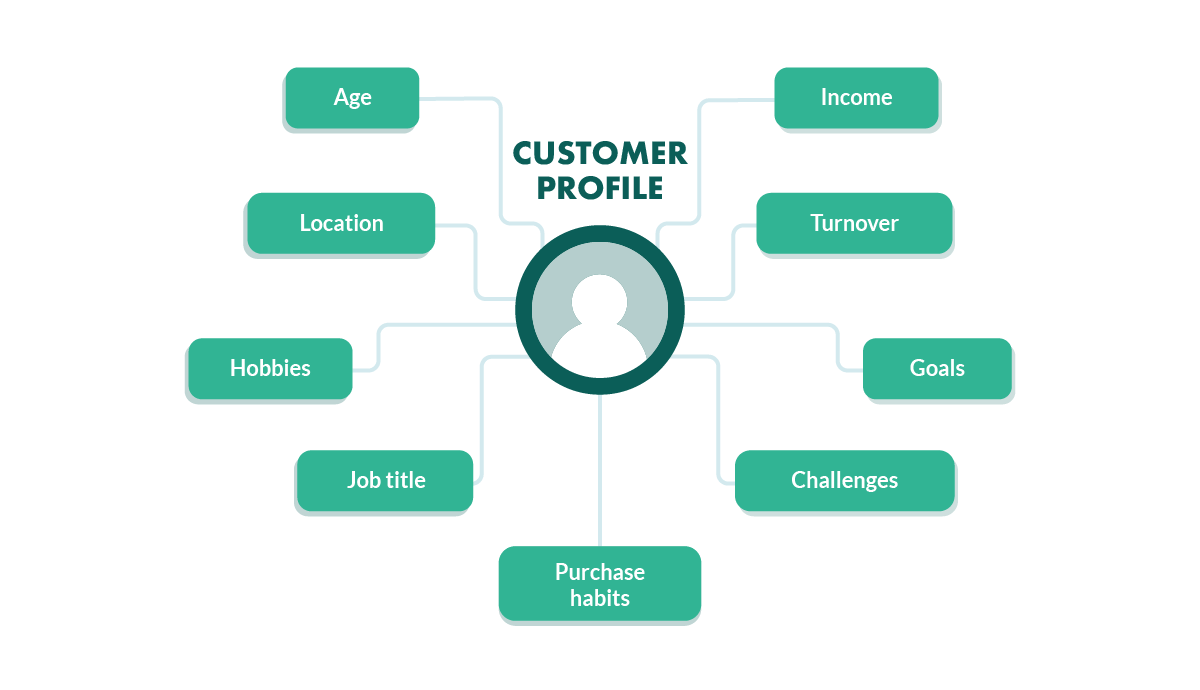
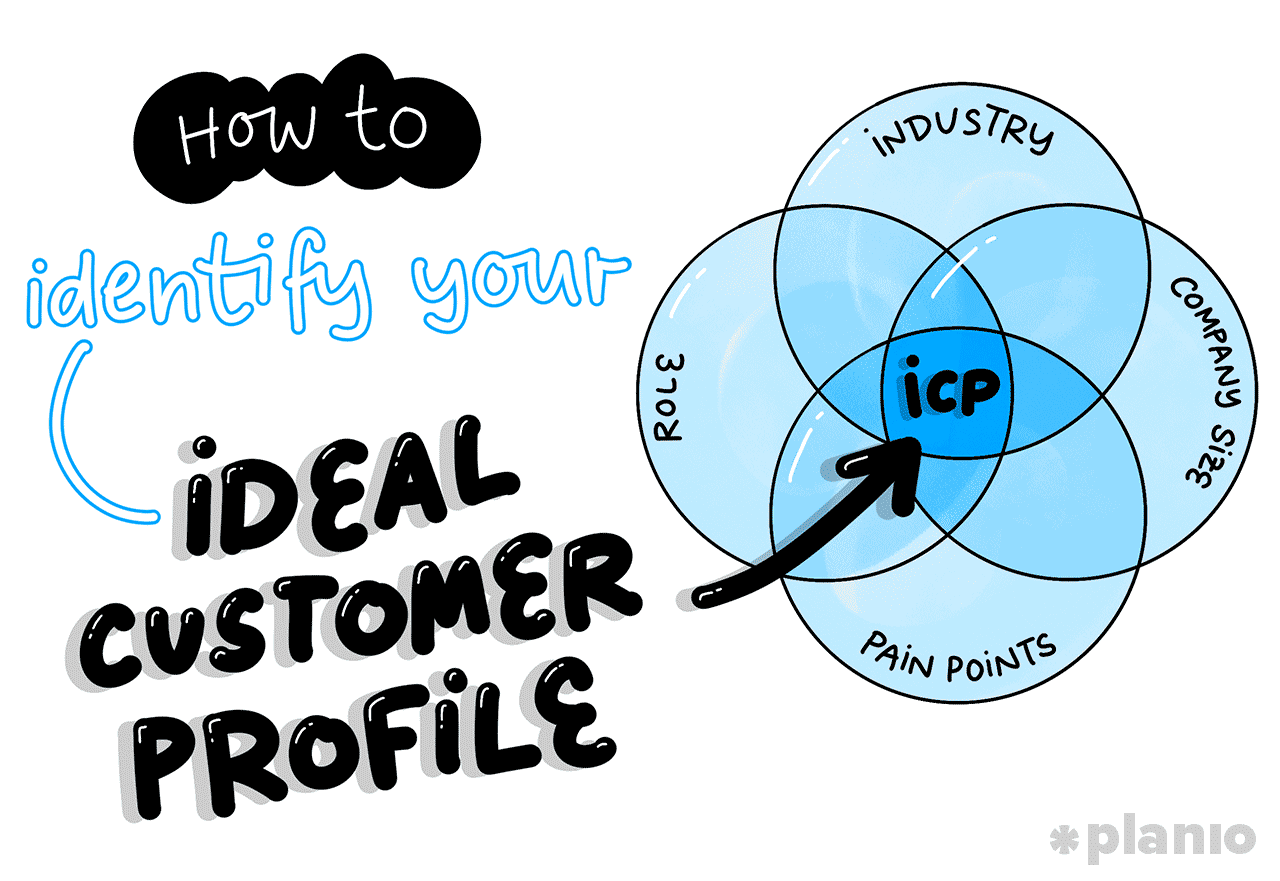
An ideal customer profile is a clear description of the type of customer your business is best designed to serve profitably and repeatedly.
It is not just demographics. It is not only age, gender, income, location, or job title. Those details can help, but they are not enough.
A strong ideal customer profile includes:
- The customer’s situation
- The problem they feel
- The urgency of that problem
- Their buying motivation
- Their ability to pay
- Their decision process
- Their objections
- Their trust requirements
- Their preferred communication channel
- Their expected result
- Their repeat or referral potential
- Their fit with your business model
For Douala entrepreneurs, this matters because two customers can look similar demographically but behave very differently.
Two women in Douala may both buy beauty services, but one is preparing for a wedding and needs premium reliability, while another wants occasional low-cost maintenance. Two business owners may both need marketing, but one wants more walk-in traffic, while another needs a system to convert WhatsApp inquiries. Two parents may both need tutoring services, but one wants exam preparation while another wants long-term academic support.
The real buyer is defined by the problem, context, urgency, and willingness to pay — not only by surface identity.
The 5-Question Ideal Customer Framework
To identify the real buyer for your Douala business, use this five-question framework.
Do not rush through it. These questions are simple, but they force strategic clarity.
Question 1: Who Has the Problem You Solve Most Painfully?
Your best customer is not always the person who can technically use your product. It is the person who feels the problem strongly enough to act.
This is where many entrepreneurs make mistakes. They define the audience by possibility instead of pain.
For example, if you sell healthy meals, many people can eat them. But who feels the problem most painfully?
- Busy professionals who do not have time to cook?
- Gym-focused customers who want portion control?
- Parents who need healthier school lunch options?
- People managing specific dietary goals?
- Office teams that need reliable lunch delivery?
Each group has a different pain. If you speak to all of them at once, your message becomes weak.
If you offer website design, many businesses can use a website. But who feels the problem most painfully?
- Consultants who need credibility before sales calls?
- Clinics that need patients to find services and contact details?
- Restaurants that need online menus and booking information?
- Real estate agents who need property listings?
- Training centers that need registration pages?
The strongest buyer is usually the one with a painful, recurring, expensive, urgent, or reputation-sensitive problem.
Ask yourself:
- Who suffers most when this problem is not solved?
- Who already spends money trying to solve it?
- Who complains about this problem often?
- Who loses time, money, trust, or opportunity because of it?
- Who is actively searching for a better option?
That group deserves your attention.
Question 2: Who Can Afford the Solution Without Destroying Your Margins?
A real buyer must have both need and ability to pay.
This is not about disrespecting people with lower budgets. It is about building a sustainable business. If your ideal customer loves your offer but cannot pay enough for you to deliver profitably, your business will struggle.
Many entrepreneurs in Douala underprice because they target customers who want the result but cannot afford the level of service required. Then they become frustrated, overworked, and inconsistent. The issue is not always pricing alone. Sometimes the issue is customer fit.
Ask:
- Who can pay the price needed for quality delivery?
- Who sees this purchase as an investment, not just an expense?
- Who understands the cost of not solving the problem?
- Who has a budget cycle, cash flow, or income level that supports the offer?
- Who is less likely to force unsustainable discounts?
For example, a premium branding service may not fit every new business owner. It may fit funded startups, professional service firms, consultants, clinics, real estate developers, or established SMEs preparing for expansion. A basic starter package may fit early-stage entrepreneurs better. Both can be valid offers, but they should not be marketed the same way.
The real buyer is not only the person who needs you. It is the person whose need, budget, and expectations match your business model.
Question 3: Who Is Already Looking for a Solution?
The easiest customer to convert is often the one already aware of the problem.
If you must first convince someone that the problem exists, then convince them it matters, then convince them your solution works, then convince them to pay, the sale becomes heavy.
But if the customer is already searching, asking, comparing, complaining, or trying alternatives, your marketing has less education to do.
Look for signals:
- They ask for recommendations.
- They compare providers.
- They complain about current options.
- They search online.
- They ask questions in WhatsApp groups.
- They request quotes.
- They follow similar businesses.
- They have bought a similar solution before.
- They are preparing for an event, deadline, or transition.
- They are experiencing a recurring frustration.
For example, a parent searching for exam support is more ready than a parent who has not yet recognized the academic gap. A business owner asking why ads are not converting is more ready than one who believes posting randomly is enough. A bride comparing makeup artists is more ready than someone with no event date. A landlord seeking better tenants is more ready than someone casually thinking about renting later.
Your ideal customer profile should include readiness signals. These signals help you know where to find buyers and what message to use.
Question 4: Who Gets the Most Value From Your Specific Strength?
Not every customer who needs your category needs your version of the solution.
Your real buyer is the person who values what you do especially well.
If your strength is speed, your ideal customer may be someone with urgent deadlines. If your strength is premium quality, your ideal customer may be someone who cares about image, durability, or trust. If your strength is simplicity, your ideal customer may be someone overwhelmed by complex options. If your strength is strategy, your ideal customer may be someone tired of random tactics. If your strength is reliability, your ideal customer may be someone who has been disappointed by unreliable providers.
This question protects you from chasing customers who do not value your advantage.
For example, if you run a professional cleaning service with trained staff, checklists, and quality control, your best buyer may not be someone looking for the cheapest cleaner. It may be offices, clinics, short-stay apartment owners, or busy households that value reliability and standards.
If you run a content marketing service that focuses on strategy and conversion, your best buyer may not be someone who wants “just captions.” It may be entrepreneurs who understand that content should support sales, trust, and positioning.
If you sell imported fashion pieces with better finishing, your best buyer may not be someone who only wants the lowest price. It may be professionals who want clothes that support a polished image.
Ask:
- What do we do better than average providers?
- Which customers care most about that strength?
- Which customers are willing to pay for it?
- Which customers become difficult because they do not value it?
- Which customers appreciate our process, not just the final product?
Your ideal customer should match your strongest value.
Question 5: Who Can Buy Again, Refer, or Grow With You?
A profitable ideal customer is not only someone who buys once. The best customers often have repeat, referral, or expansion potential.
This matters because constantly finding new customers is expensive and tiring. A business becomes more stable when customers return, refer others, or buy higher-value offers over time.
Ask:
- Can this customer buy repeatedly?
- Can they refer similar customers?
- Can their needs grow over time?
- Can they become a long-term account?
- Can they introduce you to a community, company, family, or network?
- Can serving them create proof that attracts more of the same buyer?
For example, a corporate client may refer other departments. A satisfied bride may refer friends. A restaurant owner may need ongoing marketing support. A school may need repeated printing, training, or consulting services. A retailer may reorder stock. A professional may need recurring content, design, or advisory services.
The real buyer is often the one who creates future business, not just immediate revenue.
How to Build Your Ideal Customer Profile
Once you answer the five questions, turn them into a practical profile.
Use this customer persona template for your Douala business.
Ideal Customer Profile Template
1. Customer Segment
Who are they in specific terms?
Example:
“Established beauty professionals in Douala who already get clients through referrals and Instagram but struggle to convert inquiries into premium bookings.”
2. Situation
What is happening in their life or business?
Example:
“They are receiving inquiries, but many prospects ask for price and disappear. They want better-paying clients but their content and booking process do not communicate premium value.”
3. Pain Point
What problem do they feel most strongly?
Example:
“They are tired of attracting bargain hunters and want clients who respect their time, process, and pricing.”
4. Desired Outcome
What do they want instead?
Example:
“They want a clearer brand message, stronger proof, better booking flow, and content that positions them as a premium service provider.”
5. Buying Trigger
What makes them act now?
Example:
“Wedding season, graduation season, a slow booking month, a competitor gaining visibility, or frustration with too many unserious inquiries.”
6. Objections
What might stop them?
Example:
“They may worry about cost, whether strategy will really bring better clients, or whether they need more followers first.”
7. Proof Needed
What evidence builds trust?
Example:
“Before-and-after profile improvements, testimonials from service providers, examples of booking messages, and a clear process.”
8. Best Channel
Where are they easiest to reach?
Example:
“Instagram, WhatsApp, referrals, beauty communities, vendor networks, and local business events.”
9. Offer Fit
What package fits them best?
Example:
“A premium booking system audit, content positioning package, or 30-day client attraction system.”
10. Revenue Potential
Why are they commercially valuable?
Example:
“They can pay for strategy, need recurring support, and can refer other beauty professionals.”
This profile gives you far more strategic direction than saying “I target women in Douala.”
How to Know If Your Audience Is Still Too Vague
Your audience is probably too vague if your message could apply to almost any business.
For example:
“We help businesses grow.”
Too vague.
“We help Douala-based service businesses turn WhatsApp inquiries into booked clients with clearer offers, proof, and follow-up.”
Sharper.
Your audience is too vague if you cannot answer these questions:
- What specific problem do they have?
- What do they already do to solve it?
- Why are they dissatisfied?
- What makes them ready to buy?
- What proof do they need?
- What budget reality do they have?
- Where can you reach them?
- What language do they use?
- What offer fits them best?
- Why are they better than other possible customers?
If you cannot answer these, your marketing will rely too much on guesswork.
How to Niche Down Without Losing Reach
Many Douala entrepreneurs resist niching down because they think it means rejecting money.
That is the wrong way to think about it.
Niching down does not mean you can never serve anyone outside your niche. It means your marketing is designed to attract the best-fit customers first.
There is a difference between who you can serve and who you actively target.
You may be able to serve many people, but your marketing should focus on the people most likely to buy, benefit, return, refer, and pay profitably.
Niche by Problem, Not Just Demographics
The strongest niches are often based on problems, not surface categories.
Instead of:
“I target women.”
Try:
“I help working mothers in Douala plan reliable weekly meals without spending hours cooking after work.”
Instead of:
“I target businesses.”
Try:
“I help small clinics in Douala improve patient inquiries through clearer service pages and WhatsApp response systems.”
Instead of:
“I target young people.”
Try:
“I help early-career professionals in Douala build LinkedIn profiles and CVs that support job applications and consulting opportunities.”
Problem-based niching is powerful because it connects directly to buying motivation.
Niche by Use Case
A use case is the situation in which someone needs your offer.
For example, a photographer can niche by use case:
- Corporate headshots
- Graduation photography
- Wedding photography
- Product photography
- Real estate photography
- Event coverage
- Personal branding shoots
Each use case has different pricing, messaging, proof, and customer expectations.
A food business can niche by use case:
- Office lunch delivery
- Event catering
- Family meal plans
- Fitness meal prep
- Birthday packages
- Corporate snack boxes
A cleaning business can niche by use case:
- Office cleaning
- Post-construction cleaning
- Short-stay apartment turnover
- Move-in cleaning
- Clinic cleaning
- Home deep cleaning
Use-case niching helps you create specific offers without limiting the entire business forever.
Niche by Buyer Readiness
Some customers are more ready than others.
Instead of targeting all entrepreneurs, you might target entrepreneurs who are:
- Preparing to launch
- Already getting inquiries but not converting
- Spending on ads without strategy
- Ready to hire staff
- Expanding to a second location
- Moving from informal sales to structured systems
- Rebranding after growth
- Trying to attract higher-paying clients
Readiness-based niching improves conversion because your message meets the customer at the right moment.
Niche by Value Level
Not every customer wants the same level of service.
You can target:
- Budget-conscious buyers
- Mid-market buyers
- Premium buyers
- Corporate buyers
- High-touch clients
- DIY customers
- Done-for-you customers
- Recurring service clients
This matters because your pricing, proof, process, and communication must match the value level.
If you sell premium services but market to budget buyers, you will constantly defend your price. If you sell affordable starter packages but speak like a luxury brand, you may confuse the market.
Choose the value level intentionally.
Niche by Industry
Industry niching works well for B2B businesses.
Examples:
- Marketing for restaurants
- Accounting for retailers
- Branding for beauty professionals
- Websites for clinics
- HR support for SMEs
- Logistics for e-commerce sellers
- Training for hospitality staff
- Content creation for real estate agents
Industry niching helps you build deeper expertise, stronger examples, and more relevant offers.
Niche by Location or Neighborhood Context
In Douala, location can influence buying behavior, delivery expectations, pricing, convenience, and trust.
A business may choose to focus on:
- Bonanjo corporate clients
- Akwa retail and commercial activity
- Bonamoussadi families and professionals
- Makepe entrepreneurs and households
- Logbessou students and young professionals
- Deido traders and local businesses
- Bali offices and service firms
- Specific delivery zones
Location-based niching can be useful when logistics, proximity, or neighborhood reputation affects the sale.
Why Specificity Increases Reach Instead of Reducing It
Specificity does not reduce reach when done correctly. It increases meaningful reach.
A vague message may technically apply to many people, but it does not strongly attract anyone. A specific message may speak to fewer people, but those people pay more attention, share it with similar people, and remember you more easily.
For example:
“We help businesses improve marketing” is broad but forgettable.
“We help Douala service businesses stop losing WhatsApp inquiries after sending prices” is narrower but more memorable.
A business owner who has that exact problem will feel seen. They may also send it to another entrepreneur with the same issue. That is how specificity travels.
Specificity improves:
- Recognition
- Trust
- Referrals
- Content relevance
- Offer clarity
- Sales conversations
- Pricing power
- Customer experience
- Repeatability
The goal is not to reach everyone. The goal is to reach the right people with enough relevance that they act.
The Real Buyer vs the Loudest Audience
Sometimes the people who engage most are not the people who buy most.
This is important.
Your loudest audience may comment, like, ask questions, and praise your content. But your real buyer may be quieter. They may watch silently, ask direct questions, request a quote, and buy. If you define your audience only by visible engagement, you may optimize for attention instead of revenue.
Track buyer behavior, not just audience behavior.
Ask:
- Who actually pays?
- Who pays fastest?
- Who negotiates least?
- Who gets the best result?
- Who returns?
- Who refers?
- Who respects the process?
- Who is profitable to serve?
- Who creates the least unnecessary friction?
- Who gives useful feedback?
Your ideal customer profile should be based on revenue evidence, not only social media engagement.
How to Use Your Ideal Customer Profile in Marketing
An ideal customer profile is only useful if it changes your actions.
Here is how to apply it.
Use It to Write Better Content
Instead of creating random posts, create content around your ideal customer’s real questions, fears, mistakes, and goals.
If your ideal customer is a restaurant owner struggling with WhatsApp orders, create content like:
- “Why customers ask for your menu and disappear”
- “How to make your WhatsApp menu easier to order from”
- “The mistake that slows down lunch orders”
- “What your food business should automate first”
- “How to turn repeat customers into a weekly order list”
That content will attract more relevant prospects than generic “grow your business” posts.
Use It to Improve Your Offer
Your ideal customer profile should shape your packages.
If your buyer wants speed, create a fast-start package.
If your buyer wants confidence, include consultation.
If your buyer fears risk, add proof and guarantees where appropriate.
If your buyer is busy, simplify the process.
If your buyer needs education, include a guide.
If your buyer values premium service, improve presentation and support.
The offer should feel designed around the buyer’s situation.
Use It to Choose Channels
Do not choose platforms because everyone is using them. Choose channels based on where your ideal customer pays attention and makes decisions.
For some Douala businesses, Instagram may matter. For others, Facebook groups, WhatsApp referrals, LinkedIn, Google search, physical networking, partnerships, or direct outreach may work better.
Your ideal customer profile should tell you where to focus.
Use It to Train Referrals
Referrals become stronger when people know who to send you.
If you say, “Send me anyone who needs marketing,” people may forget.
If you say, “Send me service business owners in Douala who get inquiries on WhatsApp but struggle to convert them into bookings,” people can recognize the right referral.
Specificity makes referral easier.
Use It to Qualify Leads
Not every lead deserves the same energy.
Create qualifying questions based on your ideal customer profile:
- What problem are you trying to solve?
- When do you need this?
- Have you tried anything before?
- What budget range are you working with?
- What result are you expecting?
- How soon do you want to start?
- Who makes the final decision?
- What would make this successful for you?
These questions help you identify serious buyers and avoid wasting time on poor-fit prospects.
Use It to Improve Pricing
Pricing becomes easier when you understand the buyer’s value perception.
If your ideal customer loses money, time, or opportunity because of the problem, your pricing can reflect the value of solving it. If your customer sees your offer as a nice-to-have, pricing will be harder.
A strong ideal customer profile helps you position the offer around outcomes, not just tasks.
For example, “website design” may sound like a commodity. “A conversion-focused service page that helps clinic patients understand services and book appointments” sounds more valuable because it connects to a business outcome.
A Practical Example: From Vague Audience to Real Buyer
Imagine you are a Douala entrepreneur offering digital marketing services.
Vague audience:
“Small businesses in Douala.”
This is too broad. It includes restaurants, salons, clinics, schools, retailers, consultants, logistics companies, real estate agents, and more. Their problems are not identical.
Better audience:
“Service-based SMEs in Douala that already receive inquiries through WhatsApp but lose prospects after sending prices.”
Now the problem is clearer.
Real buyer profile:
- They have an existing service business.
- They already get some inquiries.
- They are frustrated by low conversion.
- They rely on WhatsApp conversations.
- They may not have a clear offer page or follow-up system.
- They want better clients, not just more followers.
- They can pay for a system that improves conversion.
- They need proof, scripts, offer clarity, and follow-up structure.
Now your content becomes sharper:
- “Why prospects disappear after you send your price”
- “The WhatsApp follow-up mistake costing Douala service businesses sales”
- “How to explain your offer before sending the price”
- “Why more followers will not fix a weak sales conversation”
- “The 5-message follow-up sequence for service businesses”
Your offer becomes sharper:
“WhatsApp Sales Conversion Audit for Douala Service Businesses”
Your referral request becomes sharper:
“If you know a service business owner in Douala who gets inquiries but struggles to convert them, send them this.”
This is how specificity turns marketing into a system.
Common Mistakes When Defining an Ideal Customer
Mistake 1: Choosing an Audience Only Because It Is Large
A large audience is not useful if it is hard to reach, slow to buy, or unwilling to pay. Choose based on fit, urgency, and profitability — not size alone.
Mistake 2: Confusing Followers With Buyers
The people who like your posts may not be the people who buy. Study customers, not only engagement.
Mistake 3: Defining by Demographics Only
Age, gender, and location are not enough. You need pain, urgency, buying behavior, objections, and willingness to pay.
Mistake 4: Being Specific in Your Head but Vague in Public
Some entrepreneurs know who they want but are afraid to say it clearly. If your public message remains vague, the market cannot recognize the fit.
Mistake 5: Niching Down Too Randomly
Do not choose a niche just because it sounds fashionable. Choose based on evidence: who buys, who benefits, who returns, who refers, and who is profitable.
Mistake 6: Refusing to Adjust
Your first ideal customer profile may not be perfect. Treat it as a working hypothesis. Improve it based on sales conversations, customer feedback, and revenue data.
How to Test Your Ideal Customer Profile in 14 Days
You do not need months to test whether your audience definition is stronger. Run a simple 14-day test.
Day 1–2: Write the Profile
Define one specific buyer using the five-question framework.
Day 3–4: Rewrite Your Core Message
Create a clear sentence:
“We help [specific buyer] solve [specific problem] so they can [specific outcome].”
Day 5–7: Create Three Pieces of Content
Create content around:
- Their biggest pain
- Their common mistake
- The result they want
Day 8–10: Speak to 10 People Who Fit the Profile
Ask about their problem, current solution, objections, and willingness to pay.
Day 11–12: Make a Specific Offer
Offer a small, clear next step designed for that buyer.
Day 13–14: Review the Evidence
Ask:
- Did the right people respond?
- Did they understand the message faster?
- Did conversations improve?
- Did objections become clearer?
- Did anyone ask for pricing?
- Did anyone book, buy, refer, or request details?
- Did the content feel easier to create?
If the answer is yes, your profile is getting stronger. If not, adjust the segment, problem, offer, or channel.
The Douala Entrepreneur’s Ideal Customer Checklist
Before you spend more money on ads, content, branding, or sales materials, answer these questions:
- Can I describe my ideal customer in one clear sentence?
- Do I know the painful problem they want solved?
- Do I know why they would buy now?
- Do I know what they have already tried?
- Do I know what they fear or doubt?
- Do I know what proof they need?
- Do I know where to reach them?
- Do I know what language they use?
- Do I know what offer fits them best?
- Do I know whether they can pay profitably?
- Do I know whether they can return or refer?
- Do I know why they should choose my business over alternatives?
If you cannot answer these questions, your marketing is still operating with too much fog.
The More Specific Your Audience, the Stronger Your Business Becomes
Vague audiences feel safe because they allow you to avoid choosing. But business growth often requires choosing.
Choosing does not mean rejecting opportunity. It means directing your energy toward the customers most likely to value your work, pay properly, return, refer, and help your business become known for something specific.
In Douala’s competitive market, being general is expensive. It makes your message weaker, your offer less clear, your pricing more vulnerable, and your marketing harder to measure. Specificity gives your business a sharper edge.
The real buyer for your Douala business is not “everyone who needs what you sell.”
It is the person with the clearest pain, strongest urgency, best fit, highest value perception, and greatest potential to buy again or refer.
Find that person. Build your message around them. Design your offer for them. Create proof that reassures them. Choose channels where they already pay attention. Ask for referrals in language that helps others recognize them.
The more clearly you define your buyer, the easier it becomes for the right people to see themselves in your business.
And when the right people see themselves clearly, they do not just pay attention.
They buy.