
Hostinger vs Local Web Developers: Which Should You Choose?
Every Cameroonian business eventually faces the same website question:
Should you build it yourself with Hostinger, or should you hire a local web developer?
The answer depends on what you need the website to do.
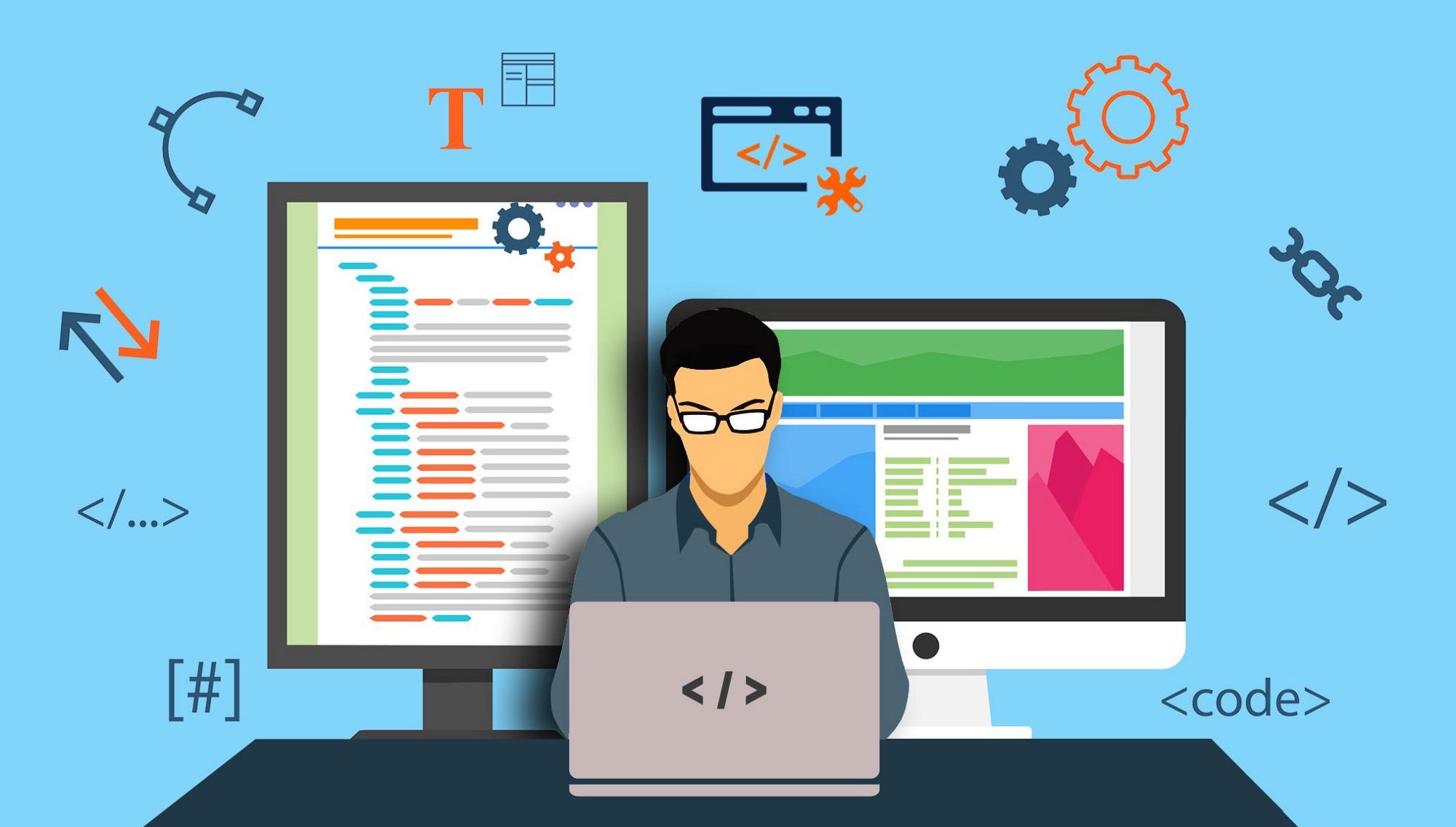
A basic website for a small salon, restaurant, consultant, church, boutique, or freelancer may not require a full development project. You may only need a domain, hosting, professional pages, WhatsApp contact, photos, and clear service information.
But a serious business website with custom features, SEO strategy, booking systems, integrations, payment workflows, multilingual pages, dashboards, or advanced design may require professional development.
Choosing wrongly is expensive. If you hire too early, you may spend money before your business message is clear. If you DIY for too long, you may end up with a weak website that fails to convert customers.
What Hostinger Gives You
Hostinger is a web hosting and website-building platform that allows users to buy hosting, register domains, set up websites, and choose tools such as WordPress or Hostinger Website Builder. Hostinger’s official guide on setting up a hosting plan explains that users can choose platforms such as Website Builder, WordPress, or another option during setup. (Hostinger Help Center)
For beginners, this is useful because it reduces the technical barrier. You do not need to start by configuring a server manually. You can buy a plan, connect a domain, install WordPress, or use the builder interface.
Hostinger’s guide on adding a website also explains that users can choose WordPress or Hostinger Website Builder when adding a site to their hosting plan. That flexibility matters because some businesses want quick visual editing, while others want the long-term control of WordPress. (Hostinger Help Center)
When Hostinger Is the Better Choice
Hostinger is a strong choice when your business needs speed, affordability, and basic control.
Choose Hostinger if you need:
- a simple company website
- a personal portfolio
- a landing page
- a blog
- a basic service website
- a church or association website
- a website for WhatsApp contact
- a low-cost online presence
- a site you can update yourself
For example, a makeup artist in Douala may only need a homepage, service list, photo gallery, pricing guidance, testimonial section, WhatsApp button, and booking instructions. A consultant in Yaoundé may need a profile page, services, case studies, articles, and contact form. A small training center may need course pages and registration instructions.
In these cases, Hostinger can work well because the business does not need heavy custom development immediately.
When Hostinger May Not Be Enough
Hostinger can help you get online, but it does not automatically give you a strong website strategy.
Many DIY websites fail because the owner chooses a template, adds a logo, writes vague text, uploads random photos, and publishes without thinking about conversion or search visibility.
A weak website says:
We offer quality services. Contact us for more information.
A stronger website says:
We help SMEs in Douala manage WhatsApp enquiries, automate follow-up, and turn customer messages into measurable sales opportunities.
The second version is clearer because it explains the audience, problem, and outcome.
Hostinger provides the tool. You still need the strategy.
What Local Web Developers Give You
A local web developer gives you human expertise.
A good developer does more than “put your business online.” They help you plan the structure, pages, design, user journey, mobile experience, speed, contact flow, SEO foundation, forms, integrations, and long-term maintenance.
This matters because Cameroonian businesses often sell through a mix of website visits, Google Search, WhatsApp, referrals, Facebook, Instagram, and physical visits. A local developer may understand these realities better than a generic template.
A strong local developer can help you decide:
- what pages your site needs
- how customers should contact you
- how to structure service pages
- how to add WhatsApp buttons properly
- how to optimize for mobile users
- how to connect Google Search Console
- how to improve local SEO
- how to design for trust
- how to maintain the website after launch
Google’s Search Essentials says websites should provide helpful, reliable, people-first content and be technically accessible for Google Search. A developer who understands SEO can help your website become more than a beautiful brochure. (Google for Developers)
When a Local Developer Is the Better Choice
Hire a local web developer when your website needs more than a simple online presence.
This is usually the better option if you need:
- custom design
- strong SEO structure
- e-commerce setup
- booking system
- course platform
- membership area
- payment integration
- multilingual website
- CRM connection
- custom forms
- advanced security
- maintenance support
- technical troubleshooting
- business-specific functionality
For example, a real estate agency may need property listings, search filters, inquiry forms, WhatsApp routing, location pages, and lead tracking. A school may need admissions information, downloadable forms, news updates, parent communication, and staff pages. A growing NGO may need donation pages, project reports, partner pages, and impact storytelling.
Those projects need more planning than a beginner template can provide.
The Cost Difference
Hostinger usually has a lower entry cost because you are paying mainly for hosting, domain registration, and the platform tools. The hidden cost is your time.
You may spend many hours learning how to set up pages, fix design issues, connect a domain, write website copy, choose images, install WordPress, adjust mobile layouts, and troubleshoot problems.
A local developer costs more upfront, but you are paying for expertise, implementation, and reduced trial-and-error.
The real comparison is not only:
Hostinger is cheap. Developer is expensive.
The better comparison is:
Do I have the time, skill, and patience to build this properly myself, or will a professional help me launch faster and stronger?
For a cash-conscious SME, DIY may be the responsible choice. For a business where a weak website can cost clients, trust, or revenue, hiring a developer may be the smarter investment.
WordPress Changes the Decision
Hostinger and local developers are not always opposites.
You can host a WordPress website on Hostinger and still hire a local developer to build or manage it.
This hybrid option is often the best middle ground.
Hostinger’s guide on adding a WordPress website explains that users can create a WordPress website inside Hostinger and configure the installation during setup. (Hostinger Help Center)
A practical setup could look like this:
Hostinger provides: hosting, domain, SSL, email, WordPress installation.
Developer provides: strategy, design, copy structure, SEO setup, mobile optimization, plugin configuration, and maintenance.
This gives you affordability and professional execution.
Decision Framework: Choose Based on Business Stage
Stage 1: New Business With Limited Budget
Choose Hostinger DIY.
Your goal is to get online quickly with a clean homepage, service description, contact details, WhatsApp button, and basic credibility. Do not overbuild before you understand your customers.
Stage 2: Small Business With Clear Services
Choose Hostinger plus light professional help.
You can buy the hosting and domain yourself, then hire someone to structure pages, improve design, write better copy, and connect basic SEO tools.
Stage 3: Growing SME That Depends on Online Leads
Hire a local developer.
If your website must generate enquiries from Google, support paid ads, convert WhatsApp leads, and present your business professionally, you need more than a template.
Stage 4: E-Commerce, Training, Real Estate, or Booking Business
Hire a developer or agency.
These websites need proper planning because customers must browse, search, book, pay, register, submit forms, or request quotes. Mistakes can damage revenue and trust.
Stage 5: Established Brand or Organization
Use professional development with ongoing maintenance.
A mature business needs performance, security, content updates, SEO reporting, backups, analytics, and technical support. DIY management becomes risky when the website is central to operations.
Questions to Ask Before Deciding
Before choosing Hostinger or a developer, answer these questions:
Do I only need a basic website, or do I need a sales system?
Can I write clear website copy myself?
Do I know how customers will contact or buy from me?
Do I need SEO traffic from Google?
Will I update the site regularly?
Do I need special features?
Can I fix technical issues if something breaks?
Is my budget tighter than my timeline?
Will a weak website damage customer trust?
These questions reveal the real choice.
The Best Option for Most Cameroonian SMEs
For many Cameroonian SMEs, the smartest route is not purely DIY or fully custom.
The best route is often:
Buy affordable hosting with Hostinger. Build on WordPress. Hire a competent local developer or strategist for the parts that affect trust, conversion, SEO, and customer flow.
This keeps costs controlled while avoiding the biggest DIY mistakes.
Google’s guide on creating helpful, reliable, people-first content explains that content should be created for people rather than mainly to manipulate search engines. That is exactly where many business websites need professional help: not only technical setup, but clear messaging that answers real customer questions. (Google for Developers)
Choose the Route That Protects Your Business Goals
Hostinger is useful when you need an affordable, fast, beginner-friendly way to launch a website. A local web developer is valuable when you need strategy, customization, SEO structure, technical support, and a site built around business outcomes.
Do not choose based only on price. Choose based on risk.
If your website is mainly a simple online card, Hostinger DIY may be enough. If your website must attract clients, explain services, build trust, collect leads, support campaigns, or rank on Google, professional help becomes more important.
The goal is not just to have a website. The goal is to have a website that customers can find, understand, trust, and use.