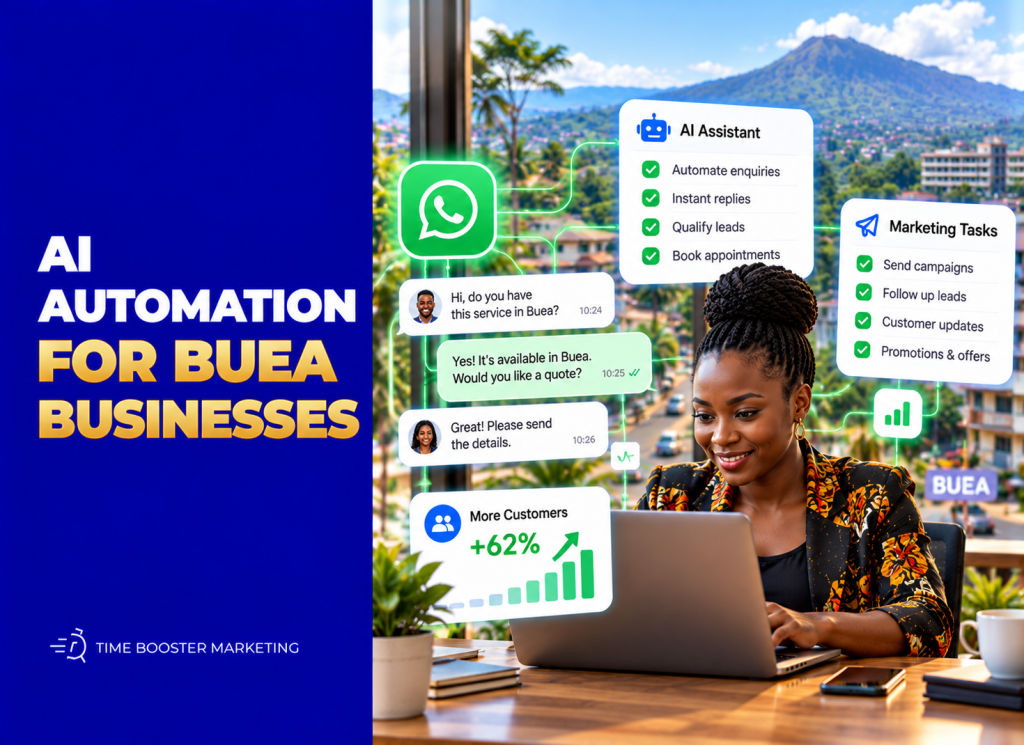

AI Automation for Businesses in Buea: Practical Ways to Save Time
AI automation is not magic. It is useful when it removes repetitive work, improves response speed, reduces missed leads, and helps staff focus on higher-value conversations.
A salon does not need “AI transformation.” It needs appointment reminders, customer follow-ups, and quick replies to common questions. A real estate agent does not need hype. They need a system that captures enquiries, qualifies budget, sends property options, and reminds staff to follow up. A school does not need a complicated AI stack. It needs admissions enquiries organized, FAQs answered, forms collected, and parents contacted professionally.
That is the real opportunity: practical automation around everyday business tasks.
What AI Automation Means for a Business in Buea
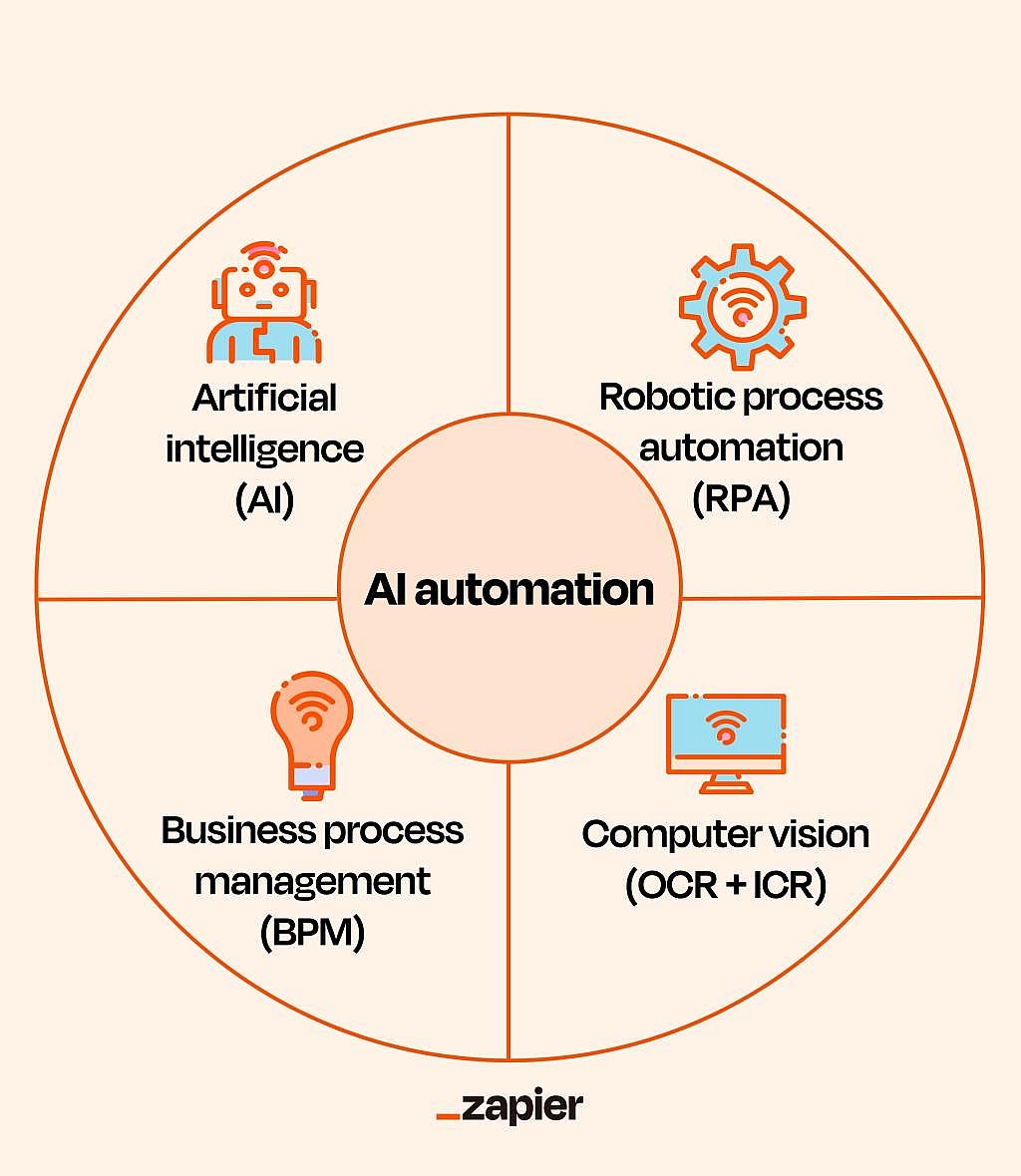
AI automation combines artificial intelligence with workflows.
AI helps generate, understand, summarize, classify, or respond. Automation moves information from one step to another without manual copying. Together, they can help a business capture leads, reply faster, create content, schedule meetings, update records, and produce reports.
Tools such as Zapier connect apps and automate workflows across marketing, sales, operations, and support. Zapier says businesses can automate real-time actions, connect apps, and build AI-powered workflows across thousands of integrations.
That matters because many Buea businesses already use several disconnected tools: WhatsApp, Gmail, Google Sheets, Facebook, Instagram, Google Forms, calendars, websites, and spreadsheets. Automation helps these tools work together instead of forcing staff to copy and paste information all day.
1. Lead Capture: Stop Losing Enquiries
Most small businesses lose leads before the sales conversation even starts.
Someone fills a form and nobody replies. A WhatsApp message is seen late. A Facebook lead is forgotten. A website enquiry enters an email inbox nobody checks. A customer asks for prices and disappears because the response took too long.
AI automation can fix this by creating a lead-capture workflow.
For example:
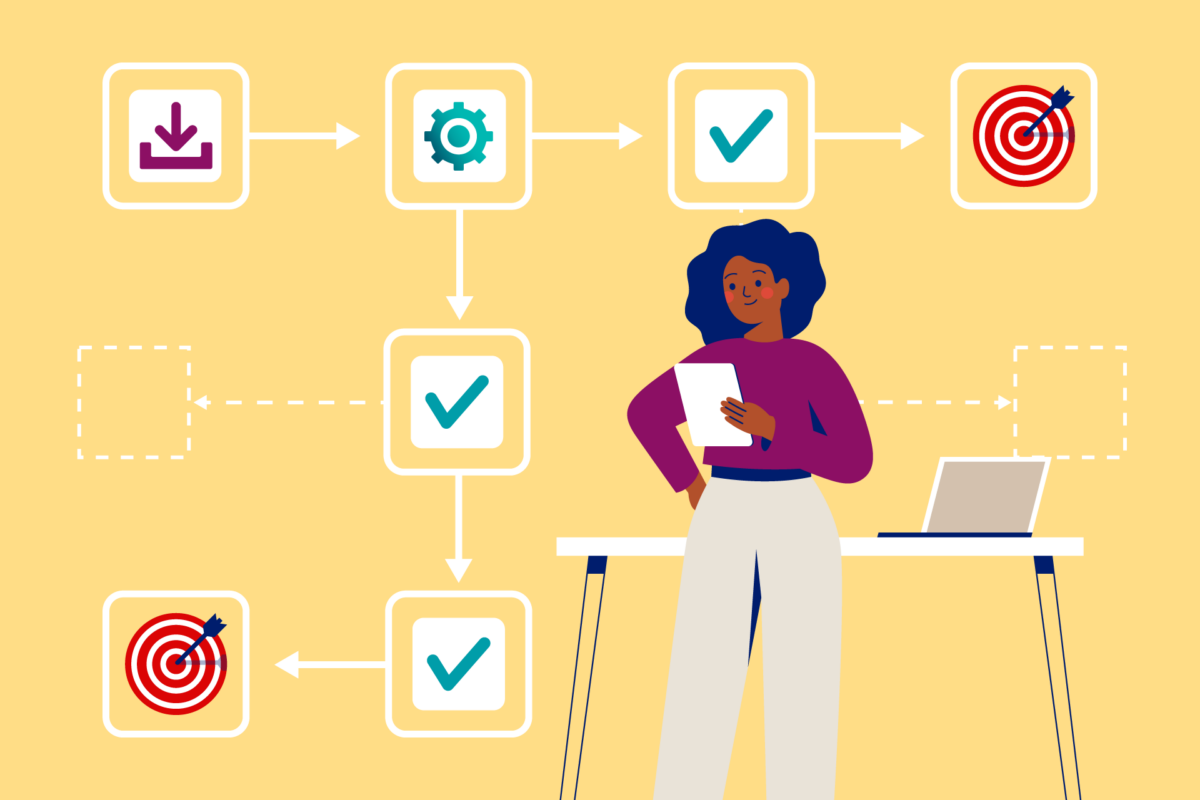
Website form submitted → lead saved in CRM → WhatsApp or email alert sent → customer receives automatic acknowledgement → staff follow-up task created.
This can work for schools, clinics, hotels, consultants, event vendors, agencies, and real estate businesses.
A basic version can use Google Forms and Google Sheets. A stronger version can use a CRM such as HubSpot, which offers free CRM tools and says AI tools are included across its CRM to help automate routine tasks and surface customer insights.
The goal is simple: no serious enquiry should depend on memory.
2. AI Chatbots: Answer Common Questions Faster
Many businesses answer the same questions every day.
What is the price?
Where are you located?
Are you open today?
Do you deliver?
What documents are required?
Can I book an appointment?
Do you have this product in stock?
An AI chatbot can answer common questions quickly, collect basic details, and pass serious customers to a human.
For WhatsApp-led businesses, the WhatsApp Business Platform supports automated messages, customer-service engagement, and feature-rich business communications.
For Cameroon-focused WhatsApp operations, a platform such as WanzieSend may also be worth evaluating because it presents itself as a WhatsApp marketing platform built on the WhatsApp Business API, with campaign management, personalization, scheduling, and analytics features.
The chatbot should not pretend to be a full salesperson. It should handle basic questions, qualify the lead, and hand over when the customer needs judgment, negotiation, reassurance, or a custom answer.
3. Follow-Up Automation: Recover Missed Sales
Many Buea businesses do not have a traffic problem. They have a follow-up problem.
A customer asks for a quote. The business replies once. The customer goes silent. Nobody follows up. The sale dies.
AI automation can create follow-up sequences based on customer stage.
For example:
New enquiry: Send acknowledgement.
Quote sent: Remind staff to follow up after 24 hours.
Payment pending: Send polite payment reminder.
Appointment booked: Send reminder the day before.
Service completed: Ask for feedback or review.
Inactive customer: Send a reactivation offer.
This is especially useful for salons, gyms, clinics, schools, restaurants, real estate agents, coaches, and agencies. Customers are busy. A respectful reminder can recover revenue that would otherwise disappear.
4. CRM Automation: Organize Customers by Stage
A CRM is not only for large companies.
A simple CRM helps you know who is a new lead, who needs follow-up, who received a quote, who paid, who bought before, and who should be contacted again.
Without CRM discipline, WhatsApp becomes a crowded inbox where serious leads get buried under casual messages.
CRM automation can:
- create a new contact after a form submission
- assign leads to staff
- tag customers by interest
- move deals by stage
- remind staff to follow up
- record customer source
- track campaign performance
- separate hot leads from cold leads
For a Buea real estate business, this could mean tagging leads by budget, location, property type, and viewing date. For a school, it could mean tracking parents by programme interest, child age, admission stage, and payment status.
5. Content Automation: Create Faster Without Sounding Generic
AI can help Buea businesses create content faster, but it should not replace real local insight.
Use AI to draft:
- Instagram captions
- WhatsApp campaign messages
- blog outlines
- email newsletters
- product descriptions
- flyer copy
- video scripts
- FAQs
- customer education posts
- event announcements
Google’s Gemini for Workspace is designed to help teams work across business apps and includes AI support for productivity, research, writing, and organization inside Workspace environments.
But AI-generated content should be edited. A boutique in Molyko, a restaurant near Mile 17, a school in Buea Town, and a tech startup serving diaspora clients should not sound the same. Add local examples, real offers, actual prices where appropriate, customer objections, and your brand tone.
6. Reporting Automation: Know What Is Working
Many business owners know they are busy, but they do not know what is working.
AI and automation can help summarize reports from Google Sheets, ad platforms, CRM tools, forms, WhatsApp campaigns, and website analytics.
A weekly report can show:
- leads captured
- source of leads
- response time
- quotes sent
- sales closed
- missed follow-ups
- campaign replies
- appointments booked
- content published
- website enquiries
- top customer questions
This changes management. Instead of guessing, the business can see where leads are coming from and where they are being lost.
A simple automation can pull form responses into a sheet, update a dashboard, and send a weekly summary to the owner or manager.
7. Appointment Automation: Reduce Back-and-Forth
Appointment scheduling wastes time when handled manually.
A customer asks, “Are you free on Friday?” Staff check the calendar. The customer delays. The slot changes. Someone forgets to confirm. The appointment is missed.
Scheduling tools such as Calendly help businesses automate bookings, share availability, send reminders, and connect with calendars. Calendly says its scheduling tools work with Google, Outlook, and Microsoft Office and can support booking links, reminders, and integrations with CRMs and workflows.
This can help:
- salons
- clinics
- consultants
- tutors
- coaches
- agencies
- photographers
- training centers
- legal offices
- repair services
The customer chooses an available slot. The business gets a confirmed appointment. Reminders reduce no-shows.
8. Human Handoff: Keep Trust in the System
AI automation should not trap customers in robotic conversations.
Some situations need a person:
- pricing negotiation
- complaints
- refunds
- medical or legal concerns
- high-value sales
- sensitive customer information
- custom orders
- emotional situations
- unclear requests
- angry customers
A good automation system knows when to stop.
For example:
Bot: “I can help with pricing, availability, and booking. If you need a custom package, I will connect you to our team.”
Then the system notifies a staff member.
This matters in Cameroon because many customers still want human reassurance before paying. Automation should support trust, not remove it.
Best AI Automation Use Cases by Business Type
Real Estate Businesses
Automate lead forms, budget qualification, property alerts, viewing reminders, and follow-up tasks.
Schools and Training Centers
Automate admissions FAQs, document checklists, enquiry forms, interview scheduling, and parent follow-ups.
Salons and Beauty Businesses
Automate appointment reminders, rebooking prompts, service menus, price enquiries, and birthday offers.
Restaurants and Catering Brands
Automate menu requests, event catering quotes, delivery FAQs, reservation confirmations, and customer feedback.
Clinics and Wellness Providers
Automate appointment scheduling, reminder messages, intake forms, general FAQs, and post-visit follow-up. Sensitive advice should remain human-led and professionally reviewed.
Agencies and Consultants
Automate proposal requests, discovery-call scheduling, onboarding forms, CRM updates, reporting, and content planning.
A Simple AI Automation Roadmap for Buea SMEs
Start small.
Week 1: Map repetitive tasks. Identify where leads are lost.
Week 2: Set up lead capture with forms, WhatsApp, or website enquiries.
Week 3: Add CRM tracking or a structured Google Sheet.
Week 4: Create automated follow-up reminders.
Week 5: Add appointment scheduling.
Week 6: Add chatbot replies for FAQs.
Week 7: Build basic weekly reporting.
Week 8: Review what saved time and what needs human attention.
Do not automate everything at once. Automate the tasks that create the most delay, confusion, or missed revenue.
Common Mistakes to Avoid
Do not automate a broken process.
Do not use AI to spam customers.
Do not send messages without permission.
Do not replace staff with a chatbot when customers need real answers.
Do not collect leads without follow-up.
Do not use too many tools before your team understands the workflow.
Do not ignore data privacy and access control.
Do not measure automation only by time saved. Measure leads recovered, response speed, bookings, revenue, and customer satisfaction.
AI Automation Should Make Your Business Easier to Work With
AI automation for businesses in Buea should be practical.
It should help you respond faster, capture leads cleanly, follow up consistently, organize customers, create content, schedule appointments, and understand performance. It should reduce repetitive work without damaging the human trust that customers expect.
The best automation system is not the most complex one. It is the one your team actually uses every week.
Start with one problem: missed leads, slow replies, forgotten follow-ups, scattered customer data, inconsistent content, manual appointment booking, or weak reporting. Fix that first. Then build from there.
AI should not make your business feel less human. It should give your team more time to be human where it matters most.