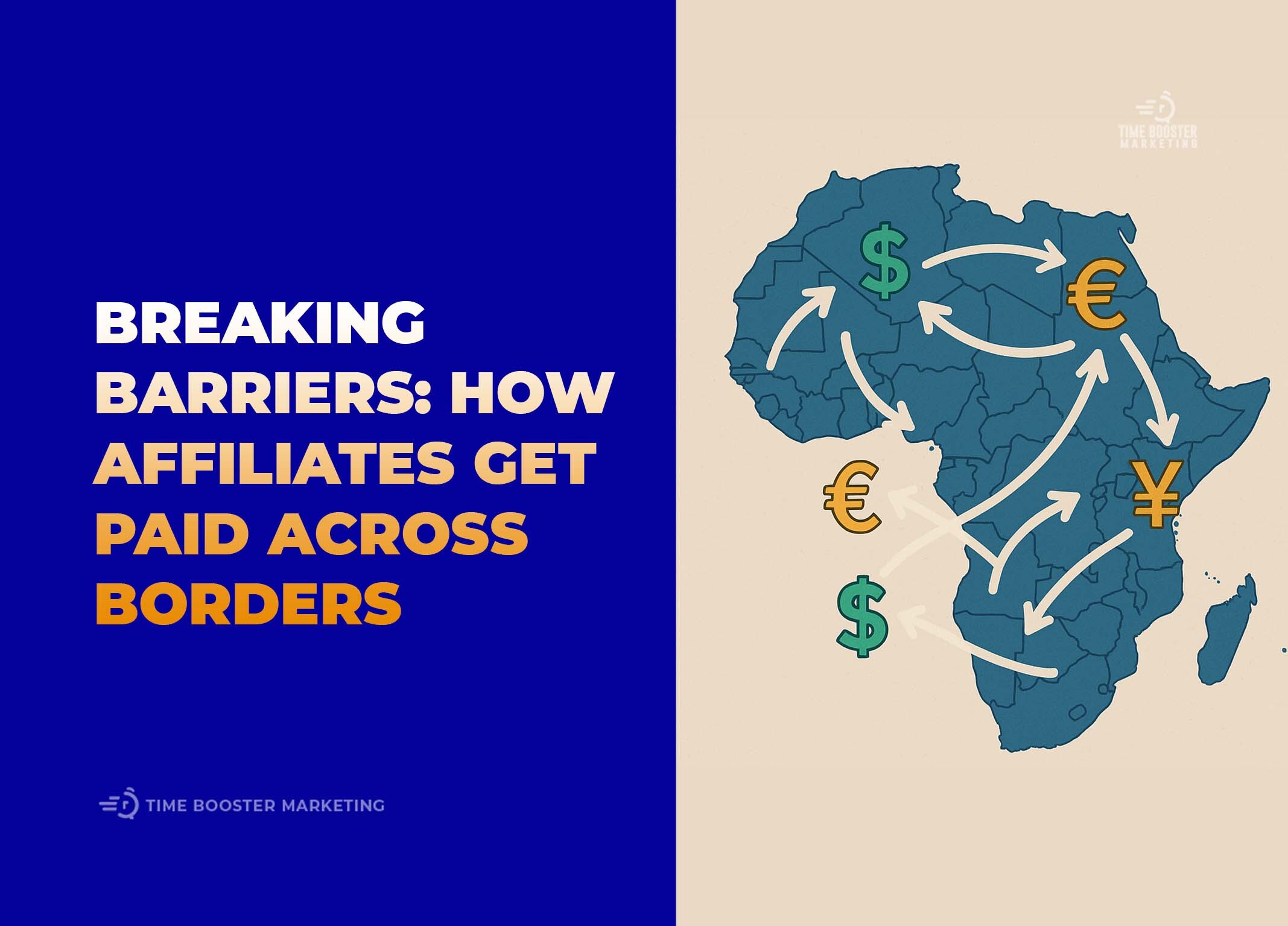
Affiliate marketers thrive in global markets. They promote products from the United States, Europe, Asia, and sometimes places they have never visited. But they still need their income to reach them in their own currency, on their own terms, and ideally without handing half of it to banks or middlemen. Maybe that is why Cross-Border Mobile Payments feel like the missing piece. They give you control. They respect your pace. They reduce the uncertainty that usually surrounds international payouts.
Why Cross-Border Mobile Payments Became a Necessity

The rise of affiliate marketing across emerging markets pushed payment systems to evolve. For years, affiliates relied on PayPal, wire transfers, and expensive international banking routes. Those methods worked, yes, but they were slow, expensive, and often inaccessible to marketers in countries with limited banking infrastructure. Cross-Border Mobile Payments emerged as the answer to that gap.
Reports from the GSMA Mobile Money Index show how mobile money ecosystems across Africa and parts of Asia grew faster than traditional financial systems. You can see this clearly in countries like Kenya, Ghana, and Uganda where mobile wallets became everyday financial tools. When you combine that growth with global affiliate earnings, a natural shift happened. More people started earning digitally. More people needed those earnings sent home. And mobile wallets were already positioned to handle local payouts with efficiency.
Think of platforms like Chipper Cash, Eversend, and Wave that built cross-border rails to help individuals move money from one country to another at a fraction of what banks charge. Publications like TechCrunch and Quartz Africa have covered these innovations for years, pointing out how young digital workers and marketers depend on them. Affiliate marketers fit that profile perfectly.
How Cross-Border Mobile Payments Actually Work
Cross-Border Mobile Payments use digital rails built by fintech companies to move money from an international balance into a mobile wallet in your home country. It sounds simple, but there is a whole system behind it. Affiliate networks usually pay out in USD or EUR. Fintech platforms convert this currency using their own exchange rates. Then they push the funds into your mobile wallet through integrations with services like M Pesa, MTN MoMo, Airtel Money, Orange Money, or your domestic digital wallet.
If this feels a little abstract, think of it the way Wise or Revolut move money globally, just adapted for regions where mobile wallets, not bank accounts, are the default financial identity. Cross-border systems operate on agreements with local telecoms, local regulators, and global payment partners, allowing them to send money internationally with fewer steps.
Analyses from Finextra and AfricaNenda show that the future of Cross-Border Mobile Payments lies in interoperability. That simply means the ability for one wallet in one country to talk to another wallet somewhere else. When that becomes seamless, affiliate payouts become instant, predictable, and far less stressful.
Common Challenges Affiliate Marketers Face With Cross-Border Payments
Even with all the improvements, the payout process still has its pain points. Some affiliate networks still do not support direct mobile payouts. Others rely on old systems that require bank verification before releasing digital funds. Conversion rates can fluctuate wildly. And compliance checks can delay payments for days.
This is why many affiliate marketers rely on layered solutions. Maybe you get paid into Payoneer because your affiliate program only supports bank transfers. Then you use Payoneer’s mobile app to send the money to a wallet like MTN MoMo. Or you transfer from Wise into Chipper Cash and then withdraw locally. You build your own payment workflow because the global systems are still catching up to what affiliates actually need.
Articles from CNBC Africa and Rest of World have covered the strange unpredictability of cross-border fintech in emerging markets. The systems are improving, but they still bend under pressure because regulation, technology, and financial inclusion are evolving simultaneously.
Why Currency Conversion Matters More Than People Think

One of the most overlooked parts of Cross-Border Mobile Payments is currency conversion. You can earn one hundred dollars, but how much that becomes in your local currency depends on the exchange rate of the platform handling the transfer. Some fintech tools offer better rates than banks. Others add hidden fees. And sometimes the difference between platforms can change your earnings significantly.
This is why many affiliate marketers compare rates across tools like Chipper Cash, Eversend, Wise, and even mobile wallet apps before cashing out. External reports from the World Bank Remittance Database show that Africa historically deals with some of the highest transfer fees in the world. Cross-Border Mobile Payments fight that trend by offering cheaper alternatives, but the rates still vary.
Pay attention to exchange timing. Pay attention to hidden transfer fees. When you depend on digital income, these small differences compound over months.
How Affiliate Networks Are Slowly Adapting
A few years ago, asking an affiliate program for mobile wallet payouts felt unrealistic. Now, many networks are taking the idea seriously because they have seen how many affiliates live in regions where mobile money is more reliable than banks. Some networks have started integrating with payout platforms like Tazapay, Tipalti, and Deel, which allow you to route payments to a digital wallet of your choice.
Industry research shared by Business Insider Africa shows how global companies are rethinking payout systems to accommodate the rapid growth of digital workers across Africa and Asia. Affiliate marketers fit that demographic, so the industry has begun making room for new payout expectations.
It may take time before every affiliate network adapts, but the shift has already begun.
Security, Fraud Risks, and How to Protect Your Income
Security is always part of the conversation around Cross-Border Mobile Payments. Using mobile wallets means relying heavily on your device, your SIM card, and your verification settings. Losing access to any of those can disrupt your payout workflow.
Cybersecurity resources from Kaspersky Africa and AfricaCERT show that fraud attempts often succeed when users ignore basic precautions like using weak PINs or installing unofficial wallet apps. The wallet systems themselves are usually secure. The human habits around them are not always as strong.
Affiliate marketers should treat their payout systems like business infrastructure. Back up your SIM registration. Use a biometric lock. Keep your phone updated. And avoid public Wi Fi when accessing wallet apps.
Your entire earning system depends on it.
Why Cross-Border Mobile Payments Empower Affiliate Marketers
When you step back and look at the whole picture, something stands out. Cross-Border Mobile Payments do more than help you receive money. They give you access to a global marketplace even when your domestic financial system is limited. They help you work with international clients without being trapped by local banking delays. They let you earn in dollars, euros, or pounds and still convert into your home currency without drama.
This freedom is one of the quiet advantages affiliate marketers gain. And maybe it explains why so many affiliates across emerging markets have been able to scale faster in the past five years. They are not just earning more. They are receiving more. The system works for them instead of against them.
If you are navigating Cross-Border Mobile Payments for the first time, start small. Choose one reliable wallet. Pair it with a trusted cross-border tool. Test the flow. Compare rates. Pay attention to delays. And if you ever want help designing a payout workflow that fits your country, your affiliate programs, and the tools you already use, just ask. You do not have to guess your way through it.