The way people find information online is changing, and it’s changing fast. Traditional search engine optimization (SEO) is evolving, and at the forefront of this shift is a new concept: Generative Engine Optimization (GEO). This guide is your ultimate resource for understanding and implementing Generative Engine Optimization in Africa, a continent with unique digital landscapes and immense potential. We will walk through what GEO is, why it’s a game-changer, and, most importantly, the seven biggest mistakes you need to avoid to succeed.
For years, we’ve focused on keywords and backlinks to get our content to the top of Google’s results page. Now, with the rise of AI-powered search engines like Google’s Search Generative Experience (SGE) and Perplexity AI, the rules are being rewritten. These new search engines don’t just give you a list of links; they synthesize information and provide direct, conversational answers. This is where GEO comes in. It’s the practice of optimizing your content to be the source of truth for these AI-driven answers.
What Is Generative Engine Optimization (GEO)?
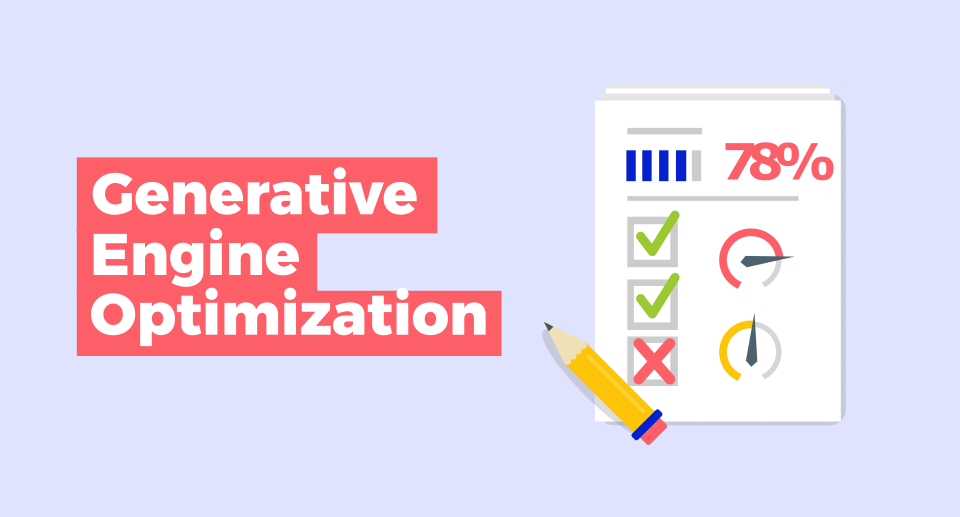
Before we dive into the mistakes, let’s get on the same page. Generative Engine Optimization, or GEO, is the process of creating and structuring your content so that AI-powered search engines can easily find, understand, and use it to generate answers for users. Think of it as the next evolution of SEO. While SEO focuses on ranking your website in a list of blue links, GEO focuses on making your content the foundational block for the AI’s summarized response.
This means your content needs to be more than just keyword-rich. It must be authoritative, clear, well-structured, and directly answer the questions your audience is asking. When someone asks an AI chatbot a question related to your industry, you want your website’s content to be the primary source cited in the generated answer. This positions your brand as an expert and drives highly qualified traffic.
The potential for Generative Engine Optimization in Africa is massive. With a young, tech-savvy population and rapidly growing internet penetration, the continent is leapfrogging many traditional digital hurdles. African users are quickly adopting new technologies, and AI-powered search will be no different. Businesses that master GEO now will have a significant competitive advantage in the years to come.
Mistake 1: Ignoring Local Languages, Dialects, and Slang
One of the most common and costly mistakes is treating Africa as a monolith. The continent is home to over 2,000 languages and countless dialects and local slang. A GEO strategy that works in English for a user in Lagos, Nigeria, will likely fall flat for a French-speaking user in Dakar, Senegal, or a user searching in isiZulu in Johannesburg, South Africa.
AI models are trained on vast datasets, but they often lack deep nuance in regional languages and colloquialisms. Relying solely on generic, translated content means you miss the opportunity to connect with your audience in the language they think and speak in. Users are more likely to trust and engage with content that feels natural and local.
How to Fix It:
- Conduct Localized Keyword Research: Don’t just translate your English keywords. Use tools and local teams to understand the specific phrases, slang, and questions people are using in their native language. For instance, in Nigeria, a user might search for “how to make jollof rice fast,” while in Ghana, the query might be slightly different.
- Create Content in Major Regional Languages: Prioritize creating high-quality content in the primary languages of your target markets. This could include French for West and Central Africa, Arabic for North Africa, Swahili for East Africa, and Portuguese for countries like Angola and Mozambique.
- Work with Native Speakers: Hire local content creators, translators, and marketers. They can ensure your content is not only linguistically accurate but also culturally appropriate and resonant. They will understand the subtle differences that an AI translation tool will miss.
By embracing Africa’s linguistic diversity, you can make your GEO efforts far more effective. You’ll be providing real value to users in a way that feels authentic and trustworthy, making it more likely that AI engines will surface your content.
Mistake 2: Failing to Account for Mobile-First and Data-Cost Realities
Across Africa, the primary device for accessing the internet is the mobile phone. According to GSMA, smartphone adoption in Sub-Saharan Africa is projected to reach 87% by 2030. However, many users are on prepaid data plans where every megabyte counts. Ignoring this reality is a recipe for failure.
If your website is slow to load, heavy on data, or not optimized for mobile screens, users will bounce before your content even has a chance to be seen. AI search engines also factor in user experience signals like page speed and mobile-friendliness. A poor mobile experience will not only frustrate users but also hurt your chances of being featured in a generative answer.
How to Fix It:
- Optimize for Page Speed: Compress images, minify CSS and JavaScript, and leverage browser caching. Use tools like Google’s PageSpeed Insights to test your site’s performance on mobile devices.
- Design for Mobile-First: Ensure your website has a responsive design that looks and works great on small screens. This means large, easy-to-tap buttons, readable fonts, and a simple navigation structure.
- Be Mindful of Data Usage: Avoid auto-playing videos, large uncompressed images, and unnecessary scripts that consume a lot of data. Consider creating lightweight versions of your pages or using technologies like Accelerated Mobile Pages (AMP).
- Test on Real Devices and Networks: Don’t just rely on simulators. Test your website on a range of popular, lower-end smartphones and on slower network conditions (like 3G) to understand the real-world user experience.
Focusing on a lightweight, mobile-first experience shows that you understand and respect your audience’s constraints. This builds goodwill and improves the technical signals that AI engines use for Generative Engine Optimization in Africa.
Mistake 3: Creating Culturally Irrelevant or Generic Content
Content that resonates in North America or Europe may not connect with an African audience. Cultural context, values, traditions, and even pop culture references vary wildly across the continent. Using generic stock photos of diverse-looking teams in Western office settings or writing about case studies that have no relevance to local market conditions will make your brand seem out of touch.
Generative AI pulls from content it deems authoritative and relevant. If your content doesn’t reflect the lived experiences and specific challenges of your African audience, it’s unlikely to be seen as a credible source for their questions. For example, a financial advice article for a European audience might focus on stock market investments, while one for a Kenyan audience might be more effective if it discusses M-Pesa and SACCOs (Savings and Credit Co-operative Organizations).
How to Fix It:
- Develop Detailed Audience Personas: Go beyond basic demographics. Understand the goals, challenges, and cultural context of your target users in specific African countries. What are their daily concerns? Who do they trust?
- Use Local Examples and Case Studies: Instead of referencing global brands, feature local success stories and businesses. If you’re selling a B2B product, showcase how a company in Nairobi or Accra used it to solve a local problem.
- Invest in Authentic Visuals: Avoid generic stock photography. Use images and videos that feature local people, places, and scenarios. This simple change can dramatically increase the relatability of your content.
- Address Local Pain Points: Your content should provide solutions to problems that are specific to your audience. A marketing guide for small businesses in South Africa should address challenges like load shedding (power cuts) and its impact on digital operations.
By rooting your content in local culture and reality, you create a powerful signal of relevance. This not only builds trust with users but also tells AI engines that you are a true expert on your topic within that specific regional context.
Mistake 4: Overlooking the Power of Voice Search
With the rise of smart speakers and mobile assistants, voice search is becoming increasingly important worldwide. In Africa, where literacy rates can vary and typing on mobile keyboards can be cumbersome, voice search presents a massive opportunity. Many users find it easier and faster to speak their query than to type it.
AI-powered generative answers are inherently conversational, making them a perfect match for voice search. When a user asks their phone, “What’s the best way to get a small business loan in Ghana?”, the AI assistant will read out a concise, generated answer. If your content isn’t optimized for this format, you’ll miss out entirely. GEO and voice search optimization are two sides of the same coin.
How to Fix It:
- Focus on Conversational Keywords: People speak differently than they type. Optimize your content for long-tail, question-based keywords. Think “who,” “what,” “where,” “when,” “why,” and “how.”
- Structure Content for Featured Snippets: Use clear headings, bullet points, and numbered lists. Create concise, direct answers to common questions. This structure is easy for AI to parse and is often used to create both featured snippets and generative answers.
- Create FAQ Pages: Develop dedicated FAQ pages that address the most common questions your audience has. Frame each question and answer clearly. For example, an H2 heading could be “How long does it take to register a business in Rwanda?” followed by a direct, paragraph-length answer.
- Ensure Readability: Write in a simple, clear, and conversational tone. AI assistants will read your content aloud, so it needs to sound natural when spoken. Read your content out loud to check its flow.
Optimizing for voice search is a critical component of a modern strategy for Generative Engine Optimization in Africa. It aligns your content with natural user behavior and positions you to win in the new era of conversational AI.
Mistake 5: A One-Size-Fits-All Strategy for the Entire Continent
This mistake is closely related to the points on language and culture but deserves its own section because it’s so pervasive. Businesses often launch an “Africa strategy” that treats 54 diverse countries with a combined population of over 1.4 billion people as a single market. This is a fundamental misunderstanding of the continent.
The regulatory environment in Nigeria is different from Kenya. The consumer behavior in Egypt is different from that in South Africa. The digital infrastructure in Rwanda is more advanced than in some of its neighbors. A GEO strategy that doesn’t account for these regional and national differences is doomed to fail.
How to Fix It:
- Start with a Tiered Approach: You can’t be everywhere at once. Identify a few key markets to focus on first based on your business goals and market research. For example, you might start with Kenya, Nigeria, and South Africa before expanding.
- Conduct Market-Specific Research: For each target country, research the local competitive landscape, regulatory requirements, popular payment methods, and media consumption habits. This information will shape your content and marketing strategy.
- Adapt Your Value Proposition: The core benefit of your product or service might be the same, but how you frame it should change. In a market with high youth unemployment, you might frame your educational product as a tool for “gaining job skills,” while in a more developed market, you might frame it as a tool for “career advancement.”
- Create Country-Specific Landing Pages: Develop tailored content for your key markets. This could include pricing in the local currency, testimonials from local customers, and content that addresses local regulations or trends.
A tailored, country-by-country approach requires more effort, but the return on investment is exponentially higher. It shows a genuine commitment to understanding and serving each market, a signal that both users and AI engines will reward.
Mistake 6: Over-Relying on Generic AI-Generated Content
It’s tempting to think that you can use AI to fight AI. With the rise of powerful writing tools, many brands are churning out massive volumes of AI-generated content, hoping to game the system. However, this is a short-sighted strategy that often backfires, especially in the context of GEO.
AI search engines are designed to identify and reward content that demonstrates what Google calls E-E-A-T: Experience, Expertise, Authoritativeness, and Trustworthiness. Generic, soulless content created by an AI without human oversight, fact-checking, or unique insight fails on all four counts. It often lacks the nuance, personal experience, and cultural context needed to be truly helpful.
How to Fix It:
- Use AI as a Tool, Not a Replacement: AI can be a fantastic assistant for brainstorming ideas, creating outlines, and polishing drafts. However, the core ideas, unique insights, and final edits should come from a human expert.
- Inject First-Hand Experience: The “Experience” part of E-E-A-T is crucial. Share real stories, personal anecdotes, and unique data that only you have. This is something a generic AI model cannot replicate.
- Fact-Check Everything: AI models can “hallucinate” or make up facts. Always verify any data, statistics, or claims generated by an AI with credible, authoritative sources before publishing.
- Develop a Unique Brand Voice: Your content should have personality. It should sound like it was written by a real human who is passionate and knowledgeable about the topic. This is a key differentiator.
Your goal is not to produce the most content, but the best content. A successful Generative Engine Optimization in Africa strategy relies on quality, not quantity. Use human expertise to guide AI tools to create content that is genuinely valuable, trustworthy, and unique.
Mistake 7: Misunderstanding User Intent in a Conversational Context
In traditional SEO, user intent is often categorized as informational, navigational, transactional, or commercial. In the world of GEO, intent becomes more nuanced and conversational. Users are not just typing keywords; they are asking questions, often in a follow-up sequence.
For example, a user’s journey might look like this:
- “What are the best solar panels for a home in Nigeria?”
- “How much do they cost?”
- “Who are the most reliable installers in Lagos?”
- “Do they offer financing options?”
If your content only answers the first question, you lose the opportunity to guide the user through their entire journey. Misunderstanding or ignoring this conversational path means you are leaving value on the table and failing to establish yourself as a comprehensive resource.
How to Fix It:
- Map Out User Journeys: Think about the logical sequence of questions your audience might ask. Anticipate their next query and provide the answer proactively.
- Create Content Clusters: Build your content around core topics. Create a central “pillar page” that provides a broad overview of a topic (e.g., “Solar Power for Homes in Kenya”) and then link out to more detailed “cluster pages” that answer specific questions (e.g., “Cost of Solar Panels in Kenya,” “Best Solar Installers in Nairobi”). This structure is ideal for AI engines.
- Use Clear, Action-Oriented Headings: Structure your articles with headings that directly match user questions. This makes it easy for both users and AI to find the exact information they need.
- Include Internal Linking: Guide users (and AI crawlers) from one piece of related content to the next using descriptive internal links. This helps them navigate the conversational path you’ve mapped out.
By anticipating and comprehensively answering the full spectrum of a user’s conversational query, you position your brand as the ultimate authority. This makes it highly likely that generative AI will use your content as the primary source for its answers.
Conclusion: Your Next Steps for GEO Success in Africa
Generative Engine Optimization is not just another marketing buzzword; it’s a fundamental shift in how we connect with audiences online. For businesses looking to grow in Africa’s dynamic digital ecosystem, mastering GEO is not optional, it’s essential. By avoiding these seven common mistakes, you can build a strategy that is respectful, relevant, and highly effective.
To recap, success in Generative Engine Optimization in Africa requires you to:
- Embrace local languages and dialects.
- Build for a mobile-first, data-conscious audience.
- Create culturally rich and relevant content.
- Optimize for the conversational nature of voice search.
- Adopt a tailored, market-specific approach.
- Use AI as a tool guided by human expertise.
- Understand and map the entire conversational user journey.
The journey to mastering GEO is a marathon, not a sprint. It requires a deep commitment to understanding your audience and creating content that genuinely serves their needs. The good news is that by focusing on these principles, you are not just optimizing for robots; you are building a stronger, more authentic relationship with your customers.
What are your biggest questions about implementing GEO for your business in Africa? Share your thoughts in the comments below. Let’s learn and grow together in this exciting new era of search.