
What Are Google Search Algorithms?

“Google Search Algorithms” is the term for the set of rules and procedures Google uses to decide which web pages to show for any search query, and in what order.
These algorithms analyze many signals: how well content matches the searcher’s query; how reliable the site seems; how many other sites link to it; how fast and usable the page is; where the user is; how content is structured; and more.
For you, as a business owner in Cameroon, understanding Google Search Algorithms helps you design your website, content, and SEO strategy so that Google will favor your pages.
Historical Context and Evolution of Google Search Algorithms
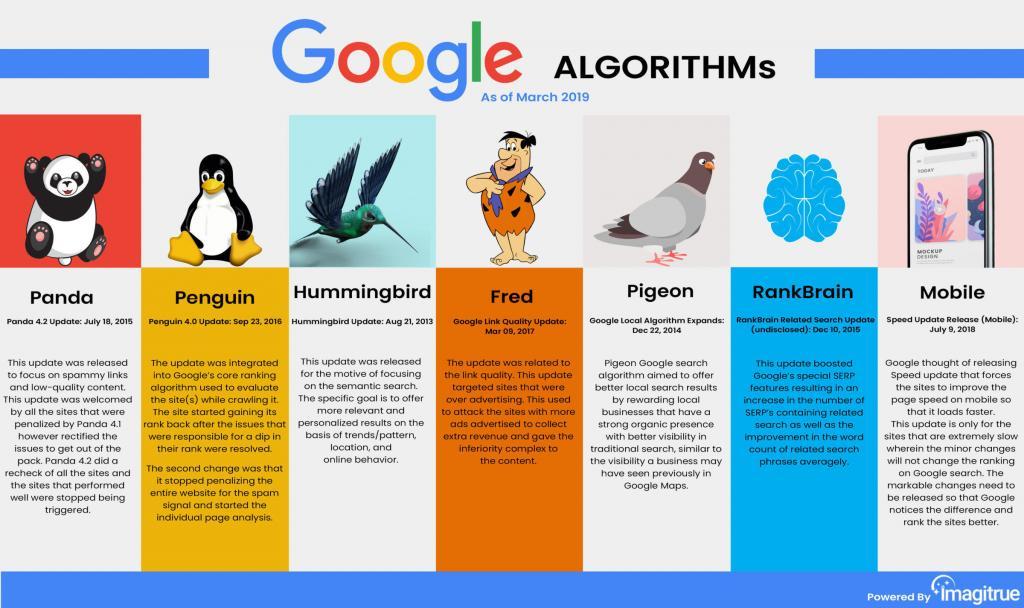
To see where we are now, it helps to walk through key developments:
- Early on, Google used simpler algorithms. PageRank, developed in the late 1990s and early 2000s, used links to measure a page’s importance. It is assumed that pages linked by many others are more authoritative. (Wikipedia: PageRank) (Wikipedia)
- Over time, Google added quality filters. Updates like Panda (targeting low-quality or thin content) penalize pages with too much fluff or duplicate content. (Wikipedia)
- The Hummingbird update (circa 2013) shifted focus toward meaning, natural language, and context rather than matching exact keyword phrases. (Wikipedia)
- RankBrain, part of Google’s machine learning layers, helps Google interpret queries even when they are new or slightly different, by understanding intent and similarity. (Google for Developers)
- More recently, Google has rolled out thousands of smaller algorithm changes every year. The search ranking systems now include many signals: content relevance, quality, user experience (speed, mobile usability), link authority, and local relevance. (Search Engine Journal)
Role of Digital Transformation & Current Industry Shifts in Cameroon (With Stats)
Digital shifts are changing how Google Search Algorithms affect local businesses.
- As of early 2025, 12.4 million people in Cameroon used the internet, about 41.9% of the population. (DataReportal – Global Digital Insights)
- Mobile broadband is increasingly common. Many users access via phones. That means mobile usability and speed are no longer optional. If your site loads slowly on mobile, Google’s algorithms may penalize you. (DataReportal – Global Digital Insights)
- Search engine usage in Cameroon is dominated by Google: over 96% market share in search engine market share metrics. That means optimizing around Google’s algorithms is critical. (StatCounter Global Stats)
- Internet connectivity challenges: some studies show inconsistent speeds, unreliable service, or high cost in some areas. These issues affect how fast pages load, which in turn affects rankings under Google Search Algorithms. (ResearchGate)
These transformations mean that Cameroon businesses have both opportunity and risk: if you align with how Google’s algorithms work, you can win visibility; if not, your site might lag.
Key Components of Google Search Algorithms That Matter Locally
Here are the principal factors in Google Search Algorithms you must understand, especially as a Cameroon business:
- Relevance: How well the content matches what the searcher wants. Google looks for content that answers queries clearly.
- Quality: Depth, originality, authority, trustworthiness. The algorithm favors content that seems helpful, accurate, and well-written.
- Experience, Expertise, Authoritativeness, Trustworthiness (E-E-A-T): These signals help Google decide whether the content and site are credible.
- Backlinks/authority links: Links from other trusted sites still matter. They act as votes of confidence.
- User Experience (UX): Page speed, mobile friendliness, low bounce rates, easy navigation. Google’s Page Experience signals feed into algorithms.
- Local signals: User location, business presence locally, local content, reviews. For Cameroon, local relevance helps differentiate.
- Structured data/schema: Helps Google understand content better; may help in rich results.
- Content freshness & updates: Keeping content updated, relevant, and aligned with new information or events helps.
- Technical SEO: Clean site architecture, sitemaps, robots.txt, and avoiding crawl errors.
- Spam / negative signals: Over-optimization, keyword stuffing, thin content, broken links, and slow server response can hurt.
Challenges Cameroon Businesses Face with Google Search Algorithms
Understanding theory is one thing; in practice, local challenges make applying Google Search Algorithms difficult for many:
- Limited Infrastructure & Speed
Where internet or mobile broadband speed is slow, heavy content, large images, or slow servers harm UX and rankings. - Cost & Access to Expertise
Hiring good content writers, SEO specialists, or developers who understand all the signals can be expensive or hard to find. - Language & Localization
Cameroon has both French and English official languages; many local dialects; sometimes mixed language content. Algorithms may favor content in dominant languages or miss nuance. - Content Quality & Depth
Many local business sites have thin content, replicated or copied text, few original insights or data. That undermines quality signals. - Backlink & Authority Challenges
Getting links from high authority domains can be harder locally. Many businesses may not have exposure or networks. - Algorithm Change & Transparency
Google makes changes often, with little advance notice. Keeping track and adapting is resource-intensive.
Examples & Success Stories
These cases show how understanding and aligning with Google Search Algorithms helps businesses grow.
- The global “How Google’s Search Algorithm Works” guide from Semrush explains how relevance, quality and UX matter, and many users who applied those saw ranking improvements. (Semrush)
- Search Engine Journal’s article on Google Algorithm History shows that sites that kept content quality high, avoided spam, and updated content frequently fared better across updates. (Search Engine Journal)
Practical Strategies You Can Use to Align with Google Search Algorithms
Here are actionable steps you can take to work with Google’s algorithms, not against them:
- Keyword Research with Intent
Find what your audience is searching for. Use both English and French. Use tools to find information and purchase queries. Match content to what people search. - High-Quality, Helpful Content
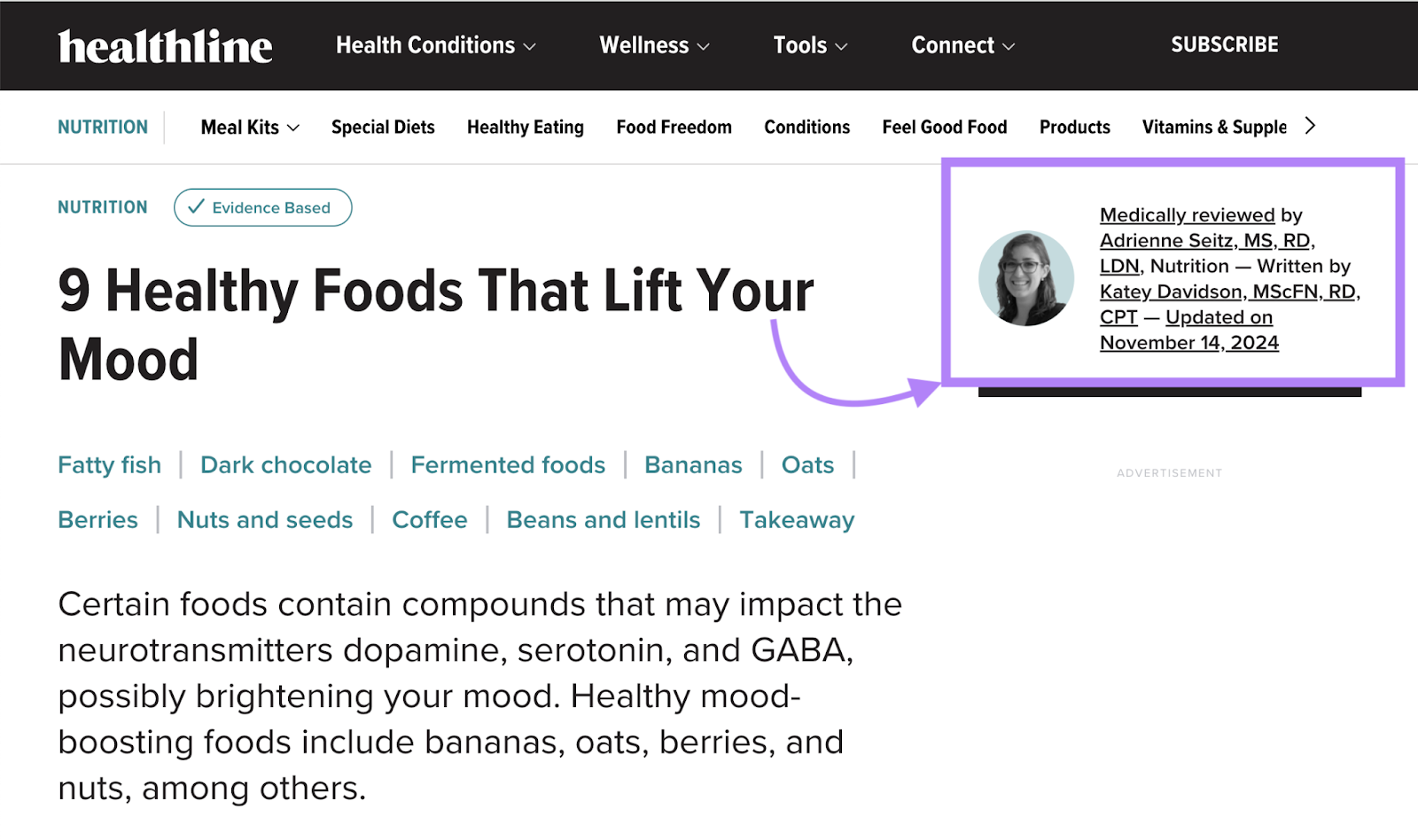
Write content that answers questions people ask. Use depth, examples, and local relevance. Avoid fluff. - Optimize for Mobile & Speed
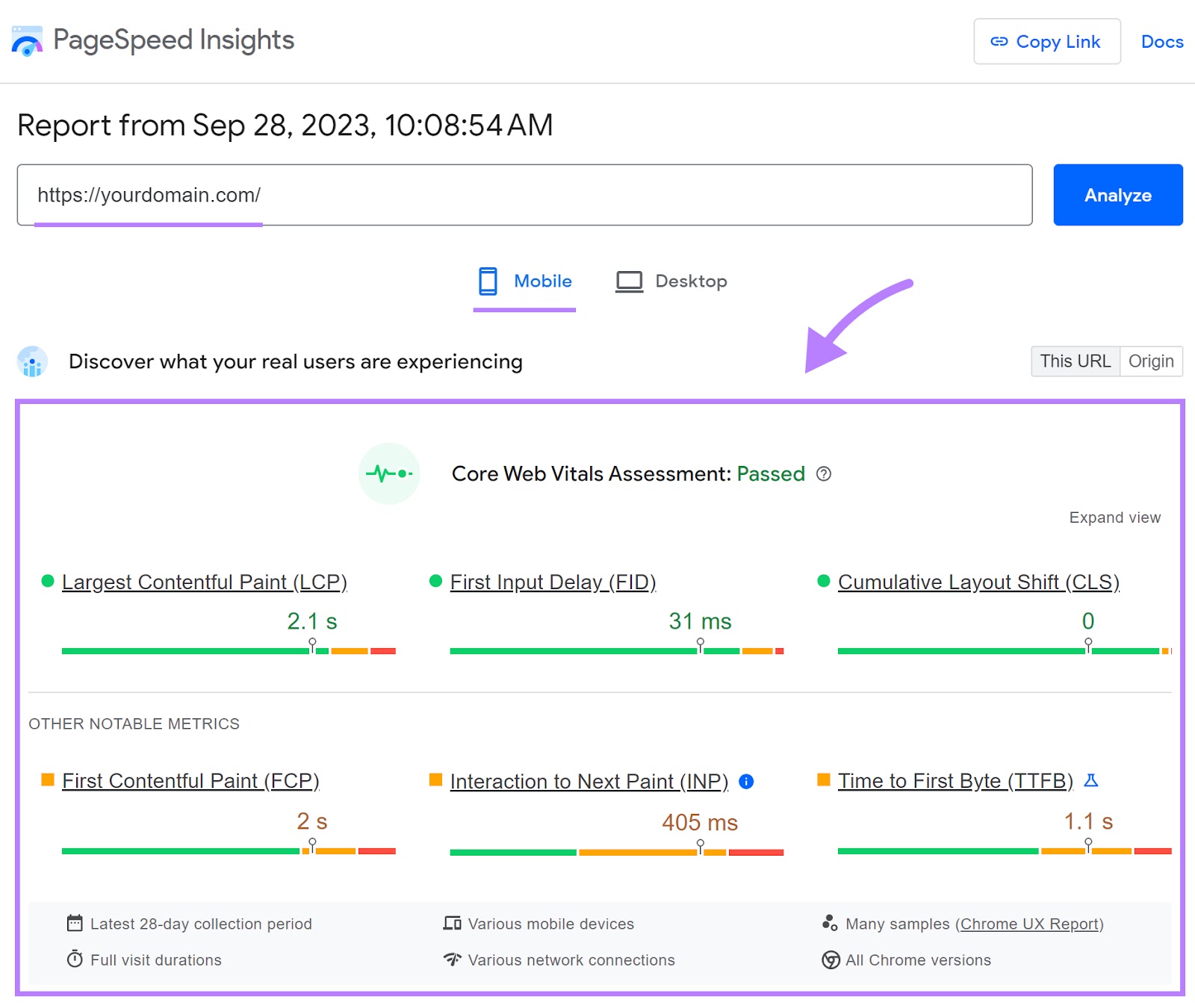
Make sure your site is responsive. Reduce image sizes, use mobile-friendly layouts, and opt for fast hosting. Use Google PageSpeed Insights to test. - Local SEO & Local Signals
Optimize for local presence: business listings, Google Business Profile, local reviews, and address info. Write content talking about local issues or stories. - Build Trustworthy Backlinks
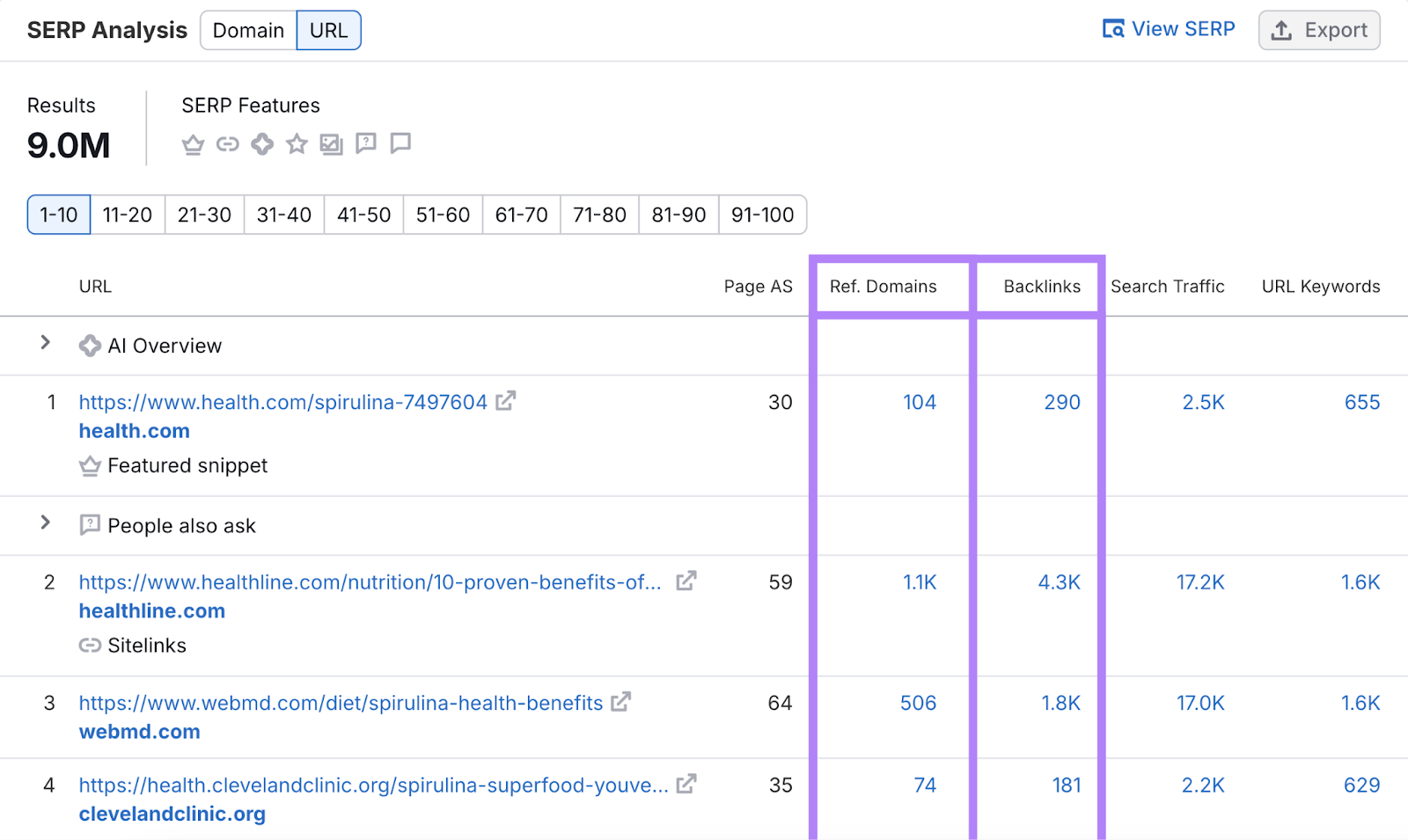
Reach out to local blogs, news sites, and associations. Create content others want to link to (case studies, guides, original data). - Use Schema / Structured Data
Schema helps clarify content type to Google (products, local business, FAQs). Helps with rich snippets. - Monitor & Stay Updated
Use Google Search Console to watch for crawl errors and indexing issues. Use tools to monitor rankings. Keep an eye on Google algorithm updates (Search Engine Journal, Google’s own announcements). - User Experience Improvements
Clean navigation, good site architecture. Easy menus. Low bounce rate. Use analytics to see which pages users leave fast. Fix those. - Avoid Black-Hat Tactics
No keyword stuffing, no hidden text, no buying spammy links. Those can cause penalties and drops in traffic. - Regular Content Refresh
Update your old content: ensure that facts, dates, and statistics are current. Add new insights or changes in the local context.
How to Audit Your Website According to Google Search Algorithms
Here is a checklist you can follow to audit your site so that you align with Google Search Algorithms:
| Area | What to Check | Tools to Use |
|---|---|---|
| Relevance & Keywords | Are your pages targeting user intent? Are English/French keywords balanced? | Google Keyword Planner, Ahrefs, Ubersuggest |
| Content Quality | Is your content deep, helpful, not duplicated? | Copyscape, content audits |
| UX & Speed | Does the site load fast on mobile? Are images optimized? | PageSpeed Insights, Lighthouse |
| Technical SEO | Any broken links, missing sitemaps, robots.txt issues, HTTPS usage? | Search Console; Screaming Frog |
| Backlink Profile | Quality of links pointing to you, relevance, toxicity | Ahrefs, Moz, SEMrush |
| Local Signals | Local listings, address info, reviews, Google Business Profile | Google My Business, local directories |
| Schema / Structured Data | Are rich snippets or schema used where possible? | Structured Data Testing Tool |
Future Outlook & Opportunities
Looking ahead, here’s how Google Search Algorithms are likely to evolve, and where you can position your business:
- More use of AI in search result summaries and overviews; content that answers directly may get featured more.
- Increasing importance of voice search, conversational search queries.
- More local ranking signals (near me, region, community relevance).
- Stronger signals of experience, authoritativeness, trustworthiness. Content creators may need to show credentials, transparency.
- Search will favor sites that offer good performance and privacy.
- More frequent small updates; staying informed and agile will be an advantage.
Conclusion
Understanding Google Search Algorithms is not optional, it’s essential for Cameroon businesses that want to be seen and trusted online. If you focus on relevance, quality, user experience, local signals, avoid spammy practices, and stay updated, Google will reward you with better visibility and traffic.
You’ve seen history, current trends, challenges, real examples, and a practical strategy you can use. Start applying at least a few of these today, improve content, speed up your site, and ask for local reviews.