
Best Practices for Starting and Growing a YouTube Channel in Cameroon
Starting a YouTube channel in Cameroon is not the hard part.
The hard part is choosing a clear niche, publishing consistently, improving your content, and staying patient long enough for the right audience to understand why your channel matters.
Many beginners create a channel, upload three random videos, get low views, and stop. That is the wrong way to think about YouTube. A channel is not one video. It is a content system.
YouTube’s official guide on how to create a YouTube channel explains that you need a channel to upload videos, comment, create playlists, and have a public presence on YouTube. For creators, businesses, and educators in Cameroon, that public presence can become a powerful asset if it is built with strategy.
Step 1: Choose a Niche Before You Create Content
A niche is not simply a topic. It is the clear promise your channel makes to a specific audience.
A weak niche says:
I post lifestyle videos.
A stronger niche says:
I help young Cameroonians learn digital skills for work and business.
Another weak niche says:
I make business videos.
A stronger niche says:
I teach small-business owners in Cameroon how to use WhatsApp, Facebook, and Google to get customers.
The formula is simple:
Audience + problem + content promise
Examples:
- Students preparing for exams in Cameroon
- SMEs learning digital marketing
- Diaspora viewers interested in Cameroon business
- Farmers learning practical agribusiness
- Parents looking for education advice
- Young professionals learning career skills
- Christians looking for Bible teaching
- Food lovers discovering Cameroonian recipes
- Tourists exploring Cameroon destinations
A focused niche helps YouTube understand who may enjoy your videos. It also helps viewers decide whether to subscribe.
Step 2: Set Up the Channel Properly
Do not launch with an empty profile.
Your channel should look credible from day one. Add a clear profile picture, banner, channel name, handle, description, contact email, and links to your website or social media pages.
If you are building a business, school, ministry, media brand, or association channel, create a channel connected to a Brand Account where appropriate so multiple owners or managers can help manage it. YouTube’s channel creation guide explains that Brand Accounts can be used when you want a YouTube channel with a different name from your Google Account or multiple managers.
Your channel description should answer:
Who is this channel for?
What videos will they find here?
Why should they trust you?
How often should they expect content?
For example:
This channel helps small-business owners in Cameroon use digital tools to attract customers, improve sales follow-up, and grow with practical marketing systems.
That is stronger than:
Welcome to my channel. Please like and subscribe.
Step 3: Build a 30-Video Content Plan
Do not start by asking, “What should I post today?”
Start by planning your first 30 videos. This removes pressure and gives the channel direction.
Use five content buckets:
Educational Videos
Teach something useful.
Examples:
- How to register a business in Cameroon
- How to use WhatsApp Business for sales
- How to prepare for GCE exams
- How to create a simple budget for an SME
Problem-Solving Videos
Answer common questions your audience already asks.
Examples:
- Why your Facebook ads are not bringing customers
- Why students fail oral presentations
- Why small restaurants lose repeat customers
- Why your CV is not getting recruiter replies
Story-Based Videos
Share lessons from real experience.
Examples:
- What I learned starting a business in Douala
- Mistakes I made during my first year on YouTube
- How we organized our first community event
Review or Comparison Videos
Help viewers make decisions.
Examples:
- Best affordable phones for content creation
- WhatsApp Business App vs WhatsApp API
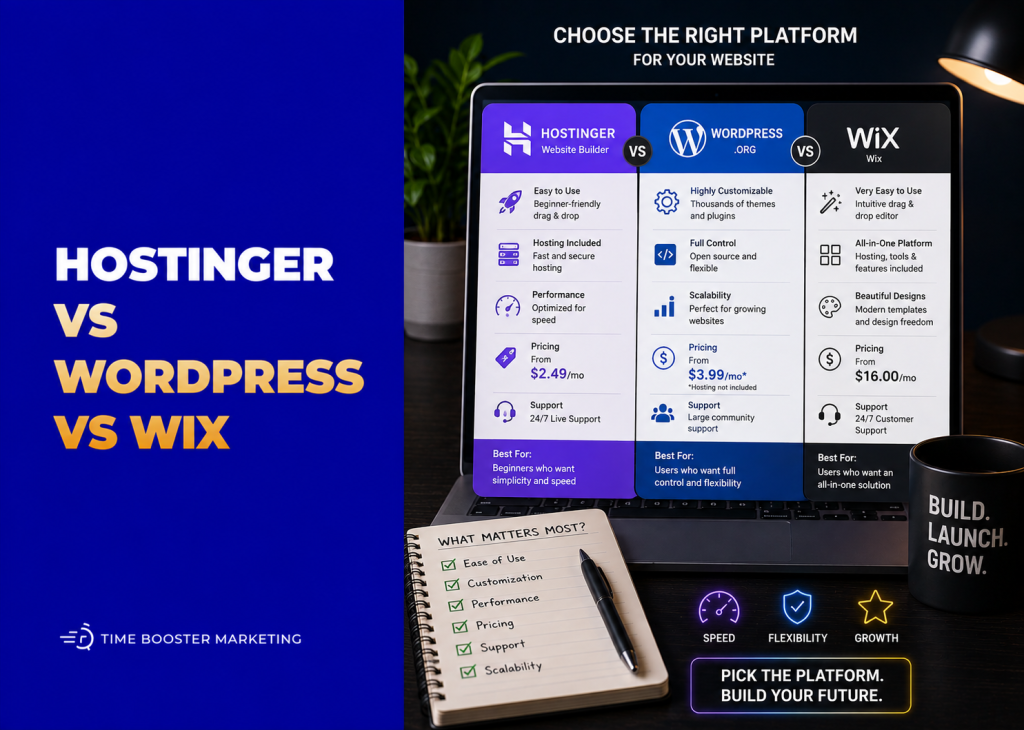
- Hostinger vs local web hosting for beginners
Trust-Building Videos
Show proof, process, behind-the-scenes work, testimonials, field visits, or project updates.
This is especially useful for businesses because customers often need to trust you before they call, book, or pay.
Step 4: Start With Simple Equipment
You do not need a studio to begin.
Many Cameroonian creators can start with:
- smartphone
- natural window light
- affordable lapel microphone
- quiet room
- simple tripod
- free editing app
- clear script outline
Audio matters more than expensive video. People may tolerate average visuals, but they will leave quickly if they cannot hear you clearly.
Keep your background clean. Face the light. Record in a quiet place. Speak clearly. Cut unnecessary pauses. Add captions when possible, especially if your audience includes English and French speakers.
Step 5: Publish Consistently
Consistency does not mean posting every day.
It means choosing a schedule you can maintain.
For beginners, one strong video per week is better than five rushed videos followed by silence. You can add Shorts between long videos, but do not let Shorts distract you from building deeper content if your niche requires teaching, explanation, or trust.
A practical schedule:
Week 1: One long video
Week 2: One long video + two Shorts
Week 3: One long video
Week 4: One long video + one community-style update
Repeat for three months.
The goal is to train yourself and your audience. Viewers should know what kind of value to expect from your channel.
Step 6: Optimize Every Upload
Uploading is not only selecting a video file.
YouTube’s official upload guide shows that creators can add important details such as title, description, thumbnail, playlist, audience setting, age restriction, language, recording location, subtitles, cards, end screens, and visibility settings when uploading videos.
For every video, prepare:
Title: Make the benefit clear.
Thumbnail: Show the topic visually.
Description: Explain what the video covers.
Chapters: Help viewers navigate longer videos.
Playlist: Group related videos.
Subtitles: Help accessibility and bilingual audiences.
End screen: Send viewers to another useful video.
Do not use vague titles like:
My New Video
Use search-friendly titles:
How to Start a Small Business in Cameroon With 100,000 XAF
How to Use WhatsApp Business for Your Salon in Douala
5 Mistakes New YouTubers in Cameroon Should Avoid
YouTube’s thumbnail and title tips recommend thinking about who may watch your video, where they may find it, and reviewing analytics to understand how thumbnails and titles perform.
Step 7: Use Shorts Strategically
YouTube Shorts can help a new channel get discovered faster, but Shorts should support your main channel direction.
Do not post random comedy Shorts on a channel meant to teach business finance unless that humor connects clearly to the niche.
Use Shorts for:
- quick tips
- myth corrections
- short stories
- before-and-after examples
- definitions
- highlights from long videos
- direct answers to common questions
A good Shorts strategy feeds the main channel. For example, a 45-second Short on “3 WhatsApp Business mistakes” can point viewers toward a full tutorial on WhatsApp marketing.
Step 8: Read YouTube Analytics Every Month
Do not guess what is working.
YouTube’s official YouTube Analytics guide explains that creators can use YouTube Studio to review metrics such as reach, engagement, audience, content performance, traffic sources, impressions, click-through rate, watch time, and revenue where available.
For beginners, track these numbers:
Impressions: How often YouTube showed your video.
Click-through rate: Whether people clicked the title and thumbnail.
Average view duration: Whether viewers stayed.
Audience retention: Where people dropped off.
Subscribers gained: Which videos attracted loyal viewers.
Traffic sources: Whether viewers came from search, suggested videos, Shorts, external links, or channel pages.
Use the data to improve the next video. If people click but leave early, fix your intro. If people do not click, improve the title and thumbnail. If one topic performs better, make related videos.
Step 9: Grow With Community, Not Only Uploads
YouTube growth is not only publishing videos. It is building audience trust.
Reply to comments. Ask viewers what they want explained next. Share videos on WhatsApp Status, Facebook groups, LinkedIn, Telegram communities, school groups, church groups, and business networks where relevant.
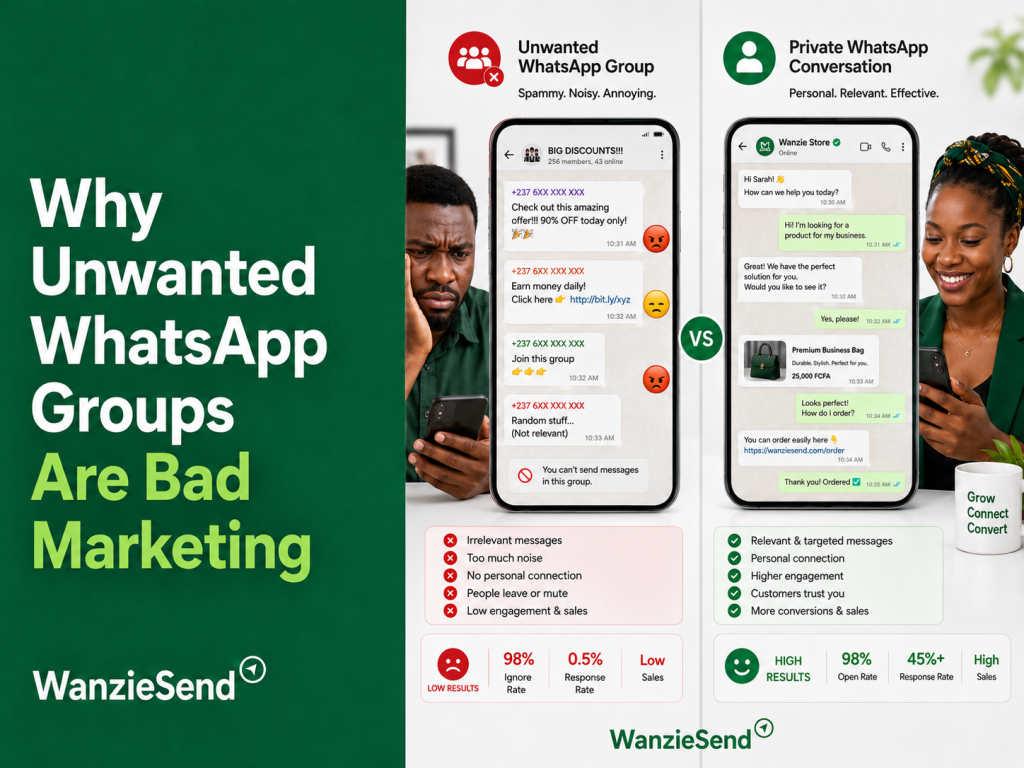
For Cameroon, WhatsApp distribution matters. Many people may discover your first videos because someone shares them in a group, not because the algorithm found them immediately.
But do not spam groups. Share videos with context:
I made this guide for small-business owners who want to use WhatsApp Business more professionally. It may help anyone managing customer enquiries manually.
That sounds useful. Randomly dropping links does not.
Step 10: Prepare for Monetization, but Do Not Depend Only on Ads
YouTube monetization is possible, but it takes time.
YouTube’s official YouTube Partner Program eligibility page says channels can become eligible through either 1,000 subscribers with 4,000 valid public watch hours in the last 12 months, or 1,000 subscribers with 10 million valid public Shorts views in the last 90 days, plus other requirements such as following monetization policies, having no active Community Guidelines strikes, enabling two-step verification, and linking an AdSense for YouTube account.
But Cameroonian creators should not rely only on ad revenue.
Build additional income paths:
- consulting
- courses
- workshops
- product sales
- affiliate links
- brand partnerships
- speaking invitations
- community memberships
- client enquiries
- event promotion
- digital products
For a business, YouTube may be more valuable as a trust-building and lead-generation channel than as an ad-revenue channel.
A 90-Day YouTube Growth Plan
Month 1: Foundation
Choose your niche, set up your channel, create branding, plan 30 video ideas, and publish your first four videos.
Focus on learning production and getting comfortable on camera.
Month 2: Consistency
Publish weekly. Add Shorts. Improve thumbnails. Build playlists. Share videos through relevant communities. Start tracking analytics.
Focus on retention and viewer feedback.
Month 3: Refinement
Double down on topics that show promise. Create series content. Improve lighting and audio. Test stronger titles. Add lead magnets, WhatsApp links, service pages, or email signup where relevant.
Focus on turning attention into audience trust.
Common Mistakes to Avoid
Do not copy foreign creators without adapting to Cameroon.
Do not change niches every week.
Do not make every video about yourself.
Do not ignore audio quality.
Do not post only when motivated.
Do not use misleading thumbnails.
Do not depend on viral videos.
Do not delete early videos too quickly; they are part of your learning process.
Do not start with monetization before you have audience value.
Build a Channel People Can Trust
A successful YouTube channel in Cameroon is not built by chance.
It is built by choosing a clear niche, publishing useful videos, improving from analytics, respecting the audience, and staying consistent long enough for the channel to develop identity.
Start simple. Use the phone you have. Pick one audience. Solve one type of problem. Publish every week. Improve your titles, thumbnails, sound, and structure. Share responsibly through your existing networks. Study what viewers watch and where they leave.
YouTube rewards channels that help people return. Build for that.