As an African startup founder, you’ve worked hard to understand and implement Search Engine Optimization (SEO). You’ve chased keywords, built backlinks, and optimized your website to climb Google’s rankings. But the digital landscape is shifting under our feet. The rise of AI-powered search is changing the game, and a new acronym is entering the conversation: GEO, or Generative Engine Optimization. The crucial question on every savvy founder’s mind is, How does GEO improve SEO, and what does it mean for my business?
Think of it this way: SEO helped you get a spot in the phone book. GEO helps the operator recommend you by name. It’s not about replacing your existing SEO efforts. Instead, GEO is a powerful layer you add on top, a set of strategies that not only prepares you for the future of search but also makes your current SEO more effective. For African startups, this represents a massive opportunity to leapfrog established competitors by building authentic authority and connecting directly with customers. This guide will demystify GEO and show you how to use it as a catalyst for your startup’s growth.
SEO and GEO: Understanding the Relationship

Before we dive into the “how,” let’s clarify the “what.” It’s easy to get confused by new marketing terms, but the relationship between SEO and GEO is straightforward when you break it down.
SEO (Search Engine Optimization): The Foundation
For the last two decades, SEO has been the art and science of getting your website to rank highly on a list of search engine results pages (SERPs). The focus has been on:
- Keywords: Identifying and targeting the specific terms people type into a search box.
- Backlinks: Getting other reputable websites to link to yours as a signal of authority.
- Technical Health: Ensuring your website is fast, secure, and easy for Google to crawl.
SEO is about making your website a trusted and relevant destination. It is, and will remain, the fundamental price of entry for being visible online.
GEO (Generative Engine Optimization): The Amplifier

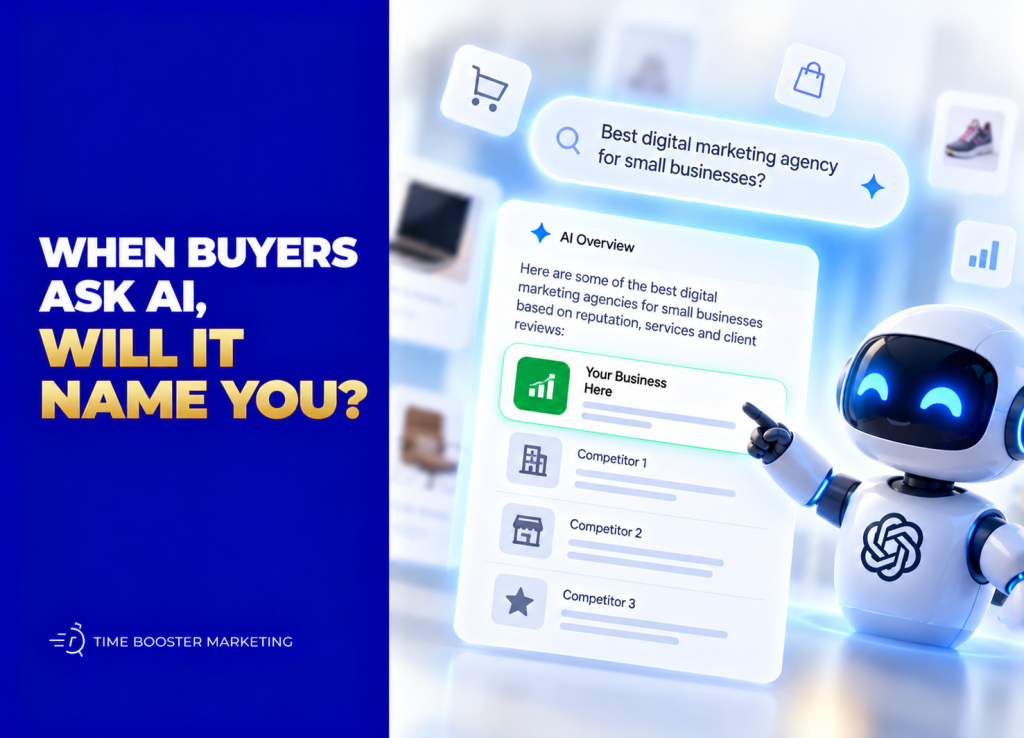
GEO is the next evolution. It’s the practice of optimizing your entire digital presence to be featured, mentioned, and recommended in the AI-generated conversational answers that now appear at the top of search results. This is Google’s Search Generative Experience (SGE), Perplexity, and other AI-powered answer engines.
GEO focuses on:
- Authority: Proving you are a true expert in your niche.
- Trust: Building signals that show you are a legitimate and reliable business.
- Conversational Content: Creating content that directly answers the questions your audience is asking.
So, how does GEO improve SEO? It forces you to double down on the things that have always been important for good SEO, but with a new level of focus and authenticity. It’s a shift from “ranking for keywords” to “becoming the answer.”
3 Core Ways GEO Supercharges Your SEO Efforts
Integrating GEO principles into your marketing strategy doesn’t mean throwing away your SEO playbook. On the contrary, it enhances it. Here’s how.
1. It Shifts Focus from Backlinks to True Topical Authority
Traditional SEO has often been obsessed with backlinks. While they are still important, their value can be manipulated. GEO, however, prioritizes genuine topical authority. Generative engines want to cite true experts. To prove you are an expert, you need to create a comprehensive and interconnected web of content around your core topics.
How this improves SEO:
- Deeper Content Clusters: Instead of writing one blog post about “fintech in Nigeria,” a GEO-focused strategy pushes you to create a whole cluster of content: “How to get a small business loan in Lagos,” “Comparing mobile payment apps in Nigeria,” “The future of blockchain in West Africa,” etc. This creates a “topic cluster” that signals to Google you have deep expertise, which boosts your SEO rankings for a wide range of related terms.
- Long-Tail Keyword Dominance: By creating content that answers specific, conversational questions, you naturally start to rank for thousands of long-tail keywords that traditional keyword research might miss. This captures highly motivated searchers.
For an African startup, this is a golden opportunity. You may not have the budget to compete on backlinks with large multinational corporations, but you have deep, on-the-ground knowledge of your local market. By turning that knowledge into comprehensive content, you can build authority that money can’t buy.
2. It Forces a Deeper Understanding of User Intent
Good SEO has always been about understanding user intent. Are they looking to buy, learn, or compare? GEO takes this to the next level. Because generative search is conversational, you have to think about the real, human questions behind a search query.
How this improves SEO:
- Better On-Page Engagement: When you create content that perfectly matches a user’s question, they are more likely to stay on your page, read your content, and engage with it. These are powerful on-page signals (like lower bounce rates and longer dwell time) that tell Google your page is a high-quality result, which in turn boosts its ranking.
- “People Also Ask” Optimization: A core part of GEO is creating content that answers the questions you see in Google’s “People Also Ask” (PAA) boxes. By doing this, you not only position yourself for generative answers but also increase your chances of being featured in these PAA snippets, which gives you more visibility on the traditional search results page.
3. It Elevates the Importance of Brand and Entity Recognition
Generative engines are trying to build a knowledge graph of the world, connecting concepts and “entities.” An entity is simply a well-defined thing or concept, like a person, place, or brand. Your startup needs to become a recognized entity in Google’s “mind.”
How this improves SEO:
- Stronger Brand Signals: GEO strategies focus on creating a consistent and trustworthy brand presence across the web (your website, Google Business Profile, social media, local directories). This consistency builds strong brand signals. When more people search for your brand name directly, it tells Google you are a legitimate and important player, which can positively influence your rankings for non-branded terms as well.
- Structured Data Payoffs: GEO encourages the use of Schema markup, which is code that explicitly tells search engines what your content is about. Using a schema for your products, articles, and local business information helps Google understand you as an entity. This not only prepares you for AI results but also makes you eligible for rich snippets (like star ratings and price information) in traditional search results, increasing your click-through rate.
Actionable GEO Strategies That Boost SEO for African Startups
Now for the practical part. Here are strategies you can implement to start reaping the dual benefits of GEO and improved SEO.
Strategy 1: Become a Question-Answering Machine
The foundation of GEO is answering your audience’s questions better than anyone else.
- Identify Localized Questions: Think about the unique challenges and questions your customers in Nairobi, Accra, or Johannesburg have. A fashion startup in Kenya could create content around “What to wear for a safari in the Maasai Mara?” A fintech startup in Ghana could answer, “How can I send money from Accra to Kumasi with low fees?”
- Use Free Research Tools: Look at Google’s “People Also Ask” section, browse forums like Reddit, and check community Facebook groups to find the exact language your customers are using.
- Create an FAQ Hub: Build a dedicated section on your website that answers every conceivable question about your product, service, and industry. Structure it with clear headings and use FAQ schema. This is a goldmine for both traditional SEO and GEO.
SEO Payoff: You’ll capture a massive amount of long-tail keyword traffic and position your site as a go-to resource, which attracts natural backlinks over time.
Strategy 2: Obsess Over Your Google Business Profile (GBP)
For any startup with a physical location or service area, your GBP is your most powerful GEO and local SEO tool. Google’s generative engine relies heavily on it for local recommendations.
- Fill Out Everything: Complete every single section of your profile. Services, products, attributes (e.g., “Black-owned”), accessibility details, and opening hours.
- Leverage the Q&A Feature: Proactively add and answer questions on your own profile. Think like a customer and preempt their queries.
- Encourage Detailed Reviews: Reviews are fuel for the AI. They provide natural-language proof of your quality. Ask happy customers to leave a review and mention the specific product or service they enjoyed.
SEO Payoff: A well-optimized GBP is a massive ranking factor for the “local pack” (the map results in a Google search). Improving your GBP directly improves your visibility in traditional local search.
Strategy 3: Build Your E-E-A-T (Experience, Expertise, Authoritativeness, Trustworthiness)
E-E-A-T is Google’s quality guideline, and it’s the constitution for GEO. You need to prove you are a legitimate and expert source.
- Showcase Your Experience: Create a detailed “About Us” page that tells your founding story. Write author bios for your blog posts that highlight your team’s expertise.
- Publish Original Research or Data: As an African startup, you have access to unique market insights. Survey your customers, analyze trends, and publish the results. A report on “Mobile Money Usage Among Students in Uganda” is far more authoritative than another generic blog post.
- Get Featured in Local Media: Build relationships with local bloggers, journalists, and industry publications. A feature in a trusted local outlet is a powerful signal of authority to Google’s AI.
SEO Payoff: E-E-A-T is a cornerstone of modern SEO. Everything you do to build it for GEO directly contributes to higher rankings in traditional search. Original research attracts high-quality backlinks, and media mentions build brand credibility.
Strategy 4: Structure Your Data with Schema Markup
Schema markup is your way of speaking directly to search engines in their own language. It removes ambiguity about what your content is.
- Start with the Basics: Implement
LocalBusinessschema for your company,Productschema for your goods, andArticleschema for your blog posts. - Use FAQ Schema: For your question-and-answer pages, use
FAQPageschema to make it easy for Google to pull your content for featured snippets and generative answers. - It’s Easier Than You Think: You don’t need to be a coder. There are many free tools, like Google’s own Structured Data Markup Helper, that can generate the code for you.
SEO Payoff: Schema is directly responsible for the “rich snippets” that make your listings stand out in the SERPs. Star ratings, prices, and event dates can dramatically increase your click-through rate, sending more traffic to your site.
The rise of generative AI in search can feel intimidating, but for African startups, it’s a level playing field. It’s an opportunity to compete not on budget, but on authenticity, expertise, and a genuine connection to your community. By understanding how GEO improves SEO, you can build a smarter, more resilient marketing strategy.
Stop thinking about SEO and GEO as separate disciplines. Start thinking of them as two parts of the same whole: building a brand that is so helpful, authoritative, and trustworthy that search engines have no choice but to recommend you. Begin today by focusing on answering your customers’ real questions. That single shift in perspective is the first step toward dominating the new era of search.