![Integrated marketing campaign: Guide & examples [2025]](https://www.omnisend.com/blog/wp-content/uploads/2021/06/Integrated-marketing-campaigns.jpg "Integrated Marketing Campaigns 2025: Simple Guide for African Businesses 1")
Integrated Marketing Campaigns are simply that. A method of telling one message across many communication channels at the same time. Instead of posting one type of content on Facebook, another style on WhatsApp, and yet another version on flyers, you unify everything. One voice. One story. One promise. Seen in different places.
And it works. With 95% of Cameroonians accessing the internet through mobile phones, plus over 5.45 million Facebook users, and thousands joining social platforms every week, businesses using integrated campaigns gain more visibility and better sales outcomes. When messaging stays consistent, conversion becomes easier because customers feel like they’re seeing a brand that knows itself and knows them, too.
Some people think integrated marketing is only for large corporations. But maybe the reality in 2025 is shifting. Tools are cheaper, automation is easier, and small African brands now run campaigns that feel just as organized as multinational companies. It’s becoming less about big budgets and more about strategy.
Why Integrated Marketing Campaigns Work So Well in 2025
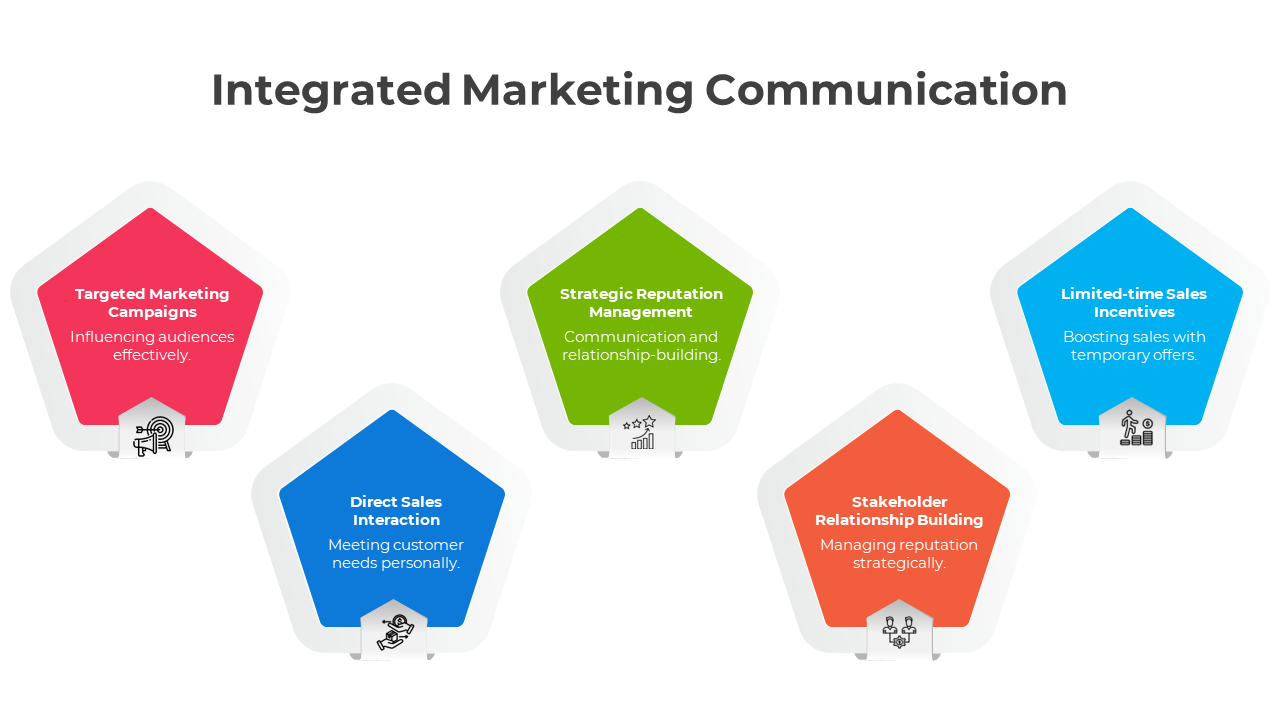
There is something powerful about channels working together rather than alone. A social post builds awareness, a WhatsApp message drives conversation, a street poster reminds people physically, and email or SMS completes the sale.
Most customers don’t buy the first time they see your brand. They need multiple touches, especially in local markets where trust is currency. Integrated marketing creates those repeated touchpoints naturally.
Unifies Your Message Across Platforms
Have you ever seen a business with three different taglines, four design styles, and random colours scattered everywhere? It’s confusing. Customers can’t recall what they stand for. When your billboard, Facebook post, and WhatsApp broadcast all carry the same punchline, people remember it. Consistency builds brand memory.
Makes Small Businesses Look Structured and Reliable
In a market where many SMEs run informally, the ones that look organized stand out. A matching visual identity across online and offline media makes your brand feel more professional even before someone buys. People often trust what looks stable.
Drives Faster Conversions Through Repetition
One channel starts the conversation. Another reminds, another closes. You reduce the time between awareness and purchase. Someone may ignore a Facebook ad today, but when they see it again on a WhatsApp status with a discount code, they act.
Strengthens Customer Relationships Using Familiar Tools
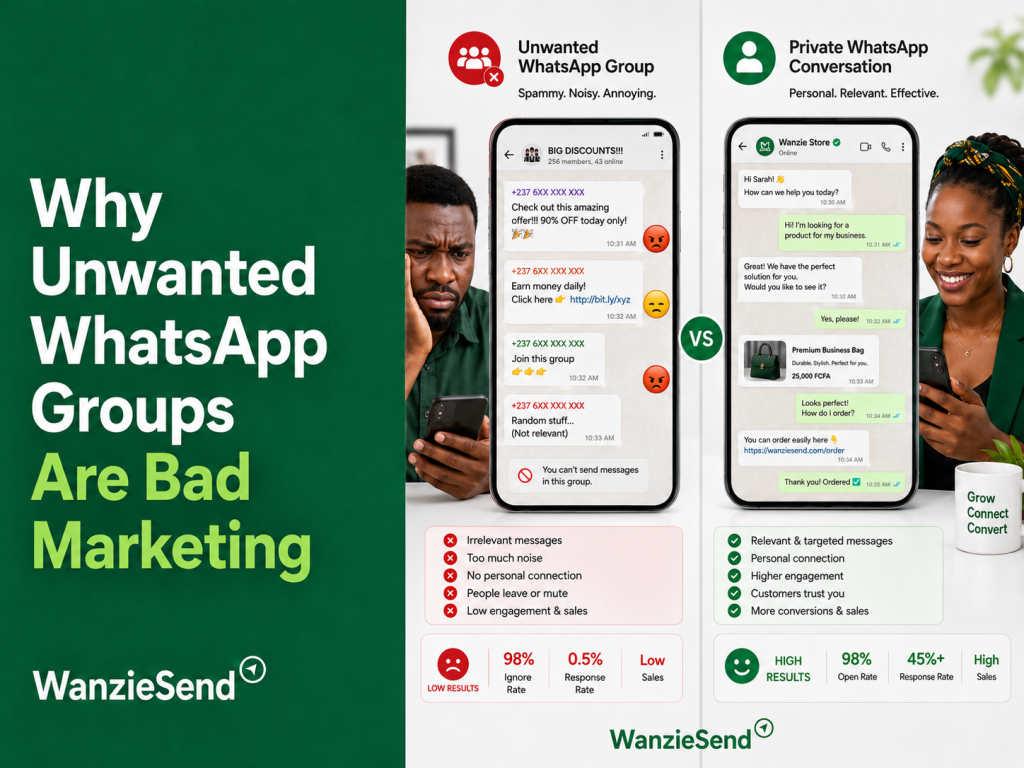
WhatsApp remains Cameroon’s universal communication channel. Most people prefer chatting instead of filling out long forms or emails. So linking social posts and ads directly to WhatsApp chat improves response speed and comfort. Buyers feel like they’re interacting with a real person, not a distant brand.
AI Personalization Makes Campaigns More Effective
AI tools can analyze customer behavior, suggest post ideas, write content, and send targeted offers based on preferences. Instead of guessing, you respond with relevance. A customer who loves black handbags gets handbag promos, not sneakers.
Small adjustments like this multiplied across channels lead to big gains.
Trends Shaping Integrated Marketing Campaigns in 2025

We are witnessing interesting shifts in how people consume content locally. Short videos are winning. WhatsApp groups feel like mini marketplaces. Influencers are replacing billboards for attention. And QR codes are bringing offline audiences online in one scan.
Here are trends that matter for businesses preparing 2025 campaigns.
1. Mobile First and Short Video Storytelling
People scroll more than they read. A 15-second product video can sell better than a long graphic. Show the product in action. Show a customer using it. Show behind the scenes. Authentic content beats overly polished ads.
Imagine a restaurant posting a quick clip of fresh eru being served steaming hot. That is marketing that people feel.
2. WhatsApp as the Primary Conversion Channel
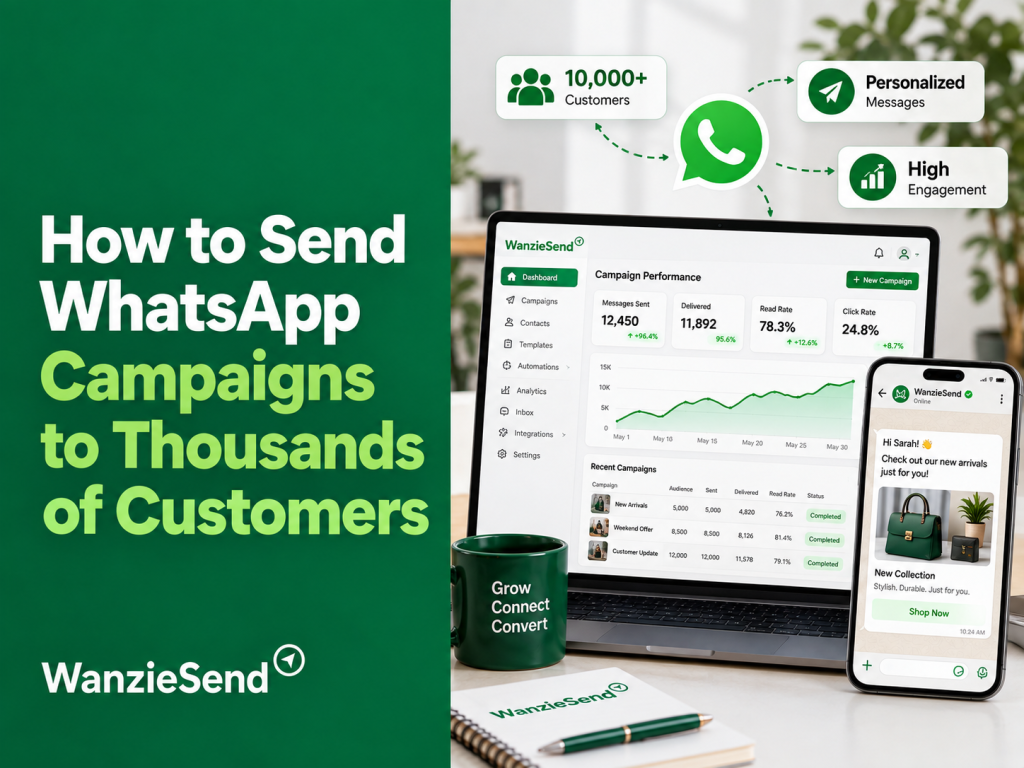
WhatsApp has become the storefront. Most buying decisions are finalized through chat. Broadcast lists, catalogues, quick replies, and payment requests make selling smoother. Add automated greetings, and you save time even when asleep.
People trust WhatsApp because it feels personal.
3. AI Assisted Personalization
Not everyone needs the same message. Using AI to segment customers helps deliver what fits.
Examples:
- Parents receive back-to-school offers
- Brides receive bridal package catalogs
- Gamers get gadget discounts
Personal relevance increases response.
4. Blending Traditional and Digital Channels
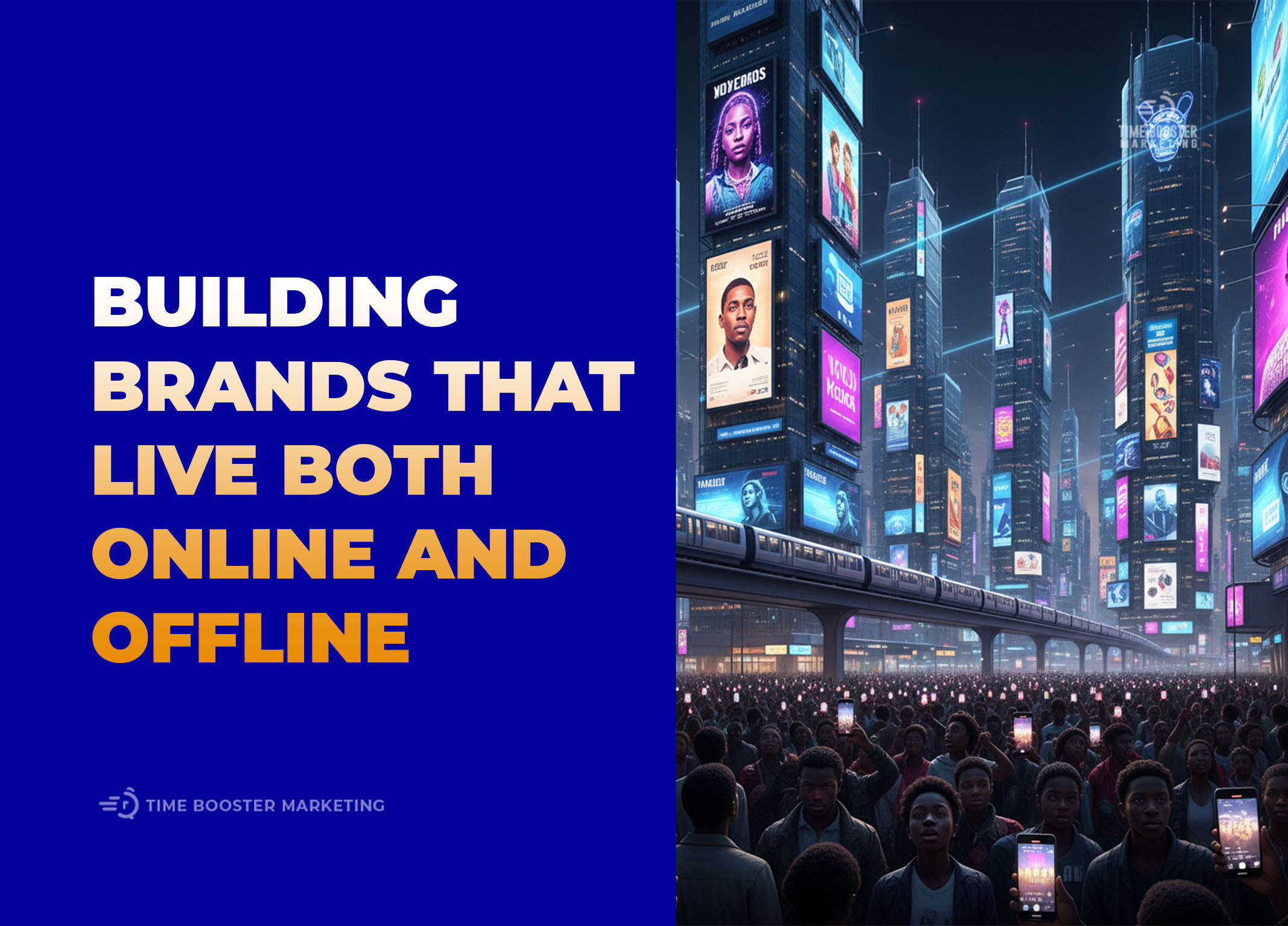
Posters with QR codes that open WhatsApp. Radio jingles ending with a Facebook page link. Flyers with scannable discounts. Offline brings people online. Online drives engagement back to physical stores.
You bridge two worlds at once.
5. Community Influencers Instead of Only Celebrities
Local voices carry trust. A known fashionista from Buea convincing her followers to try a new lipstick does more than an anonymous ad. Micro influencers deliver better engagement for less cost because they feel real.
People listen to people they know.
Practical Tools for Running Integrated Marketing Campaigns in 2025
You don’t need complicated software. Start where you are. Use affordable tools that connect channels without stress.
| Tool | What It Does | Cost (2025) | Why It Works in Cameroon |
|---|---|---|---|
| Trembi | Automates WhatsApp, SMS, Email responses | $99/mo starter | Good for sales chats and customer reminders |
| HubSpot | CRM, email marketing, social scheduling | Free start, $800 paid | Connects all customer activity in one place |
| Jasper | Writes posts, captions, email content | From $49/mo | Helps with bilingual content creation fast |
| FeedHive | AI scheduling for social media | Variable | Plans Facebook and WhatsApp content easily |
Experiment with free trials first. Test one platform at a time. Growth doesn’t need a sprint. It needs consistency.
Real Examples: How Integrated Marketing Campaigns Bring Results
It becomes clearer when we see it happen in real life. Not theory. Actual outcomes.
A beauty shop named Rainbow & Glam launched a promo campaign. They posted product demos on Facebook, boosted posts for two weeks, then redirected customers to WhatsApp where they received price lists and shade guides. They placed a poster near a university junction with a QR code linking to the same catalogue. Students scanned, browsed, shared with friends. Sales increased by 37% in one month.
Another small grocery store running mobile inventory ads combined WhatsApp ordering and local delivery flyers. They saw 80% order growth within two months, mostly because customers discovered them both online and offline, then trusted the easy WhatsApp order system.
Good campaigns don’t need to be flashy. They just need to connect.
5 Simple Steps to Start Integrated Marketing Campaigns in 2025
Start small. Build steadily.
- List All Your Customer Touchpoints
Where do people currently meet your brand? WhatsApp groups? Market boards? Facebook page? - Pick One Main Platform and Connect Others to It
Usually WhatsApp. Everything leads there for conversation and orders. - Create One Core Message or Offer
Example: “New Ankara arrivals this Friday. 10% off first purchase.” - Share Same Message Everywhere with Light Tweaks
Facebook post, WhatsApp status, flyer outside your shop, short TikTok reel. - Monitor Responses and Improve Weekly
Which channel brought more chats? More sales? Lean into what works.
Small steps become big impact.
Final Thoughts
Integrated Marketing Campaigns Cameroon are not just a trend for 2025. They’re becoming a practical way small African businesses communicate with customers who live across both digital and physical spaces. Maybe the magic is not in the platforms themselves, but in how they speak one story together. A customer who sees you in many places slowly believes you are reliable. And when trust rises, sales follow.
Start with one offer. One message. One central channel. Expand gradually. You don’t need to master everything at once. Just be consistent long enough to let customers recognize you wherever they turn.