
The Ultimate Guide to International Affiliate Programs for Cameroonians

Have you ever wondered if it’s possible to earn a steady income online, right from your home in Douala, Yaoundé, Buea, Limbe or anywhere else in Cameroon? The answer is a resounding yes, and one of the most accessible ways to do this is through international affiliate programs.
This guide is designed specifically for you. It’s a complete roadmap to help you navigate the world of affiliate marketing, overcome the unique challenges Cameroonians face, and build a sustainable source of income.
Affiliate marketing can feel like a complex puzzle, especially when dealing with global companies. You might have questions like, “Which programs accept Cameroonians?” or “How will I even get paid?” These are valid concerns, and we are going to address every single one. Forget the confusing jargon and frustrating dead ends. We will break down everything into simple, actionable steps, from understanding the basics to receiving your first commission.
This guide is more than just a list of programs. It’s a strategic blueprint. We’ll cover how to build an online presence that attracts the right audience, choose profitable niches that you are passionate about, and create content that genuinely helps people and encourages them to buy. By the end of this article, you will not only understand how international affiliate programs work but also have the confidence and knowledge to start your journey today.
What Exactly Are International Affiliate Programs?
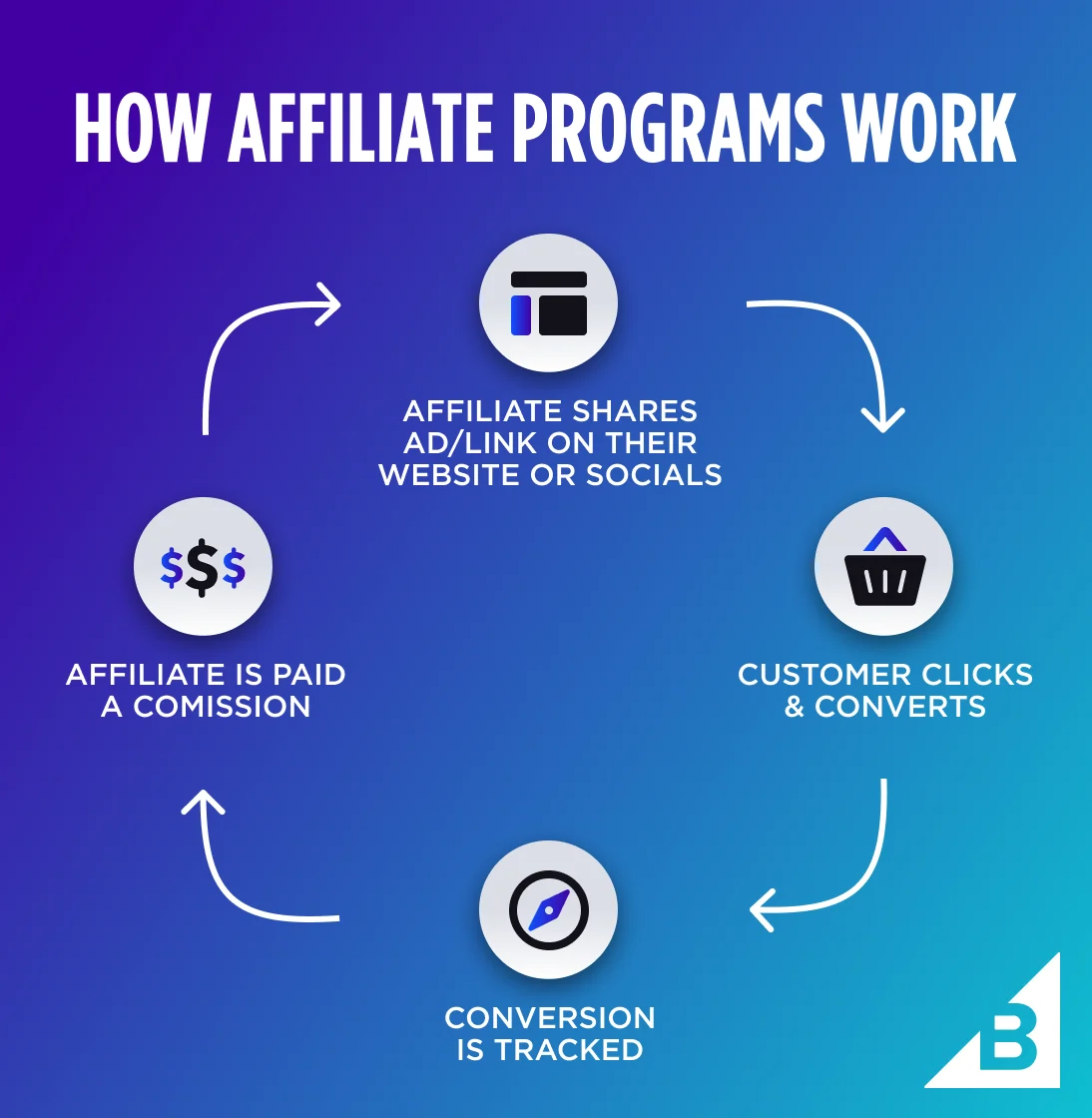
Let’s start with the basics. Affiliate marketing is a performance-based marketing model where you, the affiliate, earn a commission for promoting another company’s products or services. You are essentially a freelance salesperson for brands you like and trust. You get a unique tracking link, and every time someone clicks that link and makes a purchase, you get paid.
So, what makes them “international”? International affiliate programs are simply affiliate programs run by companies based outside of Cameroon. These could be large global brands like Amazon, software companies in Europe, or online course creators in the United States. They open up a world of products and services you can promote, far beyond what might be available locally.
This model is a win-win for everyone involved:
- The Merchant: The company selling the product gets access to a wider audience without a huge upfront marketing investment. They only pay when a sale is made.
- The Affiliate (You): You get to earn money without creating your own products, managing inventory, or dealing with customer service. Your job is to focus on marketing and content creation.
- The Customer: They get valuable recommendations and discover products that can solve their problems, often from a trusted source like your blog or social media channel.
The beauty of this system is its flexibility. You can do it from anywhere with an internet connection. Whether you are a student looking for side income, a stay-at-home parent, or someone aiming to build a full-time online business, affiliate marketing provides a scalable path to achieving your financial goals.
Why Affiliate Marketing is a Golden Opportunity for Cameroonians
The digital landscape is booming, and this growth creates massive opportunities. For many in Cameroon, affiliate marketing isn’t just a side hustle; it’s a gateway to financial independence and global market participation. Let’s explore why this is such a powerful opportunity for you.
1. Low Startup Costs
Unlike traditional businesses that require significant capital for inventory, rent, and staff, you can start affiliate marketing with very little money. Your primary investments are your time and effort. A simple blog can be started for a small annual fee, and you can even begin with free platforms like social media or a YouTube channel. This low barrier to entry makes it one of the most accessible online business models.
2. Access to a Global Market
By partnering with international affiliate programs, you are no longer limited to the local market. You can promote products to customers in the USA, UK, Canada, and all over the world. This dramatically expands your potential earnings, as you can tap into larger economies where consumers have higher purchasing power. Your blog about gardening tips could help someone in Australia, and your software review could guide a decision for a business owner in Germany.
3. Flexibility and Freedom
As an affiliate marketer, you are your own boss. You decide which products to promote, when you work, and where you work from. This level of autonomy is life-changing. You can build your business around your existing schedule, whether that’s during evenings after your day job or on weekends. All you need is a laptop and a reliable internet connection to manage your affiliate empire from anywhere.
4. No Need to Create Your Own Product
Developing a product from scratch is a massive undertaking. It involves market research, product development, manufacturing, and testing. With affiliate marketing, you skip all of that. You can choose from thousands of high-quality, proven products that are already successful in the market. Your focus is solely on the marketing side of the equation, which allows you to get started much faster.
5. Scalable Income Potential
Your affiliate income is not directly tied to the hours you work. You can create a piece of content, like a blog post or a YouTube video, that continues to earn you commissions for months or even years after you publish it. This is known as passive income. While it takes significant upfront work to create this content and build an audience, the potential for scalable, long-term earnings is enormous. As your audience grows, so does your income.
The Biggest Challenge: Getting Paid in Cameroon
Now, let’s address the elephant in the room. For many aspiring affiliate marketers in Cameroon, the single biggest hurdle is payment processing. You’ve done the work, earned your commissions, but now the international company needs to send you money. Many affiliate programs pay out through methods like direct bank deposit or PayPal, which can be challenging or unavailable in Cameroon.
This is a frustrating reality, but it is not a dead end. There are clever solutions and platforms designed to bridge this gap. Understanding these options is the key to unlocking your earning potential.
Common Payment Methods and Their Challenges
- PayPal: While widely used globally, PayPal has significant limitations in Cameroon. You may be able to send money, but receiving payments from business accounts (like an affiliate program) is often restricted. Relying solely on PayPal is not a viable strategy.
- Direct Bank Deposit (ACH/Wire Transfer): Many international companies prefer to pay directly to a bank account. However, they are often set up to do so only for banks within their own country (e.g., a US company paying to a US bank account). International wire transfers can be expensive, with high fees on both ends, making them impractical for smaller commission payouts.
- Physical Checks: Some older programs still offer payment by check. This is an extremely slow and unreliable method. The check can get lost in the mail, and cashing an international check at a local bank in Cameroon can be a difficult and time-consuming process, with high fees and uncertain exchange rates.
So, what’s the solution? The answer lies in using modern financial technology services that provide you with virtual international bank accounts.
The Ultimate Solution: Payoneer and Wise
Services like Payoneer and Wise (formerly TransferWise) are game-changers for international freelancers and affiliate marketers. They are not banks, but they are regulated financial services that give you receiving accounts in multiple currencies.
Here’s how it works:
- Sign Up: You create an account with Payoneer or Wise. The process is online and straightforward, though it requires identity verification.
- Get Virtual Bank Accounts: Once approved, the service will provide you with unique bank account details for different countries. For example, Payoneer can give you a receiving account in the USA (with a routing and account number), the UK (with a sort code and account number), Germany (with an IBAN), and more.
- Use These Details for Payouts: When an international affiliate program asks for your payment details, you provide the US bank account information from Payoneer. To the affiliate company, it looks like they are making a simple domestic bank transfer.
- Withdraw Funds in Cameroon: Once the money arrives in your Payoneer or Wise account, you have several options to access it in Cameroon. You can withdraw it directly to your local bank account (e.g., UBA, Afriland First Bank) or use a Payoneer Mastercard at local ATMs and for online purchases.
Payoneer is particularly popular among affiliate marketers because it is integrated directly with many large affiliate networks like ClickBank and CJ Affiliate. This makes the payment process seamless. It has become the de facto standard for receiving international payments in many parts of the world.
Top International Affiliate Programs That Welcome Cameroonians

Now that we’ve solved the payment puzzle, let’s get to the exciting part: finding great international affiliate programs to join. The key is to look for networks and individual programs that have a global reach and flexible payment options. Here is a curated list of some of the best platforms to start with.
1. Affiliate Networks
Affiliate networks are intermediaries that host thousands of affiliate programs under one roof. They are a great place to start because you can manage multiple partnerships from a single dashboard.
CJ Affiliate (formerly Commission Junction)
CJ Affiliate is one of the oldest and largest affiliate networks in the world. They represent thousands of major brands across every imaginable niche, from fashion and travel to software and financial services. You can read more about how affiliate networks work on BigCommerce’s affiliate marketing guide.
- Pros: Huge selection of advertisers, reliable tracking and reporting, and they support Payoneer for payments.
- Cons: Can be competitive, and some top-tier advertisers have strict approval criteria. You need to have a quality website or social media presence to be accepted.
- Best for: Affiliates with an established blog or website looking to partner with big-name brands.
- Resource: Explore more about getting started with CJ on Niche Pursuits.
ShareASale
Owned by Awin, ShareASale is another massive network with a strong reputation. They have over 16,000 merchants, including many small and medium-sized businesses with unique products.
- Pros: Very user-friendly interface, wide variety of niches, and a good mix of big brands and smaller, interesting companies. They also support payments via Payoneer.
- Cons: The platform design can feel a bit dated, but it is highly functional.
- Best for: Beginners and experienced affiliates alike. It’s a great place to find hidden gem products.
ClickBank
ClickBank specializes in digital products, like ebooks, online courses, and software. This is a huge advantage because digital products often offer very high commission rates, sometimes as high as 75%. To understand trends in affiliate marketing, check out Statista’s affiliate marketing reports.
- Pros: Extremely high commissions, open to affiliates from most countries including Cameroon, and direct payment integration with Payoneer. It’s very easy to get started.
- Cons: The marketplace can have some low-quality products, so you need to be careful and choose reputable vendors. The focus is almost entirely on digital goods.
- Best for: Affiliates who want to promote digital products and earn high commissions.
Impact.com
Impact is a modern and rapidly growing platform that focuses on direct partnerships. Many top software-as-a-service (SaaS) companies and direct-to-consumer brands use Impact to manage their affiliate programs.
- Pros: Clean, modern interface, excellent tracking technology, and partnerships with many top tech and retail brands (e.g., Canva, Adidas, Lenovo). Payments can be made via electronic funds transfer, which can be routed through Payoneer.
- Cons: Can be more selective about the affiliates they approve.
- Best for: Tech reviewers, business bloggers, and fashion influencers.
- Resource: For a full list of Impact’s featured partners, visit their brand directory.
- Industry Study: For a global view on affiliate marketing opportunities, see Rakuten’s industry research.
2. Individual Affiliate Programs
Some companies run their own affiliate programs in-house, outside of the major networks. Here are a few excellent examples that are popular and accessible.
Amazon Associates
The Amazon Associates program is the world’s most popular affiliate program and often the first one people join. You can earn commissions on almost anything sold on Amazon. While the commission rates are relatively low (typically 1-10%), the conversion rates are very high because people trust Amazon and are likely to buy more than just the product you recommended.
- Payment Workaround: Amazon US pays via direct deposit to a US bank account. You can use your Payoneer US receiving account for this. They also offer payment by Amazon gift card, which can be useful.
- Best for: Almost any niche. If a product is sold on Amazon, you can promote it.
- Further Reading: Learn successful strategies at Authority Hacker’s Amazon guide.
Hosting and Website Builder Programs (e.g., Bluehost, SiteGround, Elementor)
The web hosting and website building niche is incredibly lucrative for affiliates. Every new business, blogger, and entrepreneur needs a website, and hosting companies pay generous commissions to affiliates who refer new customers.
- Bluehost Affiliate Program: Known for its high one-time payouts (often $65+ per signup) and strong brand recognition.
- Elementor Affiliate Program: A leading WordPress page builder with a recurring commission model (you get paid as long as the customer renews their subscription).
- Payment: Most of these programs pay via PayPal or direct deposit, making Payoneer a perfect solution.
- Best for: Bloggers who teach about online business, web design, or marketing.
Software as a Service (SaaS) Programs
SaaS companies often offer recurring commissions. This is the holy grail of affiliate marketing. You refer a customer once, and you continue to earn a commission every single month or year that they remain a paying customer.
- ConvertKit: An email marketing provider that offers a recurring 30% commission.
- Semrush Affiliate Program: An all-in-one SEO tool with a popular affiliate program.
- Payment: These tech companies are usually very flexible with payments and work well with Payoneer.
- Best for: Affiliates in the business, marketing, and tech niches.
- Further Inspiration: Discover more about top affiliate programs for beginners at Neil Patel’s affiliate marketing guide.
For even more insights on affiliate marketing and a global perspective on opportunities available, read about global trends from Forrester’s research on affiliate marketing.
Your Step-by-Step Guide to Starting with International Affiliate Programs
Feeling inspired? Here is a practical, step-by-step plan to launch your affiliate marketing journey from Cameroon.
Step 1: Choose Your Niche
A niche is the specific topic or industry you will focus on. Choosing the right niche is the most important decision you will make. It should be a topic that:
- You are interested in: You will be creating a lot of content, so you need to be passionate about it to stay motivated.
- Has an audience: Are there people actively searching for information on this topic?
- Is profitable: Are there products or services you can promote to this audience?
Examples of great niches include:
- Health and Fitness: Weight loss, home workouts, nutrition, yoga.
- Personal Finance: Budgeting, investing, saving money, side hustles.
- Technology: Smartphone reviews, software tutorials, gaming.
- Hobbies: Photography, gardening, baking, learning a musical instrument.
- Parenting: Tips for new parents, educational toys, child development.
Don’t try to appeal to everyone. A smaller, focused niche is much easier to dominate. For example, instead of “fitness,” you could focus on “home fitness for busy mothers.” This is much more specific and allows you to become the go-to expert for that audience.
Step 2: Build Your Platform
You need a place to publish your content and share your affiliate links. This is your digital real estate. The most common platforms are:
- A Blog: This is the best long-term asset you can build. A blog allows you to create detailed, helpful content that ranks in Google search results, bringing you free, targeted traffic over time. You have full control over your content and monetization. Setting up a self-hosted WordPress blog is the recommended approach.
- A YouTube Channel: Video is incredibly powerful for demonstrating products and building a personal connection with your audience. If you are comfortable on camera, YouTube can be a fantastic platform for affiliate marketing.
- Social Media: Platforms like Instagram, TikTok, Facebook, and Pinterest can be effective, especially for visual niches like fashion, beauty, and food. However, building a large, engaged following can be challenging, and you have less control than you do with a blog.
Recommendation: Start with a blog. It is the most stable and scalable platform. You can always add a YouTube channel or social media presence later to complement your blog.
Step 3: Create High-Quality, Helpful Content
Content is the heart of your affiliate marketing business. Your goal is not to “sell” but to “help.” People are looking for solutions to their problems, and your content should provide those solutions. When you build trust by being genuinely helpful, your audience will be much more likely to take your recommendations.
Types of content that work well for affiliate marketing:
- Product Reviews: In-depth, honest reviews of a single product. Share the pros, the cons, and who the product is best for.
- Comparison Posts: Compare two or more similar products to help your audience choose the best one for their needs (e.g., “Bluehost vs. SiteGround: Which is Better for Beginners?”).
- “Best of” Listicles: Curated lists of the best products in a category (e.g., “The 7 Best Laptops for University Students”).
- How-To Guides and Tutorials: Step-by-step guides that show how to use a product to achieve a specific outcome.
Always be honest in your reviews. If a product has flaws, mention them. Your credibility is your most valuable asset.
Step 4: Join Relevant International Affiliate Programs
Once you have some content on your platform, it’s time to apply for affiliate programs. Start with the networks and individual programs we discussed earlier.
When applying:
- Be professional. Use a proper email address (e.g., yourname@yourwebsite.com).
- Make sure your website looks clean and has some quality content already published.
- In the application form, clearly explain what your website is about and how you plan to promote their products.
Don’t be discouraged if you get rejected from a program. Sometimes, they want to see a more established website with more traffic. Keep creating content, grow your audience, and you can always reapply later.
Step 5: Add Your Affiliate Links Naturally
Once you are approved, you can start adding your unique affiliate links to your content. It’s crucial to do this in a way that feels natural and not spammy.
- Disclosure: Always disclose that you are using affiliate links. This is required by law in many countries (like the FTC in the US) and is essential for building trust with your audience. A simple statement at the beginning of your post like, “This post may contain affiliate links, which means I may earn a commission if you make a purchase,” is sufficient.
- Contextual Links: The best way to add links is within the flow of your text. For example, in an article about starting a blog, you might say, “The first step is to choose a reliable hosting provider. I recommend Bluehost because it’s affordable and easy for beginners to use.” The linked text is your affiliate link.
- Call-to-Action Buttons: For reviews and comparison posts, using buttons can make your affiliate links stand out and increase clicks. For example, a button that says “Check Price on Amazon” or “Learn More About ConvertKit.”
Step 6: Drive Traffic and Grow Your Audience
You’ve created great content and added your links. Now, you need people to see it. Driving traffic is an ongoing process.
- Search Engine Optimization (SEO): This is the practice of optimizing your content to rank high in Google search results. Learn the basics of keyword research and on-page SEO. This is the most effective long-term traffic strategy.
- Social Media Promotion: Share your new blog posts on your social media channels to get initial traffic and engagement.
- Email Marketing: Building an email list is one of the smartest things you can do. It gives you a direct line of communication with your most loyal followers. You can notify them about new content and share exclusive offers.
Final Thoughts: Your Journey Starts Now
Starting a business with international affiliate programs from Cameroon is not a get-rich-quick scheme. It requires patience, consistency, and a genuine desire to help others. There will be a learning curve, and it will take time to see significant results. But the potential is undeniable. You have the ability to build a real, sustainable business that gives you financial freedom and control over your life.
The tools and strategies outlined in this guide have leveled the playing field. Barriers like payment processing are no longer roadblocks but simply hurdles you now know how to jump over. The global market is open to you.
The most important step is the first one. Don’t wait for the perfect moment. Choose your niche, start your blog, and write your first post. Every expert was once a beginner. Your journey to becoming a successful international affiliate marketer starts today.
What niche are you passionate about? Share your ideas in the comments below. Let’s start a conversation and support each other on this exciting journey