


Black-owned businesses, especially those serving tight community networks, are beginning to rediscover print as a trust builder. Meanwhile, digital tools are giving print a new kind of power. A flyer might send someone straight to your website. A billboard might trigger your Google searches. A magazine ad might unlock an AR experience. Print has become a bridge between tactile connection and digital conversion.
So what does this new landscape look like, and how can Black entrepreneurs tap into it in a practical way?
Let’s walk through it.
Why Print Advertising Makes a Difference in a Digital Market
People trust what they can touch. That simple human instinct has not changed. Print feels real. It feels rooted in a community. It feels deliberate. In markets where word of mouth and reputation still carry weight, print remains a symbol of seriousness.
For many African businesses and Cameroon brands in local communities, print does something digital sometimes struggles to do. It holds attention for a little longer. It reaches people who are not online all day. And it makes a promise of presence, something physical they can take home or revisit.
Digital is powerful. But print is grounding. And when the two meet, the result becomes even stronger.
How Print Advertising Is Reinventing Itself
1. Print Ads Are Becoming Gateways to Digital Experiences
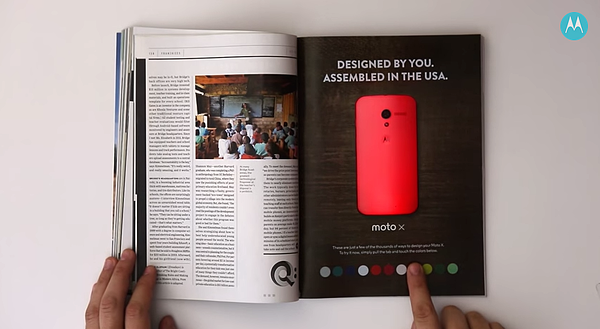
You’ve probably seen QR codes everywhere by now. Restaurants use them. Event organizers use them. And now print advertisers use them to convert a glance into an action.
A poster can send someone straight to a purchase page.
A flyer can guide someone into your email list.
A newspaper ad can kick-start a WhatsApp conversation.
It is almost funny how simple this shift is, but it changes everything. Print is no longer passive. It is interactive.
2. Community Newspapers, Now Backed by Social Media
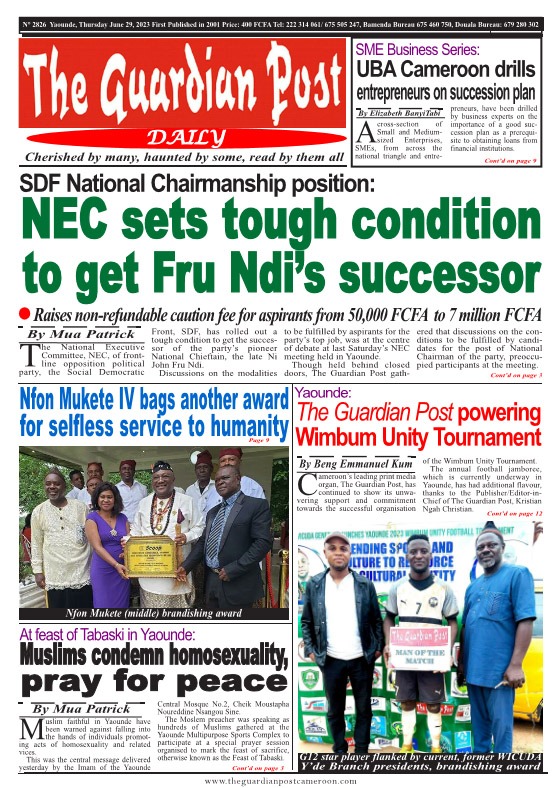
Local newspapers have always been the heartbeat of community information. What we see now is interesting. Many of these papers have strong Facebook pages or WhatsApp distribution channels. When a business advertises in print, the same publication often shares that advert digitally too.
So one investment gives you two touchpoints.
Offline credibility mixed with online visibility.
This hybrid approach feels particularly powerful for Black-owned businesses that depend on localized trust.
3. AI-Assisted Print Design for Personalization
![AI Print On Demand Tools And Best Practices [2024]](https://a.storyblok.com/f/165154/1280x720/2229a543c0/01_best-print-on-demand-etsy.jpg/m/ "How Print Advertising Is Reinventing Itself for the Digital Market 4")
Print used to feel generic. Now it can feel personal.
With AI tools, businesses can customize flyers for different groups. A salon might create different print pieces for college students, moms, or working professionals. A real estate agent might adjust messages for renters vs new buyers. AI-driven templates make these quick and affordable.
Maybe this is why print feels fresh again. It is becoming smarter.
4. Print Driving Search Traffic
You might not expect print to influence SEO, but it happens. When someone sees a flyer, a billboard, or a magazine ad, they often search your business name afterward. These branded searches help your visibility.
Businesses with consistent print presence tend to see better direct traffic and brand recall. It is subtle, but it shows how integrated marketing is becoming.
5. Magazines Using AR Features

Some magazines now embed augmented reality triggers. When you point your phone at the printed page, a video, product demo, or 3D model pops up.
It feels futuristic.
It feels fun.
And it brings digital storytelling into physical media.
Even small magazines or community publications are beginning to experiment with these tools.
6. Print Coupons Syncing with Mobile Wallets

Retailers have started adding scannable codes on printed coupons that instantly save the offer into Google Wallet or Apple Wallet. You might hand someone a printed discount, but the redemption happens on their phone.
This mix of physical and digital creates a smoother customer experience. It also lets business owners track performance more precisely, something print used to lack.
7. Billboards Paired with Geolocation Ads

A billboard on a busy road might be accompanied by digital ads that target smartphones in that area. So people see your brand on the road, then again on their phone when scrolling Instagram.
Repetition builds familiarity.
Familiarity builds trust.
Trust builds conversion.
This pairing makes print feel intelligent.
8. Print as a Trust Anchor for Black-Owned Businesses
For many Black-owned brands, especially those serving culturally tight communities, print acts as a trust anchor. People see you on a flyer at a barbershop. They see you in a church bulletin. They see you on a local billboard. That visibility tells them your business is here to stay.
Digital is fast. Print is grounding. When you combine the two, it becomes easier for customers to believe in you.
9. Data Backing Print Investments
The biggest complaint about print used to be that it was hard to measure. That has changed. QR codes, custom links, UTM tags, unique promo codes, and geotargeting all give business owners real data on print performance.
So instead of guessing, we track.
Instead of hoping, we optimize.
Maybe that is why print feels revived.
10. Community-Centered Print Strategies
Print thrives in tight communities. That is why it still works beautifully for Black-owned businesses that have deep cultural networks. Community boards, church announcements, neighborhood newsletters, market stalls, event handouts, school bulletins, diaspora gatherings, cultural festivals, all of these spaces make print feel alive.
When combined with digital follow-up, these print touchpoints turn into real marketing funnels.
Final Thoughts
Print advertising did not disappear. It simply evolved. It became lighter, smarter, more measurable, and more connected to digital marketing. And for Black-owned businesses looking to build trust while still capturing online visibility, this mix might be one of the smartest strategies.
Maybe the real power here is balance. Print for connection, digital for conversion. Print for presence, digital for tracking. Print for community, digital for scale.


