
Do You Have Product Market Fit Yet? A Limbe Business Owner’s Test
Many Limbe business owners do not fail because they lack passion. They fail because they spend too much money before they have enough evidence.
They pay for branding before confirming demand. They rent a shop before understanding buying behavior. They buy stock before knowing which customer segment will move fastest. They boost posts before knowing whether the offer is clear. They print flyers before proving that people care. They invest in equipment before discovering whether customers will pay the price needed to recover the cost.
This is where product-market fit comes in.
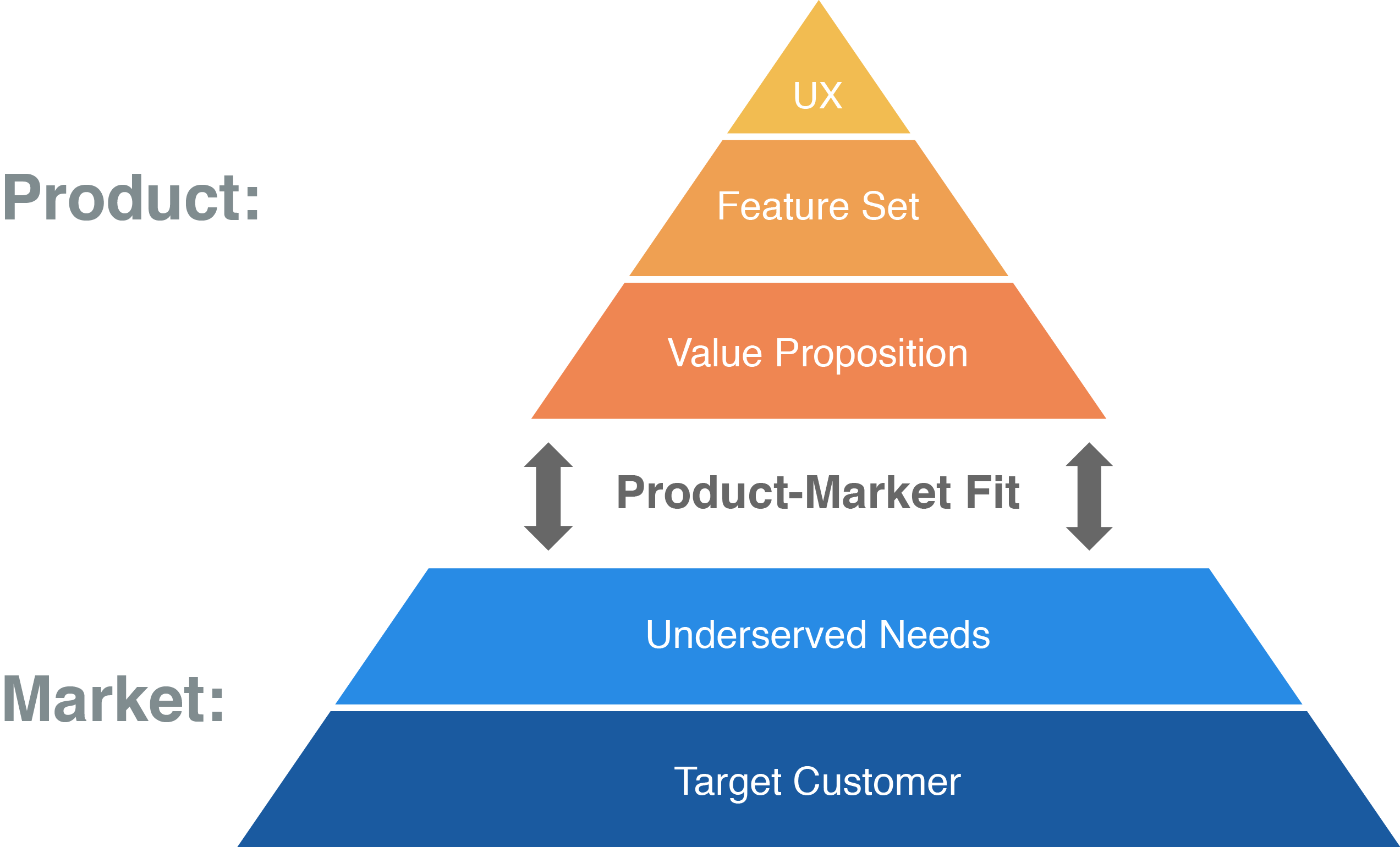
Product market fit simply means you have found a real market with a product or service that satisfies that market strongly enough for people to buy, return, recommend, or actively ask for more. Marc Andreessen’s classic explanation describes product–market fit as being in a good market with a product that can satisfy that market; when it is missing, customers do not quite get value, word of mouth is weak, sales cycles drag, and deals fail to close. When it is present, customers buy as fast as the business can serve them.
For a Limbe business owner, this does not have to sound like Silicon Valley language. Product–market fit is not only for tech startups. It applies to a food vendor testing a lunch package, a guesthouse refining its offer, a beauty professional launching bridal services, a logistics operator testing delivery routes, a fashion seller choosing stock, a consultant packaging services, a cleaning business targeting short-stay apartments, or a young entrepreneur deciding whether an idea is worth full commitment.
The question is not, “Do I like this idea?”
The question is, “Does a specific group of people in or around Limbe want this enough to pay for it, repeat it, or recommend it?”
That question can save you from burning cash prematurely.
Why Product Market Fit Matters Before Marketing
Marketing cannot rescue an offer that the market does not want strongly enough.
This is one of the hardest truths for business owners to accept. A better logo may make your business look more professional, but it will not create demand where there is none. Paid ads may bring attention, but attention is not the same as buying intent. A beautiful shop may increase visibility, but visibility does not guarantee repeat customers. A large stock purchase may make you feel ready, but the stock becomes pressure when demand is unclear.
Product market fit comes before serious marketing because marketing amplifies what already exists. If the offer is weak, marketing amplifies confusion. If the pricing is wrong, marketing amplifies objections. If the target customer is unclear, marketing attracts random inquiries. If the problem is not painful enough, marketing produces likes, compliments, and “I will get back to you” messages instead of payments.
For Limbe businesses, this matters even more because cash flow is often tight. Many SMEs cannot afford long periods of experimentation with expensive mistakes. Rent, transport, supplier payments, staff support, family obligations, electricity, internet, and unexpected costs can quickly drain money. If you spend too early on the wrong offer, you may not have enough cash left to adjust when the market gives you feedback.
Product market fit is not about delaying action forever. It is about testing before scaling.
You do not need perfect certainty. You need enough evidence to know that your next investment is based on real demand, not hope.
The Limbe Context: Why Validation Must Be Practical
Limbe has its own business rhythm. It is coastal, tourism-adjacent, relationship-driven, and influenced by both local residents and visitors. Demand can shift depending on season, events, school calendars, salary periods, weather, tourism flow, and community activity. Some businesses depend heavily on repeat local customers. Others depend on weekend visitors, referrals, short-stay guests, event clients, or professional networks.
This means a business idea can look attractive in theory but behave differently in practice.
A beachside snack idea may receive compliments from friends but struggle on weekdays. A premium beauty service may attract interest but only convert around weddings, graduations, and events. A delivery service may be useful but fail if customers do not trust payment and handling. A guesthouse add-on service may sound good but only matter to a narrow type of visitor. A fashion idea may look trendy online but move slowly if sizes, price points, or purchasing timing do not match local demand.
Validation helps you discover these realities before you commit too much money.
In Limbe, you should test not only whether people like your idea, but whether they will act under real conditions:
- Will they pay your actual price?
- Will they choose you over their current option?
- Will they buy without excessive explanation?
- Will they return?
- Will they refer someone?
- Will they still want it when it is not discounted?
- Will they trust you enough to pay a deposit?
- Will they buy at the location, time, and format you can realistically serve?
These are product–market fit questions.
The 3-Question Product Market Fit Test You Can Do This Weekend
You do not need a large research budget to begin testing product–market fit. You can run a simple weekend test using conversations, WhatsApp messages, small paid trials, pre-orders, and customer observation.
The goal is not to ask people whether your idea is “nice.” Most people will say yes to be polite. The goal is to test whether the offer solves a real enough problem for a specific customer group to take action.
Here is the 3-question product–market fit test.
Question 1: Who Feels the Problem Strongly Enough to Act?
The first product–market fit question is not “Who can buy this?” It is “Who feels this problem strongly enough to do something about it?”
This distinction matters.
Many people can buy a product. Fewer people urgently want it. Even fewer will pay for it now.
If you are launching a healthy lunch service in Limbe, your market is not simply “everyone who eats.” That is too broad. Your strongest early market may be office workers who are tired of unreliable lunch options, gym-conscious customers who want controlled portions, or busy parents who need planned meals for children. Each group has a different reason to buy.
If you are launching a cleaning service, your market is not simply “people with houses.” Your strongest early market may be short-stay apartment owners who need fast turnover cleaning, working professionals who cannot clean during the week, or families preparing for visitors. Again, each group has a different pain point.
If you are launching a digital service, your market is not simply “businesses in Limbe.” Your strongest early market may be restaurants that need better WhatsApp ordering, guesthouses that need clearer booking pages, or beauty professionals who need content that converts inquiries into bookings.
The weekend test is simple: speak to at least 10–15 people who fit your assumed customer segment and ask about their current behavior.
Do not start by pitching. Start by investigating.
Ask:
- “How do you currently solve this problem?”
- “What frustrates you about the current option?”
- “When was the last time this problem affected you?”
- “What did it cost you in time, money, stress, or missed opportunity?”
- “Have you paid for a solution before?”
- “What would make you switch from your current option?”
You are looking for pain with evidence. A real market does not only say, “That sounds interesting.” A real market says, “I have this problem often,” “I already spend money on this,” “I am tired of my current option,” or “If you can solve this properly, I want it.”
What Strong Answers Sound Like
Strong answers are specific.
A weak answer sounds like:
“That idea is nice. People will like it.”
A stronger answer sounds like:
“I order lunch almost every weekday, but the problem is consistency. Some days the food comes late, and I cannot leave the office. If someone could deliver by 12:30 reliably, I would use them.”
That answer reveals a real pain: reliability, timing, and convenience.
Another weak answer sounds like:
“Cleaning is important. Many people need cleaning.”
A stronger answer sounds like:
“I manage two short-stay apartments, and my biggest stress is when one guest checks out in the morning and another arrives in the afternoon. I need someone who can clean fast and send photo confirmation.”
That answer reveals a specific buyer, urgent situation, and service requirement.
Product–market fit begins when the problem is specific enough to design around.
Question 2: Will They Pay, Pre-Order, Deposit, or Commit?
The second question is where many business ideas become uncomfortable.
People may praise your idea, but praise is not proof. Compliments do not pay suppliers. Likes do not cover rent. Encouragement does not prove demand.
You need some form of commitment.
Commitment can take different forms depending on the business:
- Full payment
- Deposit
- Pre-order
- Booking
- Trial fee
- Written confirmation
- Referral to a serious buyer
- Agreement to test the service on a specific date
- Repeat order after first use
- Joining a waitlist with clear purchase intent
For a Limbe SME, this is critical because local conversations can be warm and supportive. Friends, relatives, church members, colleagues, classmates, and neighbors may encourage your idea because they want to support you emotionally. That support is valuable, but it is not the same as market demand.
The weekend test is to make a real offer to a small group and ask for a real action.
For example:
- “I am testing a weekday lunch package next week. It is 2,500 FCFA per meal, delivery included around this area. Would you like to book for Tuesday and Thursday?”
- “I am testing a short-stay apartment cleaning package. The first trial is 12,000 FCFA and includes photo confirmation after cleaning. Can we schedule one turnover this weekend?”
- “I am testing a WhatsApp catalog setup service for small businesses. The pilot price is 20,000 FCFA for five businesses. Would you like me to set yours up this week?”
- “I am bringing in 15 pieces of this item. To avoid wrong stock, I am taking pre-orders with a 50% deposit. Which size and color should I reserve for you?”
The answer tells you more than opinions ever will.
If people say they are interested but refuse any form of commitment, you may not have enough pain, trust, clarity, or price fit yet.
Why Payment Is the Cleanest Signal
Payment is not the only signal, but it is the clearest one.
A customer who pays is telling you that the problem matters enough to exchange money for a solution. That does not mean you have full product–market fit yet, but it means you have stronger evidence than verbal support.
The Superhuman product–market fit framework popularized by Rahul Vohra uses a customer survey question: “How would you feel if you could no longer use the product?” The strongest signal comes from users who answer “very disappointed,” because it shows the product has become meaningfully valuable to them.
For a Limbe business, you can adapt that thinking after a small paid test. Ask your early customers:
“If this service stopped next month, how would you feel?”
If they say, “I would just find another option,” your fit is weak.
If they say, “I would be disappointed because this saves me time every week,” your fit is stronger.
If they say, “Please do not stop; I know two people who need this,” you are closer to real market pull.
Question 3: What Must Be True for Them to Buy Again or Refer Someone?
The third question is about repeatability.
A first sale is useful, but product–market fit is stronger when customers come back, recommend you, or ask for more. Repeat behavior shows that the offer is not only attractive once; it fits into the customer’s life, routine, budget, or business process.
For many Limbe businesses, this is the difference between a launch that creates excitement and a business that survives.
A new food offer may sell well during the first weekend because people are curious. But will they order again next week? A beauty service may attract first-time customers with a discount. But will they return at full price? A tourism-related package may sell during a busy weekend. But can it survive outside peak demand? A clothing item may sell because the design is trendy. But will customers ask when new stock is coming?
The weekend test should therefore include a follow-up question after the first trial or sale.
Ask:
- “What would make you order this again?”
- “What almost stopped you from buying?”
- “What would make you recommend this to someone?”
- “What should we change before offering it widely?”
- “Was the price fair for the value?”
- “Would you buy this again next week, next month, or only occasionally?”
- “Who else do you know who has this same problem?”
These questions help you understand the conditions for repeat demand.
The Hidden Power of Referral Language
When customers describe who else needs your offer, they often reveal your real market better than you can.
If a customer says, “This would help guesthouse owners,” pay attention.
If another says, “This is good for people working around town who do not have time to cook,” pay attention.
If another says, “Brides would like this, but you need better photo samples,” pay attention.
Your early customers may help you sharpen your positioning. They may show you that your idea is not wrong, but your target market is too broad or slightly misaligned.
How to Run the Weekend PMF Test Step by Step
A weekend product–market fit test does not need to be complicated. The key is to test a small, specific offer with a specific customer group and collect evidence.
Step 1: Define One Customer Segment
Do not test your idea with “everybody.” Choose one segment.
Examples:
- Office workers near a specific area
- Short-stay apartment owners
- University students preparing for graduation
- Parents planning children’s birthdays
- Guesthouse managers
- Small restaurant owners
- Beauty clients preparing for events
- Professionals who need weekly laundry pickup
- Retailers who need product photos
- Visitors looking for guided local experiences
A focused test gives clearer feedback. If you test with everyone, you will get mixed opinions and no strategic direction.
Step 2: Define One Painful Problem
Write the problem in one sentence.
Examples:
- “Office workers need reliable lunch delivery before break time.”
- “Short-stay apartment owners need fast cleaning between guests.”
- “Small businesses need WhatsApp catalogs that make ordering easier.”
- “Event clients need affordable decoration packages that still look good in photos.”
- “Visitors need simple, trustworthy local experience packages without confusion.”
If the problem is vague, your offer will be vague.
Step 3: Create a Small Paid Offer
Do not build the full version yet. Create the smallest version that can test demand.
Examples:
- 10 lunch slots for one week
- 5 cleaning trials
- 3 event package samples
- 10 pre-order units
- 5 WhatsApp catalog setups
- 2 weekend tour packages
- 5 paid consultations
- 1 pop-up sales day
- 1 limited delivery route
The goal is not to look big. The goal is to learn fast.
Step 4: Contact Real Prospects
Use direct outreach, WhatsApp, referrals, existing contacts, local groups, or walk-in conversations. Avoid hiding behind public posts only. Public posts can be useful, but direct conversations reveal objections faster.
Say clearly:
“I am testing this offer with a small group before launching it fully. I want to see whether it solves the problem properly. Would you be open to trying it?”
This positions the test honestly. It also invites useful feedback.
Step 5: Ask for Commitment
Do not stop at interest. Ask for a next step.
Depending on your offer, ask for:
- Payment
- Deposit
- Booking
- Trial date
- Pre-order
- Referral
- Written confirmation
- Repeat order
If nobody commits, that is not failure. It is data.
Step 6: Deliver Manually Before Automating
At the validation stage, do not rush to build systems, hire staff, buy tools, or automate everything. Deliver manually if needed. Manual delivery helps you observe customer behavior closely.
You will learn:
- What customers misunderstand
- What they value most
- What they complain about
- What they ignore
- What they ask before paying
- What makes them trust you
- What makes them hesitate
- What they tell others
These insights are more valuable than early polish.
Step 7: Follow Up Within 24–48 Hours
After delivery, ask for honest feedback quickly.
Do not only ask, “Did you like it?”
Ask:
- “What was most useful?”
- “What was missing?”
- “Was anything confusing?”
- “Would you buy again?”
- “Would you recommend this?”
- “What would make it worth more?”
- “What should we remove?”
- “What should we improve before launching fully?”
This is where the real product–market fit learning begins.
Signs You Have Product–Market Fit
Product–market fit is not a feeling. It shows up in behavior.
You may not have perfect product–market fit yet, but you are seeing early signs when customers behave in ways that show real demand.
Customers Understand the Offer Quickly
If you explain your offer and the right customer immediately says, “That is exactly what I need,” you may be close to fit.
This does not mean every person must understand it. Product–market fit is usually strongest within a specific segment first. The important sign is that your target customer understands the value without a long lecture.
If you need to explain for 20 minutes before people see the point, the problem may not be urgent, the offer may be unclear, or you may be speaking to the wrong segment.
People Pay Without Excessive Convincing
Strong demand reduces persuasion pressure. You still need trust, clarity, and professionalism, but you should not have to beg serious buyers.
If customers repeatedly ask for discounts, delay payment, or disappear after hearing the price, you may have a price-value mismatch. That does not always mean the idea is bad. It may mean the segment cannot afford it, the offer is not packaged well, or the value is not obvious enough.
When product–market fit improves, payment conversations become easier.
Customers Come Back
Repeat purchases are one of the strongest signs of fit.
A customer who buys once may be curious. A customer who returns is giving you stronger evidence. A customer who returns at full price is even stronger evidence. A customer who returns and brings someone else is one of the best signals you can get.
For Limbe SMEs, repeat behavior is especially important because many businesses cannot survive on one-time excitement. Food, beauty, laundry, cleaning, consulting, accommodation, logistics, and retail all become stronger when repeat demand exists.
Customers Refer Without Being Pushed
When customers start recommending you naturally, your offer is solving a problem they can easily explain to others.
This matters because referrals are powerful in trust-based markets. A referral reduces risk for the new buyer. It also shows that your customer is willing to attach their own reputation to your business.
If customers like your offer privately but never refer, ask why. Maybe they are satisfied but not excited. Maybe the result is useful but not memorable. Maybe they do not know who else needs it. Maybe the offer needs sharper positioning.
Customers Ask for More
A strong market often pulls expansion from you.
Customers may ask:
- “Can you deliver to this area?”
- “Can I subscribe weekly?”
- “Can you do this for my office?”
- “Can you handle a larger order?”
- “Can you make a package for events?”
- “Can you come every Saturday?”
- “Can you train my staff?”
- “Can you reserve mine next time?”
These requests show that customers are imagining your offer inside their routine or network. That is a positive sign.
Your Main Problem Becomes Capacity, Not Convincing
When product–market fit is weak, your main problem is convincing people to care.
When product–market fit is stronger, your main problem becomes serving demand properly.
You begin to worry about delivery time, quality control, stock levels, staff support, booking schedules, customer communication, and repeat systems. That does not mean everything is easy. It means the market is pulling.
This is why Andreessen’s description of product–market fit emphasizes customers buying as fast as the business can supply. The pressure shifts from “How do we make people want this?” to “How do we serve the people who already want it?”
Signs You Are Mistaking Wishful Thinking for Product–Market Fit
Wishful thinking is dangerous because it often looks encouraging at the beginning. People smile. Friends praise you. Social media followers like your post. A few people say, “This can work.” You feel momentum.
But encouragement is not the same as evidence.
People Praise the Idea but Do Not Commit
If many people say your idea is good but few people pay, book, pre-order, or refer, you do not yet have strong validation.
This does not mean the idea is useless. It means you need to investigate the gap between interest and action.
The gap may be caused by:
- Price
- Trust
- Timing
- Poor packaging
- Weak urgency
- Wrong customer segment
- Unclear benefit
- Inconvenient delivery
- Lack of proof
- A problem that is annoying but not painful enough
Do not ignore this gap. It is one of the most important signals in early validation.
You Are Depending on Friends and Family
Friends and family can help you start, but they can also distort your feedback. Some will buy because they love you, not because the offer is strong. Others will praise you because they do not want to discourage you.
You need feedback from people who match your target customer but do not feel personally obligated to support you.
If only close contacts buy, you have support. If strangers or weak-tie referrals buy, you may have market demand.
You Keep Explaining but Customers Still Do Not Move
If every sale requires long explanation, repeated follow-up, and emotional convincing, your offer may not be clear enough or painful enough.
Good marketing can educate, but it should not have to drag customers across the line every time. If the right customer does not quickly understand why the offer matters, you may need to reposition.
Customers Buy Only Because of Discounts
Discounts can help test demand, but they can also hide weak product–market fit. If customers only buy when the price is heavily reduced, you may be validating cheapness, not value.
Ask yourself:
- Would they buy again at the normal price?
- Did they value the result or only the bargain?
- Did the discount attract the right customer?
- Can the business survive at this price?
- Are you training the market to wait for promos?
A discount-driven launch can create activity while hiding an unsustainable business model.
You Are More Excited Than the Market
Your excitement matters, but it cannot replace customer pull.
If you are always pushing and the market is not responding, pause. The issue may not be effort. It may be fit.
A useful question is:
“If I stopped posting about this for two weeks, would anyone ask for it?”
If the answer is no, you may still be in the validation stage.
Your Metrics Are Vanity Metrics
Likes, views, compliments, and followers can be useful signals, but they are not enough. They show attention, not necessarily demand.
For product–market fit, track stronger signals:
- Paid orders
- Deposits
- Repeat purchases
- Referrals
- Customer retention
- Waitlist quality
- Inbound requests
- Conversion from inquiry to payment
- Frequency of use
- Willingness to pay full price
- Customers asking for more
If your numbers look good publicly but money is not moving, investigate.
How to Pivot Fast Without Starting Over
A pivot does not always mean abandoning your business. Often, it means changing one part of the model while preserving what you have learned.
Many business owners resist pivoting because they think it means failure. It does not. A pivot is a disciplined adjustment based on evidence.
The goal is not to start from zero. The goal is to keep what is working and change what is blocking demand.
Pivot the Customer Segment
Sometimes the offer is useful, but you are selling to the wrong people.
For example, you may start a meal prep service for students but discover that office workers have stronger ability and willingness to pay. You may launch cleaning for households but discover that short-stay apartment owners have more urgent and repeat demand. You may offer social media design to all small businesses but discover that restaurants and beauty professionals need it more frequently.
In this case, do not throw away the whole idea. Shift the customer segment.
Ask:
- Who responded fastest?
- Who paid with the least resistance?
- Who had the clearest pain?
- Who asked for repeat service?
- Who referred others?
- Who valued the result most?
Your best early market is often hidden inside your first mixed audience.
Pivot the Problem
Sometimes you are targeting the right people but solving the wrong problem.
For example, you may think guesthouse owners need better interior decoration, but after conversations you discover their bigger pain is reliable cleaning and guest turnover. You may think small restaurants need logo design, but their bigger pain is WhatsApp ordering and menu clarity. You may think students need cheaper printing, but their bigger pain is last-minute formatting and fast turnaround.
When this happens, keep the customer segment but change the problem you solve.
This is often a powerful pivot because you already understand the audience better than before.
Pivot the Offer Format
Sometimes customers want the outcome but not the format.
For example, they may not want a monthly subscription but will pay per job. They may not want a full package but will buy a starter version. They may not want in-person training but will pay for a practical one-day workshop. They may not want a large event package but will buy a compact photo-friendly setup.
Offer format includes:
- Package size
- Delivery method
- Payment structure
- Service duration
- Customization level
- Location
- Frequency
- Support level
If customers understand the value but hesitate at the structure, adjust the format before abandoning the idea.
Pivot the Price and Value Stack
Sometimes the issue is not price alone. It is the relationship between price and perceived value.
If customers say your offer is expensive, do not immediately reduce the price. First ask whether the value is clear enough.
You can pivot by:
- Adding a guarantee
- Including setup support
- Offering delivery
- Creating a smaller entry package
- Bundling complementary services
- Showing stronger proof
- Clarifying the result
- Offering payment milestones
- Removing unnecessary features to lower cost
The goal is to make the value easier to understand and easier to buy.
Pivot the Channel
Sometimes your offer is good, but you are selling it in the wrong place.
A public Facebook post may not work for a B2B service that needs direct outreach. Instagram may not work for an older customer segment that relies more on referrals and calls. Walk-in visibility may not work for a service that customers search for through WhatsApp groups. Flyers may not work if the decision requires trust and explanation.
For Limbe businesses, possible channels include:
- WhatsApp status
- Direct WhatsApp outreach
- Referrals
- Local partnerships
- Community groups
- Walk-in traffic
- Event collaborations
- Hotel or guesthouse partnerships
- Campus networks
- Professional networks
- Local agents or connectors
A channel pivot can unlock demand without changing the product.
Pivot the Timing
Some ideas are seasonal or event-driven. That does not make them bad, but it changes how you should operate.
A tourism-related offer may perform better on weekends, holidays, and peak visitor periods. Event services may rise around weddings, graduations, birthdays, and end-of-year activities. Certain retail products may move faster around salary periods, school resumption, or festive seasons.
If timing is the issue, you may need to:
- Build a seasonal sales calendar
- Offer off-season packages
- Target repeat local demand between peaks
- Reduce fixed costs during slow periods
- Use pre-orders before high-demand periods
- Create partnerships that bring predictable flow
Do not confuse seasonal demand with no demand. But also do not build a high fixed-cost business on demand that only appears occasionally.
A Practical Pivot Matrix for Limbe Business Owners
When your test results are weak, use this matrix before starting over.
If people like the idea but do not pay, test price, trust, and urgency.
If people pay once but do not return, test quality, consistency, and repeat use case.
If people do not understand the offer, test messaging and packaging.
If the wrong people are interested, test customer segment.
If customers want the result but not the package, test offer format.
If customers say they need it but delay, test timing and buying trigger.
If customers buy only at a discount, test value clarity and ability to pay.
If customers refer others, double down on that segment.
This approach keeps you from making emotional decisions. You adjust based on evidence.
What to Spend Money on Before Product–Market Fit
Before product–market fit, spend carefully. Your money should help you learn, deliver, and test — not create the appearance of success.
Useful early spending may include:
- Small sample stock
- Basic packaging
- Transport for delivery tests
- Simple product photography
- WhatsApp Business setup
- A landing page or simple catalog
- Trial materials
- Customer interview incentives
- Prototype development
- Basic tools needed to deliver the test
Avoid heavy spending on:
- Large inventory
- Long-term rent
- Expensive branding
- Full staff hiring
- Large ad campaigns
- Complex websites
- Unnecessary equipment
- Bulk printing
- Permanent shop fittings
- Large launch events
This does not mean those investments are bad. It means they are risky before demand is proven.
The question to ask before spending is:
“Will this expense help me validate demand, improve delivery, or learn faster?”
If the answer is no, wait.
What to Spend Money on After Product–Market Fit
Once you see stronger evidence, your spending can become more confident.
After product–market fit, it makes more sense to invest in:
- Better branding
- Paid advertising
- Stock expansion
- Staff support
- Delivery systems
- Customer service processes
- Improved equipment
- Partnerships
- A stronger website
- Better content production
- CRM or customer tracking
- Operational systems
At this stage, marketing becomes more powerful because it is amplifying an offer that already has evidence.
You are no longer spending to guess. You are spending to scale what works.
The Product–Market Fit Scorecard for Limbe Businesses
Use this scorecard after your weekend test. Rate each item from 1 to 5.
1 means weak evidence. 5 means strong evidence.
Customer Pain
Do customers clearly describe the problem without you forcing it?
Willingness to Pay
Are customers willing to pay, deposit, pre-order, or book?
Speed of Decision
Do serious customers decide without excessive convincing?
Repeat Potential
Can you see customers buying again?
Referral Potential
Do customers naturally mention others who need it?
Value Clarity
Do customers understand why your offer is useful?
Price Fit
Does the price feel sustainable for you and acceptable to the customer?
Delivery Feasibility
Can you deliver consistently without destroying your time, quality, or margins?
Segment Clarity
Do you know exactly who the strongest early customer is?
Improvement Direction
Do you know what to fix next based on feedback?
If most scores are 4 or 5, you may be ready to invest more seriously in marketing and operations.
If most scores are 2 or 3, keep testing and refining.
If most scores are 1, do not spend heavily yet. Pivot the segment, problem, offer, price, or channel.
A Weekend PMF Test Example for a Limbe Business
Imagine you want to launch a packed lunch service for workers in Limbe.
A weak approach would be to design a logo, print flyers, cook many meals, post online, and hope orders come.
A stronger product–market fit approach would look like this:
First, choose one segment: office workers who struggle with reliable lunch during workdays.
Second, define the problem: they need affordable, timely, filling meals delivered before lunch break.
Third, create a small offer: 20 lunch slots for Tuesday and Thursday at a fixed price.
Fourth, contact real prospects: message people in offices, ask existing contacts for referrals, and speak directly to workers in the target area.
Fifth, ask for commitment: take pre-orders by Sunday evening.
Sixth, deliver manually: keep the menu simple and focus on timing, packaging, and taste.
Seventh, follow up: ask whether they would order again next week, what they would change, and whether they know colleagues who want the same service.
Now you have evidence.
If 15 people pre-order, 12 pay, 10 say they would order again, and 5 refer colleagues, you may have early product–market fit.
If 30 people praise the idea but only 2 pay, you need to adjust.
If people like the food but complain about timing, fix operations.
If they like the idea but say the price is high, test portion size, menu structure, or customer segment.
If office workers are slow but guesthouse staff or small teams respond better, pivot the segment.
This is how validation protects your cash.
When You Are Ready to Market More Aggressively
You are ready to increase marketing when your test shows repeated evidence of demand.
Not perfect evidence. Repeated evidence.
You should be able to say:
- “We know who buys fastest.”
- “We know what problem they are trying to solve.”
- “We know what message makes them understand.”
- “We know what price they can accept.”
- “We know what proof they need.”
- “We know what objections come up.”
- “We know what makes them buy again.”
- “We know which channel brings serious leads.”
- “We know what to improve next.”
At that point, marketing becomes a growth tool instead of a gamble.
Your content can focus on the pain customers already expressed. Your ads can target the segment that already paid. Your WhatsApp scripts can answer the objections you already heard. Your offers can highlight the benefits customers already valued. Your testimonials can prove the outcomes that mattered most.
This is the bridge between “I have an idea” and “I am ready to market.”
The Real Test: Does the Market Pull You Forward?
Product–market fit does not mean every customer will buy. It does not mean your business will grow without effort. It does not mean you can stop improving. It means the market is giving you enough pull to justify deeper investment.
Before product–market fit, you push hard and the market barely moves.
After product–market fit, you still work hard, but the market responds. Customers ask questions. Some pay. Some return. Some refer. Some complain in useful ways because they care about the outcome. Some ask when the next batch, next slot, next package, or next version is coming.
That pull is what you are looking for.
For a Limbe business owner, the smartest move is not to wait until everything is perfect. It is also not to spend as if the idea is already proven. The smartest move is to test small, learn quickly, protect your cash, and let real customer behavior guide your next investment.
Your idea deserves a fair chance. But a fair chance does not mean blind spending.
It means evidence before expansion.
It means validation before heavy marketing.
It means learning before scaling.
It means building a business the market actually wants, not only one you hope it will accept.