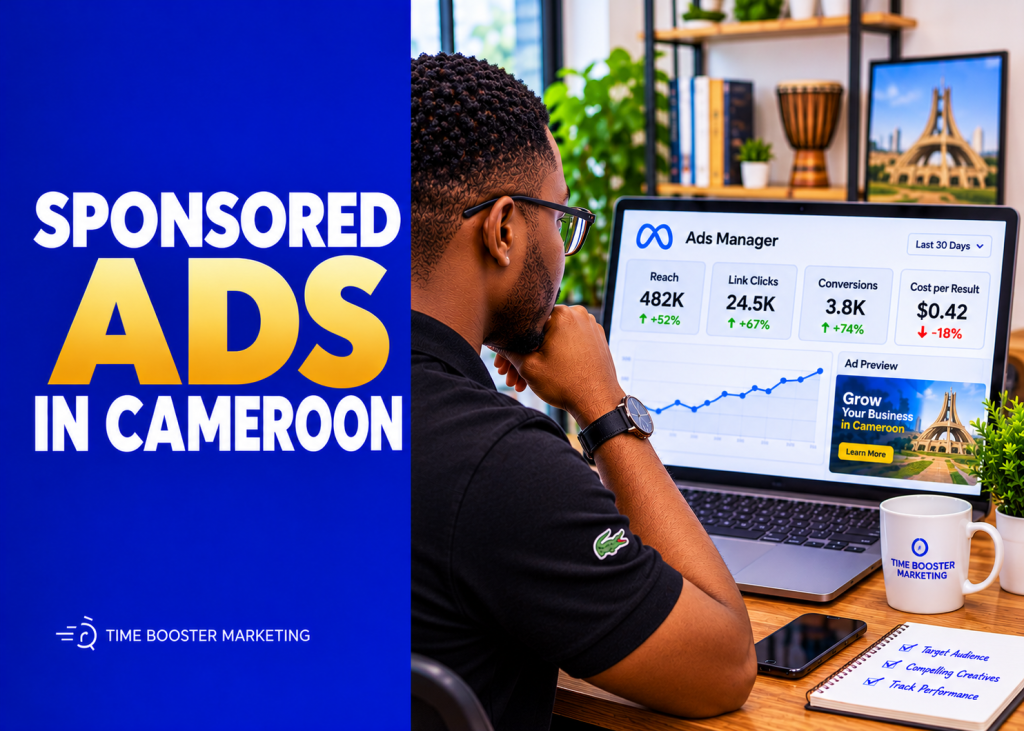
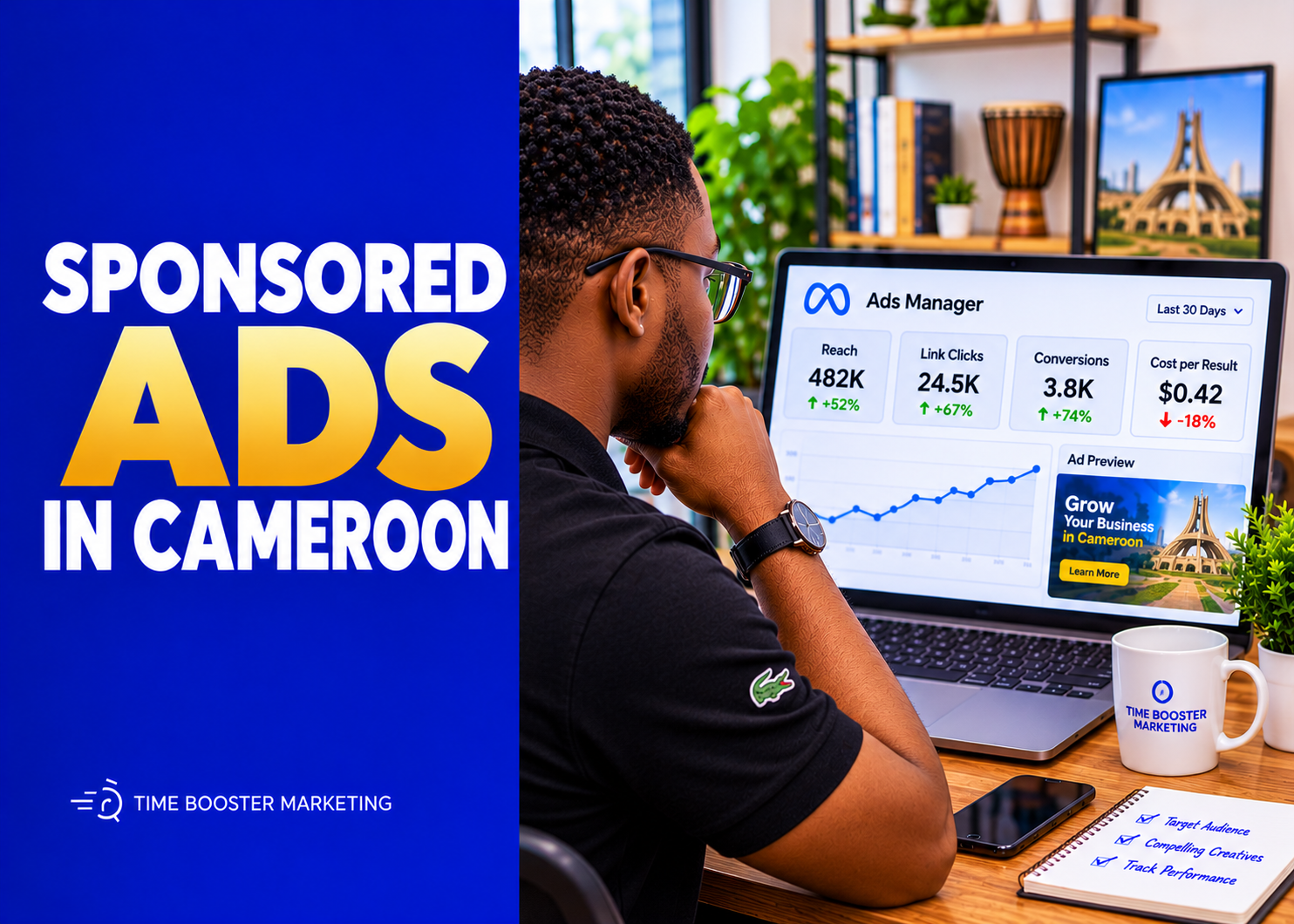

This is where sponsored ads in Cameroon can make a difference.
Sponsored advertising allows businesses to pay platforms to distribute their content, promotions and offers to selected audiences. Instead of relying entirely on organic reach, businesses can use paid campaigns to increase visibility, attract potential customers and generate inquiries.
However, spending money on advertising does not automatically translate into sales. Results depend on the platform you choose, the audience you target, the quality of your creative content and what happens after someone responds to your advert.
Here is what businesses should understand before investing in sponsored advertising.
1. Sponsored Ads In Cameroon
Sponsored ads are paid promotional messages displayed to selected audiences through digital platforms.
Unlike organic posts, which depend largely on platform distribution and audience interactions, sponsored content receives paid exposure based on the advertising settings and objectives selected by the business.
For example, a clothing store in Douala could sponsor a product promotion to reach people interested in fashion within its delivery locations. A training institution in Buea could advertise an upcoming programme to attract potential students.
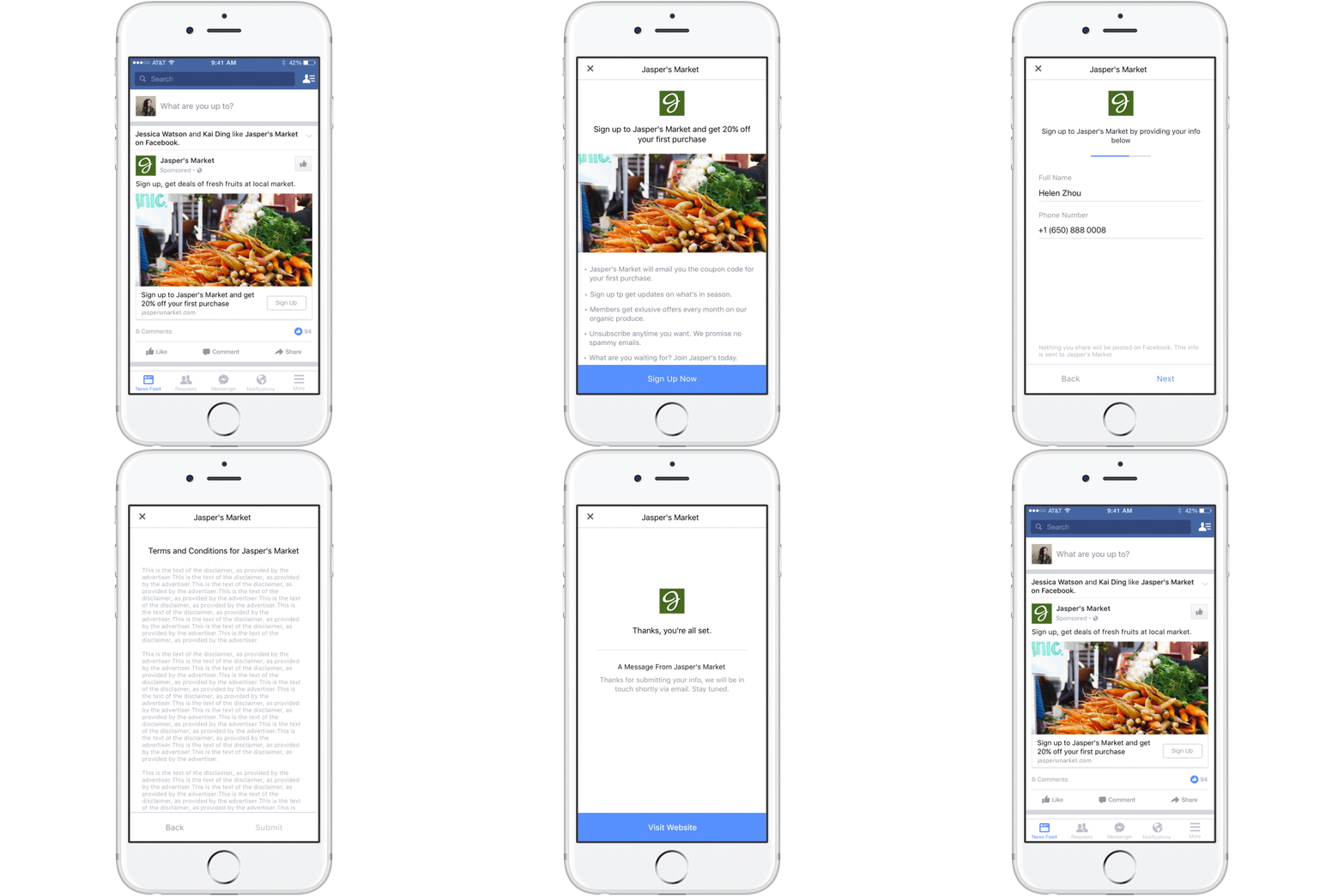
Sponsored ads can help businesses:
- Introduce their products and services to new audiences.
- Increase brand visibility.
- Promote special offers and events.
- Generate customer inquiries.
- Drive traffic to websites and landing pages.
- Encourage bookings, registrations and purchases.
The advantage is the ability to control where your advertising appears, who sees it and how much you are willing to spend.
2. Choosing Between Social Media and Search Advertising
Not all advertising platforms serve the same purpose. Before launching a campaign, consider where your potential customers are most likely to discover or search for your products and services.
Two important options are social media advertising and search advertising.
Social Media Advertising
Platforms such as Facebook, Instagram and TikTok allow businesses to reach audiences based on factors such as location, interests, demographics and behaviours, depending on the platform’s available targeting options.
Social media advertising is particularly useful for:
- Building awareness around a brand.
- Introducing new products.
- Promoting visually appealing offers.
- Generating messages and inquiries.
- Reaching audiences who may not yet know they need your service.
For example, a beauty brand can use Instagram and Facebook adverts to showcase products, demonstrate their benefits and encourage potential customers to place orders.
Search Advertising
Search advertising allows businesses to appear in sponsored positions when people search for specific products, services or information.
Google Ads is a common example.
Unlike social media advertising, which can introduce an offer to people browsing their feeds, search advertising can reach people who are already expressing interest through their search queries.
For example, someone searching for a reliable car repair service in Douala may be closer to making a purchasing decision than someone casually viewing automotive content.
Search advertising can therefore be useful for businesses offering services that customers actively look for.
The right platform depends on your campaign objective, customer behaviour and available budget. Some businesses may benefit from using both.
3. Define Your Advertising Objective Before Spending
One of the biggest mistakes businesses make with sponsored ads in Cameroon is launching adverts without knowing exactly what they want to achieve.
An advertising campaign should have one primary objective.
Are you trying to introduce your brand to more people? Generate WhatsApp inquiries? Increase website visits? Encourage people to register for an event? Or generate direct sales?
Your objective influences the campaign structure, advertising format and performance metrics.
For example:
| Advertising objective | Possible campaign direction |
|---|---|
| Brand awareness | Introduce your business to new audiences |
| Engagement | Encourage interactions with your content |
| Website traffic | Direct potential customers to a landing page |
| Lead generation | Collect inquiries and customer details |
| Sales | Encourage purchases or bookings |
Avoid choosing an objective simply because it promises the cheapest results. Select the one that supports what your business actually needs.
4. Target the Right Audience
Your advert does not need to reach everyone. It needs to reach people who are more likely to be interested in what you offer.
Audience selection is therefore one of the most important decisions in sponsored advertising.
For businesses in Cameroon, targeting can consider:
- Geographic location, including specific cities and service areas.
- Age groups and relevant customer demographics.
- Interests related to your products or services.
- Previous interactions with your business.
- Existing customer information, where permitted and appropriately managed.
For example, a restaurant offering delivery within Yaoundé should focus on customers within its realistic delivery area rather than spending money reaching people across the entire country.
Similarly, a business selling professional training programmes should identify the audience most likely to benefit from the training.
More targeted advertising can reduce wasted exposure and improve the relevance of the inquiries you receive.
5. Create Adverts That Give People a Reason to Respond
Even when your targeting is correct, your advert can still perform poorly if the message does not connect with the audience.
Your creative content should communicate three things:
What are you offering? Make the product, service or promotion immediately clear.
Why should someone care? Explain the benefit or problem your offer addresses.
What should they do next? Include a clear call to action.
Use relevant images, videos, headlines and descriptions to communicate your message.
For example, instead of simply advertising a clothing store with the headline “New Arrivals Available”, you could highlight the type of clothing, its benefits and how customers can order.
Your advert should also match the expectations of the audience and the platform where it appears.
Avoid misleading claims, overcrowded designs and unclear promotional messages.
6. Set a Realistic Budget
Sponsored advertising requires financial planning.
Before launching a campaign, determine how much your business can comfortably invest and how long the campaign should run.
Your budget should consider:
- The campaign objective.
- The size and competitiveness of your target audience.
- The expected duration.
- The cost of producing creative content.
- The amount available for testing.
- The resources needed to manage incoming leads.
Businesses should avoid committing their entire advertising budget to one advert without first understanding how the audience responds.
Start with a manageable test budget, review performance and identify which combinations of audience, creative and messaging produce the most useful results.
As you gather reliable data, you can make better decisions about where to increase or reduce spending.
7. Make Sure Your Landing Page and Inquiry Process Are Ready
Getting someone to click an advert is only part of the customer journey.
What happens after the click can determine whether that person becomes a genuine business opportunity.
If your advert directs customers to a website, ensure the landing page is relevant, mobile-friendly and easy to navigate.
It should clearly explain the offer and make the next step obvious.
If your campaign generates WhatsApp messages or direct inquiries, make sure someone is available to respond.
Businesses should establish a simple process for:
- Receiving new inquiries.
- Responding promptly.
- Answering customer questions.
- Recording interested prospects.
- Following up where appropriate.
- Tracking bookings and sales.
A campaign can generate many inquiries and still produce disappointing results if leads are ignored or poorly managed.
8. Measure Results Beyond Reach and Impressions
Sponsored advertising provides performance data that businesses can use to evaluate their investment.
However, high reach and thousands of impressions do not automatically mean an advert is successful.
Your reporting should connect campaign results to your original objective.
Important metrics include:
| Metric | What it tells you |
|---|---|
| Reach | Number of unique people exposed to your advert |
| Impressions | Number of times your advert was displayed |
| Click-through rate | How frequently people clicked after seeing the advert |
| Cost per lead | Average advertising cost for each generated lead |
| Conversion rate | Percentage of relevant visitors or leads completing a desired action |
| Return on ad spend | Revenue attributed to advertising relative to ad spend |
For example, an advert generating 200 inquiries may look impressive. But if only a small number of those inquiries become paying customers, you need to investigate lead quality, the offer and your follow-up process.
The goal is not simply to spend money and generate activity. It is to understand how advertising contributes to business growth.
Make Your Advertising Budget Work Towards a Clear Goal
Sponsored ads in Cameroon offer businesses an opportunity to extend their reach, connect with selected audiences and generate interest in their products and services.
But effective advertising requires more than choosing a platform and paying to promote a post.
You need a clear objective, relevant audience targeting, compelling creative content, a realistic budget and a reliable process for managing inquiries.
Most importantly, measure what happens after people see your advert. That is how you move beyond visibility and understand the actual value of your advertising investment.
Planning to invest in sponsored advertising? Contact TBM Camer to develop a paid advertising strategy around your business goals.
Email us at info@timeboostermarketing.com.