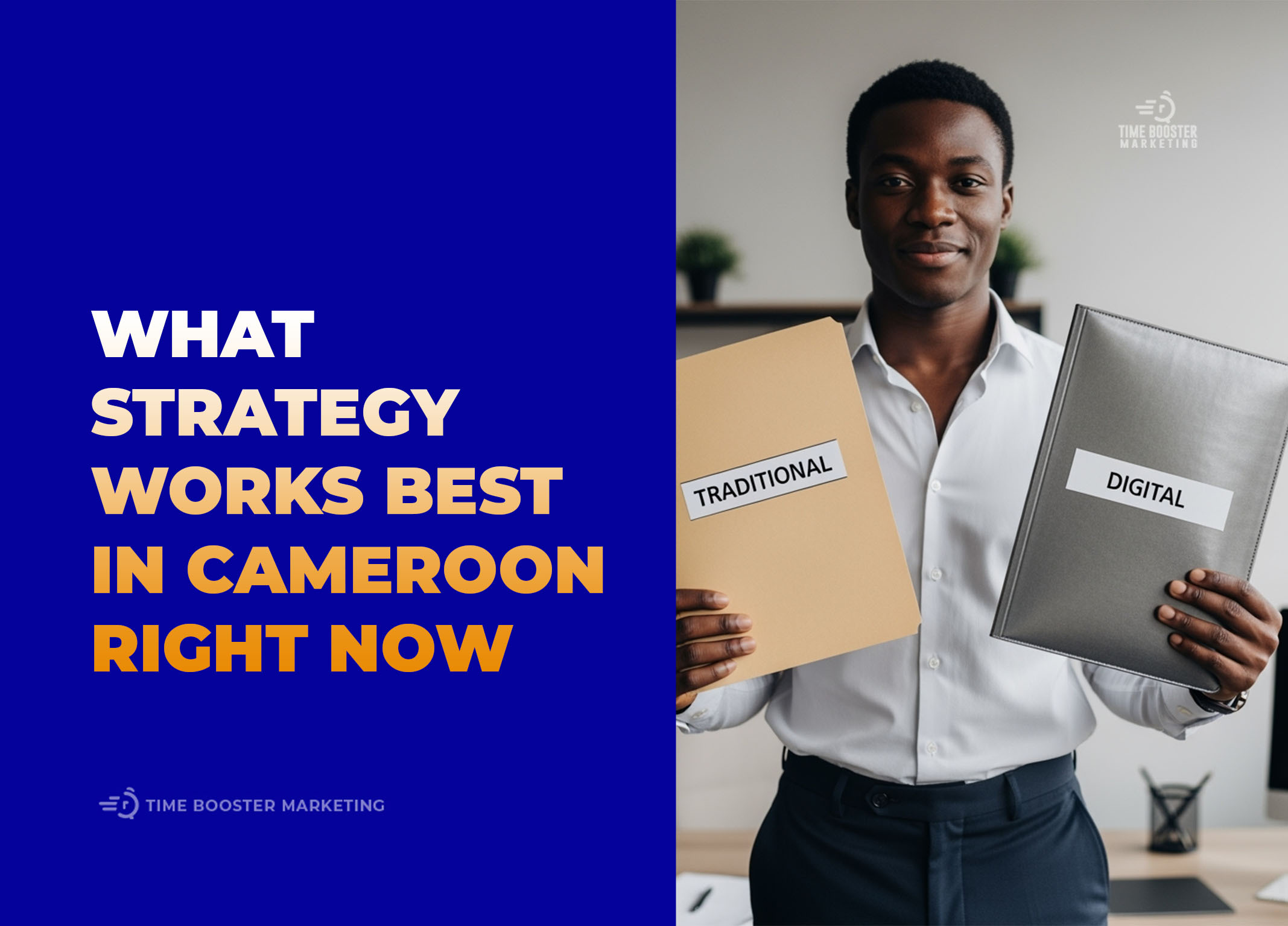
As Cameroon’s business landscape evolves, as a marketer, you find yourself at a crossroad: Should you prioritize traditional methods like billboards and radio, or embrace digital channels such as social media and online advertising?
This article provides a comprehensive exploration of traditional vs digital marketing in Cameroon, examining which approach works best for businesses today.
Understanding the Cameroonian Marketing Landscape
In Cameroon, modernity meets tradition. Urban centers like Douala and Yaoundé boast fast-growing digital adoption rates, while rural regions still rely heavily on traditional media. This duality shapes the effectiveness of our marketing strategies, making the debate between traditional and digital marketing especially relevant.
Traditional vs Digital Marketing in Cameroon
Traditional Marketing in Cameroon
Common Channels:
-
Billboards and Outdoor Advertising: Seen in city squares and highways, billboards remain visible and trusted by the public.
-
Radio and TV: Radio advertising continues to be popular for reaching older generations and rural communities, while TV remains a staple in many homes.
-
Print Media: Newspapers, magazines, and flyers are used for mass distribution, particularly for local announcements or promotions.
Advantages of Traditional Marketing:
-
Ubiquity: Outdoors ads are nearly unavoidable in cities, increasing brand exposure.
-
Credibility: Established formats like radio and billboards signal stability and investment.
-
Demographic Reach: Effective for reaching audiences with lower internet access, especially in rural regions.
Challenges:
-
Costly: TV, radio, and billboards come at a premium and are difficult for most SMEs to afford.
-
Measurement Difficulty: Tracking return on investment (ROI) is challenging compared to digital channels.
-
Limited Targeting: Hard to segment audiences or personalize messaging.
Digital Marketing in Cameroon
Common Channels:
-
Social Media (Facebook, WhatsApp, Instagram, TikTok): Surpassing 6 million users on Facebook alone in recent years.
-
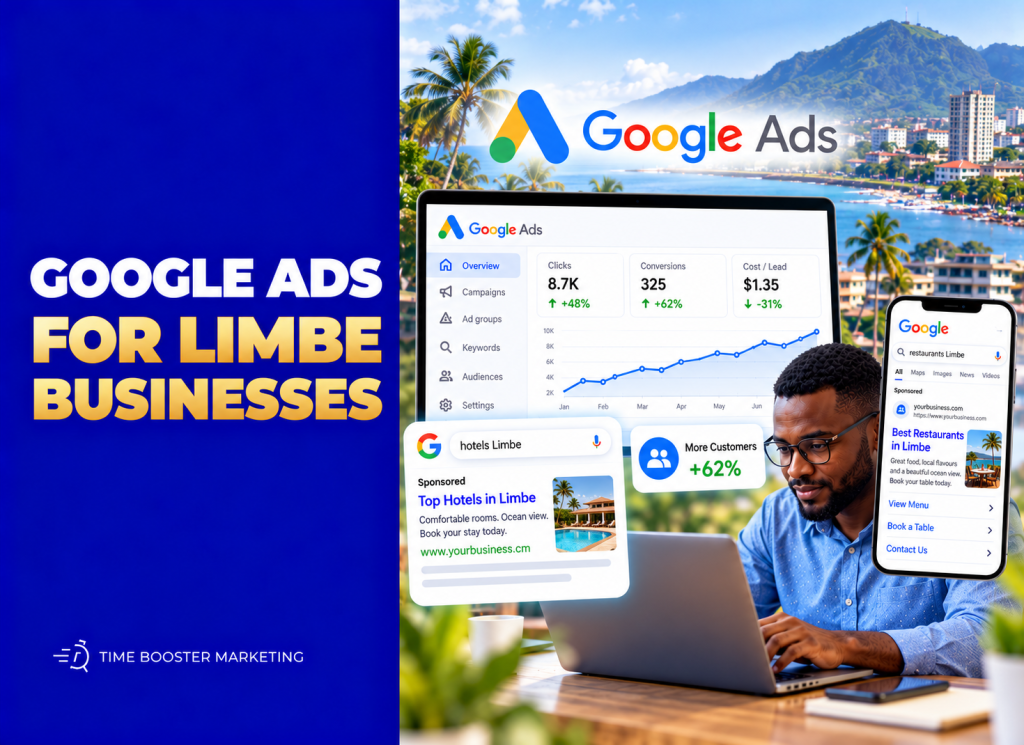
Search Engine Marketing (SEO, Google Ads): Rapidly growing as more Cameroonians shop and search online.
-
Email and Influencer Marketing: Used for direct engagement and trust-building among digital-savvy consumers.
Advantages:
-
Cost-Effective: Lower barriers to entry make digital marketing accessible for startups and SMEs.
-
Targeting & Personalization: Marketers can select demographics, interests, and regions for their campaigns.
-
Real-Time Analytics: Instant performance tracking enables ongoing campaign optimization.
-
Wider Reach: Digital platforms transcend geographic barriers, allowing local companies to reach diaspora and international markets.
Challenges:
-
Digital Divide: Rural areas may still lag in internet penetration, reducing reach compared to major urban centers.
-
Trust Issues: Online scams and misinformation can affect consumer trust, requiring brands to invest in authentic content.
-
Learning Curve: Requires ongoing learning, technical skills, and platform adaptation.
Which Works Best in Cameroon Today?
Trends Show Digital Marketing on the Rise
-
Internet Growth: As of early 2024, Cameroon had over 12.7 million internet users (43.9% penetration), with mobile phones driving much of the access.
-
Digitally Connected Youth: Younger generations spend substantial time on social media, making digital channels essential for brands targeting the under-35 demographic.
-
E-commerce and Mobile Payments: The rapid adoption of e-commerce and digital payments is fueling further investment in digital campaigns.
-
Business Impact: Studies consistently show that SMEs adopting digital marketing strategies see greater gains in commercial performance than those relying solely on traditional marketing.
When Traditional Marketing Still Matters
-
Reaching Older and Rural Audiences: Traditional outlets remain vital for brands targeting regions with limited digital access or older consumers.
-
Establishing Credibility: For new brands, visible presence via billboards or radio can signal legitimacy in the marketplace.
-
Hybrid Strategies: The most successful marketing in Cameroon often blends both worlds, maximizing the strengths of each and ensuring broad demographic coverage.
Comparative Table: Traditional vs. Digital Marketing in Cameroon
| Attribute | Traditional Marketing | Digital Marketing |
|---|---|---|
| Cost for SMEs | High | Low to Moderate |
| Targeting | Broad, non-specific | Highly targeted and personalized |
| ROI Measurement | Limited, indirect | Real-time, highly measurable |
| Geographic Reach | Local/Regional | National/International |
| Demographic Reach | Older, rural demographics1 | Youth, urban, diaspora |
| Credibility | High for established brands | Increasing, built via engagement |
| Interactivity | One-way (brand to consumer) | Two-way (brand and consumer) |
Case Example: SMEs and the Shift Toward Digital
A 2025 study found that SMEs in Cameroon employing digital marketing (social media, online advertising) not only reduced customer acquisition costs but also increased sales and brand engagement, outperforming competitors relying mainly on radio and print. Brands like Jumia Cameroon demonstrated substantial growth after investing in digital over traditional channels.
Key Takeaways and Recommendations
-
Adopt a Blended Approach: Combining traditional credibility (billboards, radio) with digital targeting (social media, search) maximizes impact in Cameroon’s diverse market1211.
-
Know Your Audience: Assess where your customers spend their time. Urban, younger, or tech-savvy segments are best reached online, while rural or older populations may favor traditional media.
-
Track, Test, and Optimize: Leverage digital analytics to monitor campaign effectiveness and adjust for maximum ROI.
-
Invest in Localized Content: Whether traditional or digital, content that reflects Cameroonian languages and culture performs better.
-
Continuous Learning: Digital trends evolve rapidly; ongoing education and adaptation are essential for sustained success.
Conclusion
In Cameroon today, digital marketing is rapidly gaining ground, especially among the youth and urban populations, thanks to its affordability, precision, and data-driven insight. However, traditional marketing still holds value, particularly in reaching communities with limited internet access and establishing brand trust. The most effective strategy is not an either/or choice but a thoughtful blend of both, integrating traditional authority with the reach and responsiveness of digital platforms to secure the broadest and most engaging market presence possible for Cameroonian brands.