How to Build a Simple Digital Marketing Plan for a Small Business in Cameroon

Many small businesses in Cameroon are already doing digital marketing.
They post on Facebook, upload WhatsApp Status updates, respond to Instagram messages and occasionally boost a promotional flyer. The problem is not always a lack of activity. It is that the activity is disconnected.
One week, the business promotes a discount. The next week, it posts a motivational quote. Then the owner becomes busy, content stops and no one can explain which previous posts generated paying customers.
A digital marketing plan solves this problem by connecting your business goal, customer, message, channel, schedule and budget.
Your plan does not need to be 30 pages long. For an owner-managed service business, one clear page supported by a monthly calendar and basic reporting sheet is often enough.
Cameroon had an estimated 12.6 million internet users and 5.9 million social media user identities at the end of 2025, according to DataReportal’s Digital 2026 Cameroon report. Social media user identities are not the same as unique individuals, but the figures still demonstrate the scale of the connected market available to local businesses. (DataReportal – Global Digital Insights)
The opportunity exists. Your task is to build a system that reaches the right part of that market.
Step 1: Choose One Commercial Goal
“Post more frequently” is not a business goal.
A useful goal describes the result marketing should produce within a defined period. For a local service business, that result might be:
- 40 qualified WhatsApp enquiries
- 25 appointment bookings
- 15 quotation requests
- 10 new recurring customers
- CFA 1,000,000 in revenue from one promoted service
Choose one primary goal for the month.
For example:
Generate 30 qualified WhatsApp enquiries for our home-cleaning package in Douala during July.
This goal is better than “increase awareness” because it tells you what you are promoting, where the customer is located, which action matters and how success will be measured.
Work Backwards From Sales Capacity
Your goal must reflect what the business can actually deliver.
Suppose you can accept 20 new jobs next month and normally convert one out of every four qualified enquiries. You need approximately 80 qualified enquiries:
Required enquiries = sales target ÷ conversion rate
20 ÷ 25% = 80 enquiries
This calculation prevents you from setting a marketing target that is disconnected from staffing, stock, appointment availability or delivery capacity.
Step 2: Define the Customer You Want to Reach
Do not define your audience as “everyone in Cameroon.”
A local service business rarely needs national visibility. It needs attention from people who are within its service area, have a relevant problem and can realistically buy.
Create a short customer profile covering five questions:
- Where does the customer live or work?
- What problem are they trying to solve?
- What makes them hesitate before buying?
- What evidence would increase their trust?
- Which action are they most comfortable taking?
A cleaning business might define its priority customer as:
A working professional or small-office manager in Bonapriso, Bonamoussadi or Akwa who needs reliable cleaning but worries about punctuality, security and inconsistent service quality.
This description immediately improves your marketing.
Instead of publishing “We offer professional cleaning services,” you can communicate punctual arrival, verified staff, transparent packages and easy WhatsApp booking.
Match Language to the Customer
Cameroon is multilingual, but that does not mean every advertisement needs several languages.
Choose the language your specific customer segment uses when comparing services and making enquiries. Depending on your market, that could be English, French or a deliberate combination. Keep the main message easy to scan rather than forcing every translation into one crowded design.
Step 3: Select a Small Number of Channels
A small business does not need to be active on every digital platform.
It needs a connected channel system that performs three jobs:
- Discovery: Helps new customers find you
- Trust: Shows that your business is credible
- Conversion: Gives the customer a simple way to enquire or buy
For many local service businesses in Cameroon, a practical starting combination is Google Business Profile, Facebook or Instagram, and WhatsApp Business.
Google Business Profile for Local Discovery
A verified Google Business Profile allows a storefront or service-area business to manage how it appears on Google Search and Maps at no charge. You can add contact details, business hours, photos, services and other information that helps potential customers evaluate the business. (Google Help)
Your first-month tasks should include:
- Confirming your business name and contact details
- Setting the correct map location or service area
- Adding operating hours
- Uploading recent, authentic photos
- Listing your main services
- Asking satisfied customers for genuine reviews
Treat the profile as part of your sales system, not as a one-time listing.
Facebook and Instagram for Attention and Proof
Use Facebook or Instagram to show customer outcomes, explain services, answer objections and promote offers.
Choose the platform your customers already use. Do not divide limited time between multiple platforms simply because competitors have accounts there.
Your social profile should make three things clear within seconds:
- What you sell
- Who it is for
- How to enquire
WhatsApp Business for Enquiries and Follow-Up
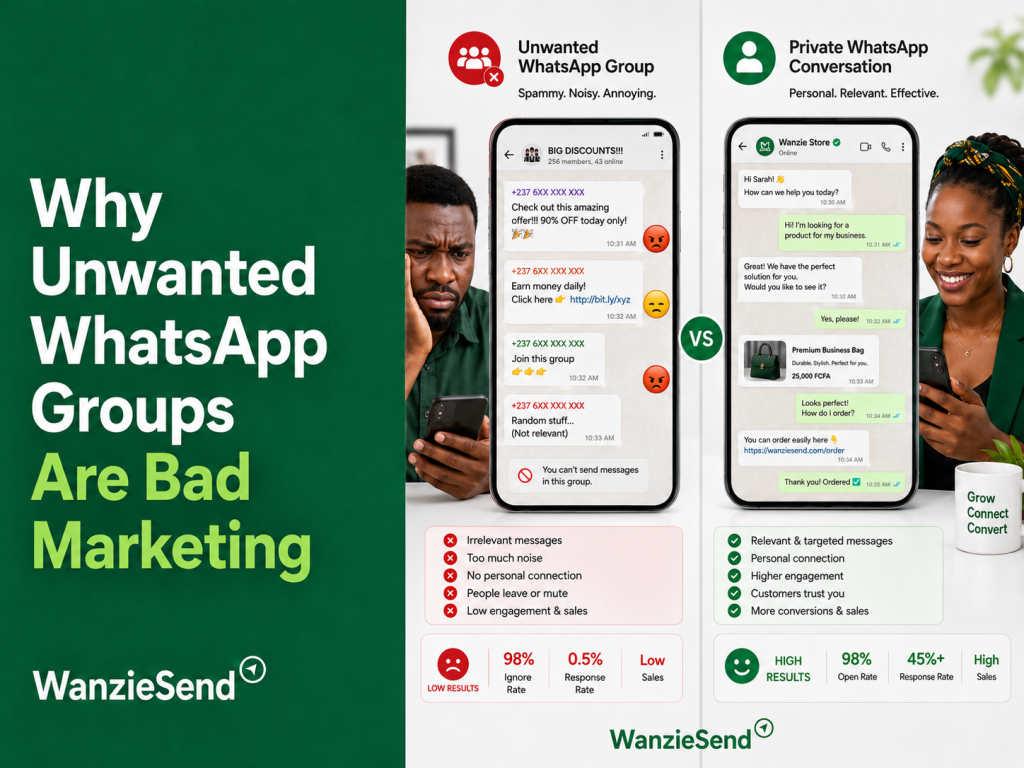
WhatsApp should not be treated as an unorganized inbox.
The WhatsApp Business app supports tools such as quick replies, labels and away messages. These features can help you answer recurring questions, organize conversations and set response expectations outside business hours. (WhatsApp for Business)
Create quick replies for:
- Prices or starting price ranges
- Available appointment times
- Location and directions
- Service inclusions
- Payment instructions
- Frequently asked questions
Use labels such as New Enquiry, Qualified, Quotation Sent, Booked and Follow Up. This turns WhatsApp into a basic lead-management system.
Step 4: Build Four Monthly Content Themes
Stop deciding what to post on the morning you need to publish.
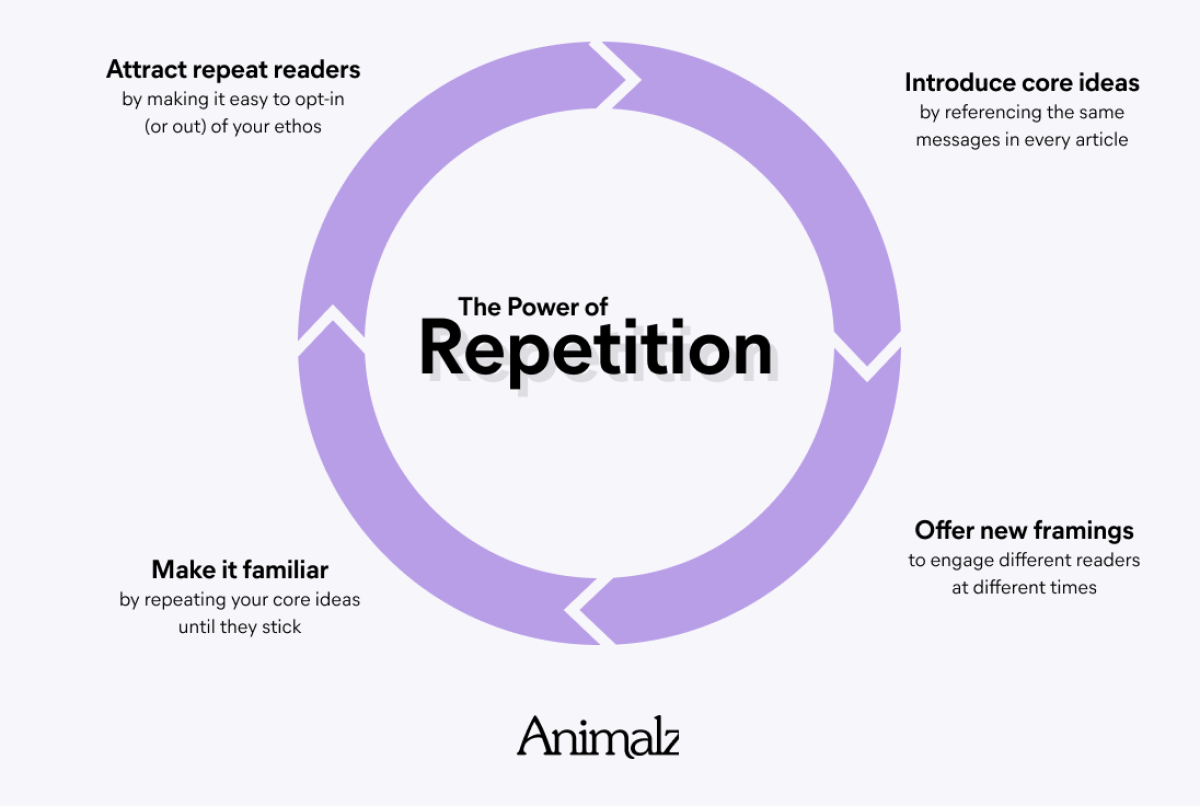
Create four repeatable content themes:
1. Customer Problems
Describe situations your customer recognizes.
“Booked a technician who never arrived?”
“Tired of waiting several days for a simple quotation?”
Problem-led content attracts people who are already aware of the need.
2. Solutions and Education
Explain your process, provide useful guidance or clarify what customers should expect.
A maintenance company could explain how to prepare for a technician’s visit. A salon could explain how to choose a protective style based on schedule and maintenance needs.
3. Proof
Publish testimonials, completed work, customer stories, demonstrations and behind-the-scenes processes.
Proof is especially important where purchasing decisions depend on trust and referrals. Show evidence rather than repeatedly claiming to be “the best.”
4. Offers and Action
Present a specific service, package, deadline or availability window.
Every offer should answer:
- What is included?
- Who is it for?
- What does it cost, or how is pricing determined?
- What should the customer do next?
Step 5: Create a Manageable Monthly Schedule
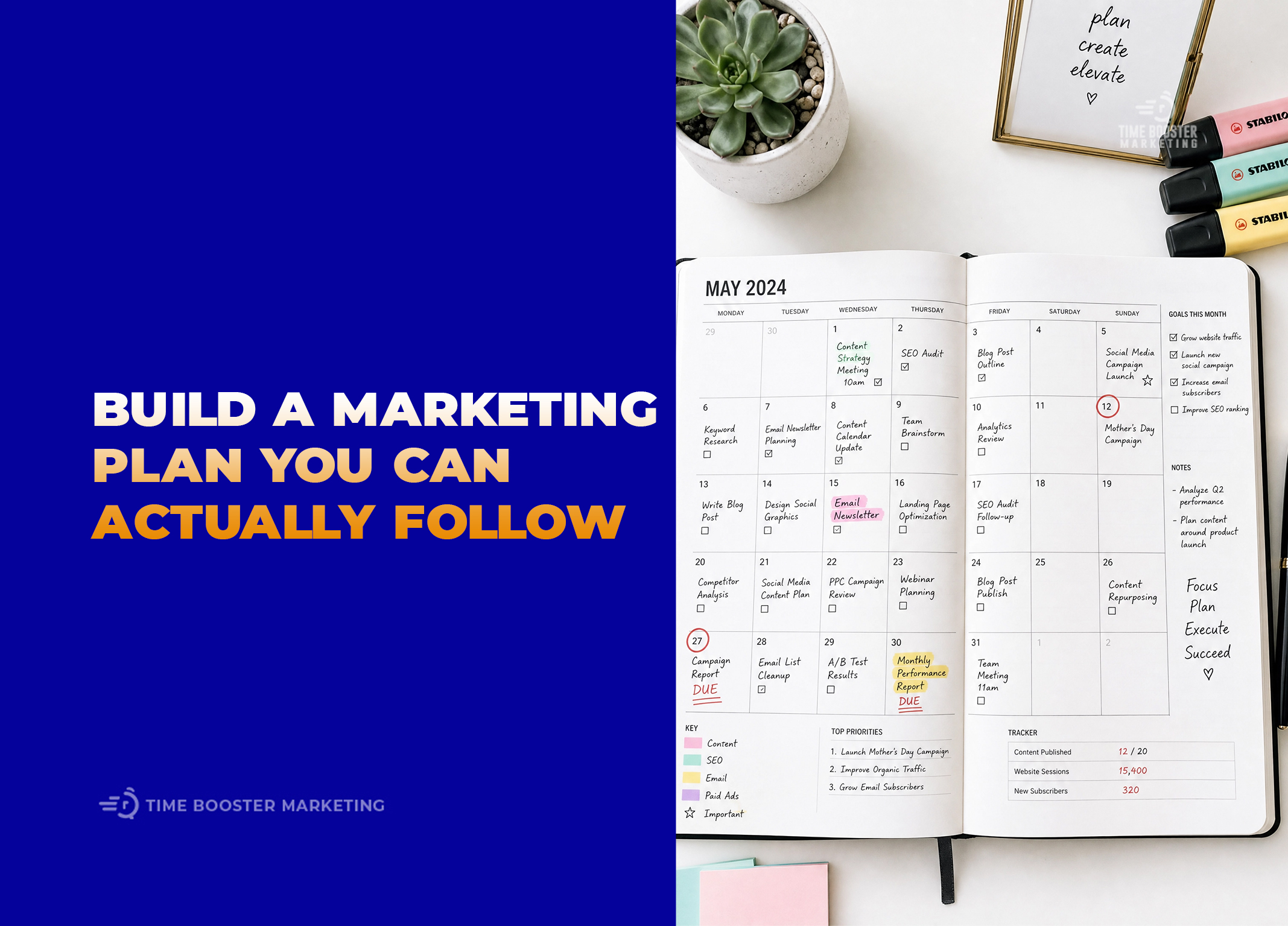
Consistency is more valuable than an ambitious calendar you cannot maintain.
A realistic schedule could include:
- Tuesday: Customer problem or educational post
- Thursday: Proof, testimonial or demonstration
- Saturday: Offer or availability post
- Three to five WhatsApp Status updates weekly
- Daily: Respond to enquiries and update lead labels
Create content in batches. One morning each month can be used to photograph completed work, record short videos, collect testimonials and draft captions.
Facebook Pages can schedule posts through Meta Business Suite, where the Planner provides weekly and monthly views of scheduled content. (Facebook)
A Simple Four-Week Action Plan
Week 1: Foundation
Confirm the monthly goal, update your profiles, prepare your offer and create the first batch of content.
Week 2: Visibility
Publish educational and proof content. Ask previous customers for reviews. Record the questions prospects ask most frequently.
Week 3: Promotion
Run or strengthen the main offer. Direct interested prospects to one conversion point, such as WhatsApp.
Week 4: Follow-Up and Review
Follow up with undecided leads, review performance and identify which content or channel generated qualified enquiries.
Step 6: Set a Budget You Can Sustain
Separate your marketing budget into four categories:
- Content production
- Paid promotion
- Tools and internet access
- Testing reserve
For example, a business with a CFA 200,000 monthly budget might allocate:
- CFA 50,000 to photography, video or design
- CFA 100,000 to paid advertising
- CFA 30,000 to data, tools and customer follow-up
- CFA 20,000 as a testing reserve
This is an example, not a universal formula.
A business with stronger content resources may allocate more to advertising. A new business with weak photos, unclear offers and slow response times should strengthen those areas before increasing ad spend.
When using Meta ads, choose an objective that matches the desired result. Meta explains that its system looks for people more likely to take the action associated with the selected campaign objective. Click-to-message ads, for example, can send prospects from Facebook or Instagram into WhatsApp conversations. (Facebook)
Step 7: Report Business Results, Not Vanity Metrics
Likes and followers can indicate attention, but they do not tell you whether marketing is producing customers.
Track:
- Enquiries received
- Qualified enquiries
- Quotations sent
- Appointments or orders
- Completed sales
- Revenue
- Marketing spend
- Lead source
Calculate:
Cost per qualified enquiry = marketing spend ÷ qualified enquiries
Customer acquisition cost = marketing spend ÷ new customers
Conversion rate = new customers ÷ qualified enquiries × 100
Add one source question to your enquiry process:
“How did you hear about us?”
Use consistent options such as Facebook, Instagram, Google, WhatsApp referral or existing customer.
Businesses directing customers to a website can also use Google Analytics campaign parameters to identify which campaigns generated visits. Google recommends using consistent utm_source, utm_medium and utm_campaign parameters in tagged links. (Google Help)
Keep the Plan Simple Enough to Use

Your digital marketing plan should fit the reality of your business.
You do not need seven social platforms, daily professional videos or a large advertising budget. You need one measurable goal, one clearly defined customer, a focused channel system, repeatable content themes, a manageable schedule and basic reporting.
At the end of every month, ask three questions:
- Which activity generated qualified enquiries?
- Which enquiries became paying customers?
- What should receive more or less time and money next month?
That monthly review transforms marketing from irregular promotion into a business process. Instead of posting whenever you remember, you begin making deliberate decisions about how attention becomes trust, how trust becomes conversation and how conversations become revenue.