The world of e-commerce in Cameroon is dynamic and growing fast. As more businesses move online and more consumers embrace digital shopping, a new question is emerging on the horizon: what’s next? How will people find products in the age of AI and conversational assistants? The answer may lie in a new discipline called Generative Engine Optimization, or GEO. This guide will explore the powerful implications of GEO in eCommerce and make the case for why it is very likely the future of online retail in Cameroon.

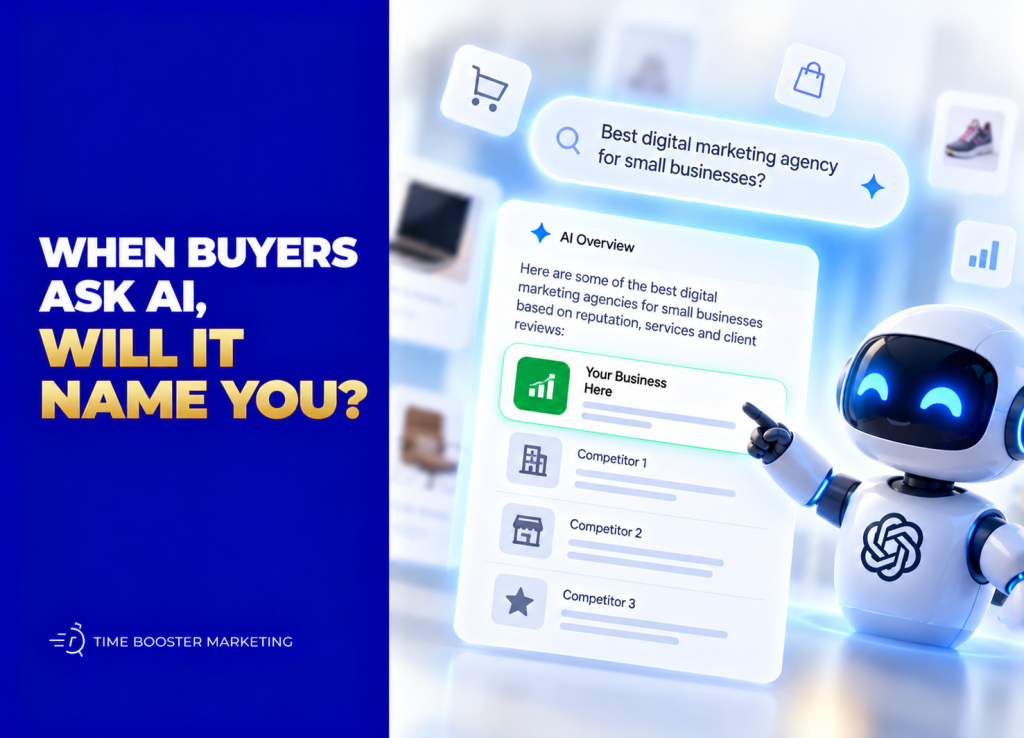
For years, we’ve focused on traditional Search Engine Optimization (SEO), working to get our product pages to the top of Google’s list of blue links. But search is changing. AI-powered engines like Google’s Search Generative Experience (SGE) and Perplexity AI are starting to give users direct, summarized answers instead of just a list of links. GEO is the practice of optimizing your content to become the source of truth for these AI-generated answers. Understanding this shift now will give you a massive competitive advantage in the years to come.
What Exactly is Generative Engine Optimization (GEO)?
Before we can discuss its impact, let’s get clear on what GEO is. Think of it as the next chapter of SEO.
- Traditional SEO: You optimize your website with keywords so that when someone searches for “buy black soap in Douala,” your website appears high up in the list of search results. The user then clicks a link to visit your page.
- Generative Engine Optimization (GEO): You optimize your website’s content to be so clear, authoritative, and well-structured that when a user asks an AI assistant, “What’s the best black soap for sensitive skin in Cameroon?” the AI uses your product information directly in its generated answer, often citing you as the source.
The goal of GEO is no longer just to rank your link; it’s to become the answer itself. This means your product descriptions, blog posts, and FAQ pages need to be structured in a way that an AI can easily understand and trust. The rise of GEO in eCommerce means moving from being a destination to being a source of information.
Why GEO is Important for E-Commerce in Cameroon
The Cameroonian digital landscape has unique characteristics that make GEO particularly relevant and powerful. Ignoring this shift is not an option for any forward-thinking e-commerce business.
- The Rise of Voice and Conversational Search: Cameroon is a mobile-first country. For many, typing long queries on a smartphone keyboard, especially when juggling multiple languages, is cumbersome. Voice search via mobile assistants is a natural and growing alternative. Users are more likely to ask their phone a full question, like “Where can I find affordable baby clothes in Yaoundé?” than to type “baby clothes Yaoundé.” GEO is designed to answer these conversational queries directly.
- The Importance of Local Language and Nuance: Cameroon is incredibly linguistically diverse, with French, English, and Cameroonian Pidgin English (CPE) used widely, alongside many local languages. AI models often struggle with the nuances of CPE or regional dialects. Businesses that create content in the natural language of their customers are providing a valuable signal of authenticity and expertise that an AI can learn from.
- The Quest for Trust and Authority: In a growing e-commerce market, trust is everything. Consumers are wary of scams and look for signals of credibility. When a trusted AI assistant like Google’s SGE directly sources information from your store to answer a user’s question, it provides a powerful, third-party endorsement of your authority.
Challenge 1: Overcoming the Language Barrier with GEO
One of the biggest hurdles for any business in Cameroon is language. A strategy that only uses formal French or English will miss a huge segment of the population that communicates in Pidgin or a mix of languages.
Generic AI models are trained on massive datasets but often lack deep knowledge of these local linguistic variations. This presents a huge opportunity. By creating content that reflects how Cameroonians actually speak and search, you can become the go-to source for the AI on local topics.
How to Optimize for Local Language:
- Incorporate Cameroonian Pidgin English (CPE): If it aligns with your brand, don’t be afraid to create content using CPE. Create FAQ sections or blog posts that answer questions in the way a local customer would ask them. For example, a product page could have a Q&A: “Dis soap fit for my pikin?” (Is this soap suitable for my child?).
- Research Local Search Queries: Use tools and on-the-ground knowledge to understand the specific phrasing people use. Are they searching for “livraison” or “delivery”? Do they use brand names or generic terms?
- Create a Glossary or Jargon Buster: If you sell technical or specialized products, create a page that explains industry terms in simple, local language. This is incredibly valuable content that an AI can use to define terms for other users.
By embracing Cameroon’s linguistic diversity, you’re not just connecting with customers; you’re teaching the AI how to understand your market better, with your site as the textbook. This is a core strategy for GEO in eCommerce.
Challenge 2: Optimizing for the Conversational Customer Journey
In traditional e-commerce SEO, the user journey might be linear: search for a product, click a link, buy the product. In a GEO world, the journey is a conversation.
Consider this potential interaction with an AI assistant:
- User: “I want to buy a good blender in Cameroon.”
- AI: “There are several good blenders available. Are you looking for something for making smoothies or for grinding egusi?”
- User: “Mainly for grinding egusi.”
- AI: “In that case, you need a blender with a powerful motor and a dry mill. Brands like Moulinex are popular. The Moulinex Perfect Mix has a 1200W motor and is well-regarded for grinding. Jumia and Glotelho often have it in stock.”
To win in this scenario, your website needs to provide content that answers every stage of that conversation. You need to have content explaining the difference between blenders, which ones are good for Cameroonian cooking, what features to look for, and clear product data for specific models.
How to Optimize for the Full Conversation:
- Create Comprehensive Buying Guides: Write blog posts like “The Best Blenders for a Cameroonian Kitchen” or “How to Choose a Phone for a Student in Cameroon.” These guides answer the informational queries that come before a purchase.
- Develop Detailed Product Pages: Your product pages must go beyond a simple description. Use structured data (Schema.org) to clearly label specifications like model number, price, availability, and features. This makes it easy for an AI to pull accurate data.
- Build an Exhaustive FAQ Section: Think of every possible question a customer might have about your products or services and answer it clearly on your site. “Do you deliver to Kumba?” “Is payment on delivery an option?” “What is your return policy?” Each of these answers is potential fuel for an AI-generated response.
Challenge 3: Building Trust and Authority Signals for GEO
Generative AI engines are designed to find and amplify authoritative and trustworthy content. They don’t want to give bad advice or recommend shoddy products. Your job is to send every possible signal to the AI that you are a legitimate, trustworthy expert in your field. A key part of using GEO in eCommerce is building this digital trust.
How to Build Authority Signals:
- Genuine Customer Reviews: Encourage your customers to leave detailed reviews. These reviews are a goldmine of natural language content that signals user satisfaction and provides valuable keywords.
- Expert-Written Content: If you sell skincare, have an aesthetician write for your blog. If you sell electronics, provide detailed, expert comparisons. Showcase your expertise and credentials clearly.
- An “About Us” Page That Builds Connection: Tell your story. Why did you start this business? What is your connection to the community? A personal, authentic story builds human trust, which translates into digital authority.
- Secure and Professional Website: Ensure your site has an SSL certificate (HTTPS) and provides clear contact information, including a physical address if you have one, a phone number, and a professional email address. These are basic but crucial trust signals.
The Technical Side of GEO: Structured Data is Your Best Friend
While GEO is about creating great content, there is a crucial technical component: structured data.
Structured data, often implemented using Schema.org markup, is a standardized vocabulary that you add to your website’s code to explicitly tell search engines what your content is about. You’re not just telling them you have a product; you’re telling them its name, price, brand, rating, and availability in a language the machine can perfectly understand.
For e-commerce, this is non-negotiable. Implementing product schema allows an AI to:
- Instantly know the price of your product.
- See if it’s in stock.
- Pull the average star rating from reviews.
- Understand its key features and specifications.
When an AI assistant needs to recommend a product, it will favor the sites that provide this information clearly and accurately through structured data. It removes the guesswork for the AI and makes your product information easy to use. While it can be technical to implement, platforms like Shopify and many WordPress plugins can help automate the process of adding structured data to your product pages.
Is Cameroon Ready for GEO? And Is GEO Ready for Cameroon?
This is a two-sided question. The infrastructure and user behavior in Cameroon are rapidly evolving toward a future where GEO is dominant. The high mobile penetration and the utility of voice search in a multilingual society create fertile ground for conversational AI.
On the other hand, the AI models themselves are still learning. They need high-quality, local content to train on. This creates a window of opportunity. The Cameroonian businesses that start creating detailed, authoritative, and locally relevant content now will be the ones that teach the AI about the market. They will become the foundational sources of truth, building a powerful and lasting competitive advantage.
Conclusion
The shift to generative search is not a distant, theoretical concept; it’s happening now. For e-commerce businesses in Cameroon, it represents a fundamental change in how customers will find and interact with you. Waiting to adapt is not a viable strategy.
The future of GEO in eCommerce in Cameroon belongs to the businesses that are:
- Authentic: They embrace local languages and culture in their content.
- Helpful: They focus on answering the customer’s entire conversational journey, not just selling a product.
- Authoritative: They build trust by showcasing expertise and transparent business practices.
- Structured: They use technical tools like schema markup to make their product data easy for machines to understand.
Start by reviewing your own website. How well do you answer your customers’ questions? Is your product information clear and detailed? Could you create a buying guide that would be genuinely helpful to someone new to your products?
By taking these steps, you are not just optimizing for a future algorithm. You are building a better, more helpful, and more trusted business for your customers today. The businesses that master this will not just survive the AI revolution; they will lead it.