
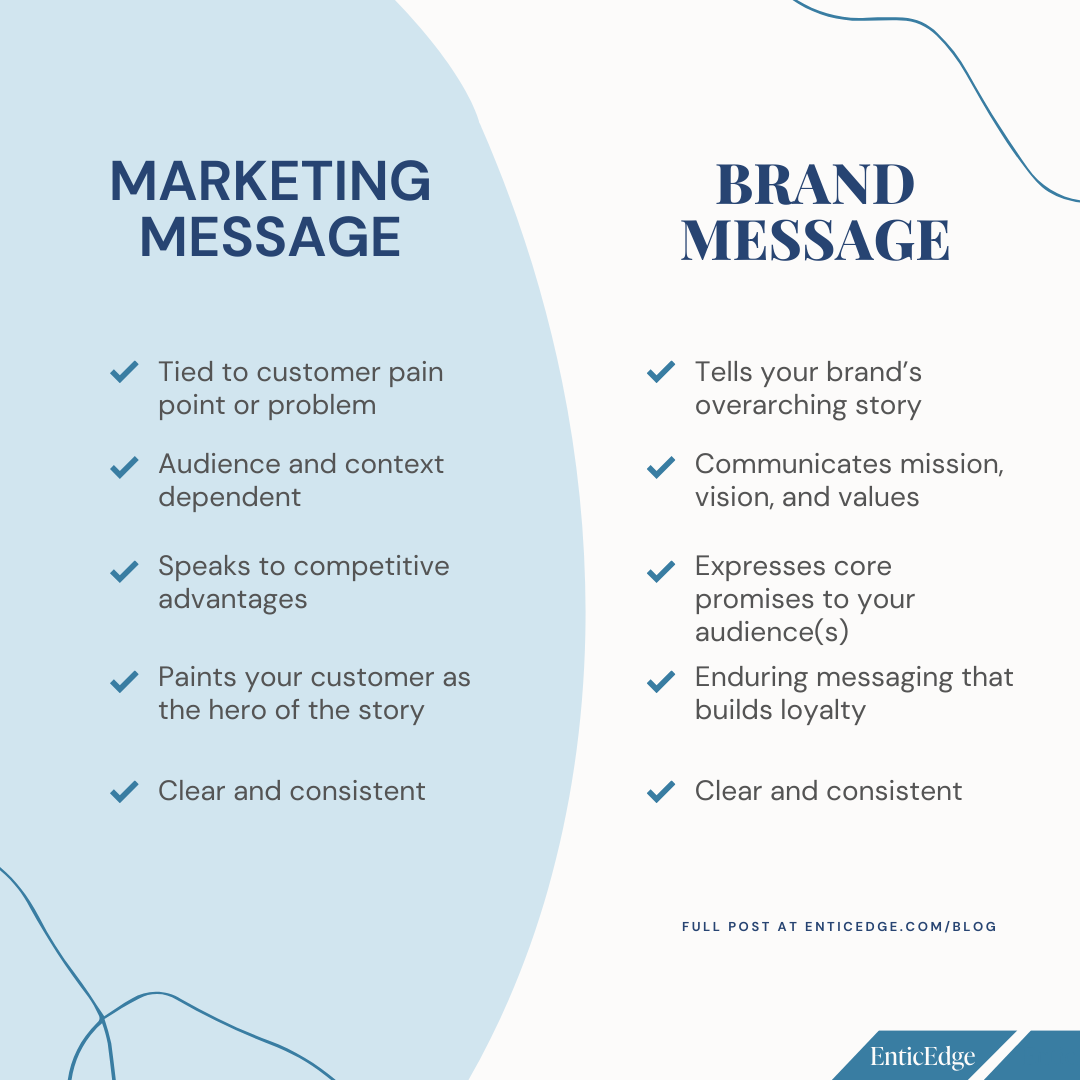
What Is Wrong with Your Marketing Message in Limbe?
Your business may not have an attention problem.
It may have a clarity problem.
This is one of the hardest truths for business owners in Limbe to accept because activity feels like progress. You are posting consistently. You are printing flyers. You are boosting ads. You are updating WhatsApp statuses every day. People even react to your content sometimes.
But reactions are not conversions.
Views are not inquiries.
Likes are not bookings.
And if customers constantly “see” your business without taking action, your marketing message is likely failing before your offer even gets a chance.
That matters because Limbe is becoming noisier commercially. More salons are opening. More food businesses are advertising online. More boutiques are selling similar products. More gyms, hotels, event planners, makeup artists, and local brands are competing for the same customer attention.
When markets become crowded, weak messaging becomes expensive.
Customers stop trying to “figure out” what businesses mean. They scroll past confusing offers immediately.
Your message has seconds to communicate:
- Why this matters
- Why you are different
- Why somebody should trust you
- Why they should care right now
If your marketing does not answer those questions quickly, customers move on to someone clearer.
Here are the four biggest messaging problems hurting businesses in Limbe right now — and how to fix them.
Problem #1: Your Marketing Fails the “So What?” Test
This is the most common problem by far.
Your content explains what you do… but not why anybody should care.
That sounds harsh, but it is the reality behind many non-performing ads, captions, flyers, and promotional posts.
The Real Problem with Generic Messaging
Many businesses write things like:
- “Quality fashion items available”
- “Professional catering services”
- “Trusted real estate solutions”
- “Affordable hotel rooms”
- “Premium hair services”
Technically, nothing is wrong with those statements.
But emotionally?
They are weak.
The customer reads it and subconsciously asks:
“So what?”
Not because your business is bad.
Because your message does not connect your offer to a meaningful outcome.
The “So What?” Headline Test Every Business Should Use
Every headline should answer this question:
“Why does this matter to the customer’s life?”
That is where strong messaging starts.
Weak Example
“Professional cleaning services in Limbe.”
Better Example
“Get your apartment cleaned without sacrificing your weekend.”
The second version works because it translates the service into relief.
People rarely buy services purely because of the service itself.
They buy:
- Convenience
- Time savings
- Confidence
- Comfort
- Reduced stress
- Faster results
- Better appearance
- Peace of mind
- Social perception
That emotional bridge is what many local businesses skip.
Why This Mistake Is Common in Limbe

A lot of business owners market from their perspective instead of the customer’s perspective.
You focus on:
- Your products
- Your equipment
- Your professionalism
- Your experience
- Your effort
Meanwhile, customers focus on:
- Their problems
- Their frustrations
- Their desired outcomes
Those are not the same thing.
If your messaging starts with “we” instead of “you,” it often becomes less persuasive immediately.
Fast Fix
Before posting anything online, ask:
“If somebody sees this for three seconds, will they immediately understand why this matters?”
If not, rewrite it.
Focus on:
- The result
- The relief
- The convenience
- The emotional payoff
Problem #2: You Are Selling Features Instead of Benefits
This is another major conversion killer.
Especially on Instagram captions, flyers, and WhatsApp promotions.
Businesses describe what they offer instead of explaining what changes for the customer.
That difference matters more than most people realize.
Feature vs Benefit Messaging
A feature describes something.
A benefit explains why it matters.
Customers emotionally respond to benefits faster.
Example: Salon
Feature-Based Message
“We use imported hair products.”
Benefit-Based Message
“Protect your natural hair while keeping your style fresh longer.”
The second version answers the hidden customer concern.
That is persuasive messaging.
Example: Restaurant
Feature-Based Message
“Fast delivery available.”
Benefit-Based Message
“Hot meals delivered quickly when you are too tired to cook after work.”
Now the customer sees themselves inside the scenario.
That creates relevance.
Example: Gym
Feature-Based Message
“Modern fitness equipment.”
Benefit-Based Message
“Start getting fit in a gym environment that feels welcoming, not intimidating.”
That addresses emotional resistance.
Strong messaging identifies invisible customer fears.
The Simplest Messaging Formula to Use
Whenever you write marketing content, use this structure:
What You Offer
→ Why It Matters
→ What Changes for the Customer
Example
“Air-conditioned event hall”
→ “Keeps guests comfortable”
→ “So your event still feels organized and enjoyable even during hot weather.”
That is stronger communication.
Problem #3: Your Marketing Is Too Difficult to Scan
Research from Microsoft’s consumer attention study showed how quickly users lose focus online. Whether or not people debate exact attention-span statistics today, one reality remains true: customers make fast decisions about whether content feels worth their attention.
Most people are not reading your marketing carefully.
They are scanning it quickly while distracted.
Especially on:
- Flyers
- Posters
- Business banners
That changes how you must write.
Write for Scanners, Not Readers
Customers are looking for fast clarity.
They scan for:
- Prices
- Offers
- Benefits
- Trust signals
- Contact information
- Simplicity
If your content feels visually stressful, they skip it immediately.
Signs Your Marketing Is Hard to Read
- Long blocks of text
- No spacing
- Weak headlines
- Too many emojis
- Too much information at once
- Important details buried inside paragraphs
- Generic openings like “Dear valued customers…”
The harder your message feels to process, the lower your response rate becomes.
Example of Weak Copy
“Hello everyone we are pleased to inform the general public that our business now offers quality fashion items at affordable prices kindly contact us for more information.”
This sounds formal but ineffective.
Most people will stop halfway through.
Better Version
New arrivals this week in Limbe
✔ Casual sneakers
✔ Office shoes
✔ Delivery available
✔ Easy WhatsApp ordering
Clean styles. Fast response. Affordable pricing.
Message now to reserve your size.
This works better because people can scan it in seconds.
That matters more than sounding “official.”
The 3-Second Clarity Rule
Your customer should immediately understand:
- What you offer
- Why it matters
- What they should do next
If those three things are unclear, your messaging is losing customers.
Problem #4: Your Business Sounds Like Everybody Else
This is one of the biggest hidden problems in crowded markets like Limbe.
Especially in industries where many businesses sell similar things:
- Beauty
- Fashion
- Food
- Hospitality
- Fitness
- Events
- Real estate
Everybody uses the same language.
- “Affordable prices”
- “Best quality”
- “Customer satisfaction”
- “Professional services”
- “Trusted brand”
The result?
Nobody stands out.
Generic Messaging Creates Price Competition
When customers cannot see a meaningful difference between businesses, they compare only:
- Price
- Convenience
- Location
That is dangerous because cheaper competitors will always exist.
Better messaging creates perceived value.
Perceived value protects pricing.
How to Sound Different Without Reinventing Your Business
You do not need dramatic branding. You need specificity.
Weak Example
“We sell perfumes.”
Better Example
“Long-lasting perfumes for professionals who want to smell fresh through a full workday in Limbe heat.”
Now the message feels relevant to a real person. That creates stronger positioning immediately.
Another Example
Weak
“Event planning services.”
Better
“Stress-free event coordination for busy families who want guests impressed without managing everything themselves.”
Specificity increases trust.
How to Fix Your Marketing Message Quickly
You do not need a complete rebrand to improve your conversions.
Most businesses simply need clearer communication.
Start here.
Step 1: Identify the Real Customer Frustration
Ask:
- What annoys your customers?
- What wastes their time?
- What do they fear?
- What outcome are they chasing?
That should shape your message.
Step 2: Focus on Outcomes, Not Descriptions
Customers care less about what something is.
They care more about:
- What improves
- What becomes easier
- What becomes faster
- What becomes less stressful
Translate your offer into outcomes.
Step 3: Remove Empty Marketing Language
Delete phrases like:
- “Top quality”
- “Best service”
- “Trusted brand”
- “Affordable solutions”
These phrases are overused because they are easy to say.
But they communicate almost nothing.
Replace them with specifics.
Step 4: Simplify Everything
Your message should feel easy to understand immediately.
Especially in a mobile-first environment where customers are scrolling quickly between conversations, statuses, and notifications.
Clarity beats cleverness.
Every time.
Final Thought
A weak marketing message does not always look weak to the business owner.
That is what makes it dangerous.
You may think your problem is:
- The algorithm
- Pricing
- Competition
- Advertising budget
- Low engagement
But sometimes the issue is simpler. Customers do not clearly understand why your business matters. And when people are confused, they delay. When they delay, they forget. The businesses winning attention in Limbe right now are not always the biggest businesses. They are often the clearest. Because clear messaging builds trust faster. And trust is what converts attention into customers.