Understanding SEO Reporting Mistakes
![Top 5 SEO Mistakes: Guidance for Agencies [2024 Update] - AgencyAnalytics](https://images.ctfassets.net/dfcvkz6j859j/1F4epi5CraYWZJhXSBCM2Y/0641126cc9cdc16b79ca80f061f77279/Common_Client_Reporting_Mistakes_Agencies_Should_Avoid_at_All_Costs__-_Hero_Image.png "6 SEO Reporting Mistakes Cameroon Startups Must Avoid in 2025 1")
Let’s begin with a clear definition. SEO reporting mistakes are errors startups make when measuring, analyzing, and presenting search engine optimization performance. These can be technical, like relying on wrong data sources, or strategic, like tracking metrics that don’t drive business outcomes.
Digital visibility is making waves in Cameroon. Many founders rely on freelancers or agencies, but rarely understand the reports they receive. This knowledge gap leads to poor decisions like cutting SEO budgets too early or chasing vanity metrics like pageviews instead of conversions. By learning to identify and avoid these reporting mistakes, you put your business in control of its growth story.
A Short History of SEO Reporting
SEO reporting wasn’t always this complicated. Ten years ago, most businesses tracked keyword rankings and organic traffic alone. But search engines evolved. Today, Google uses over 200 ranking factors, and SEO performance is tied to user experience, content quality, and technical site health. Reporting also had to evolve.
Modern SEO reporting is now about telling a story with data. It should show how organic search drives brand visibility, qualified leads, and sales. For startups in Cameroon competing with local and international players, understanding this evolution is critical to staying competitive.
Top SEO Reporting Mistakes in Cameroon Startups
Here are the most common mistakes seen among Cameroon startups and how to fix them:
1. Tracking Vanity Metrics Instead of Conversions
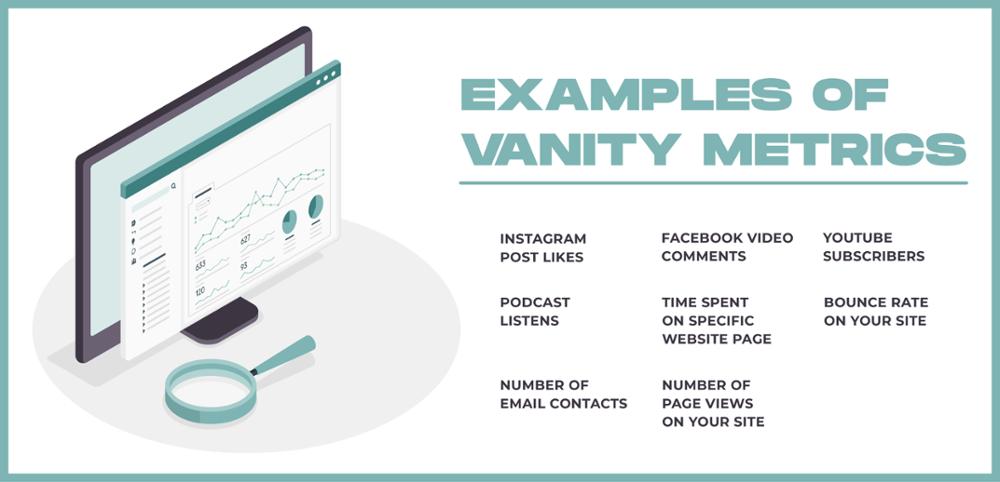
Many founders proudly share reports showing 10,000 visitors per month, but fail to see that those visits do not convert into customers. This is a classic SEO reporting mistake. Traffic means little if it doesn’t bring sales or leads.
Solution:
Focus on metrics that matter, such as organic conversions, cost per lead, and revenue attribution. Use Google Analytics 4 to set up conversion tracking and monitor key actions like form submissions or product purchases.
2. Ignoring Local Search Performance

Cameroon businesses often forget to monitor Google Business Profile performance. This is where local customers find directions, reviews, and phone numbers. Ignoring local search reports means missing insights on your most valuable audience.
Solution:
Regularly track impressions, clicks, and calls from your Google Business Profile. Tools like BrightLocal make local SEO reporting simple and actionable.
3. Relying on Outdated Tools or Free-Only Options

Many startups rely only on free tools like basic Google Search Console reports, which are powerful but limited. Without deeper tools, you miss insights like competitor keyword gaps, backlink profiles, or SERP feature opportunities.
Solution:
Invest in at least one professional tool like Ahrefs, SEMrush, or Moz Pro. These platforms provide comprehensive data and can automate reporting, saving you hours each month.
4. Not Linking SEO to Revenue

Another big mistake is reporting SEO results in isolation. Founders see rankings go up but still don’t know how much money those rankings bring in. This disconnect leads to frustration and wrong business decisions.
Solution:
Integrate SEO data with sales data. Tools like HubSpot or Zoho CRM help map leads from organic traffic all the way to revenue. This makes your reporting business-focused, not just technical.
5. Failing to Segment Data
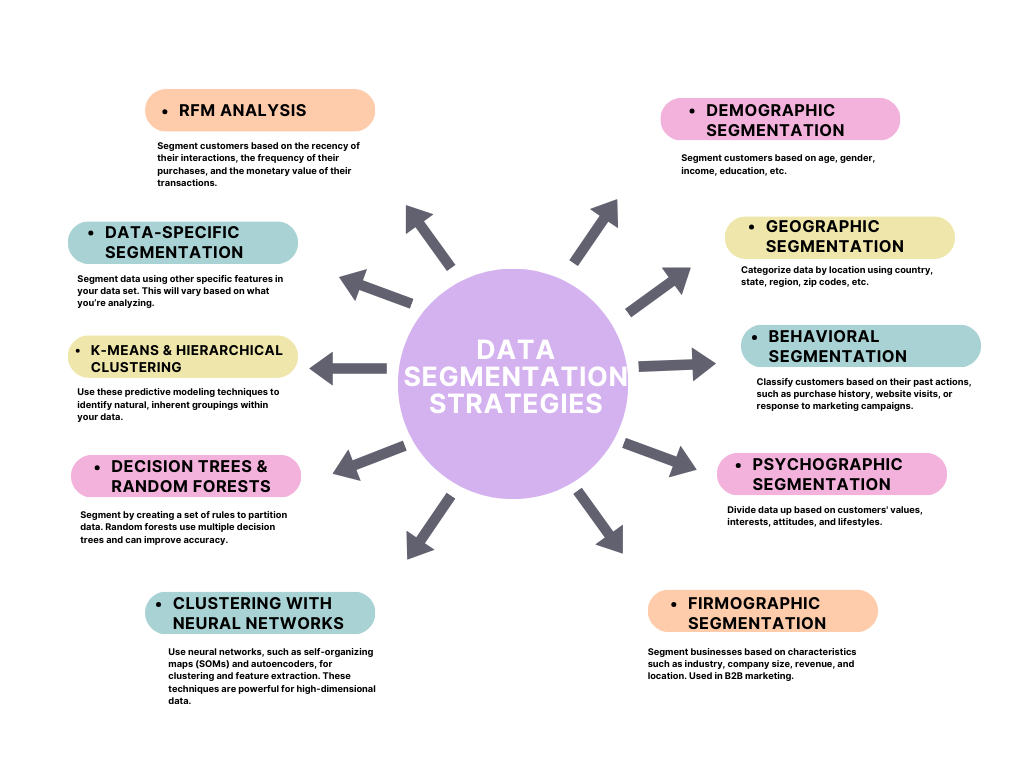
Looking at total website traffic can hide valuable insights. For example, a Cameroon-based eCommerce store may have 50% of its traffic from outside Africa that will never convert because of shipping restrictions.
Solution:
Segment your reports by geography, device, and traffic source. This helps you double down on what actually drives results for your target audience.
6. Not Reporting on User Engagement Metrics
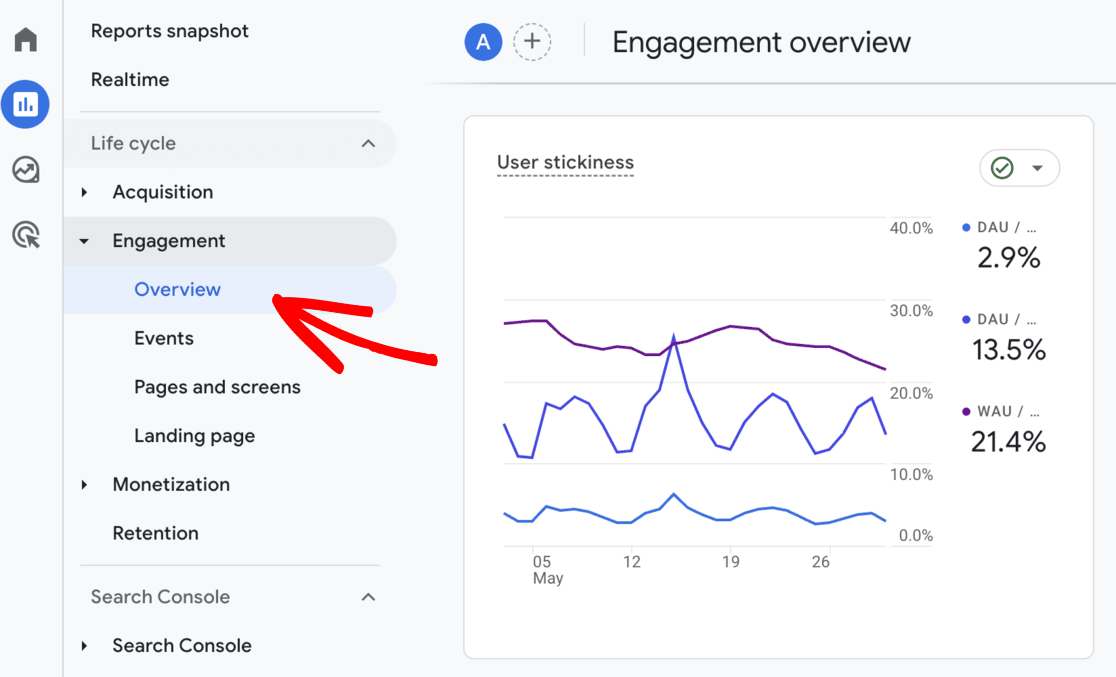
SEO today is about user experience. High bounce rates or low time-on-page can signal that your content does not match search intent. If these metrics aren’t in your reports, you may miss critical opportunities to improve.
Solution:
Include engagement metrics like average session duration and scroll depth in your monthly reports. Pair them with recommendations for content updates.
Practical Reporting Framework for Cameroon Startups
Here’s a simple step-by-step framework for proper SEO reporting:
- Step 1: Define clear business goals (leads, sales, brand visibility).
- Step 2: Choose KPIs tied to those goals (organic leads, conversion rates).
- Step 3: Set up tracking with tools like GA4, Google Tag Manager, and Search Console.
- Step 4: Segment your audience data (location, device, channel).
- Step 5: Automate reporting dashboards for consistency.
- Step 6: Present results with insights, not just numbers.
Following this framework will turn your SEO reports into decision-making tools, not just spreadsheets.
Examples from Cameroon Startups
Take Kiro’o Games, a well-known Cameroon gaming startup. Their marketing reports once focused on social media followers and press mentions, but they were not seeing enough revenue growth. After implementing better SEO tracking, they discovered that 70% of their paying customers came from organic search. By focusing on SEO reporting and optimizing pages based on this data, they increased conversions by 40% in six months (source).
External Resources Worth Exploring
- Google Search Console Guide – Learn to read impressions, clicks, and CTR data.
- BrightLocal’s Local SEO Reporting Guide – Great for small businesses targeting a local audience.
- Ahrefs Blog on SEO Metrics – In-depth explanations of key SEO KPIs.
These external resources complement the strategies shared and help you dive deeper into reporting best practices.
Future Outlook for SEO Reporting in Cameroon
Expect SEO reporting to become even more data-driven. AI tools will automate much of the analysis, but the human touch will still be needed to interpret insights. Startups that combine data accuracy with business storytelling will stand out. The future is about moving beyond simple ranking reports and showing how SEO drives tangible growth.
Conclusion
Avoiding SEO reporting mistakes is one of the fastest ways to unlock growth in your startup. When you stop tracking vanity metrics, connect SEO data to revenue, and focus on local and actionable insights, you put yourself ahead of most competitors. Clear, accurate reports build confidence and keep your team focused on what matters most: growing your business.
Book a free consultation call today with a marketing expert who understands the Cameroon startup space. Let’s build reporting dashboards that actually move the needle for your business.