
Why Every Website Needs SEO Before Running Ads
Running ads before fixing your website is one of the fastest ways to waste marketing budget.
Many businesses think the problem is visibility. They believe that if more people see the offer, more people will buy. So they run Google Ads, Meta ads, LinkedIn ads, or traffic campaigns before asking a more important question:
Is the website ready to convert the people we are paying to attract?
If the answer is no, paid ads will expose the weakness faster. Visitors will click, scan the page, feel confused, and leave. The business will then blame the platform, the audience, or the ad agency, when the real problem is the website.
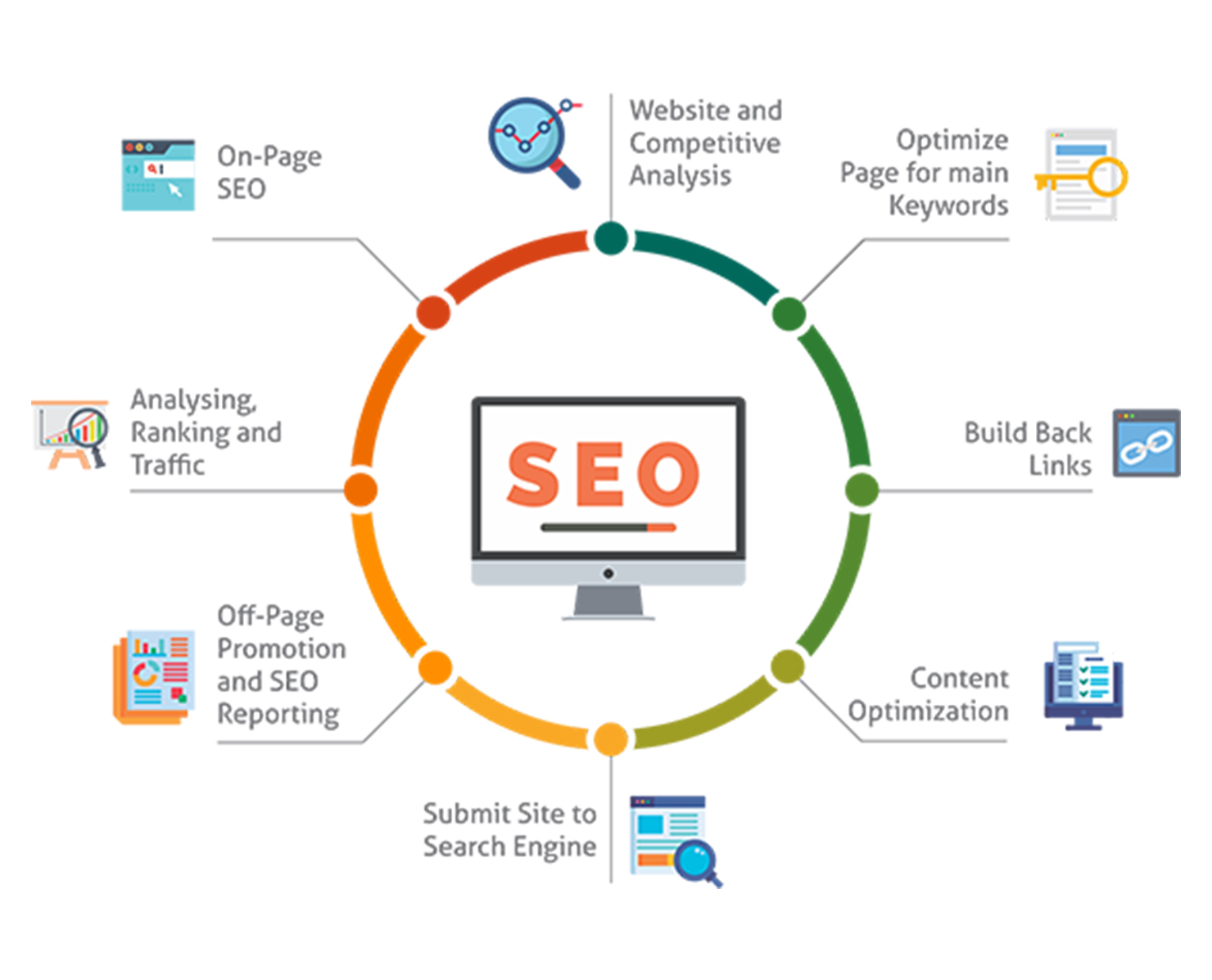
SEO should come before ads because SEO forces your website to become clear, crawlable, relevant, useful, and structured around search intent. Those same improvements also help paid traffic convert better.
SEO Is Not Only About Ranking
Many business owners think SEO means “getting to page one of Google.” That is only part of it.
SEO also improves how your website communicates. It helps organize your pages, clarify your offers, structure your content, answer customer questions, improve internal linking, reduce technical issues, and make the site easier for both people and search engines to understand.
Google’s SEO Starter Guide explains that SEO best practices help search engines crawl, index, and understand your content. That same clarity helps paid visitors understand what your business does after they click an ad. (Google for Developers)
A website that is good for SEO usually has:
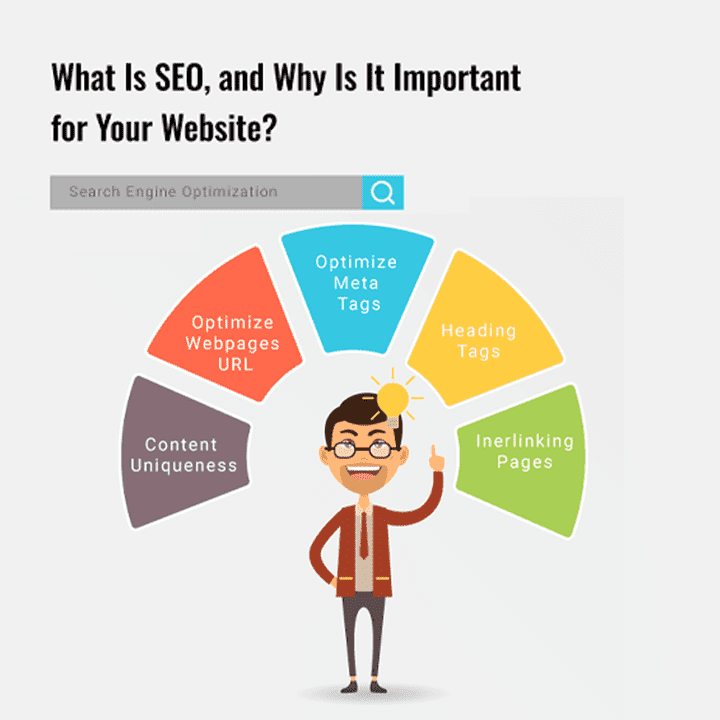
- clear page titles
- focused service pages
- helpful content
- fast mobile loading
- logical navigation
- internal links
- strong contact options
- trust signals
- answers to buyer questions
These are not only SEO assets. They are conversion assets.
Ads Send Traffic. SEO Prepares the Destination.
An ad can create attention. It cannot fix a weak landing page.
If someone clicks an ad for “website design in Douala” and lands on a homepage that says “We provide innovative digital solutions,” the visitor still has to work too hard. They must figure out whether the company builds websites, serves Douala, works with SMEs, offers pricing, has examples, or can be contacted on WhatsApp.
That friction kills results.
Google Ads defines a landing page as the page people reach after clicking an ad, and notes that landing page experience is one factor connected to Quality Score. Google also says landing page experience considers how relevant and useful the page is to people who click the ad. (Google Support)
That means your website is not separate from ad performance. It is part of the ad system.
SEO Improves Landing Page Relevance

A strong ad campaign needs message match.
If your ad promises “affordable accounting services for SMEs in Yaoundé,” the landing page should repeat and expand that promise. It should explain the accounting service, the SME audience, the location, the problems solved, the process, proof, and contact method.
SEO helps because keyword research and search-intent mapping force you to create focused pages.
Instead of sending every ad to a generic homepage, SEO encourages specific pages such as:
Accounting Services for SMEs in Yaoundé
WhatsApp Marketing Services for Small Businesses
Real Estate Agency in Douala
Solar Installation for Homes and Businesses in Cameroon
Private School Admissions in Buea
Each page should answer the exact question or need that brought the visitor there.
Google’s guide on how to optimize ads and landing pages recommends choosing landing pages that closely match ads and keywords because that alignment can improve ad relevance and landing page experience. (Google Support)
SEO Helps You Understand Buyer Intent
Not every visitor wants the same thing.
Some are researching. Some are comparing. Some are ready to buy. Some want prices. Some want proof. Some want a phone number. Some want a location. Some want to know whether you are legitimate.
SEO helps you organize content around intent.
For example, a customer searching “how much does website design cost in Cameroon” is probably researching budget. A customer searching “website design agency Douala WhatsApp contact” is closer to taking action. A customer searching “Hostinger vs local web developer Cameroon” is comparing options.
If your website answers these different intents before you run ads, your campaigns become smarter. You can send people to the page that matches their stage instead of forcing every visitor through the same generic route.
SEO Builds Trust Before the Sale
Paid ads create a click. Trust creates the conversion.
A Cameroonian customer may see your ad, click the website, check your services, read your About page, look for your location, verify your photos, scan testimonials, compare your offer, and then contact you on WhatsApp.
If your website lacks credibility, the ad budget is weakened.
SEO helps build trust by encouraging useful content, clear business information, structured pages, and helpful answers. Google’s Search Essentials describes core requirements and best practices that help web content become eligible to appear and perform well in Google Search. (Google for Developers)
For a business website, trust signals include:
- clear business name
- real service descriptions
- customer testimonials
- case studies
- portfolio examples
- Google Maps location
- team or founder information
- FAQs
- pricing guidance
- WhatsApp and phone contact
- privacy and policy information where relevant
Ads can bring attention to these signals. SEO helps make sure they exist.
SEO Improves Website Speed and Mobile Experience
Most paid traffic in Cameroon and across Africa will come from mobile users.
If your website loads slowly, has heavy images, confusing layout, tiny text, broken buttons, or poor mobile design, ad clicks become wasted clicks.
Google’s official PageSpeed Insights documentation explains that PageSpeed Insights assesses web page performance on mobile and desktop and provides optimization suggestions based on lab and real-world data. (Google for Developers)
This matters before ads because every second of confusion affects customer behavior.
Before running traffic campaigns, test:
- mobile loading speed
- WhatsApp button functionality
- contact forms
- image sizes
- page layout
- menu clarity
- checkout process
- booking flow
- call buttons
- payment instructions
A slow website does not only hurt SEO. It wastes paid traffic.
SEO Gives Ads Better Content to Retarget
A website with strong SEO content gives your ad campaigns more strategic options.
Instead of retargeting everyone with the same offer, you can create audience segments based on the pages people visited.
For example:
A visitor who reads “How Much Does WhatsApp Marketing Cost in Cameroon?” may be interested in budgeting.
A visitor who views “WhatsApp CRM Solutions” may be closer to implementation.
A visitor who checks your pricing page may be closer to buying.
A visitor who reads three blog posts may need a consultation offer.
SEO content creates meaningful behavior data. Paid ads can then follow up based on actual interest, not guesswork.
SEO Reduces Dependence on Paid Ads
Ads stop when the budget stops.
SEO compounds.
That does not mean SEO is free or instant. It takes time, content, technical work, and consistency. But once your website begins ranking for useful searches, it can generate discovery without paying for every click.
This is important for SMEs with inconsistent marketing budgets. If your business depends only on ads, every slow month forces you to reduce visibility. If your website also earns organic traffic, your marketing becomes more resilient.
Paid ads are useful for speed. SEO is useful for sustainability.
The strongest businesses use both.
What to Fix Before Running Ads
Before spending serious money on ads, audit your website.
1. Clarify Your Offer
A visitor should understand your business within five seconds.
Your homepage and landing pages should answer:
What do you offer?
Who is it for?
What problem does it solve?
Why should the visitor trust you?
What should they do next?
2. Create Dedicated Landing Pages
Do not send every ad to your homepage.
Create pages for specific services, products, audiences, or locations. A restaurant ad should go to a menu or booking page. A real estate ad should go to property listings or a lead form. A clinic ad should go to a relevant service page. A course ad should go to a course information page.
3. Add Strong Calls to Action
Your website should make the next step obvious.
Use direct actions such as:
Request a Quote
Book a Consultation
Chat on WhatsApp
View Packages
Download the Guide
Register for the Course
Do not make visitors search for how to contact you.
4. Install Analytics and Tracking
Before ads, set up measurement.
Use tools such as Google Analytics, Google Search Console, ad pixels, conversion tracking, and call or WhatsApp tracking where possible. Google describes Search Console as a free tool for monitoring and troubleshooting a website’s presence in Google Search. It helps you understand how your site performs before and after paid campaigns. (Google for Developers)
5. Improve Page Speed and Mobile Design
Compress images, remove unnecessary plugins, simplify layouts, and test pages on real mobile devices. A beautiful desktop design means little if most customers visit from phones.
The SEO-Before-Ads Checklist
Before launching ads, confirm that:
- your website loads quickly on mobile
- your service pages are clear
- your landing pages match ad promises
- your titles and headings use real customer language
- your contact buttons work
- WhatsApp links open correctly
- forms are tested
- testimonials or proof are visible
- pricing or process information is clear
- analytics and conversion tracking are installed
- Search Console is connected
- visitors know exactly what to do next
This checklist protects your ad budget from avoidable waste.
Ads Work Better When the Website Is Ready
Every website needs SEO before running ads because SEO prepares the ground.
It makes your pages clearer, faster, more relevant, more trustworthy, and easier to measure. It helps customers understand your offer before they lose interest. It helps ad platforms evaluate landing page quality. It gives your business stronger content, better user experience, and more useful data.
Paid ads can create momentum quickly, but they should not be used to cover up a weak website.
Fix the foundation first. Build clear service pages. Answer buyer questions. Improve speed. Connect tracking. Strengthen trust. Then run ads into a website that is ready to turn attention into leads, bookings, sales, and revenue.