


1. Google Search Console Uses AI to Group Queries

Google Search Console Insights (GSC Insights) now features Query Groups, an AI-powered card that clusters similar search queries into meaningful topics rather than listing each slightly different phrase. Google says the groups are computed using AI and may evolve over time. (Google for Developers)
What’s new:
- The “Queries leading to your site” card shows grouped topics with metrics like total clicks, trending up/down and individual query list. (Search Engine Journal)
- Only likely available for properties with large query volumes. (Search Engine Journal)
- Google confirms this grouping doesn’t affect ranking—it’s for higher-level insight. (Google for Developers)
Why it matters:
- It helps you see what topics drive traffic, rather than getting lost in dozens of vague query variations.
- It signals that AI is being used to surface patterns in search data, not just individual keywords.
- If you manage a site with large keyword volume, you’ll want to explore this new card; it may reshape how you track search performance.
2. YouTube Introduces Ask Studio: An AI Assistant for Creators
Ask Studio is a new tool inside YouTube Studio that uses conversational AI to analyze channel data and help creators with comment sentiment, video performance and content idea generation. (Search Engine Journal)
Key features:
- Summarizes comments across videos, extracts themes and sentiments. (Social Media Today)
- Provides analytics insights: e.g., “what patterns do we see in video performance?”
- Generates content suggestions based on your channel data (e.g., title ideas, topics). (Metricool)
- Currently available in the U.S. and in English only (as of latest rollout). (Search Engine Journal)
What this means for you:
- If you produce video content, Ask Studio lets you interact with your data conversationally—ask questions rather than dig through dashboards.
- This may speed up content planning and help smaller creators make data-driven decisions with fewer resources.
- It reflects the trend of AI moving from “do the task” to “tell me what I should do”.
3. Pentagram Design Campaign: Bringing Unseen Women Into Focus
Design agency Pentagram launched a campaign titled UNSEEN which uses clever visual strategies to highlight the plight and resilience of North Korean women whose faces are often concealed or erased from public view. (pentagram.com)
Highlights:
- The campaign obscures women’s faces as a symbolic gesture of both violence and dignity. (pentagram.com)
- It uses a red dot motif and translucent overlays to force viewer engagement and discomfort, rather than comfortable images.
- The result is a powerful design piece that challenges stereotypes and makes visible what is normally invisible.
Why this matters:
- It shows how thoughtful design (not just AI) can shift narratives and expand visibility for marginalized groups.
- Brands and agencies should note that when design is paired with intention and social awareness, it drives stronger emotional impact.
- For marketers, this example underlines that stories matter, and visuals play a central role in shaping them.
4. Elon Musk Launches Grokipedia: AI-Powered Encyclopaedia

Grokipedia, launched by Elon Musk’s company xAI on October 27, 2025, is an AI-generated online encyclopaedia intended to rival Wikipedia. (People.com)
What we know:
- At launch it had over 880,000 articles (compared to ~7 million for Wikipedia in English). (People.com)
- Articles are written and fact-checked by AI model Grok; users cannot edit directly but can flag errors. (euronews)
- It’s positioned as an alternative to Wikipedia, with Musk calling Wikipedia biased and claiming Grokipedia aims to be “truthful”. (Face2Face Africa)
- Early criticism: many articles appear nearly identical to Wikipedia; some contain controversial claims; questions around licensing, transparency and bias. (Omni)
Implications:
- This showcases how AI is being used to build large-scale knowledge systems—not just search.
- For content creators and information professionals, it raises questions about source credibility, licensing and the role of human editors.
- For marketers, it signals that the “knowledge economy” is shifting: AI-powered platforms may emerge alongside traditional hubs like Wikipedia, and you’ll need to consider how your content aligns or appears in them.
5. Google Labs & DeepMind Launch Pomelli: A Marketing AI for SMBs
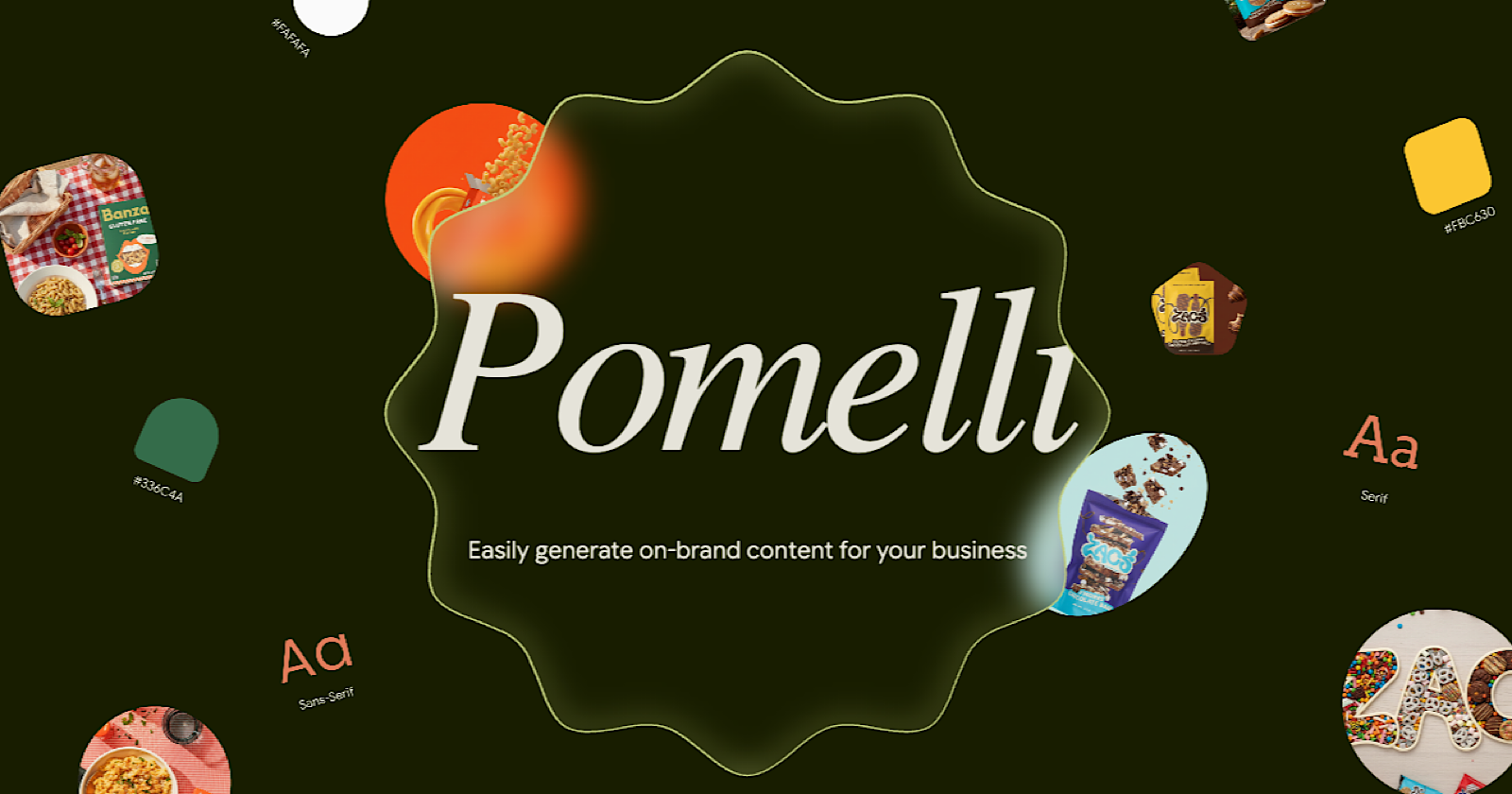
Pomelli is an experimental AI marketing tool from Google Labs in partnership with DeepMind, built to help small-to-medium businesses create branded campaigns quickly. (blog.google)
How it works:
- You input your website and Pomelli scans it to build a “Business DNA” profile: tone, fonts, colors, images. (StartupHub.ai)
- Then the tool suggests campaign ideas and generates editable creative assets tailored to your brand. (Android Central)
- It’s currently in public beta in English, in the U.S., Canada, Australia and New Zealand. (Search Engine Journal)
What this means:
- For SMBs with limited marketing resources, this lowers the barrier to producing consistent, branded content across platforms.
- It signals that large tech companies are focusing AI tools not just for enterprises, but also for smaller businesses.
- If you run or work with a small business, this could become a useful tool, but you’ll still want to ensure creativity, brand authenticity and human review.
What These Updates Tell Us
Putting these pieces together, some patterns and insights emerge:
- AI is increasingly embedded in every part of digital marketing and content workflows, from query analysis (GSC) to campaign creation (Pomelli) to video analytics (Ask Studio).
- Design and storytelling remain essential. The Pentagram campaign shows that even with AI, human-led design with intention drives impact.
- Knowledge and content infrastructure are changing. Grokipedia suggests that AI-driven content platforms are becoming part of the ecosystem, and will challenge how we think about authority, trust and sources.
- Data insights are becoming smarter. Query grouping in Search Console means marketers can focus more on high-level themes rather than discrepancies in variations.
- Small businesses are not being left out. Tools like Pomelli are designed for lower-resource environments.
- A mix of opportunity and caution: While these tools unlock power, they also raise questions (data transparency, bias, quality, oversight).
What You Should Do Next
Here are actions you can take based on these updates:
- If you manage website search analytics: explore the new Query Groups card in Search Console Insights (when available for your site). Use it to identify big-topic opportunities rather than just individual keywords.
- If you create video content: test Ask Studio in YouTube Studio. Use it to ask questions like “What did viewers mention most in comments in the last 1000 views?” or “What 3 new topics should I cover based on my last 5 uploads?”
- If you’re a small business: consider signing up for the Pomelli beta (if eligible). Use it as a starting point but review all generated assets with your brand voice and audience in mind.
- When producing design-led campaigns: reflect on the Pentagram example—how can you design visuals that challenge, rather than reinforce, stereotypes or invisibility?
- If your brand produces evergreen content or knowledge hubs: monitor the emergence of platforms like Grokipedia. Evaluate how your content might appear in evolving AI-driven knowledge systems and how you maintain authority and trust.
- Across all content: remember that metrics matter, but so do story, brand authenticity and the human-in-the-loop. Use AI tools, but don’t rely on them uncritically.
Conclusion
The digital and marketing landscape is shifting fast. Search analytics, video creation, brand design, content platforms, all are being reshaped by AI and design innovation. These six updates reflect what’s next. Whether you’re a marketer, content creator, designer or business owner, you’ll benefit by paying attention, testing new tools, and keeping human insight at the center.


