


The latest Meta ad transparency update marks another major shift in how digital advertising is managed across platforms. As concerns around data privacy and accountability continue to grow, Meta is tightening its rules for third-party ad platforms that interact with its advertising system.

This update is not just a minor policy change. It reflects a broader transformation in the digital marketing industry, where platforms are placing more control over how data is accessed, shared, and used.
For businesses and marketers, understanding this change is essential to staying compliant and maintaining effective advertising strategies.
What the Meta Ad Transparency Update Introduces
According to recent reports, Meta is introducing stricter transparency rules that limit how third-party advertising platforms can access and display campaign data.
Key changes include:
- Restrictions on how cost and performance data are shared outside Meta
- Reduced access for third-party tools managing ad campaigns
- Stronger enforcement of platform policies
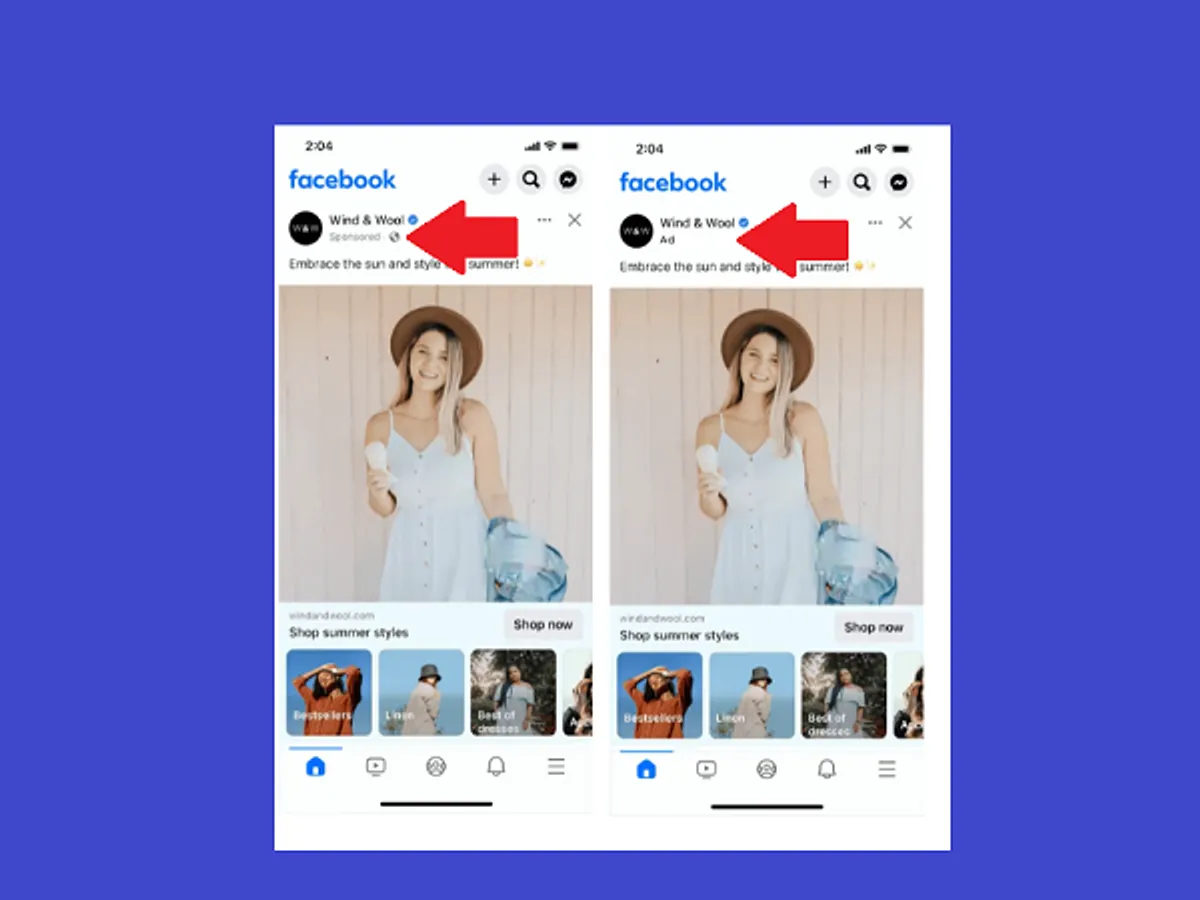
These changes are designed to ensure that advertisers operate within Meta’s official systems and follow standardized reporting structures.
Why Meta Is Making These Changes
The Meta ad transparency update is part of a larger trend in digital advertising focused on privacy, trust, and regulation.
There are several reasons behind this shift:
1. Increased Data Privacy Concerns
Users are becoming more aware of how their data is used. Platforms are under pressure to protect user information and limit misuse.
2. Regulatory Pressure
Governments and regulatory bodies are introducing stricter rules on data handling and advertising practices.
3. Platform Control and Integrity
Meta aims to reduce inconsistencies caused by third-party tools and maintain a more controlled and transparent advertising environment.
What This Means for Marketers
For marketers, the impact of this update is significant.
Reduced Dependence on Third-Party Tools
Many businesses rely on external platforms to manage and analyze ad campaigns. With new restrictions, these tools may offer less functionality.
Limited Data Visibility
Detailed reporting and breakdowns may not be as accessible through third-party dashboards.
Increased Need for Native Tools
Marketers will need to rely more on Meta’s built-in tools for campaign management and performance tracking.


