


In a crowded market, being good is not enough.
Customers are faced with too many options, and when everything looks similar, they make decisions based on clarity, trust, and perception.
This is where a strong brand positioning strategy becomes essential.
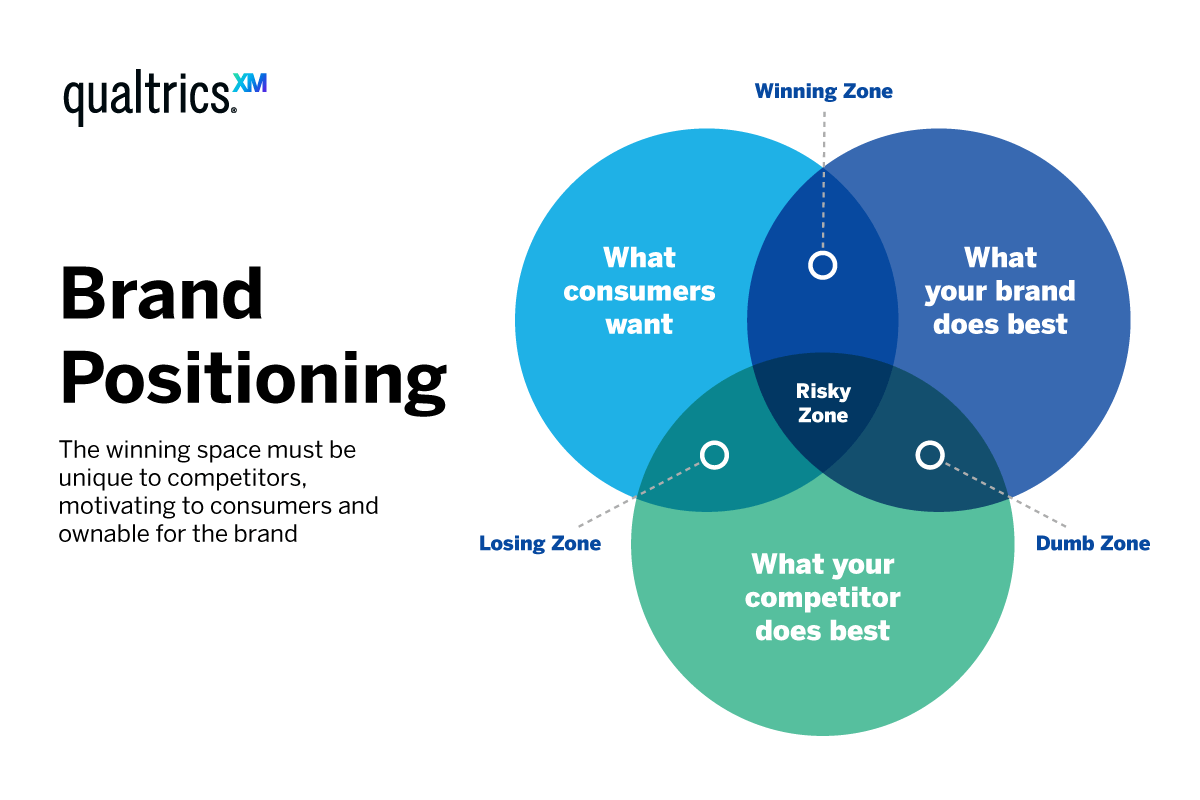
Positioning is not about being better than everyone else.
It is about being different in a way that matters to your audience.
When done right, your brand becomes the obvious choice.
What Brand Positioning Really Means
A brand positioning strategy defines how your business is perceived in the minds of your customers.
It answers key questions:
- Why should someone choose you?
- What makes you different?
- Who are you best suited for?
Without clear positioning, your brand blends in with competitors.
1. Define a Specific Audience
You cannot position your brand effectively if you are targeting everyone.
Clarity starts with knowing exactly who you serve.
- Identify your ideal customer
- Understand their needs and pain points
- Focus on a specific group
The more specific your audience, the stronger your positioning.
2. Identify What Makes You Different
Differentiation is the core of any brand positioning strategy.
Ask yourself:
- What do you do differently?
- What unique value do you provide?
- Why should customers care?
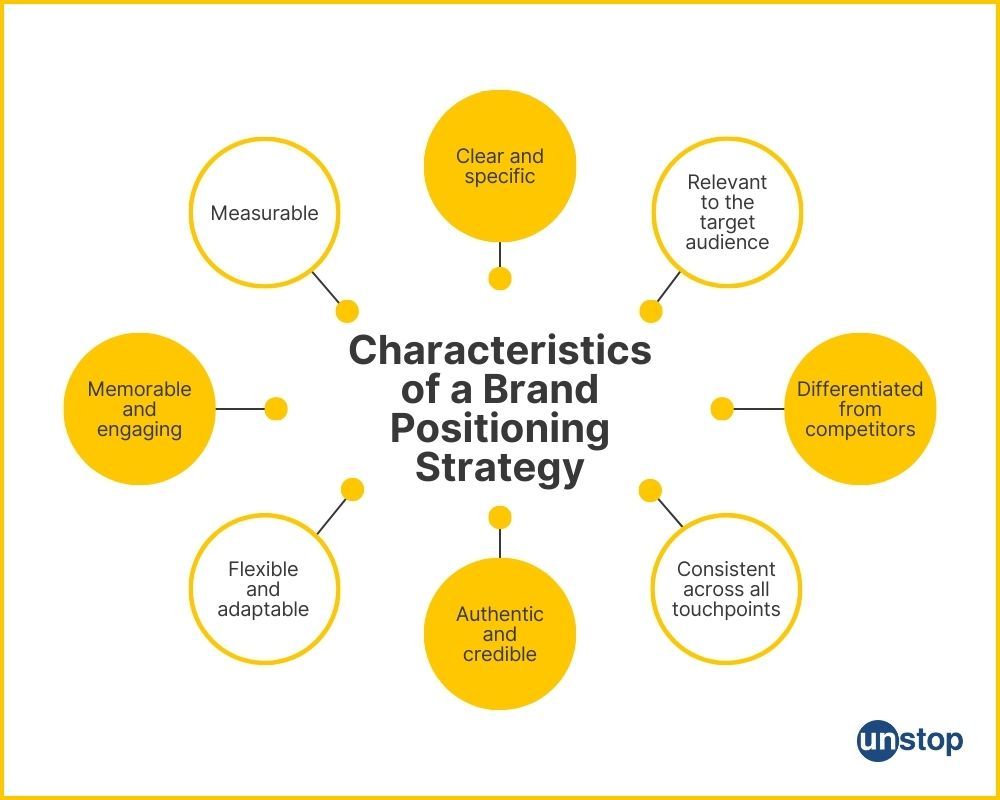
Your difference does not have to be dramatic, but it must be clear.
3. Focus on One Core Message
Trying to communicate too many things weakens your brand.
Strong brands are known for one clear idea.
For example:
- Speed
- Quality
- Simplicity
- Expertise
Choose one core message and build around it.
4. Solve a Specific Problem
People do not buy products. They buy solutions.
Your positioning should clearly communicate:
- The problem you solve
- The outcome you deliver
The more relevant the problem, the stronger your appeal.
5. Align Your Messaging Everywhere
Your brand message should be consistent across all platforms:
- Website
- Social media
- Ads
- Content
Consistency builds recognition and trust.
6. Build Authority and Trust
Positioning is not just what you say. It is what people believe.
You build trust by:
- Sharing valuable content
- Showing results
- Providing proof (testimonials, case studies)
Over time, your brand becomes associated with expertise.
7. Simplify Your Offer
Confusion reduces conversions.
A strong brand positioning strategy makes your offer easy to understand.
Your audience should quickly know:
- What you offer
- Who it is for
- Why it matters
Clarity leads to action.
Signs Your Positioning Is Working
- People understand your offer quickly
- You attract the right audience
- You face less price competition
- Customers choose you more easily
These are indicators that your positioning is strong.
A powerful brand positioning strategy is what separates businesses that compete from those that dominate.
When your brand is clear, specific, and relevant, you do not need to chase customers.
They choose you.
Focus on clarity, differentiation, and consistency.
That is how you become the only obvious choice in your market.


