


Customer retention strategy for small business is one of the most overlooked growth systems in modern marketing.
Most businesses focus almost entirely on acquisition:
- More ads
- More followers
- More traffic
- More leads
But here is the reality:
Acquisition gets the headlines.
Retention makes the money.
Research consistently shows that increasing customer retention by just 5% can increase profits significantly because repeat customers buy more often, trust faster, and cost less to convert.
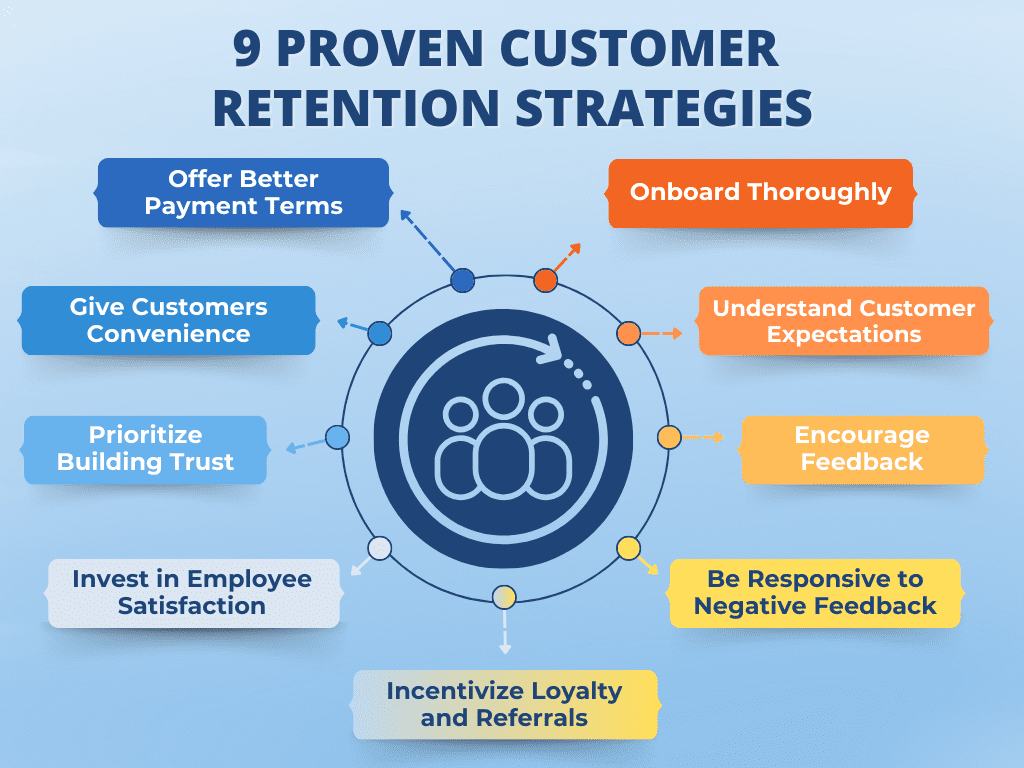
Yet many small businesses completely ignore what happens after the first sale.
That is where the real money is lost.
1. Ignoring the Post-Purchase Experience
Most businesses disappear immediately after a customer buys.
No follow-up.
No thank you.
No relationship building.
That is a major mistake.
The post-purchase experience determines whether customers become:
- Repeat buyers
- Loyal fans
- Referral sources
Or simply one-time transactions.
A strong customer retention strategy for small business starts after the sale, not before it.
2. Treating Customers Like Transactions
People want to feel valued, not processed.
Businesses that only contact customers when selling something create weak loyalty.
Retention improves when customers feel remembered and appreciated.
Simple actions matter:
- Personalized follow-ups
- Appreciation messages
- Helpful recommendations
- Exclusive offers
Relationship-driven businesses retain customers longer.
3. No Re-Engagement System
Many businesses lose customers simply because they stop communicating.
People get distracted.
Competitors appear.
Attention shifts.
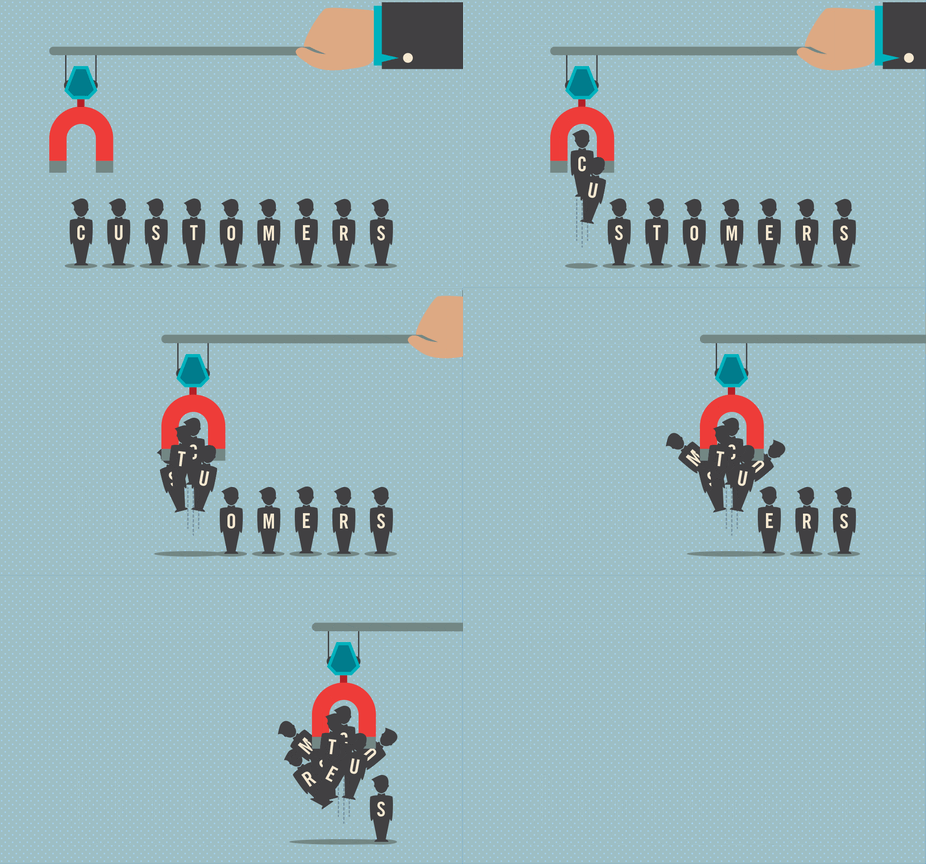
This is why re-engagement matters.
A simple 3-touch sequence can reactivate old buyers:
Touch 1: Check-in message
Ask about their experience or results.
Touch 2: Helpful value
Share useful tips, updates, or recommendations.
Touch 3: Offer or incentive
Give them a reason to return.
This is one of the most effective ways to improve repeat buyers and long-term loyalty.
4. Focusing Too Much on New Leads
Most businesses chase strangers while ignoring existing customers.
That is expensive.
Your best lead is usually your last customer.
They already:
- Know your brand
- Trust your business
- Understand your value
This is why every customer retention strategy for small business should prioritize repeat customer systems before scaling acquisition aggressively.
5. No Loyalty Incentives
Customers are more likely to return when there is ongoing value.
You do not need a complex rewards system.
Simple loyalty strategies work:
- Referral rewards
- Returning customer discounts
- VIP access
- Exclusive content or offers
Loyalty systems encourage repeat behavior naturally.
6. Inconsistent Customer Experience
One bad experience can break trust quickly.
Retention depends on consistency.
Customers expect:
- Fast responses
- Reliable communication
- Professional delivery
- Clear expectations
Consistency creates confidence, and confidence creates loyalty.
7. Forgetting Emotional Connection
People rarely stay loyal to businesses purely because of products.
They stay because of connection.
Brands that create emotional experiences through:
- Storytelling
- Community
- Shared values
- Authentic communication
Build stronger long-term loyalty.
This is especially important for small businesses competing against larger brands.
Why Retention Is More Profitable Than Constant Acquisition
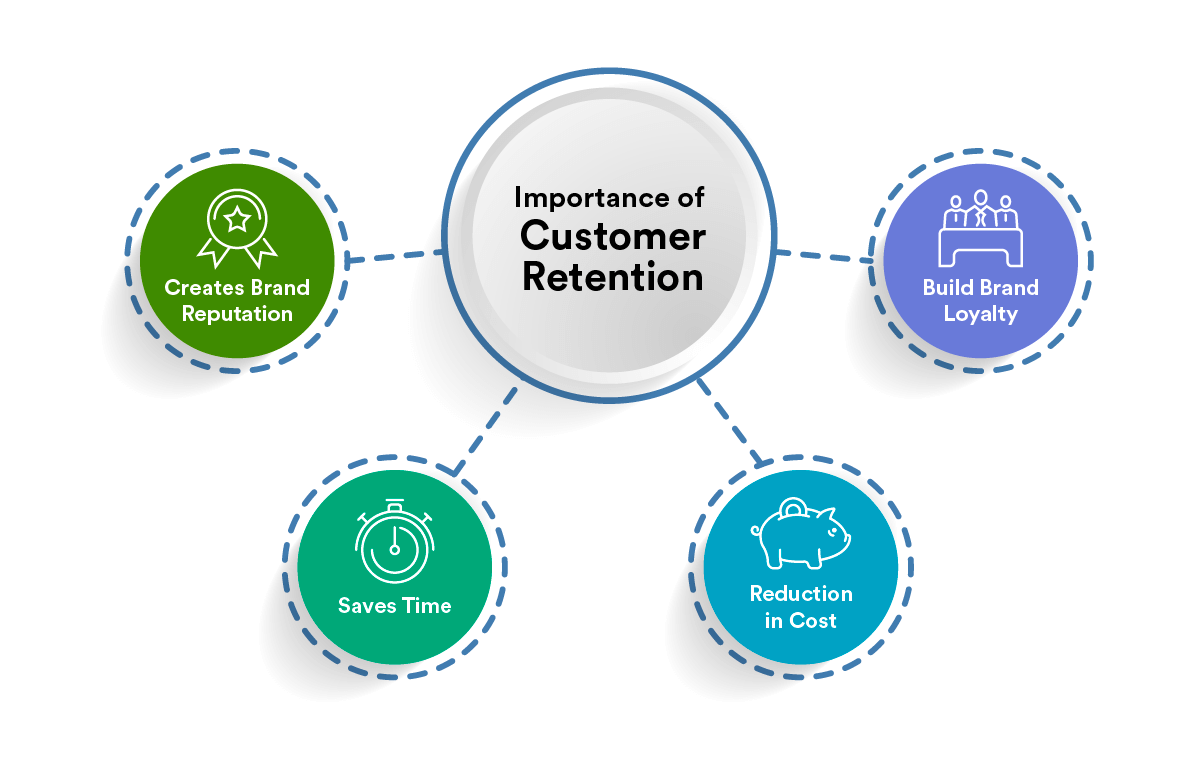
Acquiring new customers is expensive.
Retention increases:
- Customer lifetime value
- Repeat purchases
- Referrals
- Profit margins
That is why businesses with strong retention systems often outperform competitors with bigger audiences.
A strong customer retention strategy for small business is not complicated.
It is intentional.
The businesses that grow sustainably are not always the ones attracting the most customers.
They are the ones keeping them.
Because the real growth opportunity is not just making a sale.
It is turning one-time buyers into loyal fans.


