Customer Retention Strategy: How to Turn One Buyer Into a Repeat Customer
You post on WhatsApp Status. You design flyers. You run promos. You ask friends to share. You convince walk-in customers. You compete with other restaurants, boutiques, salons, service providers, gyms, food vendors, real estate agents, and event brands all trying to be noticed in the same crowded local market.
But here is the uncomfortable truth: many businesses in Limbe are better at getting a first buyer than keeping that buyer.
That is expensive.
Bain & Company’s loyalty research is widely cited for showing that small improvements in customer retention can create major profit gains, with Harvard Business Review summarizing the finding as a 5% increase in retention leading to profit increases of 25% to 95%. (Harvard Business Review)
For a Limbe business, that does not mean every shop will instantly multiply profit by copying a foreign customer loyalty model. It means something more practical: when customers come back, you spend less chasing strangers, you earn more from trust you already built, and your cash flow becomes less dependent on daily luck.
Why Repeat Customers Matter More Than Most Limbe Businesses Realize
A first-time buyer is proof that your offer can attract attention. A repeat buyer is proof that your business can build trust.
That difference matters.
In Limbe, customers often buy through a mix of convenience, relationship, proof, reputation, and confidence. Someone may try your restaurant because a friend recommended it. They may visit your boutique because they saw your WhatsApp Status. They may book your salon because your previous client posted a clean result. But after that first purchase, the next step is not automatic.
Customers are busy. They forget. They compare. They move on. They assume you will contact them if there is something relevant.
This is where many businesses lose money quietly. They celebrate the sale, package the order, collect payment, and then the customer disappears into the phonebook. No thank-you message. No satisfaction check. No reminder. No next offer. No referral prompt. No loyalty record.
That is not a customer retention strategy. That is hoping.
The Post-Purchase Experience Most Businesses Completely Ignore
The post-purchase experience is everything that happens after the customer pays.
Most small businesses focus heavily on the pre-sale experience: the caption, the price, the flyer, the pitch, the negotiation, the delivery arrangement, and the closing message. But the moment money enters the account or cash reaches the hand, communication drops.
That creates a weak emotional ending.
A customer may have enjoyed the product, but if nothing happens afterward, your business becomes just another transaction. The customer remembers the item, not the relationship. The food was nice, but no one checked in. The dress fitted well, but no one asked for feedback. The hotel stay was pleasant, but no one invited them to return. The service was completed, but no one followed up.
The businesses that win retention do not leave the ending empty.
They create a simple after-sale loop:
thank the customer, confirm satisfaction, store useful details, invite the next action, and follow up at the right time.
That loop does not require expensive software. For many Limbe businesses, WhatsApp Business is enough to start. WhatsApp Business supports practical tools like quick replies, labels, and away messages that can help small businesses organize customer conversations and respond faster. (WhatsApp for Business)
Your Best Lead Is Your Last Customer
The easiest customer to sell to is usually not the person who has never heard of you. It is the person who already trusted you once.
Your last customer already crossed the hardest barrier: doubt.
They already decided your business was worth trying. They already interacted with your staff, page, shop, WhatsApp number, delivery process, or payment method. They already know whether your offer matched your promise.
That makes them a warm lead.
But many Limbe businesses treat past customers like completed files instead of future revenue. They keep looking outward for “new customers” while ignoring the people who are closest to buying again.
A boutique owner may keep posting “new arrivals available” to everyone, but never message customers who bought dresses last month. A restaurant may promote lunch online every day, but never create a list of office workers who ordered before. A salon may spend on visibility, but never remind clients when it is time for maintenance. A gym may chase new registrations while former members quietly fall off.
Retention begins when you stop seeing the sale as the end and start seeing it as the beginning of the next buying cycle.
A Simple Customer Retention Strategy Limbe Businesses Can Use
A strong customer retention strategy for a Limbe business does not need to be complicated. It needs to be consistent.
Start with four basic assets:
1. A Customer List
You need a record of people who bought from you.
This can be a notebook, spreadsheet, WhatsApp label system, or simple CRM. The format matters less than the habit. Record the customer’s name, phone number, what they bought, date of purchase, amount spent, preferences, and any useful detail.
For example:
A restaurant can record lunch customers, birthday clients, office delivery buyers, and weekend family orders.
A boutique can record sizes, preferred styles, purchase dates, and color preferences.
A salon can record hairstyle, treatment date, product used, and likely next appointment period.
A service provider can record the problem solved, follow-up date, and possible next service.
This turns your customer base from scattered conversations into a usable business asset.
2. A Post-Purchase Message
Every buyer should receive a message after the sale. Not a generic “thanks dear” that feels careless, but a short message that makes the customer feel noticed.
Example:
“Hello Ma Linda, thank you again for ordering from us today. I hope the food arrived well and you enjoyed it. Please let me know if anything could have been better — we always want your next order to be even better.”
This kind of message does three things. It shows appreciation, opens the door for feedback, and reminds the customer that your business is professional.
3. A Relevance-Based Follow-Up
Do not follow up randomly. Follow up based on what the customer bought.
If someone bought a birthday cake, you can follow up before the next likely celebration. If someone bought office lunch, you can message them before lunchtime with a relevant offer. If someone did hair treatment, you can remind them when maintenance is due. If someone stayed at your guest house, you can reach out before holiday periods or weekends.
Retention improves when your follow-up feels useful, not noisy.
4. A Reason to Return
“Please buy again” is weak.
Give the customer a clear reason to come back. That reason may be convenience, a new product, a limited slot, a refill reminder, a loyalty benefit, a seasonal offer, or a personalized recommendation.
For Limbe customers, the best reason is often not a huge discount. It may be reliability, speed, familiarity, trust, and being treated like a known customer.
The 3-Touch Re-Engagement Sequence
A re-engagement sequence is a planned set of messages sent after someone buys. It helps you stay present without disturbing the customer every day.
For most small businesses in Limbe, three touches are enough to start.
Touch 1: The Same-Day Thank-You and Satisfaction Check
Send this message after the purchase, delivery, appointment, or service completion.
Example:
“Hello [Name], thank you for buying from us today. I just wanted to confirm that everything was okay with your order/service. Your feedback helps us serve you better next time.”
This message is not mainly about selling. It is about protecting the relationship.
If the customer is happy, you strengthen trust. If something went wrong, you get the chance to fix it before they complain publicly or quietly disappear.
Google allows verified businesses to reply to reviews on their Business Profile, which matters because public feedback can influence how new customers judge a local business online. (Google Help)
Touch 2: The Value Reminder
Send this a few days later, depending on your business type.
For restaurants, it could be within three to seven days. For salons, two to four weeks may make more sense. For boutiques, it may depend on new arrivals. For service providers, timing depends on when the customer is likely to need another solution.
Example:
“Hello [Name], hope your week is going well. Since you enjoyed [previous product/service], I thought you might like to know we now have [related offer]. I can send you the options here if you want to see them.”
This works because it connects the new offer to the customer’s previous behavior. You are not blasting everyone with the same message. You are using what you know.
Touch 3: The Return Invitation
Send this when the customer is most likely to need you again.
Example for a food business:
“Hello [Name], we’re taking lunch orders for tomorrow. Since you ordered from us before, I can reserve your plate early so delivery is easier. Today’s options are [options].”
Example for a salon:
“Hello [Name], it has been a few weeks since your last appointment. If you want to refresh your look before the weekend, I have slots on [days].”
Example for a boutique:
“Hello [Name], we just received pieces similar to the style you bought last time. I remembered you liked [style/color], so I thought to show you first.”
This third message should feel personal. The customer should sense that you remembered them, not that you copied their number into a random promo list.
Why WhatsApp Is a Retention Tool, Not Just a Chat App
For many Limbe businesses, WhatsApp is where the sale actually happens.
A customer may discover you on Instagram, Facebook, TikTok, through a referral, or by walking past your location. But the serious conversation often moves to WhatsApp: price questions, size confirmation, delivery location, menu options, appointment time, payment details, and follow-up.
That makes WhatsApp one of your most important retention channels.
But using WhatsApp for retention is different from posting Status every day. Status is passive. Direct customer follow-up is active.
WhatsApp Business features such as labels can help you group customers by buying stage or category, while quick replies can help you answer common questions faster without rewriting the same message repeatedly. (WhatsApp for Business)
A Limbe business can use labels like:
“First-time buyer”
“VIP customer”
“Needs follow-up”
“Birthday customer”
“Office lunch buyer”
“Salon maintenance”
“New arrival interest”
“Event client”
This turns WhatsApp from a crowded inbox into a simple customer retention system.
How to Retain Customers in Limbe Without Depending on Discounts
Discounts can bring people back, but they can also train customers to wait for cheaper prices.
In a price-sensitive market, that is risky. Once customers associate your business only with lower prices, your profit margin suffers. You may get activity without healthy revenue.
Instead of discounting everything, build loyalty around value.
Use Recognition
People like to feel remembered.
A simple “I kept this aside because I know you like this style” can be more powerful than “10% off.” Recognition tells the customer they are not just another buyer.
Use Convenience
Make it easier for repeat customers to buy again.
Save their preferences. Remember their size. Keep their delivery location. Know their usual order. Offer faster booking. Reduce the number of questions they must answer again.
Convenience is a loyalty advantage.
Use Proof
Show customers that others continue to trust you.
Google’s Business Profile is designed to help businesses appear on Search and Maps with information such as photos, offers, and posts, which can support local discovery when customers are checking whether a business looks active and credible. (Google Business)
For a Limbe business, proof can also come through WhatsApp testimonials, customer photos with permission, before-and-after images, repeat order screenshots, and referral stories.
Use Small Privileges
A loyalty benefit does not need to be complicated.
You can offer early access to new arrivals, priority booking, free delivery after a number of orders, birthday recognition, a small add-on, or a “buy four, get one benefit” model.
The key is to make the reward feel valuable enough to remember but sustainable enough for your business.
McKinsey has noted that loyalty programs create more value when they are connected to pricing and broader customer value, not treated as isolated giveaways. (McKinsey & Company)
The Repeat Buyer Framework: Remember, Reassure, Reinvite
To make retention simple, use this three-part framework.
Remember
Record what the customer bought and what matters to them.
This is where many businesses fail. They rely on memory. But memory becomes weak when orders increase, staff changes, or conversations pile up.
A simple record helps you personalize future messages. Personalization does not mean using complex technology. It means saying, “You bought this last time, so this may interest you now.”
Reassure
After the sale, confirm that the customer made a good decision.
Customers sometimes feel uncertain after paying. They may wonder if they chose the right vendor, paid the right price, or received the best option. Your post-purchase message reassures them that they are dealing with a serious business.
This is especially important for service businesses, beauty brands, food businesses, accommodation providers, and high-ticket local services.
Reinvite
Do not wait for the customer to remember you.
Invite them back with a relevant reason. The invitation should be specific, timely, and connected to their previous purchase.
Weak message:
“Hello dear, we have new things. Buy from us.”
Better message:
“Hello Sandra, the black office dresses similar to the one you bought last month are back in stock. I remembered you asked for something simple for work, so I wanted to show you before posting.”
That message feels thoughtful. Thoughtfulness sells.
What to Measure Every Week
Retention becomes easier when you track a few simple numbers.
You do not need a complicated dashboard. Start with these:
Number of First-Time Buyers
How many new customers bought from you this week?
This shows whether your acquisition is working.
Number of Repeat Buyers
How many customers who bought before came back this week?
This shows whether your retention is working.
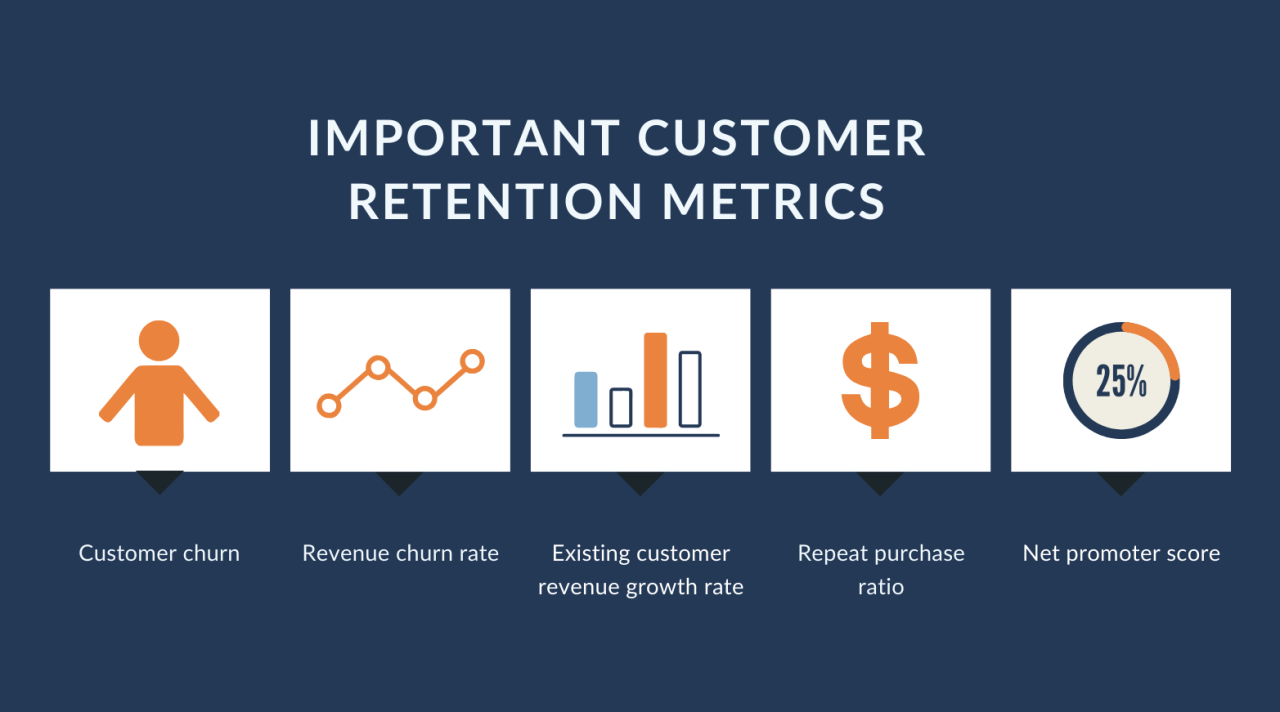
Repeat Purchase Rate
Use this simple formula:
Repeat purchase rate = repeat customers ÷ total customers x 100
If 40 people bought this month and 10 had bought from you before, your repeat purchase rate is 25%.
Follow-Up Completion
How many buyers received your post-purchase message?
If 30 people bought from you and only five received a follow-up, your issue is not customer loyalty. Your issue is weak process.
Revenue From Existing Customers
How much money came from people who had already bought before?
This number helps you see whether retention is supporting cash flow.
Common Retention Mistakes Limbe Businesses Should Avoid
Mistake 1: Only Contacting Customers When You Need Money
Customers can feel when every message is a sales push.
Balance your communication. Thank them. Ask for feedback. Share helpful updates. Offer relevant recommendations. Then sell.
Mistake 2: Sending the Same Message to Everyone
Mass messages feel lazy when they are not relevant.
A customer who bought food should not receive the same message as someone who booked event decoration. A client who bought children’s clothes should not receive the same pitch as someone who asked for office wear.
Segmentation makes your follow-up sharper.
Mistake 3: Ignoring Complaints
A complaint is not always a lost customer. Sometimes it is a customer giving you one more chance.
Respond quickly. Apologize where necessary. Fix what can be fixed. Explain clearly. A well-handled problem can create more trust than a perfect transaction that had no follow-up.
Mistake 4: Having No Customer Memory
When repeat customers must explain themselves from zero every time, your business feels disorganized.
Customer memory is part of customer experience. Remembering names, preferences, sizes, order history, and appointment patterns makes people feel safer buying again.
A Simple Weekly Retention Routine
Choose one day every week for retention work.
For example, every Monday morning:
Review last week’s buyers.
Send thank-you messages to anyone who did not receive one.
Label customers by category.
Identify people due for follow-up.
Message five to ten past customers with relevant offers.
Ask satisfied customers for reviews or referrals.
Record repeat orders.
This habit may look small, but it compounds. Over time, you build a customer base that does not depend only on fresh advertising.
Sample 3-Touch Sequence for a Limbe Restaurant
Same Day
“Hello [Name], thank you for ordering from us today. I hope your meal arrived well and tasted good. Please let me know if there is anything we can improve.”
Three Days Later
“Hello [Name], hope your week is going well. Since you ordered [meal] last time, I thought you might like today’s special: [meal/offer]. We can deliver around [time].”
Next Week
“Hello [Name], we’re preparing lunch orders for tomorrow. I can reserve your plate early if you want the same smooth delivery as last time.”
Sample 3-Touch Sequence for a Limbe Boutique
Same Day
“Hello [Name], thank you for shopping with us today. I hope the outfit fits well. Please feel free to send feedback after trying it properly.”
One Week Later
“Hello [Name], we just received pieces similar to the style you picked. I remembered you liked [color/style], so I wanted to show you first.”
Three Weeks Later
“Hello [Name], we’re putting together new looks for the weekend. I can send you a few options in your size before we post them publicly.”
Sample 3-Touch Sequence for a Limbe Salon
Same Day
“Hello [Name], thank you for coming in today. I hope you love the final look. Please let us know how it feels after a few days so we can advise you properly.”
Two Weeks Later
“Hello [Name], just checking in on your hair. If you need maintenance tips or product advice, I can help.”
Four to Six Weeks Later
“Hello [Name], your last appointment was some weeks ago. If you want to refresh before the weekend, we have openings on [days].”
Customer Loyalty Is Built After the Sale
Many Limbe businesses are not losing customers because their product is bad. They are losing customers because the relationship goes silent after the first sale.
Retention is not magic. It is memory, timing, relevance, and follow-up.
When you thank buyers properly, check satisfaction, record preferences, send useful reminders, and invite customers back with relevant offers, you stop treating every sale like a one-time event. You build a business that compounds trust.
Acquisition will always matter. You still need visibility, referrals, content, offers, and new people discovering your brand. But retention is what makes that effort more profitable.
The buyer you served yesterday may be your next order, your next review, your next referral, your next event booking, or your next loyal customer. Do not let them disappear simply because nobody followed up.