Running a business is a juggling act, especially when you are a Black entrepreneur managing sales, customer relationships, and marketing at the same time. Every missed follow up or forgotten lead is a lost opportunity. This is where CRM and automation come in. When used effectively, these tools can help you stay organized, nurture leads consistently, and close more sales without adding more stress to your day.
Think of it this way: CRM keeps track of your customer relationships, while automation ensures that no lead falls through the cracks. Together, they create a system that is smarter, faster, and more efficient. You spend less time chasing tasks and more time building relationships that turn into revenue.
Sales growth is about relationships, timing, and follow-up. Many Black business owners face extra challenges like limited time, smaller teams, or fewer resources. A CRM system with automation features bridges those gaps.
It centralizes all customer information in one place, tracks interactions, and helps you see exactly where each lead is in the buying process. Automation reduces repetitive tasks, like sending reminders, follow-up emails, and scheduling calls. This frees you to focus on personalized communication, product development, and community engagement.
Using CRM and automation is also about professionalism. When a customer feels remembered, receives timely responses, and gets relevant information, they trust your business more. That trust converts into sales and loyalty.
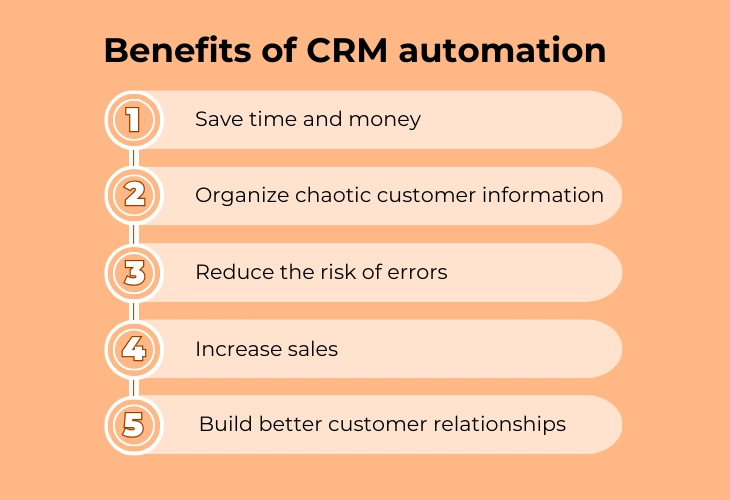
Core Benefits of CRM and Automation
1. Centralized Customer Data
Instead of juggling notes, spreadsheets, and messages across apps, CRM stores everything in one place. Customer profiles, purchase history, communication logs, and preferences are all accessible in one dashboard. This reduces errors and ensures that every interaction feels informed and personal.
For example, if a client reaches out about a product they bought last month, you can immediately reference their purchase, preferences, or past issues. This builds confidence and makes the customer experience seamless.
2. Automated Follow Ups and Reminders
Consistency matters in sales. Missing follow-ups can cost you potential revenue. Automation ensures that reminders, emails, and follow-up tasks are sent on time, every time.
For instance, after a consultation, your CRM can automatically schedule a thank-you email or a follow-up with a special offer. Automation allows you to nurture leads even when your schedule is packed, improving conversion rates significantly.
3. Streamlined Sales Pipelines
A CRM pipeline visually represents where each lead is in the buying process. Automation can help move leads along the pipeline, sending alerts when action is needed.
Imagine a Black-owned e-commerce business. Automation can tag customers who abandoned carts, trigger reminder emails, and even offer discounts to encourage purchases. This keeps the sales process active without constant manual tracking.
4. Targeted Marketing Campaigns
CRM systems with automation allow you to segment customers based on behavior, purchase history, and engagement. You can send personalized campaigns to specific segments, increasing relevance and effectiveness.
For example, a Black-owned clothing brand can target past buyers of winter jackets with a new seasonal collection email campaign. Automation ensures the right message reaches the right person at the right time.
5. Enhanced Reporting and Insights
Automation and CRM together generate reports that reveal sales trends, campaign effectiveness, and customer behavior. You can see which leads convert fastest, which products are popular, and which follow up strategies work best.
These insights allow data-driven decisions. Instead of guessing what will drive sales, you can adjust strategies based on real numbers, which reduces risk and improves efficiency.
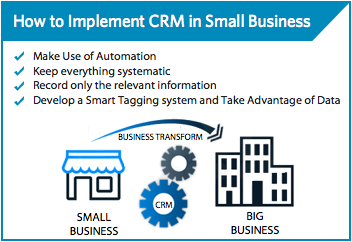
Practical Ways to Implement CRM and Automation
1. Email Marketing Automation
Use your CRM to create drip campaigns, welcome sequences, and promotional emails. Automation sends these emails at scheduled times or triggered by actions like sign-ups or purchases.
Example: A local Black-owned café can set up automated emails offering discounts for customers who visited last month but haven’t returned recently. This drives repeat business with minimal effort.
2. Task and Appointment Automation
CRM can schedule reminders for calls, meetings, or demos. Automation reduces missed appointments and ensures timely follow ups.
Example: If a Black entrepreneur runs a consulting business, their CRM can automatically notify them to follow up with leads three days after an initial call.
3. Lead Scoring and Segmentation
Automation can score leads based on engagement, purchase potential, or website interactions. High-potential leads can be prioritized, ensuring your team focuses on opportunities most likely to convert.
Example: A minority-owned tech startup could assign points for newsletter opens, event attendance, and product downloads, ensuring the sales team focuses on leads most ready to buy.
4. Integrating Social Media Interactions
Many CRMs allow social media accounts to be integrated, capturing messages, comments, and engagement. Automation can respond to inquiries, assign follow ups, or trigger lead capture sequences.
Example: A Black-owned beauty brand receives a DM about a new product. Automation can log the lead, send an instant acknowledgment, and notify the sales rep to follow up personally.
5. Customer Loyalty Programs
Automation can track purchase history and reward loyal customers automatically. Birthday discounts, reward points, and exclusive offers can be sent without manual work.
Example: A local African-owned bookstore can use CRM to automatically send a 10% discount to readers who purchased three books in the past month.
Common Challenges and How to Overcome Them
1. Overcomplicating Automation
It’s easy to try automating everything at once. Start small. Focus on essential tasks like follow ups, lead scoring, and email campaigns. Expand gradually.
2. Maintaining Personal Touch
Automation should complement, not replace, human interaction. Personalized messages and real conversations build stronger relationships than fully automated communication.
3. Data Quality Issues
A CRM is only as good as the data it holds. Make sure customer information is accurate and regularly updated. Regular cleaning prevents mistakes and missed opportunities.
4. Team Adoption
If your team doesn’t use the system correctly, benefits are lost. Provide training and set clear workflows for automation to succeed.
External Resources for CRM and Automation
Using CRM and automation can completely change how you manage your sales as a Black business owner. It helps you nurture leads consistently, save time, reduce errors, and make smarter, data-driven decisions.
The key is to start simple, integrate automation gradually, and maintain the human touch that makes your business unique. With consistent use, you will see higher conversions, repeat customers, and more time to focus on growth.