For African-owned businesses, this moment matters. Many brands are operating across borders, cultures, and currencies, often without the safety net of massive ad budgets. Social media is not just a branding tool. It is customer service, distribution, storytelling, and sometimes the only public-facing storefront. Understanding how these platforms are evolving in 2026 is not optional anymore. It shapes who gets seen, who gets trusted, and who gets ignored.
Why Social Media Trends in 2026 Feel Different This Time
There is a noticeable fatigue in how people engage online. Audiences are tired of recycled advice, overproduced content, and brands that speak without listening. Social Media Trends in 2026 reflect that fatigue. Algorithms are responding by rewarding relevance over volume and depth over noise. Businesses that understand this early are already adjusting how they show up.
For African-owned businesses, this creates both pressure and opportunity. Pressure because surface-level posting no longer works. Opportunity because authenticity, context, and cultural fluency are now assets rather than obstacles. Brands that understand their audience deeply, including how local realities shape online behavior, are better positioned than ever.
Community-First Platforms Are Becoming Central

One of the strongest Social Media Trends in 2026 is the shift away from purely public broadcasting toward smaller, more intentional digital spaces. Private communities, close-friends formats, broadcast channels, and group-based engagement are growing because people want conversations, not constant performance.
African-owned businesses are leaning into this naturally. WhatsApp communities, Telegram groups, private Instagram broadcasts, and niche Facebook groups are becoming spaces where trust is built slowly and consistently. These spaces allow businesses to talk to customers like people, not metrics. Questions get answered. Feedback is immediate. Loyalty forms quietly.
This trend favors brands that can maintain relationships, not just attention. It rewards patience and consistency, two things many African entrepreneurs already understand well.
Social Commerce Is Becoming Less Experimental and More Expected
In 2026, social media is no longer just influencing buying decisions. It is hosting them. One of the most practical Social Media Trends in 2026 is the normalization of shopping directly inside social platforms. Audiences expect to discover, evaluate, and purchase without leaving the app.
For African-owned businesses, this matters because friction has always been a challenge. Payment systems, trust barriers, and logistics concerns often interrupt the buyer journey. Social commerce tools that integrate messaging, reviews, and direct checkout help reduce that friction. Businesses selling fashion, beauty, food products, digital services, and educational products are especially positioned to benefit.
What works best is not aggressive selling. It is demonstration. Showing how a product fits into real life. Answering questions openly. Letting social proof do the heavy lifting.
Creator-Led Brand Storytelling Is Replacing Polished Ads

Another defining aspect of Social Media Trends in 2026 is the rise of creator-led narratives over traditional advertising. Audiences trust people more than brands, especially people who feel relatable and grounded. For African-owned businesses, this plays directly into strengths that already exist within communities.
Rather than outsourcing voice entirely, many brands are turning inward. Founders, team members, and loyal customers are becoming the face of the brand. Stories are told from lived experience, not scripted messaging. This creates content that feels honest, even when it is promotional.
The key difference in 2026 is intentionality. Creator-led storytelling is no longer random. It is planned, paced, and aligned with business goals. Brands are choosing fewer voices, but supporting them better.
Short Video Is Slowing Down Without Losing Power
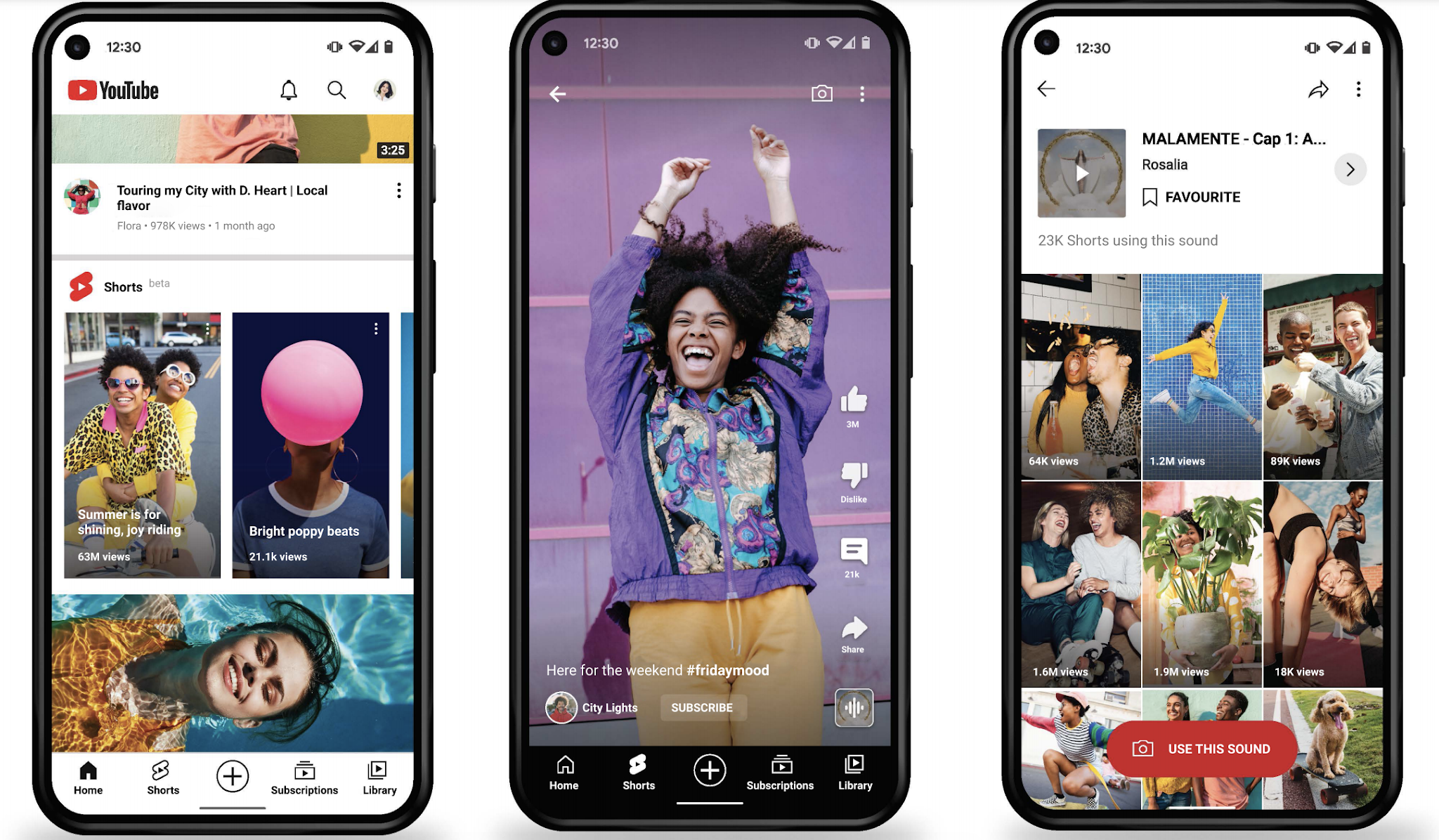
Short-form video is still dominant, but one of the quieter Social Media Trends in 2026 is how it is evolving. Faster is no longer always better. Audiences are responding more to clarity than speed. Videos are getting slightly longer, more thoughtful, and less frantic.
For African-owned businesses, this is a relief. It means educational content, behind-the-scenes explanations, and real conversations can perform just as well as flashy edits. It allows room for storytelling that reflects nuance, context, and cultural depth.
Businesses that explain how they work, why they exist, and what problems they solve are building stronger brand memory than those chasing viral formats.
Private Audiences Are More Valuable Than Viral Reach

Virality still happens, but Social Media Trends in 2026 show that sustainable growth comes from owned attention. Email lists, message subscribers, community members, and repeat viewers matter more than one-off spikes in views.
African-owned businesses are increasingly using social media as the entry point, not the destination. Content draws people in, then invites them into spaces where relationships can deepen. This shift reduces dependence on algorithm changes and platform instability.
The businesses doing this well are clear about their next step. Join the list. Enter the group. Save the post. Message us directly. Nothing complicated. Just intentional.
Data Is Guiding Content Decisions More Quietly

Another important element of Social Media Trends in 2026 is how data is being used. Not loudly, not obsessively, but strategically. Businesses are paying attention to what people actually engage with, not what they assume should work.
For African-owned businesses with limited resources, this matters. It prevents wasted effort. Content calendars are becoming leaner. Fewer posts, better performance. Analytics are used to refine messaging, not to chase trends.
This creates room for smarter experimentation. Small tests. Honest evaluation. Adjustments that make sense.
Localized Content Is Fueling Global Reach
One of the most encouraging Social Media Trends in 2026 is the renewed value of local specificity. Content that reflects local language, humor, cultural references, and lived realities is traveling further than generic messaging ever did.
African-owned businesses are discovering that being specific makes them global. Audiences outside the continent are drawn to authenticity, not imitation. Brands that speak clearly from where they stand are building international audiences without losing their identity.
This trend rewards confidence. It reminds businesses that they do not need to dilute themselves to grow.
What This Means for You Moving Forward
Social Media Trends in 2026 are not about doing more. They are about doing better. Showing up with intention. Building trust slowly. Creating content that respects the audience’s time and intelligence.
For African-owned businesses, this is an invitation. To stop copying and start clarifying. To focus less on visibility alone and more on connection, consistency, and credibility.
If you are willing to adapt thoughtfully, social media in 2026 can become less exhausting and more effective.
If you are building or growing an African-owned business and want to apply these Social Media Trends in 2026 in a way that actually fits your reality, start small. Audit what you already have. Listen before you post. Choose one platform to do well. Then build from there.
And if you want help turning strategy into action, ask. That part does not have to be done alone.