

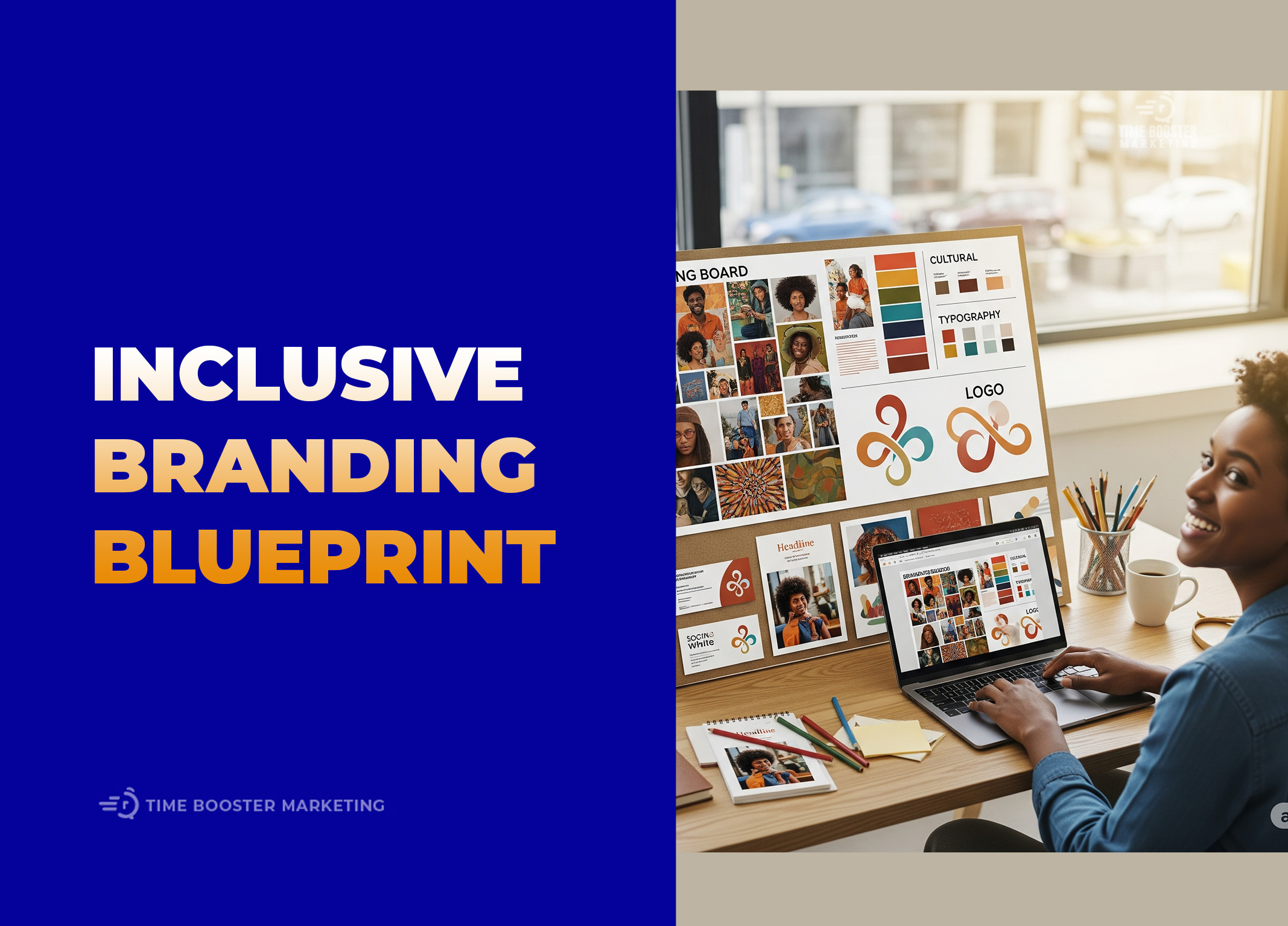
Inclusive branding ensures that your message speaks to a wide range of people while staying true to your identity. It is not about watering down your culture. It is about building bridges through authenticity, empathy, and representation.
In this guide, you will learn how to:
- Define your inclusive brand identity
- Use inclusive messaging without losing your brand voice
- Represent diversity authentically in visuals
- Make your brand accessible to all audiences
- Build long-term loyalty through cultural respect and trust
1. Understanding Inclusive Branding
Inclusive branding is the practice of creating a brand that values, represents, and engages with a diverse audience. It considers differences in race, culture, gender, ability, age, and socioeconomic background.
For Black-owned businesses, inclusive branding is not just a trend. It is a responsibility to both your heritage and the customers you serve. According to a Deloitte study, 57% of consumers are more loyal to brands that commit to addressing social inequalities.
Key Principle: Inclusion starts from within. If your internal company culture is not inclusive, your external branding will feel forced or performative.
2. Defining Your Inclusive Brand Identity
Your brand identity is the foundation of your inclusive strategy. This involves:
- Mission Statement: Clearly communicate your purpose and who you serve.
- Core Values: Include values like respect, representation, and equity.
- Tone of Voice: Choose a tone that is confident yet welcoming. Avoid jargon that excludes certain audiences.
Example: Instead of saying “Our products are for everyone,” specify who they are for and why. A Black-owned beauty brand might say, “We create skincare solutions for melanin-rich skin while celebrating all shades and textures.”
3. Crafting Inclusive Messaging
Your words shape perceptions. To create inclusive brand messaging:
- Use plain, respectful language.
- Highlight diversity naturally rather than as a marketing gimmick.
- Share stories from real customers and team members.
Tip: Avoid tokenism. Featuring a single diverse face in your ad campaign without meaningful representation can damage trust.
A good example is Ben & Jerry’s which consistently addresses social justice issues while staying aligned with its brand mission.
4. Visual Representation That Reflects Diversity
Visuals are powerful. They should show real, diverse experiences, not stereotypes.
Best Practices:
- Include people of different skin tones, body sizes, and abilities.
- Feature natural settings and authentic moments instead of staged diversity shoots.
- Choose culturally relevant color palettes and design elements.
When done right, visuals help customers feel seen. When done wrong, they feel exploited.
5. Accessibility in Branding
Inclusivity is also about making your brand usable by everyone, including people with disabilities.
Ways to Make Your Brand Accessible:
- Ensure your website meets WCAG accessibility standards.
- Use alt text for images.
- Choose easy-to-read fonts and high-contrast colors.
- Add captions to videos.
Accessibility shows respect for your audience’s needs and expands your potential market.
6. Building Trust Through Cultural Sensitivity
Cultural sensitivity means respecting traditions, avoiding stereotypes, and engaging with communities meaningfully.
What to Avoid:
- Appropriating cultural elements without understanding their meaning.
- Using slang or cultural references you are unfamiliar with.
What to Do Instead:
- Partner with cultural consultants.
- Credit the communities you draw inspiration from.
- Support causes and initiatives that align with your audience’s values.
7. Case Studies: Black-Owned Brands Leading in Inclusivity
- Fenty Beauty – Changed the beauty industry by launching 40+ foundation shades from the start, setting a new inclusivity standard.
- Pyer Moss – Blends fashion with activism, telling stories of Black culture through design.
- Blavity – A media platform centered on Black voices, providing news, culture, and community engagement.
These brands succeed because they embed inclusivity into their DNA rather than adding it as a marketing afterthought.
8. Implementing Inclusive Branding in Your Business
Here’s a practical step-by-step for applying these principles:
- Audit Your Current Brand – Identify areas where your branding may be unintentionally exclusive.
- Train Your Team – Educate staff on inclusive communication and representation.
- Update Your Assets – Revise logos, messaging, and visuals to reflect inclusivity.
- Test Your Efforts – Use customer feedback to see if your audience feels represented.
- Stay Consistent – Inclusion is ongoing, not a one-time campaign.
9. Measuring the Impact of Inclusive Branding
Track success through:
- Customer surveys on brand perception.
- Social media engagement and sentiment analysis.
- Sales growth in new audience segments.
The goal is not just profit but positive community impact.
Conclusion
Inclusive branding is more than a marketing tactic. It is a commitment to reflecting the world as it truly is. For Black-owned entrepreneurs, it is also an opportunity to lead the conversation on representation, equality, and cultural pride.
By defining your inclusive identity, crafting authentic messages, choosing respectful visuals, ensuring accessibility, and maintaining cultural sensitivity, you can build a brand that not only grows but inspires.


