


What’s New Around Marketing, Search & AI — Key Updates
This week’s industry news in marketing, search & AI includes:
- Why the “Dunkin’ At Home / BBH USA” campaign shows simple creative design still wins.
- What Google Search Console’s new Achievements report is, and how it helps site owners.
- How Meta is putting ads into WhatsApp Status and what that means for business visibility and privacy.
- The new “Memory” feature in Claude (by Anthropic), what it does, and how teams can use it wisely.
1. Simplicity in Campaign Design: Dunkin’ At Home / BBH USA

The “Iconic Home” campaign by Dunkin’ ‒ handled by BBH USA & PSOne ‒ is making headlines because it does something bold by being simple. (Creative Boom)
- A pack-shot of Dunkin coffee is simply cropped to look like a house.
- Each product variant has its own gradient sky, representing time of day or season.
- No dense copy. No complex storyline. Just a striking visual that works across formats (digital, billboards, social). (Creative Boom)
Why this matters:
- With so many brands layering complexity, simplicity can help you cut through noise.
- Simple visuals are often more memorable. People grasp them faster.
- For markets with limited attention spans or slower internet, simpler creatives load faster and engage better.
2. Google Search Console’s Achievements Report: Tracking Milestones, Not Rankings
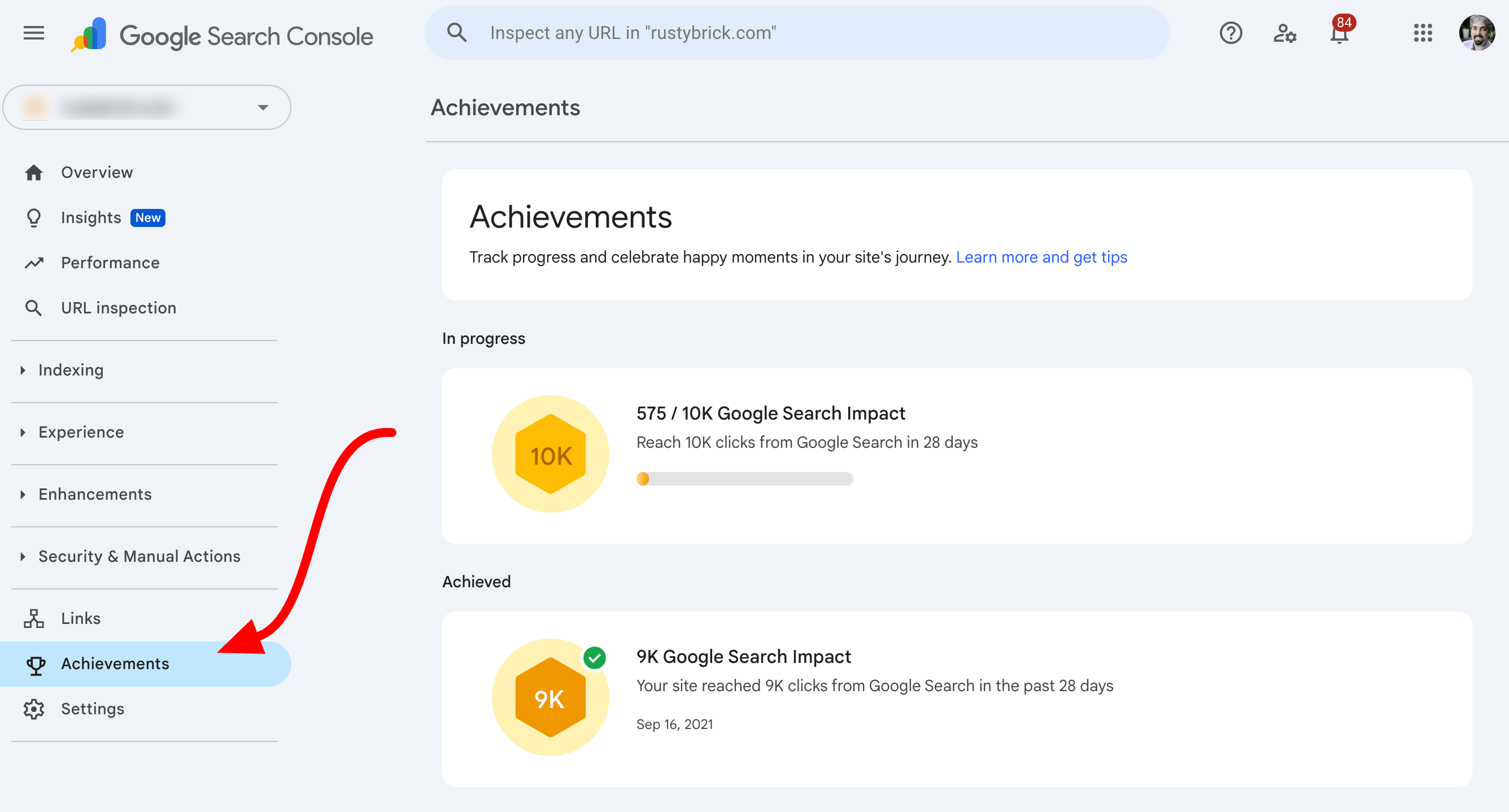
Google has added a new “Achievements” report inside Search Console. (Search Engine Roundtable)
- Achievements used to arrive via email or through the older Insights. Now there’s a dedicated report. (Search Engine Roundtable)
- It’s not about how rankings are calculated. It’s about celebrating progress (e.g. getting 50 clicks from Google Search over 28 days). (Search Engine Roundtable)
- It picks “in progress” achievements based on how your site has been performing. (Search Engine Roundtable)
Why this is useful:
- It helps maintain motivation. As a site owner or marketer, seeing progress feels good.
- Gives insight into small wins — which often are precursors to bigger improvements.
- Helps you spot where you need to invest more (if achievements are stalled).
3. Meta Brings Ads to WhatsApp Status: Expanding the Ad Ecosystem

Meta has launched ads in WhatsApp’s Status (Updates tab). (Share Google)
Key features:
- Ads can be single images or short vertical videos up to 30 seconds. (Share Google)
- Clicking an ad can drive the user into a WhatsApp chat with the business (potential for direct connection). (Share Google)
- Businesses need WhatsApp Business or API integration. Targeting includes location, language, age. (Share Google)
- Importantly, there are privacy constraints: chats are end-to-end encrypted; Status updates disappear after 24 hours; private conversations unaffected. (Share Google)
What this means:
- New opportunity for brands to be seen in messaging apps without interrupting private chats.
- If your audience uses WhatsApp heavily, this is a channel to test.
- You’ll need good creative for vertical video / image, and a plan for how to convert interest (via chat) into leads.
4. Claude’s “Memory” Feature: Enhancing Context in AI Conversations
Anthropic’s Claude recently added a Memory feature for Teams & Enterprise users. (Anthropic)
- Memory lets Claude remember past project context, preferences, team processes. Useful so you don’t have to repeatedly explain. (Anthropic)
- Each project can have its separate memory; confidential or sensitive chats can be set to “Incognito” so they don’t become part of memory. (Anthropic)
- Users can see and edit what Claude remembers. Offers control. (Anthropic)
Implications:
- Tools like Claude can reduce friction, help teams collaborate more smoothly.
- But memory features raise privacy, data governance, and clarity of how data is stored/used.
- For businesses, having control and transparency over memory usage is important.
Implications & Strategies: What All This Means for Your Brand
Putting these updates together, here’s what I believe brands should take away and apply.
- Prioritize clarity and simplicity in creative work
The Dunkin campaign reminds us: less is sometimes more. Simple visuals, strong core idea, minimal noise can be powerful. Use designs that load fast; avoid too much copy, too many elements. - Celebrate small wins and track progress
With Google’s Achievements report, you can see growth even when rankings haven’t shifted dramatically. Use that feedback loop: set targets, watch achievements, iterate. - Test new ad placements
WhatsApp Status ads give access to users in social / messaging contexts. Try them out, see how engagement vs cost works. Also design creatives for mobile vertical formats. - Use AI tools thoughtfully
Memory in AI can help maintain context and make repeated tasks easier. Use it to keep consistency in messaging, content briefs, project tracking. But ensure privacy and that sensitive info is protected. - Local relevance + adapted content
Internet speed, device capability, cultural references matter. Simple campaign designs, images optimized for mobile, and ad placements that reach people (like WhatsApp, social media) may work better than heavy, high-production content alone. - Maintain user trust and data ethics
Memory features, ads in messaging, etc., bring up user expectations around privacy. Be transparent with your audience. Use it responsibly. - Iterate based on feedback and analytics
Use data: click rates, engagement, ad conversions, chat interactions. Adjust creatives, tone, targeting as you learn what resonates.
Challenges To Prepare For
- Creative minimalism can be harder than it looks. Stripping back noise means being confident in your core assets (brand identity, visuals).
- New ad formats often come with learning curves: designing for vertical video or image, measuring conversions via chat or messaging platforms.
- AI memory features may be new for teams; setting up internal processes for controlling what is remembered and what is private.
- Internet speed or data constraints: large visuals, videos may not perform optimally everywhere.
- Privacy regulations: ensure compliance if using memory or integrating chat-based ads, especially in jurisdictions with strong data protection.
Future Predictions
- More brands will simplify their creative. With attention economy and platform constraints (mobile, speed), simplicity will not just be aesthetic but practical.
- Messaging platforms (WhatsApp, Telegram, etc.) will become more central in ad strategies, especially in markets with high messaging usage.
- AI tools will build deeper memory, but regulation and user expectations will push for stronger control, transparency.
- Analytics tools will give more insight into micro-interactions (chats, status impressions, memory usage). Brands that adapt will gain advantage.
Conclusion
These four updates : simplicity in creative design, new tracking/reporting tools, expansion of ad placements into messaging/status spheres, and AI memory features, show larger shifts in marketing, search, and technology.
They point to a future where clarity, context, privacy, and relevance are more important than spectacle. If you apply these lessons: simplify your creative, test new platforms like WhatsApp Status, use AI tools wisely, and track small wins with tools like Google’s Achievements, you’ll be in a strong position.
Pick one of these updates and try applying it this week. For example: design a simple ad (one visual) for WhatsApp Status; enable memory in your collaboration tool; check your Search Console achievements; or review your campaign creative to see what you can simplify.


