


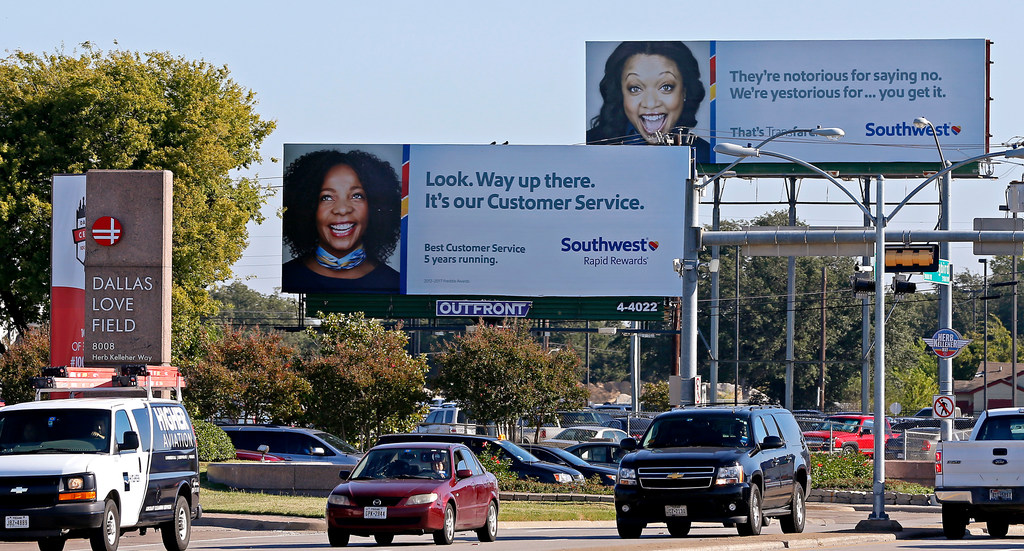
The truth is that representation has never been more important than it is right now. Texas continues to grow, not just in population but in how people express identity and culture. When advertising keeps up with that growth, people feel seen. When it fails to keep up, people feel erased or misunderstood. And you can probably imagine how frustrating that is. Picture an ad that claims to speak to Texans but ignores half of the people who actually live there. It feels out of touch, right? So in this article, we take a real, unfiltered look at why representation matters, how it shapes trust, and what it means for businesses that want to connect with Texans in a genuine way.
Why Representation in Texas Advertising Shapes Trust and Connection
One of the biggest changes happening across the Texas advertising space is the shift toward cultural authenticity. People have access to more content than ever before, and maybe you have felt this too, where you can instantly tell when a brand is faking cultural awareness or copying a trend without understanding it. Texans value sincerity. They value when brands put in the effort to reflect their communities accurately. That reflection builds trust, and once trust is there, everything else becomes easier. Marketing messages land better. Engagement increases. Customers feel comfortable bringing a brand into their daily lives.
You might think of a moment when an ad resonated because it mirrored something real about your upbringing or your neighborhood. That is what representation does. It becomes a subtle but powerful reminder that you belong in the story being told. And when Texans feel seen, they listen. For small businesses, this trust can be the difference between being ignored or becoming a favorite in the community. For larger companies, it becomes a way to move beyond generic messaging and speak to Texans as individuals with real experiences.
External insights from sources like Nielsen’s Diversity Intelligence Series highlight that consumers across the country reward brands that embrace accurate representation. The same applies in Texas. Studies show that people are more likely to purchase from a brand that acknowledges their identity in a respectful and thoughtful way. And in a state where cultural diversity is a daily lived experience, these lessons matter even more.
How Representation in Texas Advertising Strengthens Cultural Identity
Texas has always had a rich and layered identity. People talk about Texas pride for a reason. It shows up in the food, the music, the languages, the fashion, and the ways different communities come together. Representation in Texas advertising plays a role in reinforcing that identity. When you see your culture reflected in a positive, accurate way, it feels like a small affirmation that your story belongs here too.
If you think about growing up and rarely seeing someone like yourself in commercials or billboards, you probably know how strange that can feel. Some people even get used to being invisible in media, which should not be the case. Advertising shapes how people view themselves and how others view them. It influences perceptions without us realizing it. So when Texas brands choose to highlight different communities and values, they help create a more balanced picture of what it means to live in Texas.
Many cultural scholars, including researchers from the University of Texas at Austin, discuss how media representation affects personal and collective identity. Their work reminds us that advertising is not just a sales tool. It is a form of storytelling. And like any story, it can either uplift or erase. Representation becomes a way to uplift. It becomes a small but powerful act of inclusion.
Why Inclusive Storytelling Matters in Representation in Texas Advertising
Storytelling is at the heart of advertising. You probably know this already, especially when an ad pulls you in with emotion, humor, or a relatable scene. Inclusive storytelling in representation in Texas advertising takes that storytelling a step further. It adds depth. It adds layers. Instead of showing one narrow version of Texas life, it broadens the canvas so more people can recognize themselves in the narrative.
Imagine a campaign that reflects everyday life in a bilingual household. Or a billboard that shows a family dressed in attire inspired by their heritage. Or a commercial that uses local accents instead of neutral, sanitized voices. These details seem small, yet they make a world of difference. They communicate familiarity. They tell the audience, we see you and we value your story.
Studies from the American Marketing Association highlight the emotional impact of inclusive storytelling. People tend to remember ads that reflect real human experiences, especially when those experiences connect to identity and culture. This is one of the reasons why representation in Texas advertising creates more effective campaigns. When people feel emotionally connected, they respond with more interest, more loyalty, and more word of mouth support.
How Representation in Texas Advertising Benefits Small and Local Businesses
One thing people sometimes overlook is how representation affects smaller businesses too. You might assume that only large corporations worry about representation, but local businesses often see the most immediate benefits. When a small business reflects the culture of its local community, people notice. It feels like walking into a space that understands its customers, whether that is through the imagery on posters, the tone of social media content, or the way the business highlights local stories.
Representation helps smaller Texas businesses grow because it strengthens the sense of belonging. Customers are more inclined to support a business that feels like part of their world. If you are a business owner, you have probably experienced this when customers say things like, this reminds me of home or I love how you highlight our culture. These moments are powerful. They build loyalty in a way that paid promotions alone cannot.
External resources like the Small Business Administration (SBA) and community driven research from the Texas Economic Development Council often emphasize how cultural alignment and representation improve customer retention for small enterprises. It is not only about winning attention. It is about building relationships rooted in shared identity and respect.
Challenges That Brands Face in Improving Representation in Texas Advertising
As important as representation is, achieving it is not always simple. Brands often struggle with understanding cultural nuance. Maybe you have seen an ad that tried to be inclusive but ended up feeling stereotypical or awkward. This usually happens when representation is treated like a checklist instead of a commitment.
Another challenge is involving the right voices in the creative process. Representation works best when people from different backgrounds have a seat at the table, especially in decision making roles. Without diverse creatives, writers, strategists, and producers, the final campaign can feel disconnected from the people it hopes to portray.
There is also the fear of making mistakes. Some brands hesitate because they worry about saying the wrong thing. But research from the Harvard Business Review shows that audiences appreciate honest effort. People respond better to brands that learn and improve rather than avoiding representation altogether. Mistakes are less damaging when brands approach communities with humility and genuine interest.
The Long Term Impact of Better Representation in Texas Advertising
When representation becomes a long term commitment rather than a seasonal trend, the effects ripple outward. Texans grow up seeing themselves reflected in positive ways. Local businesses strengthen their bond with the community. Large brands build deeper trust. Even the creative industries benefit because more voices get to shape the media landscape.
Representation influences how people view themselves. It shapes aspirations. It reduces bias. And in a diverse state like Texas, those outcomes matter a lot. Media researchers at organizations like NPR and The Brookings Institution have highlighted how representation contributes to healthier public perception and cultural understanding. When Texans see a variety of identities in everyday advertising, it sends a message that everyone belongs. That collective sense of belonging becomes one of the quiet forces that strengthens society.
Final Thoughts
Representation in Texas advertising is not just a marketing tactic. It is a reflection of real people and real stories. When brands commit to portraying communities with accuracy, respect, and curiosity, they build stronger connections and become part of the cultural fabric of Texas. No Texas audience wants to be spoken to like a monolith. People appreciate nuance. They appreciate when a brand takes the time to understand them. And maybe that is why representation has become such a defining element of modern marketing. It brings humanity back into advertising.
If you want support developing brand messaging, ad campaigns, or inclusive visual identities for Texas based audiences, reach out and begin a conversation. Your audience deserves to see themselves, and your brand deserves the chance to connect with them in a deeper, more authentic way.


