


AI Tools, Creative Branding, Social Feeds and Search Console Social Insights
Here’s a question I’ve been asking myself lately: what do AI assistants, social media algorithms, creative product design, and unified analytics all have in common? At first, they seem like separate conversations. But when you pause and look, they’re all part of this connected web experience we live in now. Tools, brand identity, and search behavior are all bleeding into each other.
You probably use at least a couple of these things every day without even noticing. Maybe you’re chatting in Slack and need help turning discussion into action. Maybe you see a brand on Instagram and wonder how they make healthy products feel fun. Or maybe you’re scrolling Facebook, wondering why you keep seeing the same old posts.
Then there’s Google, quietly rolling out features that bring website and social performance data together. These aren’t just tech updates — they reflect how users behave, how brands communicate, and how the web is evolving into a more connected, human-centered experience.
Let’s unpack all of it in a way that doesn’t feel like a manual.
1. Claude Code in Slack: Coding Without Leaving the Chat
Developers and teams spend a lot of time context-switching. You talk about a bug in Slack, then jump into a separate IDE or ticket system, and suddenly you’ve lost a few minutes of focus.
Now imagine if the solution could start right there, in Slack. That’s the idea behind what Claude is building: integrating Claude Code into Slack so you can tag @Claude during a conversation and spin up a coding session based on the context of that chat. According to the official blog, this integration uses the nearby messages to sketch out code, post progress updates, and link you back to the actual coding workspace for review. You don’t have to leave Slack or restart your train of thought to translate conversation into code.
It’s the kind of thing that feels obvious once you see it — like, why didn’t we do this sooner? And while this is still in early phases and needs access to Claude Code and the Claude Slack app, it points to a bigger trend: AI that meets you where you already work.
This isn’t aiming for gimmicks. It’s trying to remove friction — and if you’ve ever restarted your chain of thought after switching tools, you know how valuable that is.
2. Nostalgic Brand Design That Makes Good Eating Feel Like a Warm Memory

Sometimes design gets stuck in patterns that feel serious or sterile, especially when it’s tied to healthier eating. Then along comes a creative team that flips the script.
That’s what Saint-Urbain did with Cob Foods, a snack brand backed by Novak Djokovic and built for people who want something simple, naturally tasty, and allergy-friendly. Instead of going minimalist or utilitarian — which is often what “healthy” packaging ends up looking like — Saint-Urbain leaned into mid-century kitchen nostalgia. Warm colors, retro patterns, and joyful visuals make the product feel familiar and human.
A neat detail: the designers let the actual size of the popped sorghum appear on the packaging instead of shrinking it down to generic icons. That’s not just visual flair, it’s honesty in design — the kind that connects with people on a sensory level before they even taste the snack.
This project reminds us that branding isn’t just aesthetic. It’s a feeling — and sometimes the best creative work makes functional products feel emotionally resonant.
3. Facebook Feed Controls: When You Get a Say in What You See
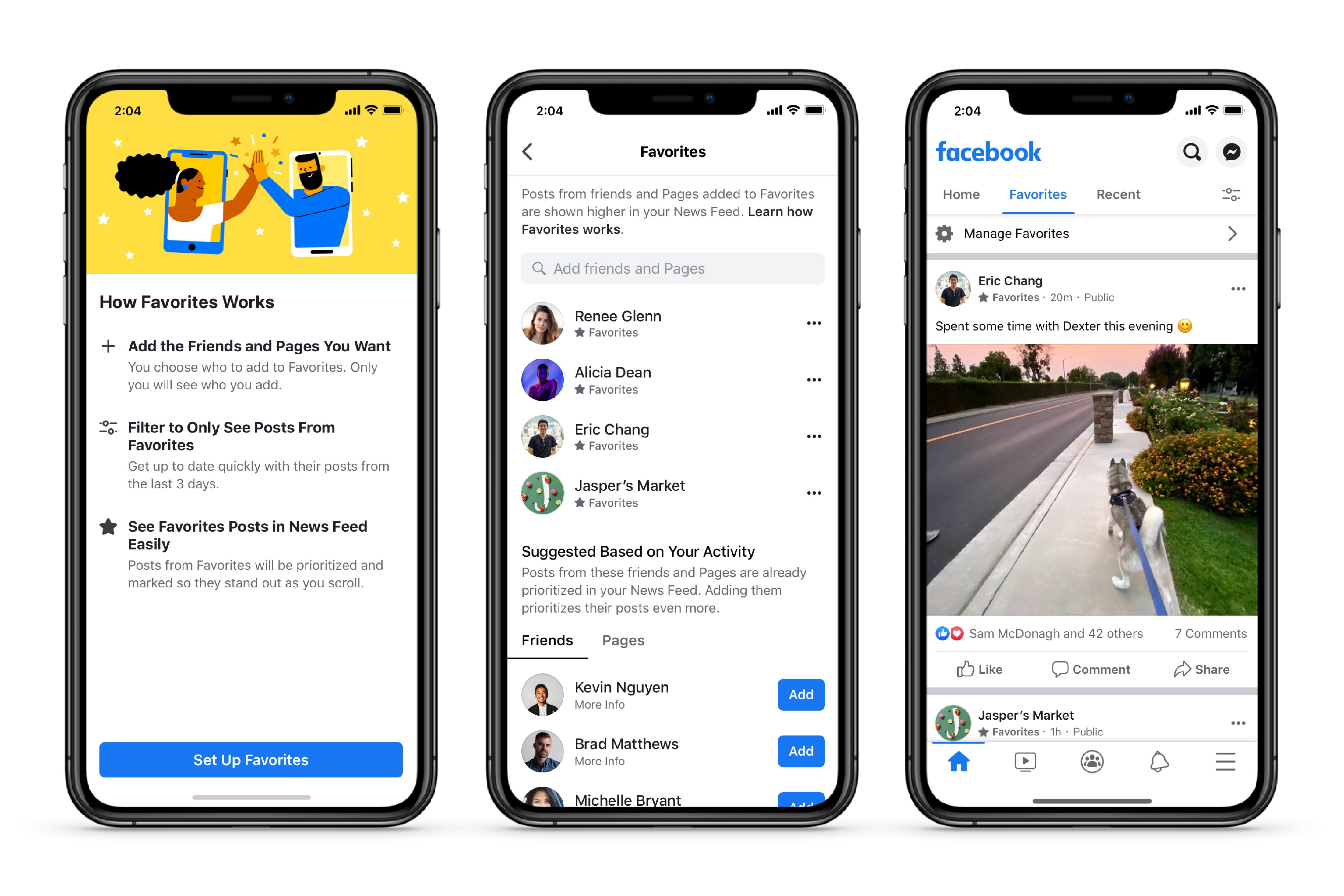
For years people have complained — rightly — that social feed algorithms feel like a black box. You see what you see, and sometimes it feels random or repetitive. Now Facebook is giving users more control over how the algorithm shapes their experience. Platforms are testing options to let people adjust their preferences, signal what matters, and essentially tune their feed to match their interests.
The news isn’t earth-shattering if you think about what people have been asking for: less mystery, more agency. If you could choose whether you see more friends, more groups, or only certain types of posts, the feed suddenly feels less like a roulette of engagement and more like a tool you can work with.
This has implications not just for users but also for brands and creators. When people have more control, content has to earn attention, not just be fed to them by a default setting. That pushes creators to think about relevance and value in a deeper way.
4. Google Search Console Insights Adds Social Channel Performance
Now for something that feels like a quiet yet important shift in how we see our digital presence.

Google recently announced an experimental feature in Search Console Insights that lets site owners see performance data for their linked social channels — like YouTube, TikTok, and Instagram — alongside standard web search metrics. This gives you a unified view of how your website and social profiles are performing in Google Search. (Search Engine Land)
Here’s what this experiment is doing:
- Total reach, meaning combined clicks and impressions from Google Search to your social channels. (Search Engine Land)
- Content performance, highlighting top and trending social posts. (Google for Developers)
- Search queries that lead people to your social profiles. (Search Engine Land)
- Audience location data showing where users are clicking from. (Google for Developers)
- Additional traffic sources like Image Search, Video Search, News, and Discover. (Search Engine Land)
Right now it’s experimental and rolling out to a limited set of sites identified automatically by Google Search Console. If you’re part of the test group, you’ll see prompts to add your social channels. (Google for Developers)
Why this matters is pretty clear once you think about how digital analytics has traditionally been set up: website metrics in one silo, social analytics in another, and search data somewhere else entirely. Having all these views come together within Search Console gives marketers and creators a more holistic look at visibility and engagement patterns.
For example, you might see that a TikTok video tied to your brand is driving visits from Google Search even if the video itself lives on a platform separate from your website. That connection helps you tailor content strategies so you’re not guessing how search and social interact — you see it.
Why These Trends Matter Together
The digital world used to feel segmented: tools over here, branding over there, search metrics over here, social networks over there. What’s happening now feels a little different. There’s cross-pollination:
- AI tools are embedded into the tools you already use to collaborate.
- Branding brings emotional resonance into practical products.
- Social platforms are giving users control instead of mystery.
- Search analytics is expanding to include social discovery.
If you think about it, this isn’t fragmentation — it’s integration. Each of these updates responds to a human desire: clarity, control, joy, and connection.
And although these shifts are happening in different corners of the web — Slack, Facebook, packaging design studios, Google — they all point to the same thing: technology and design are moving toward experiences that feel less like separate systems and more like extensions of how we naturally behave and think.
Closing Thoughts
Sometimes, the most important changes aren’t the flashy announcements. They’re the ones that quietly improve how we experience the digital world. Whether it’s helping your team write code without leaving a chat, making a snack feel warm and familiar, letting you shape your social feed, or showing you how your social and web content are found in search, these developments matter because they meet people where they are.


