


Smallest Viable Audience: How to Find the People Most Likely to Buy From You
Stop trying to reach everyone.
That advice sounds simple until you have bills to pay, staff to manage, stock to move, rent due, clients to close, and competitors shouting louder than you online.
When you are under pressure, “everyone” feels safer. You want more followers, more inquiries, more visibility, more traffic, more WhatsApp messages, more referrals, and more chances to sell.
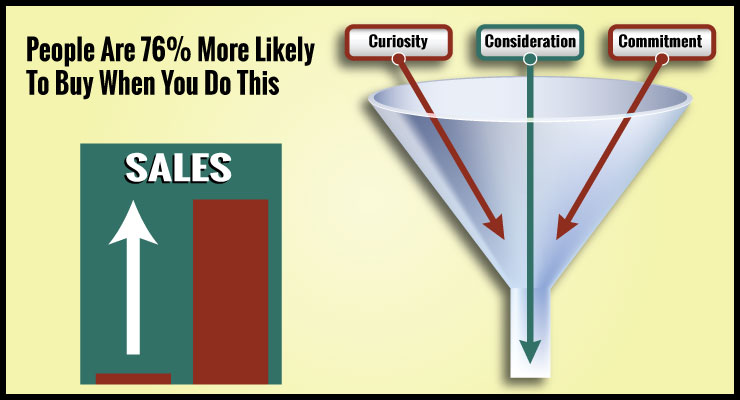
But broad marketing often creates a hidden problem: it attracts people who are curious but not committed, interested but not ready, impressed but not qualified, and willing to engage but unwilling to buy.
The smallest viable audience is the smallest specific group of people who can sustain your business if you serve them exceptionally well. Seth Godin describes the minimum viable audience as “the smallest group that could possibly sustain you in your work,” which shifts the question from “How do I reach more people?” to “Who exactly is this work for?” (Seth’s Blog)
For a small business, this is not just a branding idea. It is a survival strategy.
Your goal is not to become visible to everyone. Your goal is to become highly relevant to the people most likely to buy.
Why Broad Marketing Wastes Effort
Broad marketing feels productive because it creates activity.

You post every day. You run promotions. You design flyers. You boost ads. You join platforms. You talk about every service you offer. You accept every inquiry as a possible customer.
But broad marketing usually creates weak signals.
When your message is aimed at everyone, it becomes too general to move anyone urgently. You say things like “quality service,” “affordable prices,” “best solutions,” “we help businesses grow,” or “professional services for all your needs.”
Those phrases may be true, but they are not specific enough to make a serious buyer feel understood.
A buyer does not respond strongly because your offer exists. They respond because your message connects with their problem, timing, budget, values, and desired outcome.
The U.S. Small Business Administration explains that market research helps businesses understand consumer behavior, economic trends, demand, market size, pricing, location, and competition before making decisions. (SBA) That matters because marketing without audience clarity usually turns into guessing.
Broad marketing makes your offer harder to understand
When you target too many people, your offer often becomes overloaded.
A restaurant says it serves “everyone.”
A consultant says they help “all businesses.”
A designer says they create “all types of graphics.”
A salon says it serves “all women.”
A coach says they help “anyone who wants to grow.”
The problem is not that these businesses lack value. The problem is that their value is not positioned around a specific buyer’s decision.
A busy professional looking for fast lunch delivery does not evaluate a restaurant the same way a family planning a weekend outing does.
A startup founder looking for investor-ready brand positioning does not evaluate a designer the same way a student looking for a birthday flyer does.
A bride looking for reliable event beauty services does not evaluate a salon the same way someone looking for a quick casual appointment does.
Different customers buy for different reasons. Broad marketing ignores those differences.
Broad marketing attracts too many low-fit inquiries
The wider your message, the more likely you are to attract people who are not ready, not serious, not aligned, or not profitable.
That creates pressure inside the business.
You spend time explaining basic things to people who were never likely to buy. You negotiate with people who do not value your process. You discount for people who compare you with cheaper alternatives. You customize for people who do not want to pay for customization.
This is why audience targeting is not about excluding people because you think they are unimportant. It is about protecting your business from wasting energy on people who are unlikely to become good customers.
What Is the Smallest Viable Audience?

Your smallest viable audience is not simply a niche.
A niche is a category.
A smallest viable audience is a specific group of buyers with enough shared pain, buying power, access, urgency, and fit to support your business.
For example, “women” is not a smallest viable audience.
“Professional women in Douala who need reliable, time-conscious salon appointments before work, events, and travel” is much closer.
“Small businesses” is not a smallest viable audience.
“Local service businesses getting WhatsApp inquiries but struggling to convert those inquiries into paying customers” is much stronger.
“People who need food” is too broad.
“Office teams that need reliable weekday lunch delivery with clean packaging, predictable timing, and easy ordering” is a more useful audience.
The difference is commercial clarity.
Your smallest viable audience should help you answer:
Who has the problem?
Who cares enough to solve it soon?
Who can pay for the solution?
Who is reachable through specific channels?
Who will value your difference?
Who can refer others like them?
Who can sustain the business if served well?
HubSpot defines buyer personas as research-based profiles of target audience segments that include behaviors, motivations, goals, and pain points influencing buying decisions. (HubSpot Blog) That is useful because your smallest viable audience should be based on buying behavior, not just age, gender, or location.
How to Identify the Best-Fit Segment
To find the smallest audience that will actually buy from you, do not start with demographics.
Start with evidence of buying potential.
A useful audience segment is not just a group of people you like. It is a group with a problem you solve well, a reason to act, and a realistic path to purchase.
Step 1: List the customer groups already around your business
Begin with the people who already inquire, buy, refer, follow, comment, visit, or ask questions.
Do not judge them yet. Just list the groups.
For a bakery, the groups might include birthday customers, office buyers, event planners, parents, students, corporate teams, and walk-in snack buyers.
For a marketing consultant, the groups might include coaches, restaurants, boutiques, real estate agents, schools, personal brands, and small professional service firms.
For a salon, the groups might include students, brides, working professionals, mothers, influencers, and women preparing for special events.
You are looking for patterns.
Which group buys fastest?
Which group pays properly?
Which group complains least?
Which group returns?
Which group refers?
Which group understands your value?
Which group creates work you want more of?
Your best-fit segment is often already visible in your business. You just may not have named it clearly yet.
Step 2: Score each group by commercial fit
Use a simple score from 1 to 5 for each category.
| Fit Factor | Question | Score |
|---|---|---|
| Pain | Do they have a real problem you solve? | 1–5 |
| Urgency | Do they need the solution soon? | 1–5 |
| Budget | Can they pay sustainably? | 1–5 |
| Access | Can you reach them consistently? | 1–5 |
| Trust | Are they likely to believe your proof? | 1–5 |
| Repeat value | Can they buy again or refer others? | 1–5 |
| Delivery fit | Can you serve them profitably? | 1–5 |
A segment that scores high in pain but low in budget may engage often but buy poorly.
A segment that scores high in budget but low in access may be attractive but difficult to reach.
A segment that scores high in urgency, budget, trust, and repeat value deserves serious attention.
This process helps you stop confusing popularity with profitability.
Step 3: Study your easiest profitable customers
Your easiest profitable customers are gold.
They are the customers who buy without excessive convincing, respect your process, pay reasonably, return, refer, or produce strong results.
Look at your last 10 to 20 good customers and ask:
What triggered them to buy?
Where did they find you?
What words did they use to describe their problem?
What did they care about most?
What objections did they have?
Why did they choose you instead of someone else?
What made the experience work well?
This is where your ideal client profile becomes practical.
You are not inventing a fantasy customer. You are reverse-engineering the customers who already prove your business model can work.
Step 4: Identify the buying trigger
A smallest viable audience becomes stronger when you know what makes people act.
Many businesses define customers by identity, but buying often depends on a trigger.
A customer may follow a fitness coach for months but only buy after a health scare, wedding date, weight gain, medical recommendation, or frustration with failed routines.
A business owner may follow a marketing agency for years but only book after launching a new offer, losing sales, opening a new branch, or realizing referrals are slowing down.
A parent may know about a tutoring service but only inquire after poor exam results.
Your audience targeting improves when you define both the person and the trigger.
A strong formula is:
We serve [specific customer] when they are facing [specific trigger] and need [specific outcome].
Example:
“We serve local restaurant owners when foot traffic slows down and they need a practical way to turn online attention into repeat orders.”
That is far stronger than “we help restaurants with marketing.”
The Smallest Viable Audience Matrix
Use this matrix to choose where to focus first.
Segment 1: High fit, easy to reach
This is your starting point.
These people have the problem, can pay, value your solution, and are reachable through channels you can realistically use.
For example, a B2B service provider may find that local real estate agents are high fit and easy to reach through referrals, WhatsApp groups, LinkedIn, networking events, and professional associations.
This audience should receive your clearest messaging, strongest offers, and most consistent follow-up.
Segment 2: High fit, hard to reach
This group may be valuable, but access is harder.
For example, corporate decision-makers may have budget and need, but they may require referrals, formal proposals, procurement steps, or long sales cycles.
Do not ignore them, but do not depend on them for quick traction unless you already have access.
Segment 3: Low fit, easy to reach
This group is tempting because they respond quickly.
They like posts. They ask questions. They comment. They request prices. They may even buy occasionally.
But if they do not pay well, return, respect the process, or value your difference, they can consume your time without building the business.
Many small businesses get stuck here because easy attention feels like demand.
Segment 4: Low fit, hard to reach
Avoid building your strategy around this group.
They are difficult to access and unlikely to buy well. Serving them may require too much education, too much discounting, or too much operational adjustment.
Where to Find Your Smallest Viable Audience Online
Once you know who your smallest viable audience is, the next question is where they already spend attention with buying intent.
Do not choose platforms only because they are popular. Choose channels based on buyer behavior.
Google Ads describes audience segments as groups of people with specific interests, intents, and demographic information, which is a useful reminder that online targeting works best when you understand what people are interested in and what they may be trying to do. (Google Help)
Search engines: for people already looking
Search is powerful because it captures active intent.
Someone searching “best bridal makeup artist near me,” “office lunch delivery in Douala,” “brand strategy consultant for small business,” or “affordable event planner for corporate event” is not just casually scrolling. They are already expressing need.
For small businesses, search-based content works well when your audience has urgent or specific problems.
Create pages and articles around the words your customers actually use:
“Reliable lunch delivery for offices”
“How to choose a wedding makeup artist”
“Brand positioning for small businesses”
“Accounting services for small business owners”
“Best gym for beginners who need accountability”
Search helps you reach buyers who may not know your brand yet but already know their problem.
Instagram and TikTok: for visual proof and desire
Visual platforms work well when your offer benefits from demonstration.
Restaurants can show food quality, packaging, customer experience, and behind-the-scenes preparation.
Boutiques can show outfit styling, fit, occasions, and customer transformations.
Salons can show results, process, cleanliness, timing, and client confidence.
Event planners can show before-and-after venue setups, guest experience, vendor coordination, and attention to detail.
But visibility alone is not enough. Your content should make the right buyer think, “This is for someone like me.”
That means captions should name the audience, the problem, and the buying moment.
Instead of: “Book now.”
Say: “For brides who want calm, organized makeup prep on the morning of the wedding, early booking helps us plan timing, skin prep, and touch-ups properly.”
That is audience targeting inside the content itself.
LinkedIn: for professional and B2B buyers
LinkedIn can be useful when your smallest viable audience includes professionals, founders, consultants, recruiters, corporate teams, executives, educators, or B2B decision-makers.
The content should not only promote your service. It should diagnose business problems your audience recognizes.
For example:
“Why small law firms lose leads after the first WhatsApp message.”
“How consultants can package expertise so prospects stop asking only for hourly rates.”
“Why corporate lunch vendors lose repeat orders despite good food.”
These topics attract people who are already thinking about the business problem you solve.
Facebook groups and communities: for conversation and trust
Some audiences gather in niche communities before they buy.
Parents ask for school recommendations. Brides ask for vendors. Entrepreneurs ask for accountants, designers, suppliers, and consultants. Homeowners ask for repair services. Immigrants ask for trusted local businesses. Students ask for affordable services near campus.
The mistake is entering groups only to advertise.
Instead, observe first.
What questions repeat?
What frustrations appear often?
What recommendations get trusted?
What language do people use?
What fears delay buying?
Which businesses get praised, and why?
Community observation gives you raw customer language you can use in your marketing.
WhatsApp: for warm leads and relationship-based selling
In many local markets, WhatsApp is not just a chat app. It is part of the sales process.
A person may discover you on Instagram, hear about you through a referral, check your status updates, ask a question, request proof, compare prices, and finally buy through WhatsApp.
That means your smallest viable audience should shape your WhatsApp communication.
Your profile, catalog, status updates, saved replies, inquiry questions, and follow-up messages should all speak to the buyer you want more of.
A good WhatsApp sales flow asks fit-based questions:
“What are you trying to achieve?”
“When do you need this?”
“Have you used this type of service before?”
“What budget range are you working with?”
“Would you prefer the standard option or the guided/premium option?”
The goal is not to pressure everyone. The goal is to identify who is ready, who needs nurturing, and who is not the right fit.
Where to Find Your Smallest Viable Audience Offline
Offline targeting still matters, especially for service businesses, local brands, hospitality businesses, food vendors, beauty brands, consultants, schools, real estate providers, and professional services.
Some of your best buyers may not discover you through ads. They may discover you through proximity, trust, referral, repetition, or reputation.
Existing customers
Your current best customers are often the shortest path to more best-fit customers.
Ask them:
“Who else do you know who has this same problem?”
“What made you choose us?”
“Where would someone like you normally look for this service?”
“What nearly stopped you from buying?”
“What should we explain better?”
This gives you both referral opportunities and audience insight.
Referral partners
A referral partner serves the same audience but solves a different problem.
A bridal makeup artist can partner with photographers, dress designers, event planners, decorators, and venues.
A business consultant can partner with accountants, lawyers, web designers, coworking spaces, and startup communities.
A restaurant offering office lunch can partner with office managers, HR teams, coworking hubs, training centers, and delivery coordinators.
Referral partners work best when your audience definition is clear. People can refer better when they know exactly who you serve.
Local events and business communities
Workshops, trade fairs, chamber events, founder meetups, industry gatherings, church business groups, alumni events, campus events, and community markets can reveal where your audience already gathers.
Do not attend only to distribute flyers.
Attend to learn:
Who asks serious questions?
Who has the problem now?
Who influences buying decisions?
Who controls budget?
Who already has trust in the community?
Who could introduce you to more people like them?
The goal is not just visibility. The goal is pattern recognition.
Competitor environments
Competitors can show you where demand already exists.
Read their reviews. Study their comments. Observe their strongest offers. Notice who engages with them. Listen to what customers praise and complain about.
This is not about copying. It is about understanding the market conversation.
If customers repeatedly complain about late delivery, your audience may value reliability.
If customers praise fast response, your audience may value communication.
If customers ask about payment plans, your audience may need flexible pricing.
If customers ask for proof, your audience may need testimonials, samples, guarantees, or demonstrations before buying.
How to Test Whether an Audience Will Actually Buy
Audience research is useful, but buying behavior is the real test.
Do not spend months perfecting a customer profile without putting an offer in front of people.
Test with a clear offer
A vague offer produces vague feedback.
Instead of saying, “I offer marketing services,” test something specific:
“WhatsApp sales audit for service businesses losing leads after inquiry.”
Instead of saying, “We do catering,” test:
“Office lunch delivery for teams of 10–30 with weekly menu planning.”
Instead of saying, “We sell clothes,” test:
“Workwear styling bundles for professional women who want polished weekday outfits.”
A clear offer tells you who is interested enough to act.
Test with a small campaign
Run a focused campaign for one audience segment.
Choose one message, one offer, one channel, and one action.
For example:
Audience: boutique owners
Problem: people ask for prices but do not buy
Offer: sales messaging review
Channel: Instagram and WhatsApp
Action: book a paid mini-audit
Track what happens.
Did people respond?
Were they qualified?
Did they understand the offer?
Did they object to price?
Did they book?
Did they refer others?
Did the work feel profitable?
You are not only measuring clicks or likes. You are measuring buying quality.
Test through conversations
Talk to 10 to 20 people in the audience before building your entire marketing strategy around them.
Ask practical questions:
“What are you currently using to solve this?”
“What frustrates you most about available options?”
“What would make you switch providers?”
“What would make you trust a new provider?”
“What budget feels realistic for this problem?”
“Where do you look when you need this kind of help?”
These conversations reveal language, objections, buying triggers, and trust barriers.
Test willingness to pay
People may say they like your idea. That does not mean they will buy.
Willingness to pay is different from interest.
A buying audience takes action. They book, deposit, subscribe, request a proposal, visit, reorder, refer, or commit to a next step.
Your smallest viable audience must prove itself through behavior, not compliments.
Build Your Ideal Client Profile From Evidence
Your ideal client profile should be specific enough to guide decisions.
Use this structure:
1. Customer identity
Who are they?
Example: “Service-based small business owners with 2–10 team members who rely heavily on referrals and WhatsApp inquiries.”
2. Core problem
What painful problem do they want solved?
Example: “They get attention and inquiries but struggle to convert leads into consistent paying customers.”
3. Buying trigger
What makes them act now?
Example: “They recently experienced slow sales, opened a new location, launched a new offer, or became frustrated with random social media posting.”
4. Desired outcome
What do they really want?
Example: “They want clearer messaging, better-fit leads, and a simple marketing system they can sustain.”
5. Trust requirement
What must they believe before buying?
Example: “They need to see proof that strategy can produce practical sales conversations, not just pretty branding.”
6. Budget reality
What can they pay without damaging the relationship?
Example: “They can invest in a focused strategy package but need clear scope, payment structure, and visible business value.”
7. Best channels
Where can you reach them?
Example: “Instagram, WhatsApp referrals, LinkedIn, local entrepreneur communities, coworking spaces, webinars, and business events.”
8. Misfit signs
Who should you avoid?
Example: “People who want guaranteed instant sales, refuse to answer discovery questions, or only compare based on the cheapest price.”
This is how niche marketing becomes practical. You are not narrowing for aesthetic reasons. You are narrowing so your marketing, sales process, pricing, and delivery can work together.
The “Ready, Reachable, Repeatable” Test
Before choosing your smallest viable audience, test it against three questions.
Are they ready?
Do they already know they have a problem?
A ready audience does not need endless education before they understand why your offer matters.
They may still need trust, proof, and explanation, but they are not completely unaware.
Are they reachable?
Can you realistically get in front of them without wasting your entire budget?
Reachability matters because some audiences are attractive on paper but difficult to access.
A good audience should have identifiable online platforms, offline spaces, referral networks, search behavior, professional groups, communities, or physical locations.
Are they repeatable?
Can you find more people like them?
One good customer is helpful. A repeatable customer pattern is strategic.
If several customers share the same problem, trigger, budget, and buying behavior, you may have found a viable audience segment.
You Do Not Need a Bigger Audience. You Need a Sharper One.
The smallest viable audience is not about thinking small.
It is about starting where your marketing has the highest chance of becoming revenue.
You do not need thousands of random people to notice you. You need enough of the right people to believe, buy, return, and refer.
Broad marketing makes you visible. Focused marketing makes you chosen.
When you know your smallest viable audience, your message becomes clearer. Your content becomes easier to create. Your referrals become more accurate. Your pricing becomes easier to defend. Your sales conversations become less exhausting. Your offers become more relevant. Your business stops bending itself around every possible customer.
Start with the people most likely to buy.
Serve them deeply. Learn their language. Show up where they already are. Build proof around their problems. Turn their trust into repeat business and referrals.
That is how a small audience becomes enough.


