


Regular SEO still matters, and it is not disappearing tomorrow. But the way content is discovered, evaluated, and surfaced is evolving in ways that traditional SEO was not originally designed for. When you understand how Generative Engine Optimization differs from regular SEO, you stop optimizing blindly and start making decisions that fit how search engines and people actually behave today. This is less about chasing trends and more about adjusting your thinking.
What Is Generative Engine Optimization
Generative Engine Optimization focuses on optimizing content so it can be understood, selected, and referenced by AI-driven search engines and generative answer systems. Instead of only aiming to rank on a search results page, the goal is to become a trusted source that AI engines pull from when generating direct responses. These engines summarize multiple sources, connect ideas, and present information conversationally, often without requiring users to click through.
This means Generative Engine Optimization pays close attention to clarity, structure, context, and authority. Content needs to explain ideas fully, connect related concepts, and answer questions directly. It is less about repeating keywords and more about making meaning obvious. When AI systems understand your content easily, they are more likely to reference it.
What Regular SEO Is Still Designed to Do
Regular SEO is still built around helping your web pages appear prominently in traditional search engine results, the familiar list of links people scroll through when they search. It focuses on understanding what words and phrases people type, then aligning your pages to those queries through keyword research, on-page optimization, internal linking, backlinks, and solid technical performance. The underlying idea is simple and still valid. If your page shows up near the top, more people will click it, read it, and possibly take action. This model assumes that users want options and are willing to compare a few results before deciding.
Where regular SEO continues to shine is in intent-driven searches. When someone is ready to buy, book, compare, or evaluate, they often want to explore multiple pages. Think about searching for services, prices, reviews, or detailed comparisons. In these moments, traditional SEO does exactly what it was designed to do. It creates steady discoverability, builds credibility over time, and rewards consistency. Links, engagement, and strong content still compound into long-term authority, which is why regular SEO remains a reliable foundation rather than something to discard.
Generative Engine Optimization vs Regular SEO at a Core Level
At the core, the difference between Generative Engine Optimization and regular SEO is not about tools or tactics. It is about where and how your content appears. Regular SEO optimizes for visibility within a ranked list of results. You are competing for position and hoping the searcher chooses your link. Generative Engine Optimization shifts the goal entirely. Instead of competing for clicks, you are competing to be referenced inside the answer itself. That shift changes how content is evaluated and how success is defined.
Regular SEO quietly asks, how do we rank higher than others targeting this keyword. Generative Engine Optimization asks something more fundamental, how do we explain this topic so clearly that an AI engine trusts it enough to use it. One approach is about outperforming competing pages. The other is about contributing understanding. Both care about quality, but they reward it in different ways. Regular SEO rewards relevance and authority signals. Generative Engine Optimization rewards clarity, structure, and depth of explanation.
How Search Behavior Is Forcing This Shift
Search behavior has changed in small ways that add up to something big. People now ask longer questions, often phrased the way they would speak to another person. They want direct answers, not a research project. Opening ten tabs feels tiring when an AI tool can summarize things instantly. Search engines noticed this shift and responded by generating answers instead of only ranking links. This is already visible in tools like Google AI Overviews and Bing Copilot, where summaries appear before traditional results.
Generative Engine Optimization exists because of this behavioral shift. When users trust generated answers, visibility means being cited or referenced, not just being ranked. A page can technically rank well and still be skipped if the answer appears above it. That is where many businesses feel confused. Traffic looks stable, but influence quietly declines. Understanding this shift helps you adapt without panic. You are not losing relevance, search itself is evolving.
How Generative Engines Evaluate Content
Generative engines do not read content the same way traditional crawlers do. Instead of scanning primarily for keywords and links, they analyze how ideas connect, whether explanations make sense, and how consistent the information is across a topic. They look for coherence, depth, and context. Content that walks through an idea clearly, step by step, is easier for these systems to interpret and reuse. Pages that rely on repetition without explanation often struggle.
This is where Generative Engine Optimization becomes very practical. Strong internal logic matters. Ideas should flow naturally. Questions should be answered directly. Related concepts should be linked conceptually, not just through anchor text. Long-form content often performs better here because it provides enough context for AI systems to understand what you actually know, not just what keywords you target. Length alone is not the goal, but clarity almost always requires space.
Regular SEO Signals That Still Matter
Even with all these changes, regular SEO signals have not stopped mattering. Page speed still affects trust. Mobile usability still shapes experience. Clean site architecture still helps content get discovered. Backlinks still signal authority. Generative engines often rely on these same signals when deciding whether a source is credible enough to reference in an answer.
This is why Generative Engine Optimization does not replace regular SEO. It builds on it. Without technical stability and baseline authority, even the clearest content may not be trusted or surfaced. A fast, well-structured site with strong foundational SEO makes it easier for generative systems to rely on your content. Choosing between the two is rarely realistic. Combining them reflects how search actually works today.
Content Structure in Generative Engine Optimization
Structure has become more important than many people realize. Generative engines favor content that is logically organized, clearly labeled, and easy to follow. Headings, subheadings, lists, and examples are not just there for human readers anymore. They help AI systems understand what each section contributes and how ideas are separated and connected.
When working with Generative Engine Optimization, you are effectively teaching two audiences at once. Humans need clarity and flow. Machines need structure and signals. Clear definitions, thoughtful transitions, and practical examples help both. This is also why rambling content often fails. Even if it is long, it becomes difficult to interpret. Well-structured content, on the other hand, creates confidence. It shows that you understand the topic well enough to explain it simply, and that still counts for a lot.
Generative Engine Optimization and Entity Understanding
One major difference between Generative Engine Optimization and regular SEO is the focus on entities rather than just keywords. Entities are people, places, concepts, and things that have defined relationships. AI engines use entities to understand context and meaning beyond exact phrasing.
When your content clearly explains how ideas relate to each other, it becomes easier for generative systems to place it within a broader knowledge graph. This improves the chance of being referenced when related questions are asked. Regular SEO may focus on matching phrases, but Generative Engine Optimization focuses on mapping understanding.
For more on entity-based search, this overview from Search Engine Journal is helpful: https://www.searchenginejournal.com/entity-seo/
Keyword Usage in Generative Engine Optimization
Keywords still matter, but they play a different role. Instead of forcing exact phrases repeatedly, Generative Engine Optimization uses keywords naturally within explanations. The goal is to reinforce relevance without breaking flow or clarity.
This is why conversational writing performs well. When you explain something the way you would to a real person, keywords appear naturally. Generative engines pick up on that authenticity and clarity more than mechanical repetition.
Examples of Queries That Favor Generative Engine Optimization
Some searches are especially suited for generative answers. These usually include why, how, and explanatory queries. For example:
- What is Generative Engine Optimization
- How does Generative Engine Optimization differ from SEO
- Why AI search engines summarize results
These are not comparison shopping queries. They are understanding queries. Generative engines aim to answer them directly, which is why content optimized for explanation performs well.
Where Regular SEO Still Outperforms GEO
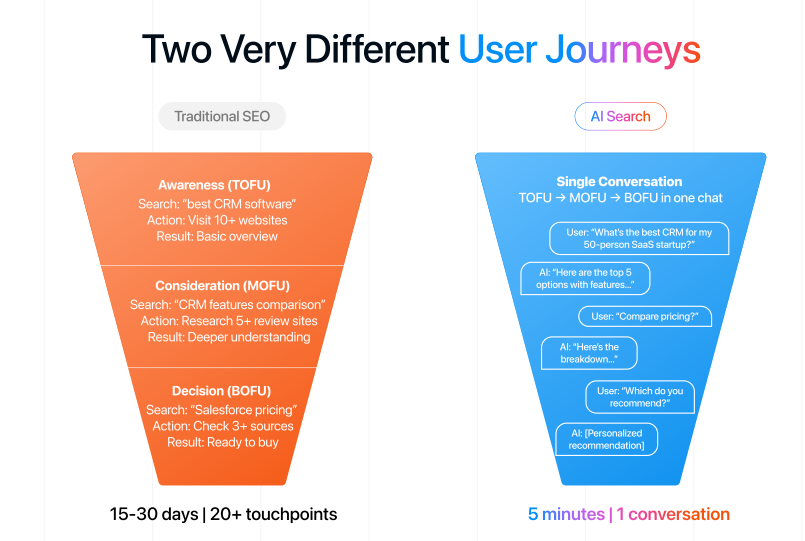
Not every search benefits from generative responses. Product comparisons, local services, and transactional searches still rely heavily on traditional SEO. When users want options, prices, locations, or reviews, they prefer browsing.
This is where regular SEO remains powerful. Ranking for commercial intent keywords, optimizing landing pages, and capturing demand through search results still drives revenue. Generative Engine Optimization complements this, but it does not replace it.
Combining Generative Engine Optimization and Regular SEO
The smartest approach blends both strategies. Regular SEO builds your foundation, visibility, and authority. Generative Engine Optimization expands your reach into AI-driven answers and future search experiences.
You start by ensuring technical SEO is solid. Then you focus on creating content that explains, connects, and educates. Over time, your site becomes both rankable and reference-worthy. This balance reduces risk and keeps your strategy flexible.
Moz’s breakdown of modern SEO fundamentals supports this blended view: https://moz.com/beginners-guide-to-seo
Measuring Success in Generative Engine Optimization
Measuring success in Generative Engine Optimization requires letting go of the habit of checking rankings alone and calling it a day. Visibility shows up in quieter ways here. Your content may be mentioned, paraphrased, or referenced inside AI-generated answers without driving a direct click. Impressions, brand mentions, and citation patterns start to matter more than raw traffic numbers. Over time, you may notice your ideas being repeated elsewhere, your brand name appearing in conversations, or your explanations becoming the baseline reference others build on.
This kind of progress rarely shows up overnight. Generative Engine Optimization rewards consistency and clarity over time, not quick spikes. Influence grows gradually as systems learn to trust your content. That means success looks less like sudden traffic jumps and more like steady recognition. It takes patience and a mindset shift. You stop asking only where do we rank and start asking where do we show up when people need answers. Presence becomes just as important as position.
Common Mistakes Businesses Make
One of the most common mistakes businesses make is treating Generative Engine Optimization like a trendy label instead of a thinking shift. They rush to adopt new tools, dashboards, and automation, hoping technology will solve everything. Clarity gets lost in the process. Content becomes mechanical, overloaded with terms, and oddly disconnected from real questions people ask. Tools can help, but they cannot replace clear thinking.
Another frequent misstep is abandoning regular SEO too quickly. Some assume that because generative engines are growing, traditional optimization no longer matters. That usually backfires. Without strong technical foundations and authority signals, generative systems have little reason to trust your content. The biggest mistake of all is writing for algorithms instead of understanding. When content loses its human voice, both readers and AI engines lose interest. Clear explanations still win, even in an AI-driven search landscape.
The Future of Search and Optimization
Search is steadily moving away from simple indexing toward deeper understanding. Generative engines reward content that explains ideas fully, connects concepts naturally, and respects how people actually think. Regular SEO will not disappear, but its role will change. Instead of being the final goal, it becomes part of a broader system that supports visibility, trust, and credibility across different search experiences.
Generative Engine Optimization prepares you for this future without asking you to abandon what already works. It encourages better communication rather than trend chasing. When you focus on explaining clearly and structuring ideas thoughtfully, you future-proof your content in a practical way. This shift is not about pleasing machines. It is about communicating so well that both humans and machines understand you. For a broader industry perspective on how AI is shaping business and search behavior, this McKinsey insight offers useful context: https://www.mckinsey.com/capabilities/quantumblack/our-insights
Final Thoughts
Generative Engine Optimization is not a replacement for regular SEO. It is an expansion of how we think about visibility, authority, and trust. When you understand how both approaches work, you stop reacting and start planning.
If you want help aligning your content with Generative Engine Optimization without breaking what already works, start by auditing how clearly your content explains what you do. Ask whether a human and an AI would understand it equally well. If not, that is where the real optimization begins.
If you want support building that balance, or even just a second opinion, reach out and start the conversation.


