


Lead Nurturing: Why Most Leads Ghost You After They Show Interest
A lead asking for your price is not the same as a customer ready to pay.
Someone downloading your free guide is not the same as someone ready to book your service.
A prospect replying “I’m interested” on Instagram is not the same as someone who has decided to trust you with their money.
This is where many small businesses misunderstand lead generation. You celebrate the inquiry, send one response, wait for the person to decide, and then feel confused when they disappear.
But most leads do not ghost you because they were fake.
They ghost you because interest is fragile.
At the moment someone shows interest, they may still be comparing options, checking their budget, asking a friend, discussing with a spouse or business partner, doubting the price, questioning your credibility, or simply getting distracted by life.
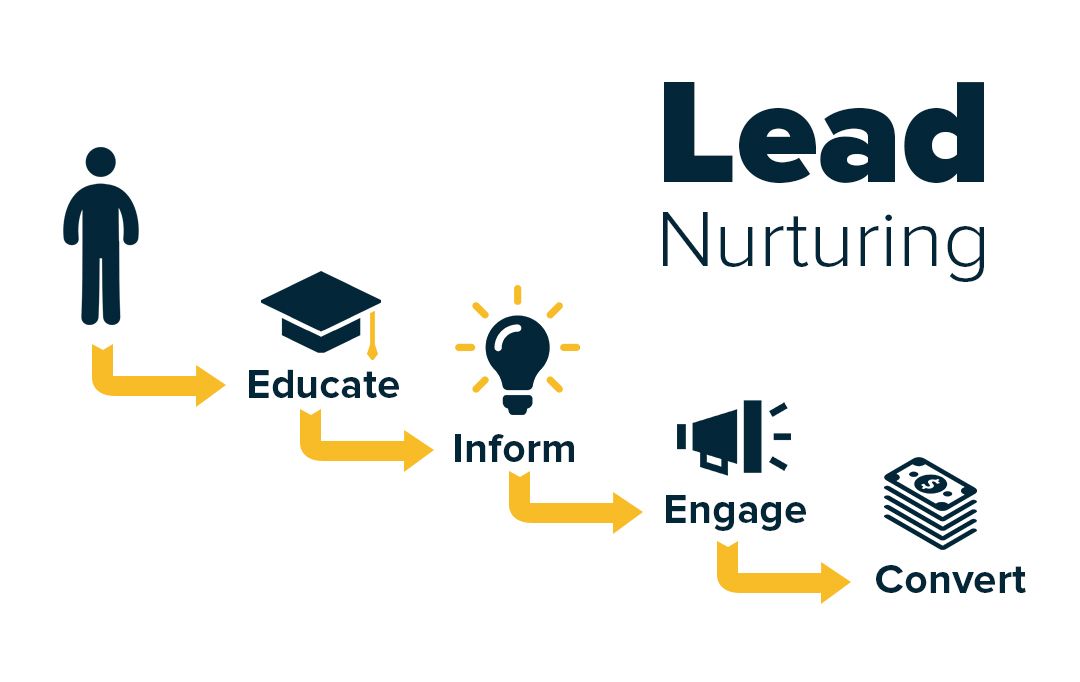
Lead nurturing is the process of keeping that interest alive long enough for trust, clarity, urgency, and commitment to develop. Salesforce describes lead nurturing as guiding prospects through the sales journey by offering useful resources, showing how your solution addresses their pain points, and building a relationship until they are ready to purchase. (Salesforce)
That matters because silence does not always mean “no.”
Sometimes silence means your follow-up was too slow, too generic, too weak, too salesy, or too easy to ignore.
Why Leads Disappear After Showing Interest
Leads disappear because showing interest is only the beginning of the buying decision.
When someone fills out a form, asks for a quote, comments “price?”, clicks your lead magnet, or sends a WhatsApp inquiry, they are usually saying, “This might solve my problem.” They are not always saying, “I am ready to buy right now.”
That gap between curiosity and commitment is where most businesses lose the lead.
They were curious, not convinced
Curiosity is easy to create.
A strong headline, attractive post, free checklist, discount, testimonial, or referral can make someone look closer. But curiosity alone does not carry the buyer through price, doubt, timing, comparison, and decision-making.
A boutique customer may ask about a dress because it looks nice, but she still needs to know sizing, delivery, styling options, payment terms, and whether the quality matches the price.
A restaurant customer may ask about catering, but they still need confidence that the food will arrive on time, look presentable, and not embarrass them in front of guests.
A business owner may download your marketing checklist, but they still need to believe your paid service can produce clearer leads, better messaging, or stronger sales conversations.
Interest opens the door. Nurturing helps the lead walk through it.
They did not understand the next step
Many leads ghost because the business does not make the next step obvious.
A weak response sounds like this:
“Okay, let me know.”
That sentence kills momentum.
It puts all responsibility on the lead, even though the lead may still be uncertain, busy, or unsure how to proceed.
A stronger response guides the decision:
“Based on what you described, the best option is Package B because it includes the consultation, setup, and follow-up support. To reserve your slot, the next step is a 50% deposit. I can send the payment details now.”
That message does three things. It recommends, explains, and directs.
Leads often need guidance, not pressure.
They were comparing you with other options
Most leads do not inquire from only one business.
They may message three vendors, check two Instagram pages, ask a friend, look at reviews, compare prices, and delay while deciding who feels safest.
If your follow-up does not remind them why your offer is different, you become just another option in their phone.
This is especially risky in crowded markets where many providers look similar. If five businesses offer “quality service,” “affordable price,” and “fast delivery,” the customer will often choose based on price, convenience, familiarity, or whoever follows up better.
Your nurture system should keep reinforcing your difference.
Not aggressively. Clearly.
They lost urgency
People often inquire when their problem feels important.
Then work gets busy. A child gets sick. A manager delays approval. Salary has not entered. An event date feels far away. A business owner decides to “think about it next week.”
Your job is not to manipulate urgency. Your job is to remind the lead why the problem matters and what happens if they delay too long.
For example:
“Just a reminder that for wedding bookings, we close the calendar once the morning slots are filled. Since your date is in three weeks, confirming this week gives us enough time for skin prep notes, timing, and touch-up planning.”
That kind of follow-up is useful because it explains why action matters.
They did not trust you enough yet
Trust is the bridge between interest and payment.
A lead may like your offer but still wonder:
Will this business deliver?
Will they understand my need?
Will they disappear after payment?
Will the result look like the photos?
Will they respect time?
Will they communicate clearly?
Will this be worth the price?
This is why proof belongs inside your follow-up sequence.
Proof can include testimonials, before-and-after examples, short case stories, process explanations, FAQs, reviews, screenshots with permission, portfolio samples, guarantees, or clear service steps.
Lead nurturing is not only about reminding people you exist. It is about reducing the risk they feel before buying.
Interest Is Not Commitment
The biggest mistake in lead management is treating every interested person like a ready buyer.
Some leads are hot. They need a fast answer and a clear payment path.
Some leads are warm. They need proof, clarification, and follow-up.
Some leads are early. They need education, examples, and time.
Some leads are wrong-fit. They will never buy well, no matter how much you chase them.
If you treat all of them the same, you either pressure people too early or neglect people who needed nurturing.
A good lead nurturing system separates interest levels.
Hot leads need speed
A hot lead asks specific questions, has a deadline, shares details, requests payment steps, or compares packages seriously.
For example:
“I need this for Saturday. Do you have availability?”
“How much is the full package, and what does it include?”
“Can you send the invoice?”
“What do I need to pay to book?”
These leads should not sit unanswered for hours.
Research from InsideSales emphasized that conversion rates improve significantly when first contact attempts happen within the first five minutes rather than much later. (InsideSales) The exact urgency will vary by industry, but the business lesson is clear: when someone is actively looking, slow response gives competitors room to win.
Warm leads need reassurance
A warm lead is interested but uncertain.
They may ask:
“Can I think about it?”
“Do you have examples?”
“Is there a cheaper option?”
“How does it work?”
“What makes this different?”
“Can I pay later?”
These leads need clarity, not desperation.
You can send a testimonial, explain the process, offer a lower-scope option, answer objections, or schedule a short call.
Early leads need education
An early lead may download a guide, attend a webinar, join your email list, follow your page, or save your posts without being ready to buy.
They are not useless.
They are just not ready yet.
This is where an email nurture sequence, WhatsApp broadcast list, newsletter, or educational content can keep the relationship alive.
Campaign Monitor describes lead nurturing as investing in relationships with your audience through education and awareness, helping prospects understand who you are, what you do, and why your business is relevant. (Campaign Monitor)
That is the real job of nurturing: staying useful before the sale.
Why Your Follow-Up Timing Matters
Follow-up timing matters because attention decays.
When a lead reaches out, your business is active in their mind. They are thinking about the problem. They may still have your website, post, ad, or recommendation open. They may be comparing you in real time.
If you wait too long, their mental context changes.
They go back to work. They message another provider. They forget the details. They lose emotional urgency. They decide the problem can wait.
Harvard Business Review’s “The Short Life of Online Sales Leads” warned that many companies fail to respond to online leads quickly enough, creating a gap between customer interest and business action. (Harvard Business Review)
For a small business, this does not mean you must be online every second. It means you need a response system.
Fast acknowledgment protects the lead
Even if you cannot give the full answer immediately, acknowledge the inquiry quickly.
A simple message can prevent the lead from feeling ignored:
“Thanks for reaching out. I’ve received your message. I’ll ask two quick questions so I can recommend the right option.”
Or:
“Thanks for downloading the guide. I’ll send you a short follow-up with the next steps you can take if you want help applying it.”
The first response does not need to close the sale. It needs to keep the conversation alive.
Delayed follow-up should restart context
If you reply late, do not act like the lead remembers everything.
Restart the context:
“Hi Grace, you asked yesterday about catering for a 25-person office lunch. Based on that number, our best fit would be the Standard Office Tray package because it includes delivery, serving portions, and disposable cutlery.”
This is stronger than:
“Hi, still interested?”
That phrase often feels lazy because it gives the lead no reason to re-engage.
Follow-up should match the buying stage
A lead who asked for payment details does not need a long educational email.
A lead who downloaded a beginner guide does not need a hard sales pitch five minutes later.
A lead who asked for examples should receive proof.
A lead who asked about price should receive value context.
Good timing is not only about speed. It is about relevance.
Simple Nurture Touchpoints That Keep Attention
You do not need a complicated automation system to start nurturing leads.
You need a few intentional touchpoints that answer the questions leads naturally ask before buying.
Touchpoint 1: Immediate acknowledgment
Purpose: confirm the lead has been seen.
Send this as soon as possible after the inquiry.
Example:
“Thanks for reaching out. I’ve received your message. To recommend the right option, may I ask what result you want and when you need it?”
Why it works:
It moves the conversation forward without overwhelming the lead.
Touchpoint 2: Fit-based question
Purpose: understand whether the lead is serious, qualified, and aligned.
Ask one to three useful questions.
Examples:
“What are you trying to achieve?”
“When do you need this?”
“Have you worked with a provider before?”
“What budget range are you working with?”
“Are you looking for a basic option or a more guided service?”
Why it works:
You stop guessing. You also show professionalism because your recommendation is based on need, not random selling.
Touchpoint 3: Recommendation
Purpose: reduce confusion and guide the buyer.
Example:
“Based on your event size and timeline, I recommend Package B. It gives you enough quantity, better presentation, and delivery support, which is important because your event starts early.”
Why it works:
Leads often delay when they are unsure which option to choose. A recommendation makes the decision easier.
Touchpoint 4: Proof
Purpose: reduce risk.
Example:
“Here are two examples of similar work we completed for clients with the same timeline. You’ll notice the setup was simple, but the presentation still looked polished.”
Why it works:
People trust what they can see, especially when the purchase feels risky.
Touchpoint 5: Objection answer
Purpose: address the reason they may be silent.
Examples:
“If budget is the main concern, we can reduce the scope instead of reducing the quality.”
“If timing is the issue, I can show you the fastest option we can deliver properly.”
“If you are comparing providers, the main difference with us is that we include planning support before delivery.”
Why it works:
Many leads do not state objections clearly. They simply disappear. Helpful objection handling gives them a way back into the conversation.
Touchpoint 6: Reminder with reason
Purpose: create useful urgency.
Example:
“Just checking in because we only hold unconfirmed dates for 24 hours. To secure the slot, the deposit would need to be made today.”
Why it works:
The reminder is tied to a real operational reason, not fake pressure.
Touchpoint 7: Value follow-up
Purpose: stay useful if they are not ready.
Example:
“No pressure if you are still deciding. Here is a short checklist that may help you compare providers properly: timing, scope, proof, communication, payment terms, and revision policy.”
Why it works:
You remain helpful without begging.
A Simple Follow-Up Sequence for Small Businesses
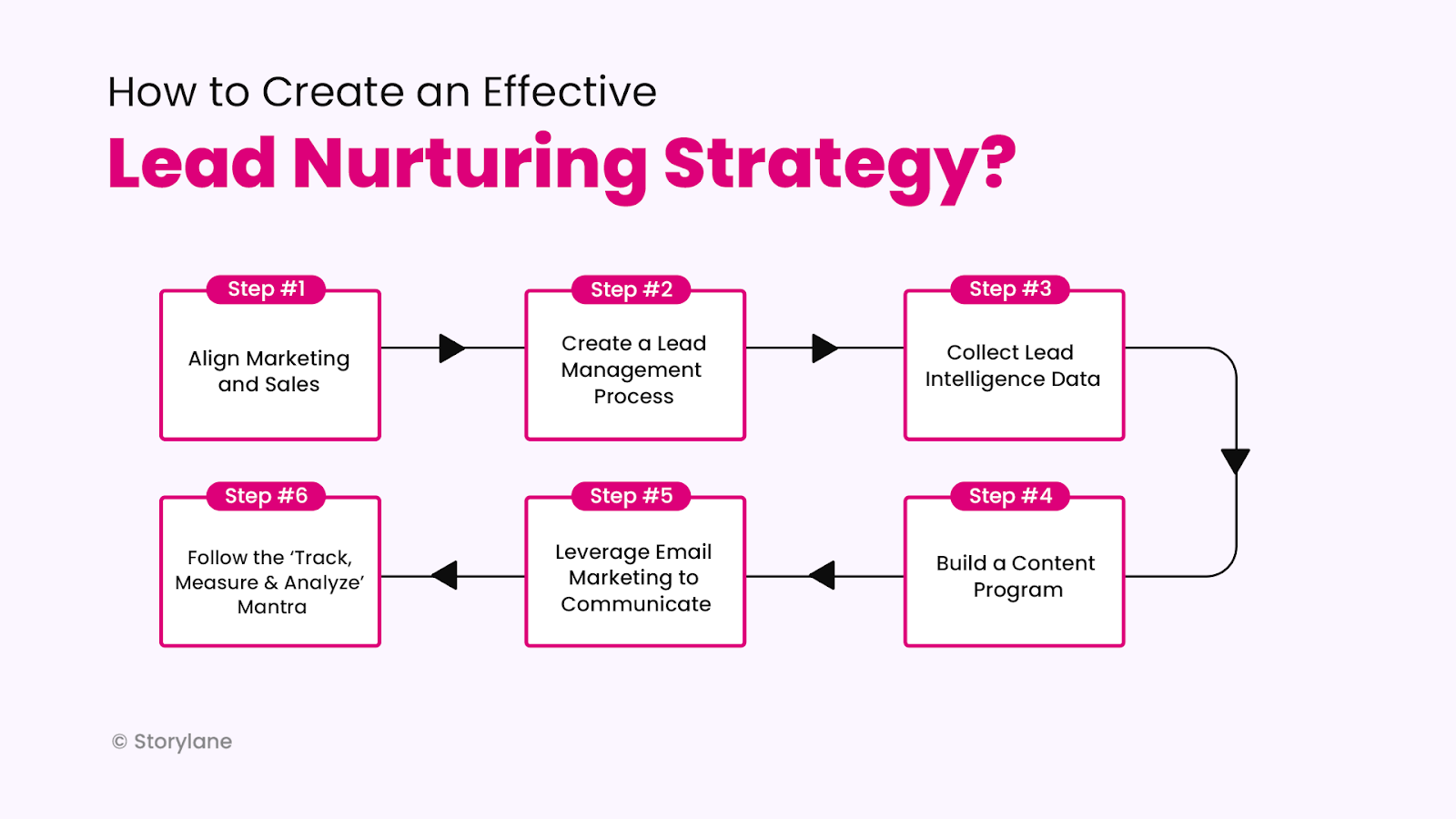
A follow-up sequence is a planned set of messages sent after a lead shows interest.
It can happen through WhatsApp, email, SMS, phone calls, Instagram DMs, or CRM automation.
Here is a simple sequence you can adapt.
Day 0: Respond immediately
Goal: acknowledge and qualify.
Message:
“Thanks for reaching out. I can help with this. To recommend the right option, what result are you looking for, and when do you need it?”
Same day: Send the recommendation
Goal: guide the decision.
Message:
“Based on what you shared, I recommend the Premium Setup because it includes planning, delivery, and follow-up support. The investment is [price], and the next step is [deposit/payment/booking call].”
Day 1: Send proof
Goal: build trust.
Message:
“Here is an example of a similar client situation and how we handled it. This may help you see what is included and what the final result can look like.”
Day 3: Answer a likely objection
Goal: remove friction.
Message:
“Many clients ask whether this can be adjusted to fit a smaller budget. Yes, but the best way is to reduce scope, not reduce quality. I can show you the leaner option if that works better.”
Day 5 or 7: Send a useful reminder
Goal: bring the decision back to attention.
Message:
“Just checking in before we close this week’s bookings. If you still want to move ahead, I can send the payment details or help you choose between the two options.”
Day 14: Move to nurture
Goal: stop chasing, keep the relationship.
Message:
“I’ll leave this open for now. I’ll also keep sharing useful tips that may help you plan better. When you are ready, you can reply here and we’ll pick it up from your last details.”
This sequence works because it respects the buyer while protecting your time.
You are not begging. You are guiding.
How Email Nurture Helps Leads Who Are Not Ready Yet
Email nurture is useful for leads who need more time before they buy.
This includes people who downloaded a lead magnet, joined your list, attended a webinar, requested a guide, or signed up for updates.
Mailchimp explains that lead magnets are used to encourage potential customers to share contact information in exchange for something valuable, allowing the business to continue communicating with them and move them toward conversion. (Mailchimp)
That exchange should not end with the download.
If someone downloads your checklist and never hears from you again, you have generated a contact, not nurtured a lead.
Email 1: Deliver the promised resource
Do not make the lead search for what they requested.
Send the resource immediately and set expectations.
Example:
“Here is the checklist you requested. Over the next few days, I’ll also send you three practical ways to use it so you can avoid the most common mistakes.”
Email 2: Explain the problem behind the problem
Help the lead understand why their issue keeps happening.
Example:
“Most businesses do not lose leads because people are uninterested. They lose leads because the next step is unclear, proof is weak, or follow-up happens too late.”
Email 3: Share a practical framework
Give them something useful they can apply.
Example:
“Use this three-part follow-up structure: acknowledge the inquiry, recommend the next step, and send proof.”
Email 4: Show proof
Share a testimonial, before-and-after, mini case example, review, or common result.
Keep it specific.
Do not only say, “Our clients are happy.” Explain what changed.
Email 5: Make a relevant offer
After value and proof, introduce the paid next step.
Example:
“If you want help building a follow-up sequence for your own business, you can book a lead nurturing audit. We’ll review your inquiry flow, messages, response timing, and missed conversion points.”
Email 6: Handle objections
Address the hesitation directly.
Examples:
“You do not need expensive software to start.”
“You do not need a large email list.”
“You do not need to follow up forever.”
“You need a simple system that matches how your buyers actually decide.”
A good email nurture sequence does not shout “buy now” every day. It builds enough trust that the buying invitation feels like a logical next step.
Why Lead Magnet Strategy Fails Without Nurturing
A lead magnet is not the strategy.
A lead magnet is the entry point.
Many businesses create a free checklist, guide, webinar, discount, quiz, or consultation offer and expect leads to convert automatically. But a person who accepts free value may still need time, education, trust, and a reason to take the next step.
HubSpot notes that lead magnets can include checklists, quizzes, templates, and other useful resources designed to attract potential buyers and create a path for further engagement. (HubSpot Blog)
The mistake is treating the lead magnet like the finish line.
Weak lead magnet strategy
“Download our free guide.”
Then nothing.
No welcome email.
No follow-up question.
No segmentation.
No proof.
No offer.
No reminder.
No sales path.
Strong lead magnet strategy
“Download our free guide.”
Then:
Deliver the resource.
Explain how to use it.
Ask what problem they are trying to solve.
Share a relevant example.
Invite them to a low-pressure next step.
Follow up based on their behavior.
Move inactive leads into longer-term nurture.
The lead magnet should create a conversation, not just a contact list.
WhatsApp Follow-Up for Markets Where Conversations Drive Sales
For many small businesses, WhatsApp is where the real sale happens.
A lead may discover you on Instagram, Google, a flyer, referral, or event, but the buying conversation often moves to WhatsApp. That means your WhatsApp follow-up must be structured.
Random replies create random conversion.
Use saved replies
Create saved messages for common situations:
First inquiry
Price request
Package explanation
Proof/testimonial
Payment steps
Follow-up reminder
Objection response
Unavailable dates
Referral request
Saved replies help you respond faster without sounding careless.
Use labels or folders
Organize leads by stage:
New inquiry
Waiting for details
Quote sent
Payment pending
Booked
Not ready
Follow up later
Wrong fit
This stops leads from disappearing simply because you forgot to reply.
Use status updates strategically
Your WhatsApp status can nurture leads quietly.
Post:
Customer proof
Behind-the-scenes process
FAQs
Booking reminders
Available slots
Before-and-after examples
Common mistakes
Short tips
Testimonials
Some leads will not reply immediately, but they are still watching. Status content keeps your business present without direct pressure.
The Difference Between Following Up and Chasing
Following up is not the same as chasing.
Chasing is desperate, vague, and centered on your need to close the sale.
Nurturing is useful, specific, and centered on helping the buyer make a better decision.
Chasing sounds like this
“Hello?”
“Still interested?”
“Please reply.”
“Are you buying or not?”
“I have not heard from you.”
“Madam, you disappeared.”
These messages often create guilt or irritation, not trust.
Nurturing sounds like this
“Just checking in because your event date is approaching, and early confirmation helps us plan delivery properly.”
“Here is a similar example that may help you compare the two package options.”
“If budget is the concern, the smaller package may be a better fit than reducing the quality of the main one.”
“I’ll leave this open for now. When you are ready, you can reply here and I’ll continue from the details you already shared.”
Nurturing keeps dignity on both sides.
A Lead Nurturing System You Can Build This Week
You do not need to wait until you have expensive software.
Start with a simple system.
Step 1: List your lead sources
Where do leads come from?
Instagram DMs
WhatsApp referrals
Website forms
Google Business Profile
Email list
Lead magnet downloads
Events
Walk-ins
Phone calls
Paid ads
Partner referrals
Each source may need a slightly different response.
A referral lead may already trust you more.
A paid ad lead may need more proof.
A lead magnet subscriber may need education.
A price-shopper may need value clarification.
Step 2: Create your first-response templates
Write three to five strong first replies.
For example:
“Thanks for reaching out. I can help. To recommend the best option, what result are you looking for and when do you need it?”
“Thanks for your interest. The price depends on scope, timing, and support level. I’ll ask two quick questions so I can send the right option instead of guessing.”
“Thanks for downloading the guide. What part of this are you trying to improve in your business right now?”
Step 3: Create your proof bank
Collect:
Testimonials
Screenshots
Before-and-after photos
Client results
Process videos
FAQs
Portfolio samples
Delivery photos
Reviews
Common objections and answers
A proof bank makes follow-up faster because you are not searching every time a lead hesitates.
Step 4: Set follow-up reminders
Use a spreadsheet, CRM, calendar, WhatsApp labels, or task app.
Track:
Lead name
Source
Problem
Offer discussed
Date of inquiry
Last response
Next follow-up date
Status
Notes
The U.S. Small Business Administration recommends that marketing plans define goals, action plans, budgets, and ways to measure whether marketing creates revenue. (Small Business Administration) For small businesses, lead follow-up is part of that measurement because missed follow-up turns marketing spend into wasted attention.
Step 5: Decide when to stop direct follow-up
Do not chase forever.
A simple rule:
Follow up directly three to five times if the lead showed strong interest.
Move them into longer-term nurture if they do not respond.
Remove or ignore leads that are rude, unqualified, or clearly wrong-fit.
This protects your energy and keeps your pipeline clean.
The Follow-Up Sequence Template
Here is a practical seven-touch sequence.
Touch 1: Immediate reply
“Thanks for reaching out. I can help with this. What result are you looking for, and when do you need it?”
Touch 2: Recommendation
“Based on what you shared, I recommend [offer/package] because [reason]. The investment is [price], and the next step is [action].”
Touch 3: Proof
“Here is an example of similar work we handled. This should help you see what the process and outcome look like.”
Touch 4: Objection support
“If you are still comparing options, the main thing to check is [important buying criteria]. That will help you avoid choosing only by price.”
Touch 5: Reminder
“Just checking in because [real deadline/availability reason]. Would you like me to hold the slot or send the payment details?”
Touch 6: Value
“No pressure if you are still deciding. Here is a quick tip that may help: [useful advice related to their problem].”
Touch 7: Close the loop
“I’ll close this inquiry for now so I do not keep disturbing you. When you are ready, reply here and I’ll continue from the details you already shared.”
This final message is powerful because it removes pressure while leaving the door open.
The Real Reason Leads Ghost You
Most leads do not ghost because they hate your business.
They ghost because the buying path is weak.
They showed interest, but you did not deepen it.
They asked for information, but you did not guide them.
They hesitated, but you did not answer the fear.
They got distracted, but you did not follow up with value.
They compared options, but you did not clarify your difference.
They downloaded your lead magnet, but you did not build the relationship.
Lead nurturing fixes that gap.
It turns scattered attention into a structured journey. It helps leads understand the problem, trust your business, compare your offer properly, and take the next step when they are ready.
You do not need to pressure people harder.
You need to follow up better.
Because interest is not commitment. Silence is not always rejection. And many of the leads you think disappeared may simply need a clearer reason to come back.


