


Tech and Social Media landscape is moving at breakneck speed, and staying updated is more critical than ever. This week has brought massive announcements bridging the gap between artificial intelligence automation, user interface design, and social media advertising. Whether you are a creator, developer, or digital marketer, these new updates are bound to change how you work and engage with your audience.
Here is everything you need to know about the latest industry news.
1. Anthropic’s Claude Gets Smarter with “Autodream” and “Dispatch”
Anthropic has recently pushed the boundaries of what its AI assistant, Claude, can do, introducing two game-changing features aimed at improving workflows and memory management.
Autodream Memory Files
If you use AI for complex, multi-session projects, you are likely familiar with “memory bloat” when an AI remembers so much unstructured data that it loses context and efficiency.
Anthropic is tackling this with a new background sub-agent called Autodream. Working autonomously, Autodream acts much like human sleep consolidation. It actively consolidates, prunes, and reorganizes Claude’s memory files across sessions. By seamlessly stripping away redundant data and preserving vital context, Autodream ensures that each new prompt begins with a clean, streamlined memory state, allowing for much faster and more accurate recall.
Cross-Device Task Execution via “Dispatch”
In a massive leap for workflow automation, Claude introduced Dispatch, a feature nested within its new “Cowork” suite.
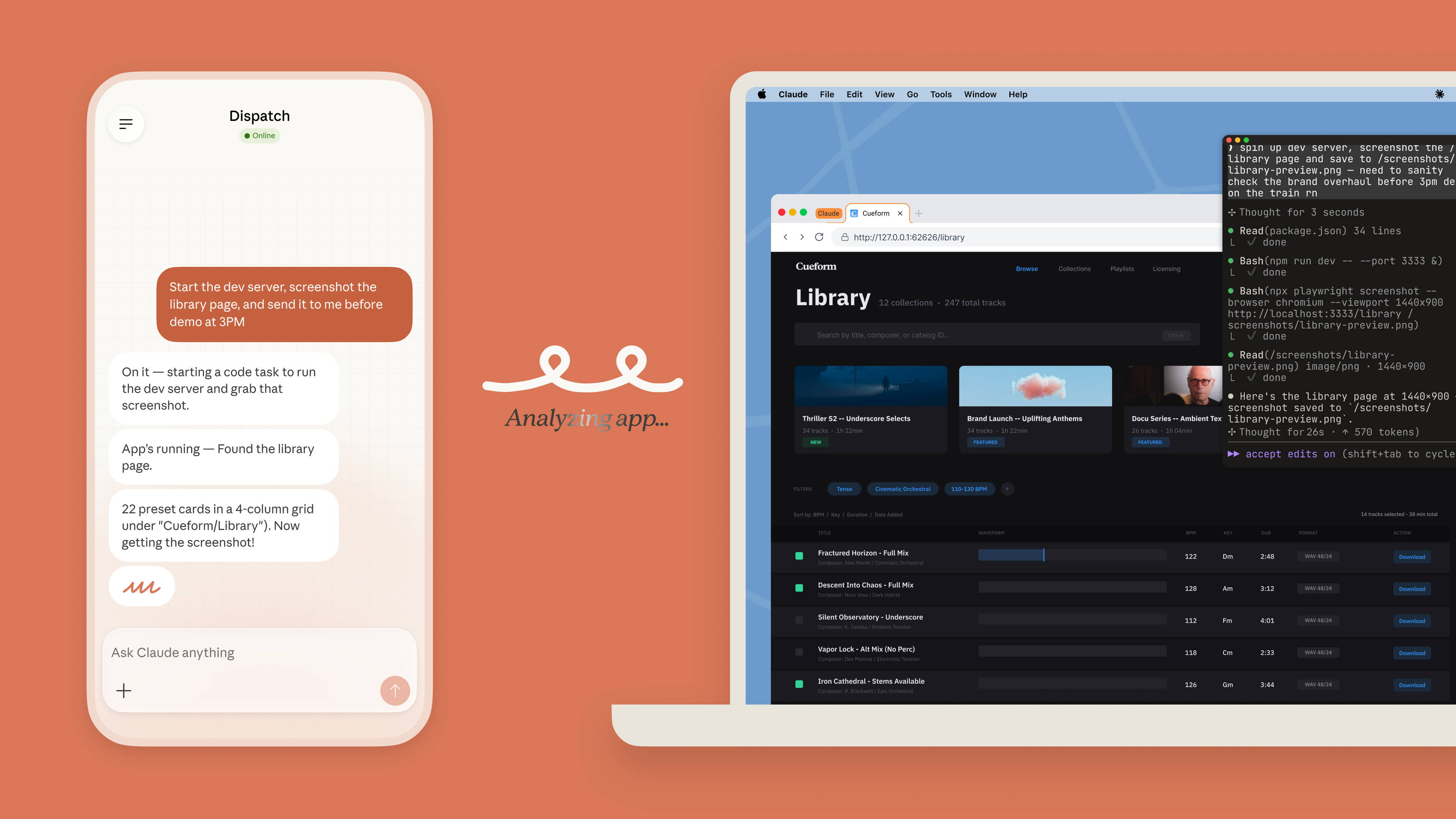
Dispatch allows you to send a task to Claude directly from your mobile phone and have the AI physically execute it on your laptop using its computer use capabilities. For instance, you can ask Claude via your phone to pull receipts from your desktop files and organize them into a spreadsheet. As long as your computer is awake, Claude operates remotely in the background, utilizing your desktop applications and integrations, and notifies you when the task is finished.
2. Google Unveils “Stitch” – The AI “Vibe Design” Tool
Google Labs is aiming to overhaul the software design process with a new tool called Stitch, introducing a concept the company refers to as “vibe design”,. Traditionally, building user interfaces requires wireframes, design mockups in platforms like Figma, and front-end coding. Stitch disrupts this by allowing anyone to design high-fidelity UIs using natural language,.
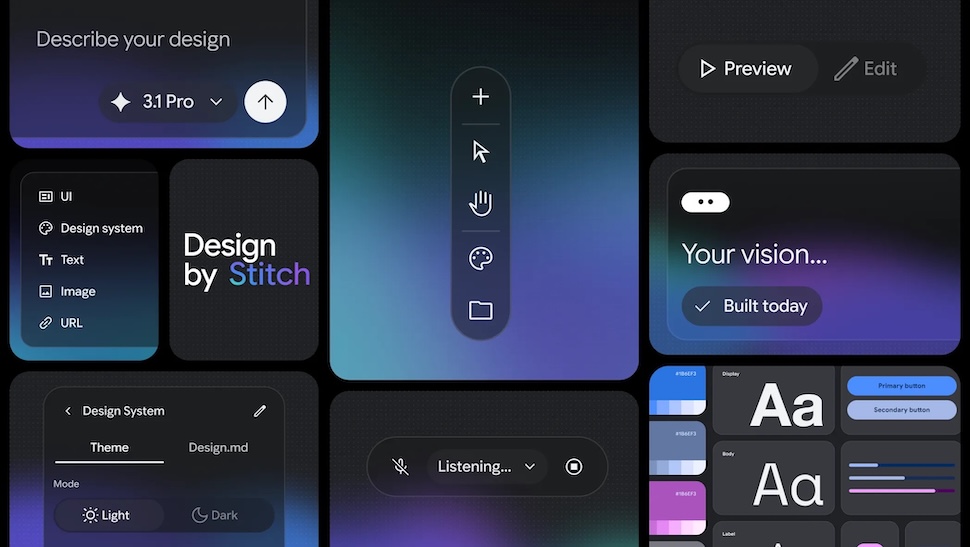
Powered by Gemini, Stitch acts as an AI-first design assistant featuring an infinite canvas,. Instead of plotting out exact visual blueprints, users can share their intent, emotions, or business goals, and Stitch will instantly generate interactive, editable design screens,. You can even interact with Stitch via voice commands, effectively turning it into a real-time collaborative sounding board for immediate critiques and iterations. Once the design is finalized, Stitch can export the layout into front-end code specifically structured for professional engineering pipelines.
3. Instagram Finally Allows Users to Rearrange Carousel Posts
Addressing one of the most long-standing user requests, Instagram officially announced that creators can now rearrange the order of photos and videos within their carousel posts after they have been published.
Using a simple “long press and drag” mechanism, users can effortlessly reorder their published content to ensure it perfectly aligns with their creative vision without having to delete and re-upload the entire post,. However, Instagram noted a specific limitation: while you can reorder existing media, you cannot add new photos or videos to an already published carousel. Given that carousel posts currently achieve roughly 12% more engagement per post compared to standard formats, this long-awaited flexibility is expected to encourage creators to experiment more aggressively with their content sequencing.
4. Snapchat Rolls Out New Ad Options to Increase In-App Presence
Snapchat is actively looking to secure more advertising investment by rolling out several new, high-impact promotional options designed to capitalize on its highly engaged, younger audience,.
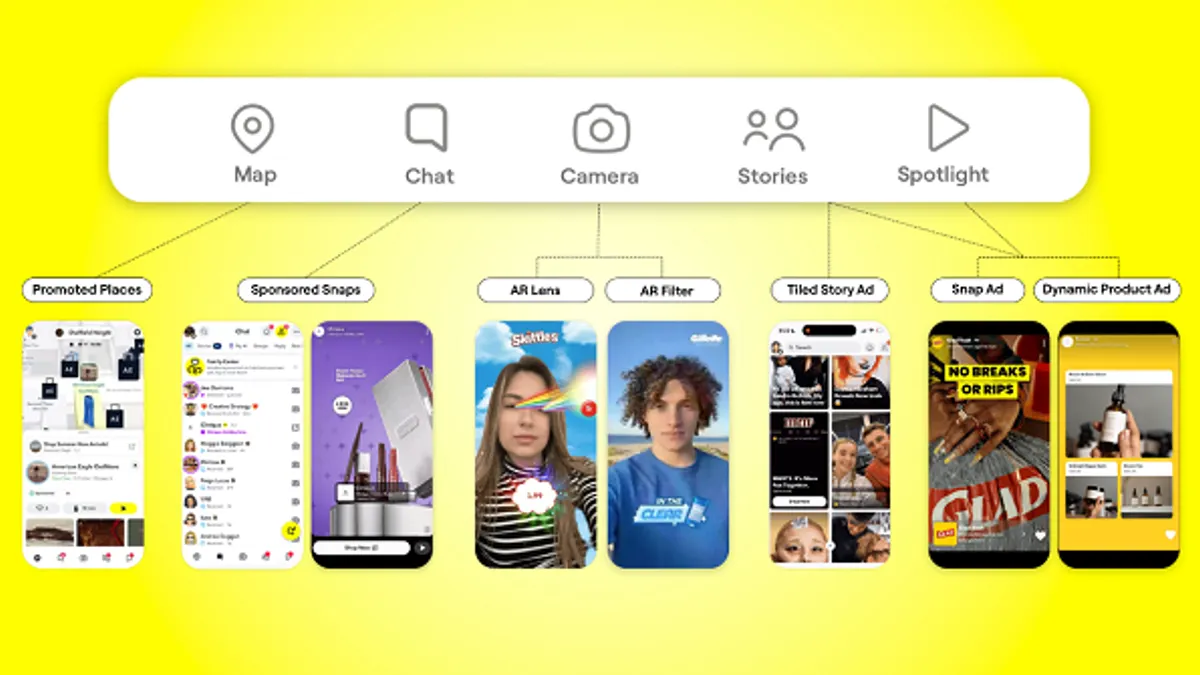
To give brands maximum visibility, Snapchat introduced Total Snap Takeovers, an ad format that ensures an advertiser holds the premier ad spot across every single tab within the application. This is particularly geared toward driving massive brand awareness during major product launches or specific events.
Additionally, Snapchat is leaning into app marketers with the newly launched Sponsored Snaps which allows promotional messages to appear directly within the user’s Snap inbox alongside messages from friends. They also announced improvements to their Dynamic Product Ads (DPAs) and are testing Vertical Carousel Ads and Product-Level Video Ads to shorten the consumer path from initial engagement to final transaction.
5. LinkedIn Urges Marketers to “Cut the Bullspend”
In the B2B marketing sphere, LinkedIn has launched a fresh, sharp-witted promotional campaign targeting marketing professionals directly. Dubbed the “Cut the Bullspend” campaign, LinkedIn is utilizing an uncharacteristically humorous and blunt tone to challenge the industry’s obsession with vanity metrics.

The core message of the creative rollout is clear: B2B marketers need to stop wasting their budgets on metrics that look good on paper but do not drive real business value. By encouraging marketers to redirect their focus toward genuine, measurable business impact, LinkedIn is positioning its own advertising platform as the premier destination for high-quality, conversion-oriented B2B marketing over superficial engagement.
Conclusion
From Claude functioning as a remote employee on your laptop, to Google allowing us to “vibe” our way into application design, AI’s practical utility is growing exponentially. Meanwhile, as social giants like Instagram, Snapchat, and LinkedIn refine their creator tools and advertising networks,,, businesses and content creators have more power than ever to engage their audiences authentically and effectively. Stay tuned as we continue to track how these massive updates reshape the digital ecosystem!


