


But here is the surprising truth. Among all the tech solutions for Black-owned businesses, CRM comes first for a reason. It is the foundation that helps everything else make sense. CRM brings order into the picture by centralizing your clients, conversations, follow-ups, and sales process. Once your relationships are organized, every other tool works better, from email marketing to bookkeeping to social media.
A CRM is not about having fancy software. It is about giving yourself room to breathe and run your business with clarity and structure.
Why CRM Comes First Among Tech Solutions for Black-Owned Businesses
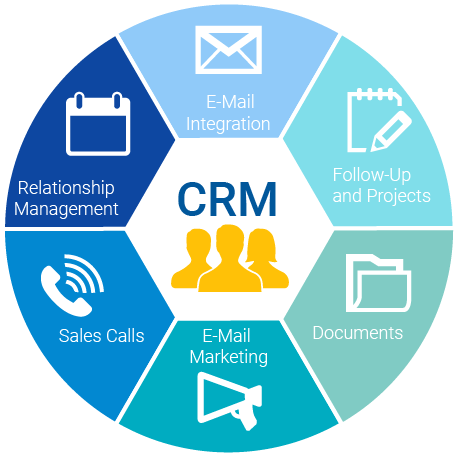
Before diving into websites, analytics tools, or automation systems, you need something that helps you track relationships and revenue. That is exactly what CRM delivers. For Black entrepreneurs navigating tight budgets and demanding markets, CRM offers structure that saves time and increases profit.
Here is why it matters so much:
- You know your customers better. No more hunting through messages or guessing what someone asked last week.
- You track your leads clearly. Every potential client has a spot, not a forgotten note on your phone.
- You follow up consistently. Automated reminders do the heavy lifting for you.
- You see what works. Data shows you your best marketing channels and customer patterns.
- You reduce chaos. One system replaces ten scattered tools.
According to HubSpot’s 2024 CRM report, 78 percent of small businesses that adopt CRM experience measurable growth within the first year.
The Role of CRM in Strengthening Customer Relationships
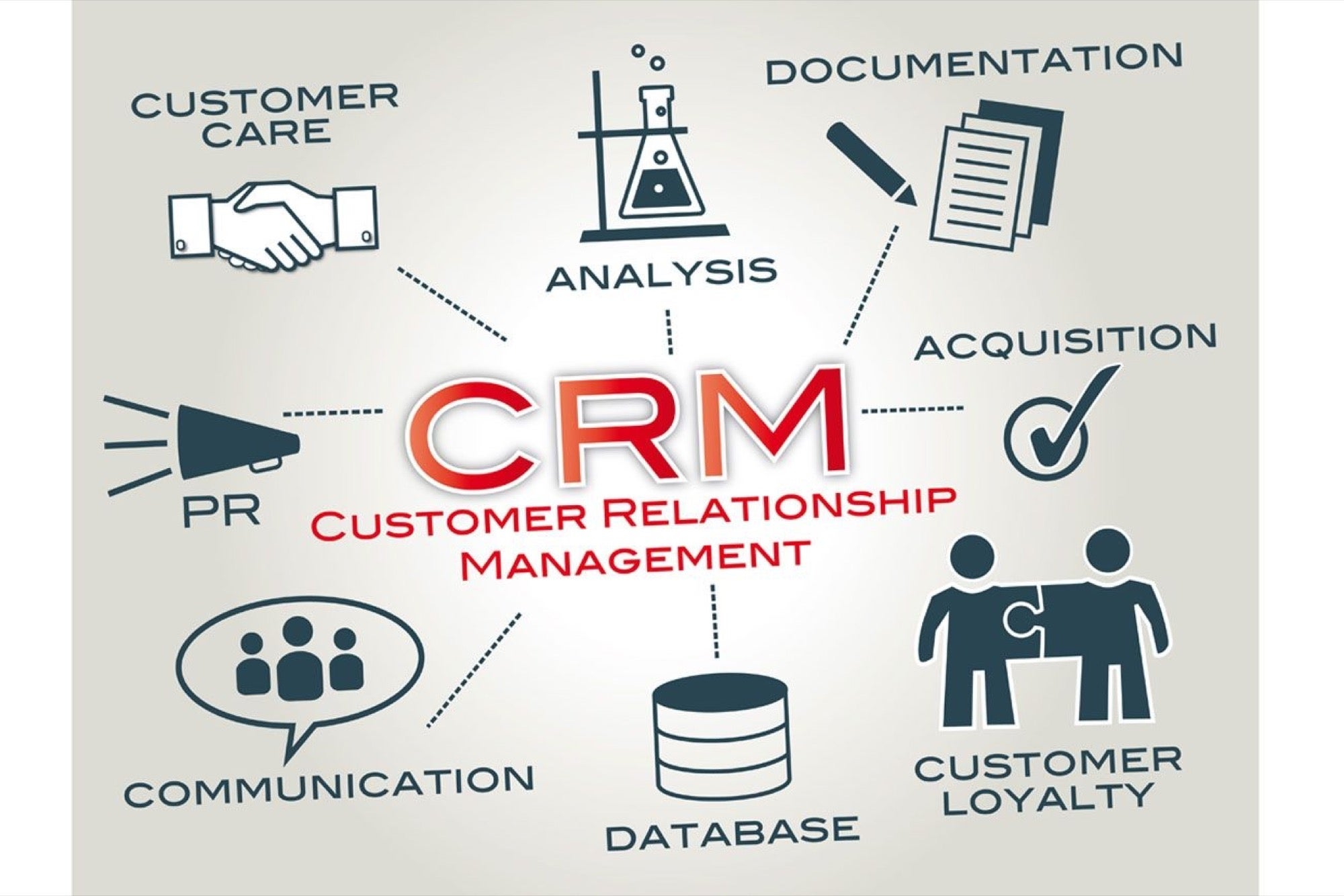
Strong businesses are built on strong relationships. For many Black-owned businesses, reputation travels through close-knit communities, family networks, and online word-of-mouth. CRM helps keep those relationships organized and intentional.
A CRM allows you to store everything you need to know about your customers:
- Contact details
- Past purchases
- Preferred communication channels
- Notes from past conversations
- Support history
- Special dates or preferences
This information lets you connect with customers in ways that feel genuine and personal. You are not just selling. You are showing that you care and that you pay attention. In markets where trust determines loyalty, CRM becomes a powerful advantage.
How CRM Sets the Foundation for All Other Tech Solutions
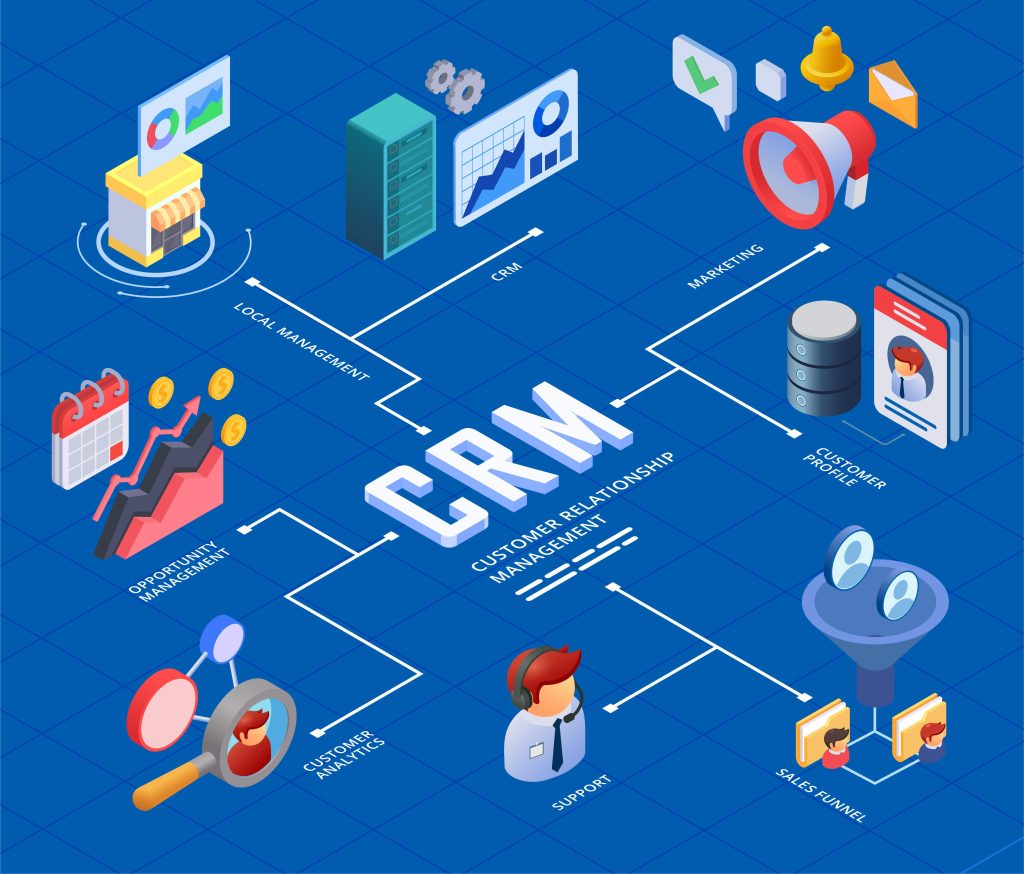
Most entrepreneurs add tools randomly: accounting systems here, social media schedulers there, booking apps somewhere else. The problem is that none of these tools talk to each other when there is no central system.
CRM plays the role of the anchor. Here is how it supports other tools:
1. Marketing Tools Sync Better
Email marketing platforms, social media schedulers, and ad platforms perform better when they have clean customer data. A CRM acts as the source of truth.
2. Sales Tools Become Simpler
With CRM, your pipeline is already structured. So tools like invoicing or online payments integrate naturally.
3. Customer Service Tools Gain Context
Support platforms like Zendesk or Freshdesk need customer history to offer high-quality service. CRM provides that history.
4. Analytics Tools Have Better Data
Your CRM stores behavior trends, lead sources, and conversion patterns, which help with forecasting and growth planning.
5. Financial Tools Sync More Cleanly
Bookkeeping platforms like QuickBooks or Wave pull customer and transaction data directly from CRM, giving you cleaner records with less manual work.
In short, CRM makes your entire digital ecosystem work together instead of working against you.
Key CRM Features That Drive Growth for Black-Owned Businesses
CRM platforms come with dozens of features, but you only need a few core ones to transform your business.
Contact Organization
Clean customer records reduce confusion and make follow-ups easier. You know exactly who your customers are and what they need.
Sales Pipeline Tracking
Visual boards help you see which leads are hot, warm, or cold. It becomes easier to prioritize your energy.
Automated Follow-Ups
No more forgetting to reply. Your CRM can send reminders, emails, or notifications at the right time.
Customer Segmentation
Group clients by spending habits, interests, location, or engagement patterns to improve your marketing.
Reporting and Insights
Dashboards help you spot trends. Which offers perform best? Which clients bring the most revenue? What sales stages get stuck?
These insights help you stop guessing and start planning with precision.
Examples of How CRM Works in Real Life
Let’s imagine a few typical business scenarios:
Scenario 1: A small catering business
Every lead from Instagram, WhatsApp, or your website enters one CRM pipeline. The CRM sets reminders for tasting sessions or quotes. You track which customers return for events.
Scenario 2: A fashion brand
You tag customers by size, style preferences, or purchase behavior. Your CRM sends targeted messages whenever new items drop.
Scenario 3: A consulting service
Each client has a profile with notes from calls, documents shared, follow-up tasks, and contract status. Your CRM shows where each client is in the onboarding journey.
These examples show something simple but powerful. CRM gives structure to everyday business chaos.
How to Choose the Right CRM for Your Business
You do not need the fanciest tool. You need the one that fits your workflow. Here is what to consider:
- Ease of use
- Cost
- Mobile app quality
- Integration with tools you already use
- Scalability
- Customer support
- Customization options
Good beginner-friendly CRM platforms include:
HubSpot CRM, Zoho CRM, Pipedrive, Freshsales, and Monday CRM.
Each of these tools offers free plans or low-cost tiers that work well for small and growing Black-owned businesses.
Implementation Tips to Make CRM Work Smoothly
- Start with your contacts and sales pipeline.
- Import data from your phone, email, and existing tools.
- Set up three to five simple automations.
- Train your team or partners, even if it is informal.
- Review CRM data weekly to stay organized.
CRM is most powerful when you use it consistently, not perfectly.
The Long-Term Impact of CRM on Black-Owned Businesses
CRM helps Black entrepreneurs build systems instead of relying on memory or manual processes. Over time, this leads to:
- Higher customer retention
- Better profit margins
- More consistent sales
- Reduced workload
- A business that feels structured instead of chaotic
According to Nucleus Research, CRM delivers an average ROI of $8.71 for every $1 spent.
That kind of return can change the trajectory of a business, especially one growing on limited resources.
Conclusion
CRM is not just another tool. It is the heartbeat of your business technology. For many Black-owned businesses, it is the difference between feeling overwhelmed and feeling in control. Once you adopt CRM, every next tech solution becomes easier to use and more effective. It gives your business structure, clarity, and the ability to scale with confidence.
If you are ready to build a stronger foundation for your business, start with a CRM today. Pick a simple tool, import your contacts, and let structure replace stress. If you want, I can help you compare CRM platforms or map out a workflow that fits your business perfectly.


