

If you’re creating ads or consuming them, understanding these stereotypes is important for both ethical and practical reasons. They influence how people view themselves and others, and they affect how well your campaigns actually work.
You may have seen an ad where a woman is shown only doing housework, or an older person depicted as out of touch with technology. These are not just lazy choices; they reinforce stereotypes. Research shows that such portrayals can harm self-image, limit aspirations, and even reduce ad effectiveness. (PMC)
In the sections below, we’ll walk through five major examples of stereotypes in advertising, dissect them carefully, then draw lessons you can use for your next campaign.
What Are Stereotypes in Advertising?
Stereotypes in advertising are simplified and overgeneralized portrayals of a group of people, often based on gender, race, age, occupation, or other social categories. They appear because advertisers rely on easy shortcuts. They assume audiences will recognise certain roles immediately. For example, showing a man fixing a car and a woman cooking dinner is a stereotype of gender roles.
These portrayals can be harmful because they:
- Reinforce narrow views of what people can or should do
- Make large parts of your audience feel unseen or mis-represented
- Risk turning people off your brand if they feel stereotyped or pigeonholed
Studies show that ads with non-stereotypical portrayals often lead to stronger brand attitudes. (Stockholm School of Economics)
Now let’s examine five specific types of stereotypes in advertising and what we can learn from them.
1. Gender Role Stereotypes in Advertising
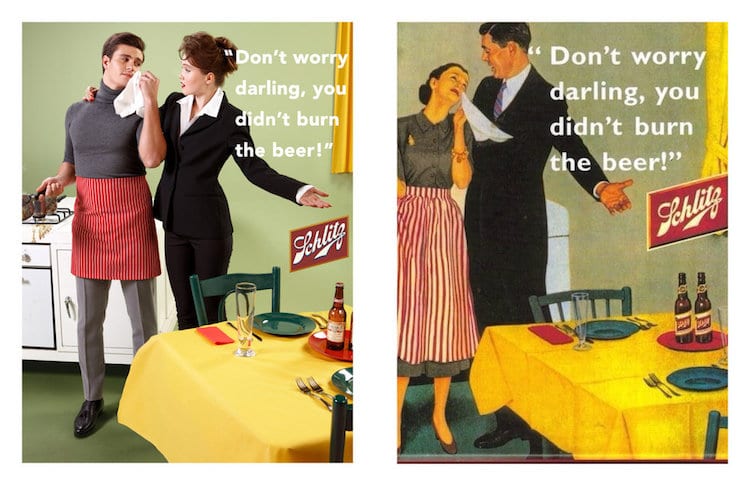
What this looks like
One of the most persistent stereotypes in advertising is gender role stereotyping. For decades, women have been shown as homemakers, caretakers, or beauty objects, while men are often shown as strong, dominant, or rational decision-makers. (Campaigns of the World)
Examples include:
- A woman cleaning or cooking happily while her husband relaxes
- A man never shown doing childcare, always shown doing “serious work”
- Toys marketed to girls being pink and focused on beauty, while toys for boys focus on building and action. (shEqual)
Why this matters
These portrayals send messages about what roles are “right” for men or women. They limit perceptions of what people can do. Research shows exposure to stereotypical gender ads is linked to more traditional role attitudes and lower self-esteem among women. (PMC)
What brands get wrong
- Assuming “all women love pink, shopping, and domestic work”
- Ignoring the fact that many men are primary caregivers
- Using hyper-masculine portrayals that feel outdated or tone-deaf
What to learn and do instead
- Show gender roles that match real life: men cooking, women working, anyone doing chores.
- Use diverse representations: different ages, ethnicities, gender identities.
- Focus on agency and choice, not just roles.
- Test how your audience reacts to non-traditional portrayals—some research shows better memory when ads break stereotypes. (PMC)
2. Racial and Ethnic Stereotypes in Advertising
What this looks like
Stereotypes in advertising based on race or ethnicity include using caricatures, exoticising cultures, or under-representing minority groups. For example, the “mammy” stereotype in US-food branding depicted Black women as domestic servants. (Wikipedia)
Other examples: minorities shown only in service roles, or exotic visuals used to sell travel or fashion. Research shows minority groups often appear less frequently or in more negative roles. (Penn State University Honors Library)
Why this matters
These stereotypes limit cultural representation and can damage brand credibility. They also contribute to systemic biases in media and society. When people don’t see themselves properly represented, they may feel invisible or devalued.
What brands get wrong
- Using ethnic imagery just as a “flavour” without meaningful inclusion
- Showing minority individuals only in subordinate roles
- Ignoring language, culture, or context in local markets
What to do instead
- Include real voices from the communities you represent
- Use inclusive imagery that reflects everyday diversity
- Avoid using cultural symbols as decorative clichés
- Partner with creators from those communities to ensure authenticity
3. Age and Generational Stereotypes in Advertising
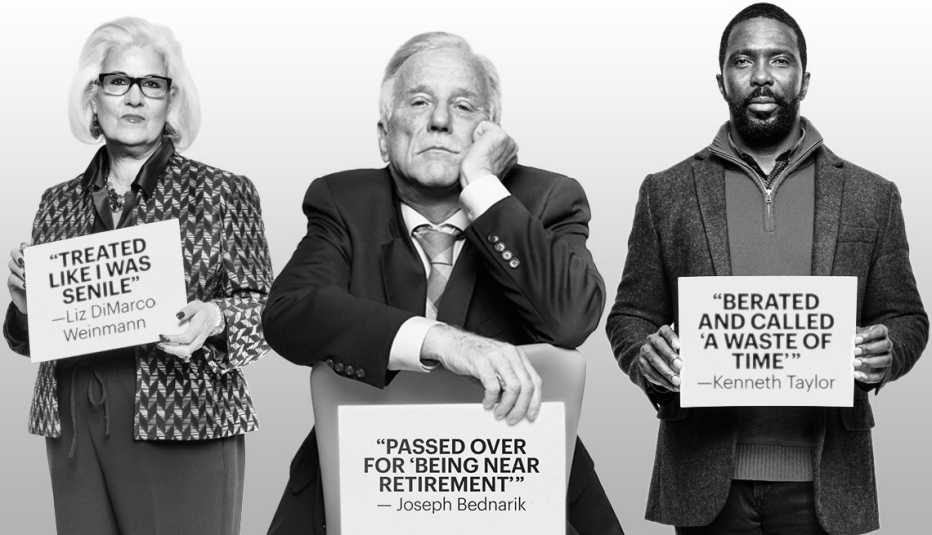
What this looks like
Another common set of stereotypes in advertising involves age. Older people are often shown as out-of-touch, lonely, or technologically incompetent. Younger people may be shown as frivolous or irresponsible. For example, one UK study found older people think ads portray them as grumpy or irrelevant. (The Guardian)
Why this matters
Age stereotypes limit relevance of your brand. If older customers feel your ads ignore them, you lose loyalty. Younger customers may feel dismissed or mis-targeted. Plus, portraying people wrongly weakens trust.
What brands get wrong
- Showing older people only in “care home” or “insurance” contexts
- Using youth imagery for everything and ignoring mature customers
- Using memes or slang that alienate older viewers, or tone-deaf humour
What to do instead
- Show a range of ages doing meaningful things: older people working, travelling, embracing life
- Use language and visuals that respect each generation
- Test your ad treatments across age groups
4. Occupational and Role Stereotypes in Advertising
What this looks like
Stereotypes in advertising also include showing certain genders or races only in specific occupations. For example, women as secretaries, men as engineers. Some academic work studied how even AI sentiment models reflect those biases. (arXiv)
Why this matters
When ads reinforce occupational stereotypes, they limit aspirations and reduce perceived possibilities. They also may reduce credibility if your audience sees them as outdated.
What brands get wrong
- Using visuals that default to “man at computer”, “woman with notebook”
- Assuming career-gender mapping is fixed
- Ignoring diverse talent in creative and promotional roles
What to do instead
- Show diverse roles: women in STEM, men in caregiving, etc.
- Use authentic employee stories or case studies
- Avoid generic role visuals—update stock imagery to reflect modern workplace
5. Body Image, Beauty, and Gender Expression Stereotypes in Advertising

What this looks like
An important area of stereotypes in advertising deals with beauty and body image. Ads often show idealised bodies, gendered beauty norms, or rigid expressions of masculinity/femininity. For example, ads that portray thin women as the ideal, or men as always muscular. Studies show that people remember non-stereotypical ads more strongly. (PMC)
Why this matters
These portrayals shape self-image, confidence, and brand perception. When audiences feel they don’t measure up, they may disengage from the brand. Also, regulatory bodies are increasingly scrutinising beauty stereotypes.
What brands get wrong
- Only casting young, thin, conventionally attractive models
- Presenting one definition of beauty for all
- Ignoring gender fluidity or changing beauty standards
What to do instead
- Include different body types, ages, ethnicities, gender expressions
- Use real-world stories and testimonials
- Focus on authentic narratives rather than perfection
Lessons and Takeaways from These Stereotypes in Advertising
Now that we’ve covered five major areas of stereotypes in advertising, let’s draw some actionable lessons:
- Use audit tools: Evaluate your current campaigns for stereotypical portrayals—gender roles, age, race, occupation.
- Involve diverse voices in your creative process: cast diverse talent, include writers and producers from different backgrounds.
- Test for perception: Use focus groups or surveys to check how your ad is received by different segments.
- Align with modern values: Representation matters. Consumers increasingly expect brands to reflect real diversity. Studies show nearly half of people feel stereotyped by ads. (EMARKETER)
- Educate your team: Make stereotype awareness part of your marketing culture.
- Lead with authenticity: Real stories and genuine representation build trust better than token diversity.
Why Addressing Stereotypes in Advertising Helps Your Brand
Addressing and reducing stereotypes in advertising is not just about doing the right thing—it has clear benefits:
- Better brand image and loyalty
- Wider audience appeal
- Fewer mis-steps or controversies
- More inclusive culture that attracts talent and partners
- Improved campaign performance because people feel seen and respected
Research also suggests that non-stereotypical ads lead to higher scores in ad attitude and purchase intention. (Stockholm School of Economics)
How to Start Practically: Your Campaign Checklist
- Review your visuals: Do they rely on default stereotypes?
- Check your language: Are you using gendered, age-ist, or role-bound language?
- Map representation across roles: Do you show only one type of person in certain jobs?
- Use inclusive casting: Reflect the real world—different ages, ethnicities, body types.
- Include real context: Use actual stories, not clichés
- Test and measure: Use feedback, analytics, and adjust accordingly
- Document and share: Build a guideline for your team for future campaigns
Final Thoughts
Tackling stereotypes in advertising is not about removing all archetypes, it’s about recognising when you rely on oversimplified, limiting portrayals that alienate audiences or reduce your brand’s authenticity. By examining these five core examples and learning how to avoid them, you’re better positioned to create campaigns that resonate, respect, and reflect real people.


