


Upsell Timing: When Is the Best Time to Offer the Next Service or Product?
The best time to sell more is when the customer already feels good about the first purchase.
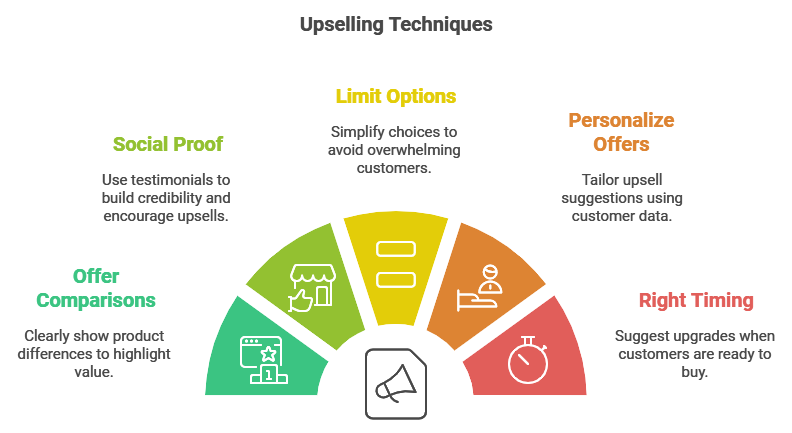
That sounds simple, but many small businesses get upsell timing wrong. They offer too early, before trust is built. They offer too late, after the customer has emotionally moved on. Or they offer the wrong thing, making the customer feel like the business cares more about the sale than the result.
Good upselling is not about pushing extra products. It is about recognizing when the customer is ready for a better outcome, then showing them the next logical step.
For a salon, that might be a treatment plan after a successful first appointment. For a restaurant, it might be a dessert, private dining package, or birthday booking after a great meal. For a boutique, it might be a matching accessory after the customer has chosen an outfit. For a gym, it might be personal training once a member has built consistency.
The goal is not simply to increase one transaction. It is to increase customer lifetime value by helping the right customers buy more of what genuinely serves them. Harvard Business School describes customer lifetime value as a way to understand the overall value of a customer base and connect that value to acquisition, retention, and maximization strategies. (Harvard Business School)
Why Upsell Timing Matters
Upsell timing matters because customers are emotionally sensitive after making a decision.
Right after a purchase, the customer is asking themselves: “Did I choose well?” If your next offer supports that decision, it can increase confidence. If it interrupts that confidence, it can create doubt.
This is where many businesses make the mistake of selling too much too soon. A customer buys one service, and immediately they are hit with three more offers. Instead of feeling guided, they feel targeted.
The better approach is to match your offer to the customer’s current level of trust. Early in the relationship, the next step should reduce risk or improve the result. Later in the relationship, the next step can deepen loyalty, increase convenience, or introduce a premium option.
Customer retention is commercially powerful because repeat customers are usually less expensive to sell to than brand-new customers. Harvard Business Review has cited Bain-linked research showing that a 5% increase in customer retention can raise profits significantly, depending on the business model. (Harvard Business Review)
The Best Time to Offer More Is After Value Is Felt
Do not upsell when the customer has merely paid. Upsell when the customer has felt value.
Those are different moments.
A restaurant guest has not felt value when they sit down. They feel it after the food, atmosphere, and service meet or exceed expectations. A boutique shopper has not felt value when they enter the store. They feel it when they see themselves looking good in the product. A gym member has not felt value when they sign up. They feel it when they notice progress, confidence, or routine.
This is why the strongest upsells often happen after a small win.
A customer who just enjoyed a facial is more open to a skincare product because the benefit is visible. A client who just completed a successful brand shoot is more open to monthly content support because they now understand the quality gap. A diner who just enjoyed a meal is more open to booking a private event because trust has already been created.
The timing works because the offer is connected to satisfaction, not pressure.
Signs a Customer Is Ready for the Next Step

A customer rarely says, “Please upsell me now.” They show readiness through behavior.
They Ask Follow-Up Questions
Questions are buying signals.
When a customer asks, “How long will this last?” or “What should I use with this?” or “Do you also handle events?” they are not just making conversation. They are revealing interest, concern, or future intent.
Your job is to answer the question and connect it to a helpful next step.
For example, a salon client asks, “How do I maintain this style?” A weak answer is, “Use good products.” A stronger answer is, “Because your hair dries quickly, use this leave-in twice a week. We also offer a maintenance appointment after three weeks so the style still looks fresh.”
That is an upsell, but it feels like guidance.
They Express Satisfaction
When a customer says, “I love this,” “This was helpful,” “That was easier than I expected,” or “I should have done this earlier,” they are emotionally open.
This is one of the cleanest moments to offer the next step because the customer has already confirmed value.
A boutique owner might say, “I’m glad you love it. For this dress, most customers pair it with a simple gold accessory so the outfit feels complete without looking too busy.”
The offer is relevant because it builds on the customer’s positive reaction.
They Reveal a Bigger Goal
Customers often buy one thing while quietly needing something bigger.
A restaurant guest may be testing the food before booking an event. A gym member may join because they want a full lifestyle change. A real estate client may ask about one property while planning a larger investment. A bride may book makeup while needing hair, nails, styling, photography, and logistics.
Listen for the bigger goal behind the first purchase. The best cross-sell usually connects to that goal.
McKinsey’s work on personalization emphasizes the importance of tailored, timely offers that match customer needs rather than generic campaigns. (McKinsey & Company)
They Return, Reorder, or Rebook
Repeat behavior is one of the strongest readiness signals.
A customer who comes back has already crossed a trust barrier. They are no longer only testing you. They are building a pattern.
This is the right moment to introduce bundles, memberships, subscriptions, retainers, loyalty benefits, or premium versions. A gym can offer a monthly coaching package. A restaurant can introduce catering. A beauty brand can offer a replenishment reminder. A marketing service can move from one-off design to monthly content support.
The key is to frame the offer around convenience, consistency, or better results.
Helpful Ways to Offer the Next Product or Service
A good upsell should feel like the natural continuation of the customer’s goal.
Use the “Because You Chose This” Formula
This formula keeps the offer relevant:
“Because you chose this, the next thing that would help is…”
For example:
“Because you chose the silk press, the next thing that would help is a moisture treatment in three weeks so your hair stays healthy.”
“Because you booked the birthday dinner, the next thing that would help is our private cake and décor add-on so you do not have to coordinate with three vendors.”
“Because you bought the workwear set, the next thing that would help is this neutral blazer, because it gives you three more outfit combinations.”
The phrase works because it connects the offer to the customer’s existing decision. It does not feel random.
Offer One Clear Next Step
Too many options create hesitation.
When customers are satisfied, do not overload them with every service you provide. Recommend the one next step that best fits their situation.
This is especially important for WhatsApp-led selling. Long messages with multiple packages, prices, and conditions can confuse customers. A better message is short, specific, and easy to accept:
“Your skin responded well today. The best next step is one maintenance facial in four weeks. I can reserve the same time next month.”
That message is clear, relevant, and low-pressure.
Time the Offer Around Use, Replenishment, or Progress
Some products and services have a natural repeat cycle.
Skincare runs out. Hair needs maintenance. Fitness progress needs consistency. Restaurant customers celebrate birthdays, anniversaries, meetings, and family events. Business clients need monthly visibility, not one post.
Map your offers around these cycles.
For example, a boutique can follow up two weeks after a purchase with styling ideas. A salon can send a maintenance reminder after three weeks. A restaurant can message past event customers before major celebration seasons. A service provider can check in after the customer has had time to experience the first result.
This makes selling feel timely instead of intrusive.
Make the Next Offer About the Customer’s Outcome
Weak upsells focus on the product: “Do you want to add this?”
Strong upsells focus on the outcome: “This will help you avoid this problem or get this result.”
Instead of saying, “Add deep conditioning,” say, “This will help prevent dryness after the color treatment.”
Instead of saying, “Buy the matching bag,” say, “This makes the outfit feel finished without needing more styling.”
Instead of saying, “Upgrade to the premium package,” say, “This includes follow-up support, so you are not left figuring everything out after delivery.”
Salesforce’s customer research has repeatedly focused on the balance customers expect between personalization, trust, and digital-first experiences across the customer lifecycle. That balance matters because an offer only feels helpful when it feels relevant and respectful. (Salesforce)
When Not to Upsell
The wrong timing can damage trust.

Do not upsell when the customer is confused, irritated, waiting too long, complaining, or still unsure about the first purchase. In those moments, the priority is reassurance or recovery, not expansion.
Also avoid upselling when the next product does not genuinely fit. Customers can sense when you are recommending something because it is profitable for you, not useful for them.
A simple test helps: “Would I still recommend this if the customer could not buy it today?” If the honest answer is yes, the offer is probably helpful. If the answer is no, it may be opportunistic.
Build a Simple Upsell Timing System
Do not leave upselling to chance. Create a basic system your team can repeat.
First, list your main products or services. Then identify the most natural next step for each one. After that, decide when the customer is most likely to feel value: immediately after service, after first use, after one week, after one month, or before a predictable event.
For example:
A salon can connect each major service to a maintenance offer.
A restaurant can connect dine-in customers to private bookings, catering, or loyalty offers.
A boutique can connect popular outfits to accessories, alterations, or future drops.
A gym can connect membership signups to assessments, coaching, and progress check-ins.
A service provider can connect one-off projects to monthly support.
This turns upselling from awkward selling into customer journey design.
The Best Upsell Feels Like Good Advice

The best time to offer the next service or product is when the customer has already experienced value, shown interest, or revealed a bigger goal.
That moment matters because trust is active. The customer is not cold. They are not guessing. They are already connected to the result.
When your offer is timely, specific, and useful, it does not feel like pressure. It feels like leadership. You are not just asking for more money. You are helping the customer get more from the decision they already made.
That is how small businesses increase repeat purchases, cross-sells, and customer lifetime value without cheapening the relationship. The next sale should feel like the next smart step.


