


Ideal Customer Minnesota Small Business Playbook
You do not lose money only because you lack visibility as a Minnesota entrepreneur. You lose money because you are visible to the wrong people.

You can have a polished Instagram page, a decent website, a Google Business Profile, a booth at a local event, and a few boosted posts running across the Twin Cities. But if your message is aimed at “everyone in Minnesota,” your marketing becomes too broad to create urgency. A boutique in North Loop, a cleaning company in Woodbury, a food vendor in Frogtown, a wellness studio in Rochester, and a lakes-area tourism business near Brainerd do not need the same customer strategy.
Minnesota’s small business environment is large, competitive, and locally textured. The Minnesota Department of Employment and Economic Development reports that small businesses with 0–19 employees made up 88.9% of all establishments in Minnesota in early 2025, generating $9.58 billion in quarterly wages. DEED also notes that Greater Minnesota depends more heavily on small businesses than the metro, with rural regions showing a higher share of employment from small firms. (mn.gov // Minnesota’s State Portal)
That means your competition is not abstract. It is down the block, across the suburb, inside the same farmers market, listed next to you on Google Maps, recommended in the same neighborhood Facebook group, and mentioned by the same customer who already knows three alternatives.
To find your ideal customer as a Minnesota small business, you need to answer one practical question: Who is most likely to trust you, pay you, return to you, and recommend you within the local market you actually serve?
Why Minnesota Entrepreneurs Need a Local Ideal Customer Strategy
A generic customer profile tells you someone’s age, income, and interests. A useful Minnesota ideal customer profile tells you where that person lives, how far they will drive in winter, whether they search on Google Maps or ask neighbors, what neighborhoods they already visit, which local events they attend, what language or cultural cues matter, and what proof makes them comfortable buying from you.
Minnesota’s population was estimated at 5,830,405 people as of July 1, 2025, according to the U.S. Census Bureau. The state includes dense urban neighborhoods, commuter suburbs, university areas, tourism corridors, agricultural communities, immigrant business districts, and regional economic centers such as Rochester, Duluth, St. Cloud, Mankato, and Moorhead. (Census.gov)
That diversity matters because “Minnesota customers” are not one audience. A young renter near Dinkytown buying late-night food behaves differently from a homeowner in Eden Prairie researching a remodeling contractor. A St. Paul family looking for a trusted daycare uses different signals than a Duluth visitor choosing a weekend restaurant. A Somali, Hmong, Oromo, Latino, or East African customer in Minneapolis may rely on community media, family referrals, and culturally fluent messaging in ways a generic campaign would miss.
Your ideal customer is not simply the person who can afford you. It is the person whose need, location, trust pathway, buying timeline, and values align with how your business can win.
Where Minnesota Buyers Research Before Buying Local
Minnesota buyers often combine digital research with community validation. They may discover you online, but they often decide based on proof, proximity, reviews, referrals, and whether your business feels locally credible.
1. Google Search and Google Maps
For most Minnesota local businesses, Google is not optional. It is often the first serious research point when buyers are looking for restaurants, salons, contractors, clinics, repair services, classes, stores, or professional help.
Google Business Profile allows businesses to show services, products, quotes, photos, calls, bookings, reviews, and performance insights, including the keywords people use to find the business. (Google Business)
For Minnesota entrepreneurs, this means your ideal customer research should start inside your Google Business Profile data. Look at the search terms people use to find you. Are they searching by service, neighborhood, urgency, price, “near me,” cultural fit, or specialty?
A Minneapolis massage therapist who sees searches for “sports massage Northeast Minneapolis” is looking at a different customer than one seeing “prenatal massage near Lake Harriet.” A home service company in Maple Grove seeing searches for “emergency furnace repair” should build a different persona than one getting “energy efficient HVAC estimate.”
2. Online Reviews Across Multiple Platforms
Review behavior has become more complex. BrightLocal’s 2026 Local Consumer Review Survey found that 97% of consumers read reviews for local businesses, and the average consumer uses six different review sites when choosing businesses. The same report identifies Google, Facebook, and AI tools such as ChatGPT as common sources for local recommendations. (BrightLocal)
For Minnesota businesses, reviews are not only reputation assets. They are customer research documents.
Read your reviews and your competitors’ reviews. Look for repeated phrases such as “easy parking,” “felt welcomed,” “answered fast,” “great with kids,” “worth the drive,” “locally owned,” “knew the neighborhood,” “transparent pricing,” “helped during winter,” or “understood our culture.” Those phrases reveal what buyers actually value.
A restaurant in St. Paul may learn that customers mention parking and family friendliness more than menu creativity. A boutique in North Loop may learn that buyers care about styling help and event outfits. A roofing contractor in Rochester may discover that homeowners value communication during insurance claims more than the lowest quote.
3. Neighborhood Facebook Groups, Nextdoor, and Local Recommendations
Many Minnesota buyers still ask humans before buying. They ask neighbors, coworkers, parents, church members, alumni groups, school communities, sports parents, and neighborhood forums.
This is especially important in residential service categories: cleaning, lawn care, snow removal, childcare, tutoring, pet care, home repair, fitness, wellness, catering, and real estate services. Your ideal customer may not be the person who clicks your ad. It may be the person who asks, “Does anyone know a reliable person near Highland Park?” and trusts the answer.
Nextdoor positions itself as a platform for local business recommendations, while neighborhood-level groups and city-specific communities often serve the same role. The point is not that every Minnesota business must use every platform. The point is that your customer research should identify where local trust is already being exchanged.
4. Neighborhood Organizations and District Councils
In Minneapolis, official neighborhood organization tools provide contacts, board meeting details, demographic data, reports, plans, and other neighborhood-specific information. (Minneapolis) In Saint Paul, district councils represent the city’s 17 planning districts and work with residents, businesses, community partners, and city leaders on engagement, events, development, and neighborhood priorities. (Saint Paul Minnesota)
These are not just civic resources. They are market research channels.
A business serving Powderhorn, Nokomis, Longfellow, Camden, Frogtown, West Side, Payne-Phalen, Highland Park, or Macalester-Groveland can learn what residents are discussing, what projects are changing foot traffic, what events bring people together, and what concerns shape buyer trust.
If your business depends on neighborhood loyalty, attend one meeting, read one district plan, review one community newsletter, and listen before selling. You will learn more than you would from a generic marketing template.
5. Cultural and Community Media
Minnesota entrepreneurs serving multicultural audiences need to understand where those communities already receive trusted information.
The Minneapolis region has BIPOC and multicultural media outlets serving Somali, Oromo, East African, Hmong, Latino, African American, Indigenous, and other communities. Meet Minneapolis lists outlets such as KALY Radio, Somali Link Radio, Somalida Maanta, Voice of Oromiyaa, and other culturally specific media resources. (Meet Minneapolis) The City of Minneapolis also identifies cultural radio programming through stations such as KMOJ, La Raza, WIXK, Moon Media, and Oromia 11. (Minneapolis)
For local customer research, this matters because language, trust, and relevance affect buying behavior. A tax preparer, clinic, immigration attorney, daycare, food brand, beauty business, event organizer, or financial service provider may misread demand if they only study English-language search traffic.
Your ideal customer profile should include the media environment your customer actually trusts.
The Minnesota-Specific Customer Persona Template
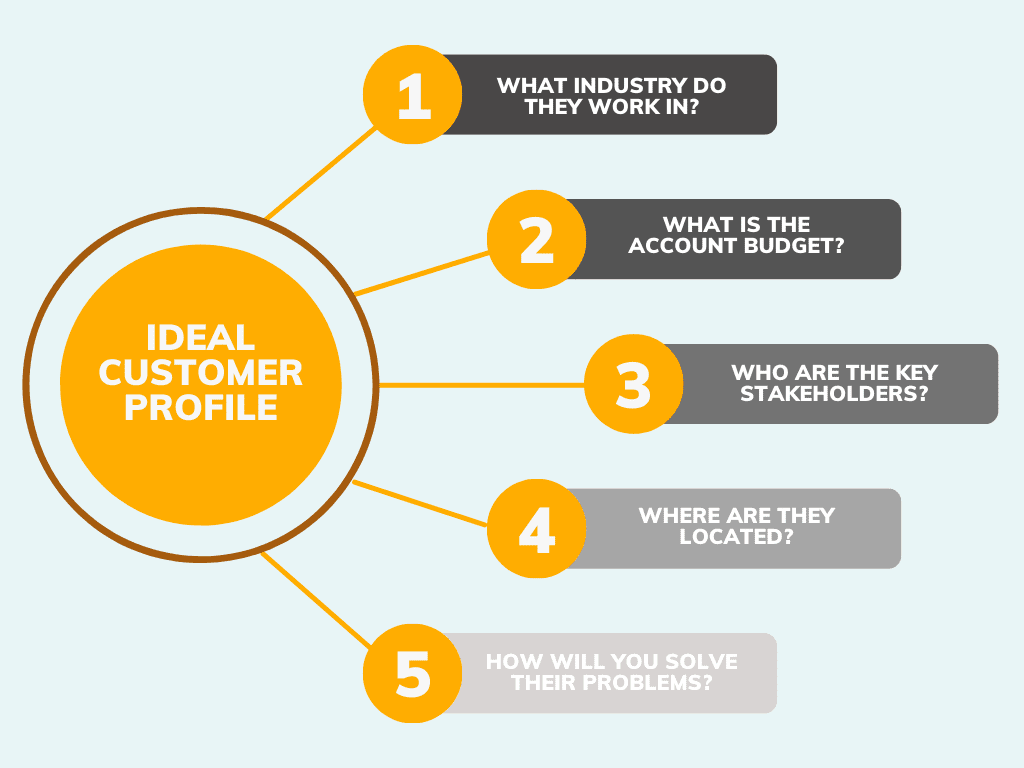
A useful customer persona should help you make better business decisions. It should tell you what to say, where to show up, what offer to lead with, what proof to show, and which channels deserve your limited time.
Use this Minnesota-specific persona template instead of a generic avatar.
1. Local Segment Name
Give the customer a segment name based on real buying behavior, not a cute fictional label.
Examples:
“North Loop young professionals buying premium convenience”
“Woodbury homeowners needing reliable family services”
“Frogtown families choosing trusted neighborhood providers”
“Rochester healthcare workers needing flexible appointment times”
“Duluth weekend visitors searching for local food and experiences”
“Greater Minnesota Main Street shoppers who value personal relationships”
The name should immediately tell you where the customer is, what context they buy in, and what matters to them.
2. Geography and Mobility
Minnesota geography affects buying behavior. Ask:
Do they live in Minneapolis, St. Paul, a first-ring suburb, a fast-growing outer suburb, or Greater Minnesota?
Will they drive 10 minutes, 25 minutes, or only visit if they are already nearby?
Does winter weather reduce walk-ins?
Are they commuters, students, remote workers, families, tourists, or downtown employees?
Are they lake-area seasonal customers?
Do they cross city lines for better service, cultural familiarity, or price?
A customer in Northeast Minneapolis may choose based on walkability and neighborhood identity. A customer in Lakeville may compare options across suburbs. A visitor in Grand Marais or Brainerd may search differently because they are planning a trip, not building a long-term local routine.
3. Buying Trigger
Identify the moment that makes the customer start searching.
Examples:
A new homeowner needs snow removal before the first major snowfall.
A parent needs tutoring after a poor report card.
A bride needs a stylist before engagement photos.
A clinic worker needs meal prep during long shifts.
A small business owner needs bookkeeping before tax season.
A tourist needs a rainy-day activity near the lake.
A renter needs a same-day repair service.
The buying trigger helps you write timely content, ads, email campaigns, and social posts. Minnesota businesses should pay special attention to seasonal triggers: winter readiness, spring home repair, summer events, State Fair season, back-to-school, fall sports, holiday shopping, lake weekends, and tourism peaks.
4. Trust Barrier
Every ideal customer has a reason they hesitate.
In Minnesota, common trust barriers include:
They have been disappointed by unreliable contractors.
They do not want to overpay.
They prefer referrals before trying a new business.
They worry about parking, safety, or convenience.
They are unsure whether your business understands their culture or language.
They need proof that you are locally established.
They want clear pricing before calling.
They do not want aggressive sales pressure.
This is where many entrepreneurs make a mistake. They describe their service, but they do not reduce the buyer’s risk. Your ideal customer persona should name the fear you must overcome.
5. Proof Needed Before Purchase
Different Minnesota customers need different proof.
A restaurant customer may need photos, recent reviews, menu clarity, and parking information.
A contractor customer may need license details, before-and-after photos, neighborhood references, and transparent estimates.
A boutique customer may need styling examples, return policies, and real customer photos.
A consultant may need case studies, industry knowledge, and local business credibility.
A multicultural audience may need language accessibility, community presence, and trusted referrals.
Your proof should match the buyer’s risk. The more expensive, personal, urgent, or culturally sensitive the purchase, the more proof your customer needs.
6. Research Channels
List where the customer looks before buying.
Use categories such as:
Google Search
Google Maps
TikTok
Facebook Groups
Nextdoor
Yelp or Tripadvisor
Neighborhood newsletters
Chamber directories
Farmers markets
Cultural radio
Churches, mosques, temples, and community centers
Coworking spaces
University bulletin boards
Local events
Referral partners
If you cannot identify the research channel, you do not yet know how your customer buys.
7. Message That Will Move Them
Now write the message your customer needs to hear.
Weak message: “We provide high-quality cleaning services in Minnesota.”
Stronger message: “Reliable recurring home cleaning for busy Woodbury families who want clear pricing, consistent arrival times, and a cleaner house before the weekend.”
Weak message: “Best restaurant in Minneapolis.”
Stronger message: “A cozy Northeast Minneapolis dinner spot for locals who want flavorful food, easy group reservations, and a neighborhood feel without downtown hassle.”
Weak message: “Affordable marketing services.”
Stronger message: “Practical local marketing for Minnesota service businesses that need more qualified calls from Google, reviews, and referrals—not just social media activity.”
The right message should make the ideal customer feel recognized.
Community Marketing Channels Unique to Minnesota
The best Minnesota marketing often happens where digital visibility and community trust meet.
1. Farmers Markets and Minnesota Grown Directories
Farmers markets are not only for farms. Depending on market rules, they can also help food brands, makers, wellness products, and local artisans test customer response in person.
Minnesota Grown lists more than 160 farmers market listings, and notes that many markets include live music, food trucks, and children’s activities. (Minnesota Grown) For customer research, a market booth can reveal who stops, who samples, who asks about price, who follows you online, and who returns.
Do not treat a farmers market only as a sales day. Treat it as live research.
2. Neighborhood Associations and District Councils
In Minneapolis and St. Paul, neighborhood organizations are powerful listening posts. They help you understand what residents care about, what events are happening, what concerns shape trust, and which partnerships may be appropriate.
A North Loop business, for instance, can learn from local neighborhood association priorities around events, public spaces, safety, local merchants, and community identity. The North Loop Neighborhood Association says part of its work includes promoting local merchants, restaurants, coffee shops, service providers, and others that make the area vibrant. (North Loop Neighborhood Association)
That is not just civic language. It shows how neighborhood identity and local commerce overlap.
3. Chambers of Commerce and Local Business Associations
Chambers and business associations are especially useful for B2B companies, professional services, trades, event businesses, and local retailers.
The customer research value is not only networking. It is pattern recognition. You hear what other owners are struggling with, what customers ask for, which neighborhoods are growing, where foot traffic is shifting, and which partnerships are credible.
For example, a small business serving 38th and Chicago in Minneapolis would not understand that area only through citywide data. The 38th and Chicago Business Association describes its corridor as connecting Central, Powderhorn Park, Bancroft, and Bryant, collectively home to nearly 25,000 residents. (38thchicago.com) That kind of corridor-level context helps a business define a much sharper customer than “people in Minneapolis.”
4. Cultural Media and Language-Specific Outreach
If your customers include Somali, Hmong, Oromo, Latino, East African, Indigenous, or African American communities, culturally specific media may matter more than broad paid ads.
This does not mean translating an English flyer and calling it strategy. It means understanding community concerns, trusted voices, language preferences, family decision-making, and the proof required to earn confidence.
A healthcare clinic, daycare, financial service, legal office, beauty business, food brand, or education provider may need a culturally specific customer persona for each audience it serves.
5. Tourism and Seasonal Visitor Channels
Minnesota’s visitor economy is significant. Explore Minnesota reported 81.6 million visitors in 2024, $14.7 billion in visitor spending, and $24.7 billion in total economic impact. (Explore Minnesota)
That matters for businesses in Duluth, Grand Marais, Brainerd, Alexandria, Lutsen, Stillwater, Red Wing, Winona, Mall of America-adjacent areas, lake communities, and festival-heavy towns.
If you serve visitors, your ideal customer profile should include trip purpose, season, lodging area, search behavior, weather dependency, group type, and urgency. A tourist does not research like a resident. They may decide within hours, rely heavily on maps and reviews, and choose based on convenience, photos, hours, parking, and “near me” searches.
Minnesota Ideal Customer Examples by Business Type
Local Restaurant
A weak target audience is “people who like food in Minneapolis.”
A stronger ideal customer is “Northeast Minneapolis residents and brewery visitors ages 25–45 who want casual group dining, easy online menus, vegetarian options, and a place that feels local rather than corporate.”
This customer likely researches through Google Maps, Instagram, brewery-adjacent recommendations, friends, and neighborhood groups. Your marketing should emphasize menu clarity, atmosphere, location, group convenience, and recent customer photos.
Home Service Business
A weak target audience is “homeowners in Minnesota.”
A stronger ideal customer is “busy homeowners in Maple Grove, Plymouth, and Brooklyn Park who need reliable seasonal maintenance, clear pricing, and fast communication before winter or spring storm season.”
This customer likely researches through Google, reviews, referrals, Nextdoor, and neighborhood Facebook groups. Your proof should include service-area pages, before-and-after photos, response-time expectations, review responses, and simple quote requests.
Boutique or Beauty Brand
A weak target audience is “women in the Twin Cities.”
A stronger ideal customer is “style-conscious professionals and event-goers in North Loop, Uptown, and St. Louis Park who want curated looks, styling help, and locally owned shopping experiences.”
This customer may discover you through Instagram, local events, influencer mentions, Google Maps, and friends. Your marketing should show outfits in real-life local contexts: brunch, weddings, work events, date nights, gallery openings, and seasonal weather.
Professional Service Provider
A weak target audience is “small businesses in Minnesota.”
A stronger ideal customer is “owner-operated service businesses in Minneapolis and St. Paul earning steady revenue but lacking a clear marketing system for leads, reviews, and follow-up.”
This customer likely researches through Google, LinkedIn, referrals, chambers, workshops, and peer groups. Your messaging should focus on clarity, return on effort, local proof, and practical implementation.
The One-Sentence Ideal Customer Formula
Use this formula:
We help [specific Minnesota customer] in [specific location or community] solve [urgent problem] by offering [specific solution] with [trust-building proof or differentiator].
Examples:
“We help busy St. Paul families in Highland Park and Mac-Groveland keep their homes clean with recurring, reliable cleaning appointments, transparent pricing, and consistent communication.”
“We help Northeast Minneapolis restaurants attract more local diners with Google, review, and neighborhood marketing systems built around how Twin Cities customers actually choose where to eat.”
“We help Rochester professionals recover from work stress with flexible massage appointments, clear online booking, and treatment plans designed for healthcare and desk-based workers.”
“We help Duluth weekend visitors find locally made gifts and food experiences with easy downtown access, seasonal products, and highly reviewed service.”
If your sentence feels vague, your customer strategy is still vague.
How to Know You Have Found Your Ideal Customer
You are getting closer when your marketing creates better conversations, not just more attention.
Signs you have found your ideal customer include:
People understand your offer faster.
Customers mention the exact problem your marketing describes.
More leads come from the neighborhoods you want.
Reviews repeat the value you want to be known for.
Referrals become easier because people know who you are best for.
You stop discounting as often because your message attracts better-fit buyers.
Your content becomes easier to write because you know who you are speaking to.
The goal is not to exclude everyone else. The goal is to become unmistakably relevant to the people most likely to buy, return, and recommend you.
Final Thoughts
Minnesota entrepreneurs do not need louder marketing before they understand their customer. They need sharper local intelligence.
Your ideal customer is hidden inside neighborhood patterns, search behavior, review language, community events, cultural media, seasonal habits, and referral networks. When you study those signals, your marketing stops sounding like every other small business saying “quality service” and starts sounding like a business that understands exactly who it serves.
That is where real local advantage begins: not with chasing everyone in Minnesota, but with becoming the obvious choice for the right people in the right community.


