


Brand Is the New Backlink: How AI Search, Instagram Ads, and Agentic AI Are Reshaping Digital Marketing in 2026
The rules of digital marketing are changing faster than at any point since the rise of social media and mobile search.
For years, marketers focused on keywords, backlinks, and audience targeting. Those fundamentals still matter, but a new reality is emerging: AI-powered platforms are becoming the primary gateway between consumers and information.
Recent developments across SEO, social advertising, and artificial intelligence point toward a common theme. Brands that establish authority, trust, and visibility across multiple channels are gaining an advantage over those relying solely on traditional optimization tactics.
Three recent industry developments illustrate this shift perfectly.
The Rise of Brand Signals in AI Search
For more than two decades, backlinks served as one of the strongest indicators of authority in search engines.
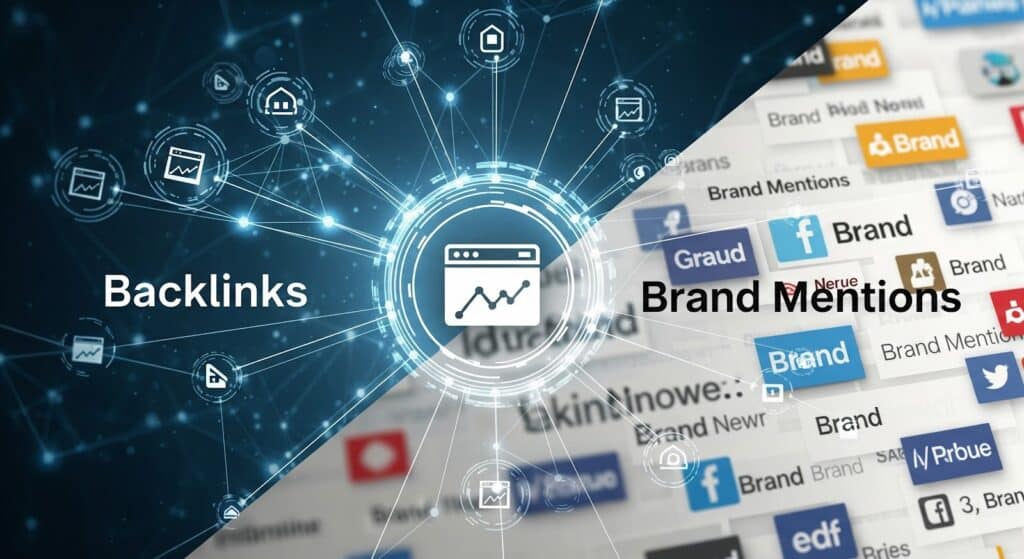
However, the growth of AI-powered search experiences, including generative search, AI assistants, and answer engines, is changing how visibility is earned. Industry experts increasingly argue that brand recognition, expertise, and consistent mentions across trusted sources are becoming critical signals for AI-driven discovery. (Search Engine Journal)
According to discussions highlighted by Search Engine Journal, many SEO professionals now view brand authority as the modern equivalent of backlinks for AI search visibility. AI systems do not simply count links; they evaluate patterns of trust, reputation, expertise, and consistency across the web. (Search Engine Journal)

Search Engine Land reached a similar conclusion, noting that authority is increasingly built through a brand’s presence across credible sources rather than link acquisition alone. The publication argues that links remain important, but they are no longer sufficient as the sole measure of trust. (Search Engine Land)
Why This Matters
Large language models and AI search engines often generate responses by synthesizing information from multiple sources.
As a result, brands that are frequently cited, discussed, reviewed, and referenced across authoritative websites may gain greater visibility within AI-generated answers. This means marketers should focus on:
- Digital PR initiatives
- Thought leadership
- Expert commentary
- Media coverage
- Industry partnerships
- Consistent brand messaging
Rather than asking, “How many backlinks did we earn?” marketers may increasingly ask, “How often is our brand being referenced in trusted conversations?” (Search Engine Journal)
The Evolution from SEO to AI Visibility
The shift does not mean backlinks are dead.
Instead, backlinks are becoming one component of a broader authority ecosystem. Brands that combine technical SEO, content excellence, public relations, and reputation building are likely to perform best in both traditional search engines and AI-powered discovery platforms. (Search Engine Land)
Instagram Expands Reels Post-View Ads
While search evolves, social platforms continue to create new opportunities for advertisers.
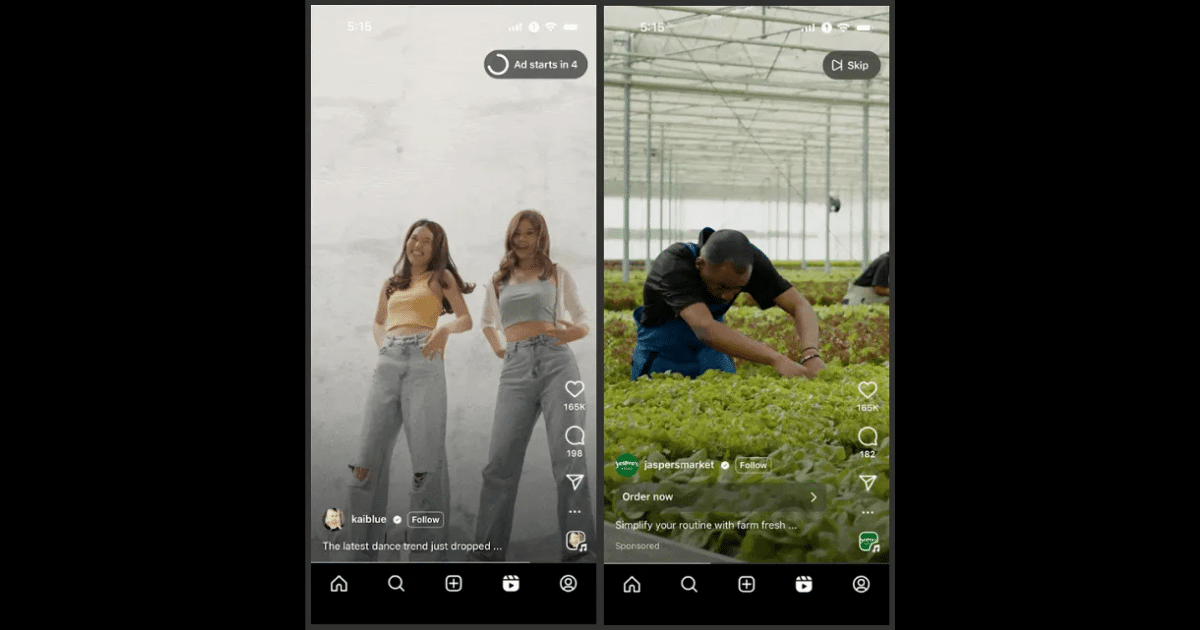
Instagram has officially expanded its Reels post-view advertising format to all advertisers, providing brands with a new way to reach users after they finish watching content. (socialmediatoday.com)
The format differs from traditional in-stream advertising because the promotional video appears after an eligible organic Reel concludes rather than interrupting viewing. Instagram displays a five-second countdown and allows users to skip the ad if desired. (socialmediatoday.com)
Why Advertisers Should Pay Attention
Several factors make this rollout noteworthy:
1. High Viewer Engagement
Users who reach the end of a Reel have already demonstrated content engagement. This potentially creates a more attentive advertising environment compared to interrupted viewing experiences. (socialmediatoday.com)
2. Additional Inventory
Brands gain access to another placement option without competing solely for feed or Stories inventory. This could help improve campaign reach and efficiency. (socialmediatoday.com)
3. Alignment with Video Consumption Trends
Short-form video remains one of the dominant content formats across social platforms. Expanding ad opportunities around Reels reflects Meta’s continued investment in video-first engagement. (socialmediatoday.com)
Strategic Implications
Advertisers may need to rethink creative formats for post-view placements.
Instead of immediately capturing attention during content consumption, these ads appear after viewers have completed a video experience. Creative teams will need messaging designed specifically for this transition moment—one that feels relevant rather than disruptive.
Adobe and NVIDIA Push Agentic AI Into Marketing Workflows
Perhaps the most significant long-term development comes from the expanding partnership between Adobe and NVIDIA.
The companies recently announced a strategic collaboration aimed at accelerating AI-powered content creation, production, personalization, and marketing automation through next-generation agentic workflows. (NVIDIA Newsroom)
The partnership combines Adobe’s creative ecosystem and Firefly AI models with NVIDIA’s computing infrastructure, AI frameworks, and accelerated processing technologies. (NVIDIA Newsroom)
What Are Agentic Workflows?
Unlike traditional AI tools that respond to individual prompts, agentic systems can execute multi-step tasks, coordinate workflows, and make decisions within defined parameters.
For marketers, this could mean:
- Automated campaign production
- AI-assisted creative development
- Content adaptation across channels
- Personalized customer experiences
- Faster creative approvals
- Large-scale asset generation
Adobe and NVIDIA specifically highlighted content creation, campaign execution, and production speed as major areas of focus. (NVIDIA Newsroom)
The Future of Creative Operations
The partnership aims to develop future Firefly models with greater precision and control while integrating NVIDIA’s AI technologies into creative and marketing environments. (NVIDIA Newsroom)
This reflects a broader industry trend: AI is moving from being a content-generation tool to becoming an operational layer that helps manage entire marketing workflows.
Organizations that successfully integrate these technologies could significantly reduce production bottlenecks while increasing personalization capabilities.
A Common Theme: Authority, Attention, and Automation
Although these announcements come from different corners of the industry, they reveal a shared direction.
Authority
AI search systems increasingly reward recognized brands and trusted entities rather than relying solely on link metrics. (Search Engine Journal)
Attention
Social platforms continue developing new ways for brands to capture audience attention through evolving advertising formats. (socialmediatoday.com)
Automation
Agentic AI is moving marketing from isolated task automation toward intelligent workflow orchestration. (NVIDIA Newsroom)
Together, these trends suggest that future marketing success will depend less on isolated tactics and more on building a recognizable brand ecosystem supported by AI-enhanced operations.
What Marketers Should Do Next
To prepare for this transition, organizations should consider the following priorities:
Strengthen Brand Visibility
Invest in digital PR, thought leadership, expert contributions, and industry partnerships.
Expand Measurement Beyond Backlinks
Track brand mentions, citations, media coverage, and AI search visibility alongside traditional SEO metrics.
Test Emerging Ad Formats
Experiment with Instagram’s new post-view Reels placements to understand audience behavior and performance.
Prepare for Agentic AI
Evaluate how AI can support campaign production, content management, customer experiences, and workflow automation.
Build Cross-Channel Authority
Ensure your brand appears consistently across websites, social platforms, industry publications, and customer touchpoints.
Conclusion
The marketing industry is entering a new phase where visibility is increasingly determined by brand authority, engagement opportunities, and AI-powered execution.
The rise of brand signals in AI search, Instagram’s expansion of Reels advertising, and the Adobe-NVIDIA push toward agentic workflows all point toward the same future: marketers who build trusted brands and leverage intelligent automation will be best positioned to compete.
The age of optimizing only for algorithms is fading. The age of optimizing for AI understanding, audience trust, and scalable creativity has already begun.


